
Banks want us to do everything online. They want us to quit using cash (something that drives me bonkers as cash is important for many reasons including for emergencies when there is no power for banking machines, as happened after the earthquake in Christchurch and Cyclone Gabrielle in the North Island). That way they can reduce their costs and increase their profits by taking a little from every electronic transaction. And branches are expensive. Real people are expensive. Better to close all the branches and replace the people with apps and bots. Which is just super modern and marvellous until something goes wrong.
Which is where I found myself this week.
Thanks for reading The Sustainable Heart! Subscribe for free to receive new posts and support my work.
I have had an account with Barclays since I was 18.
Back then, interest rates were sky high and banks wanted our money to play with. They gave away freebies to get young people to open accounts with them. I cannot remember what Barclays was giving away, but it must have been better than NatWest and their range of piggybanks (collectors items now, which just goes to show that people will collect any old rubbish if it makes them nostalgic for times past. See the most excellent documentary on Netflix, Pez Outlaw).
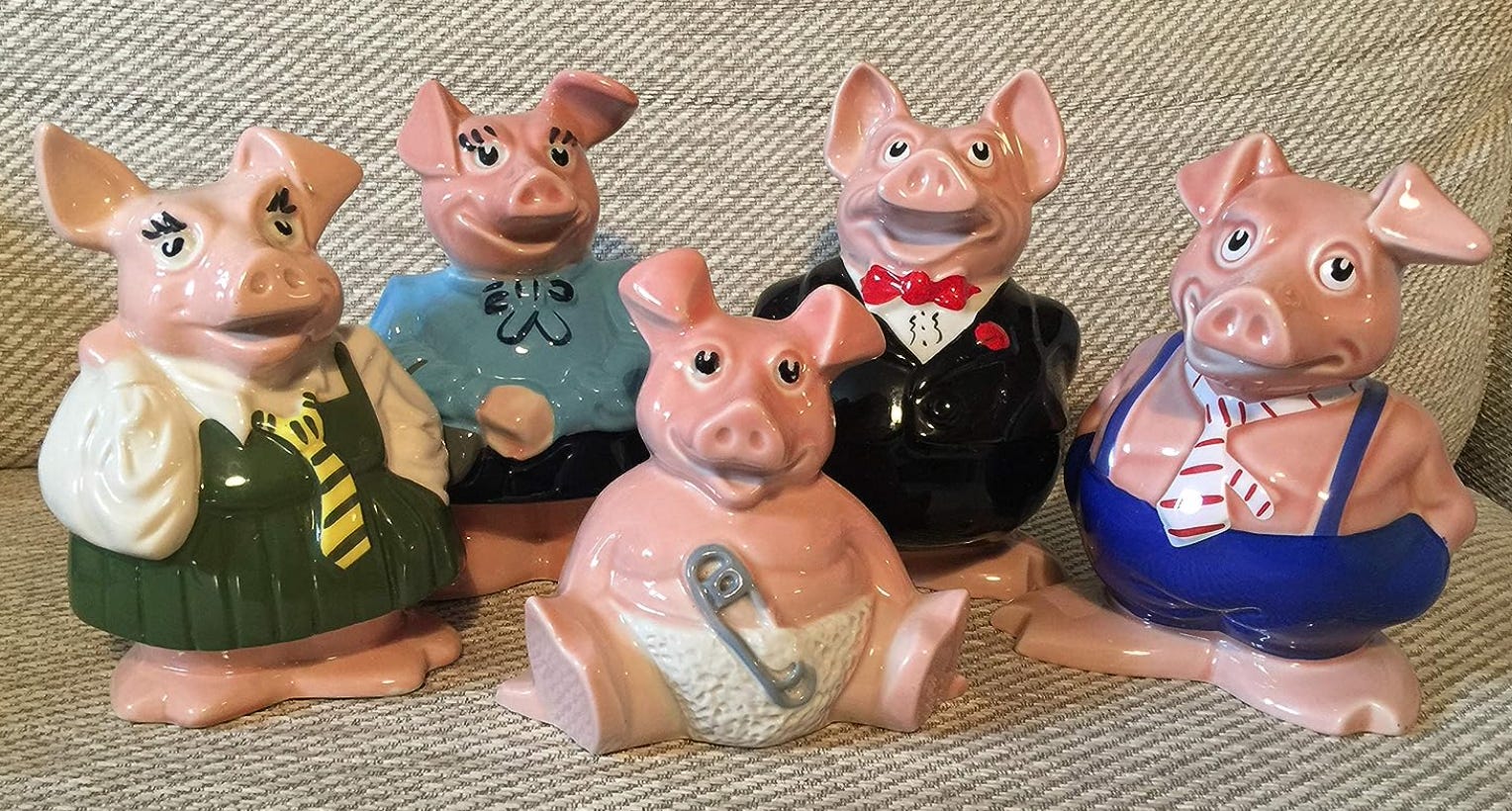
Now it seems banks are fed up with having pesky customers. Brexit has made it complicated for UK banks to look after anyone in the EU zone. So banks like Barclays have decided to deal with that complication by closing those customers' accounts. For some reason, despite the fact they have moved us all to online, telephone, or app banking, they have informed us of this decision by sending us a letter in the post. And when you are an expat living in New Zealand (not part of the Eurozone, but hey, who cares?) and emerging from a pandemic that has shattered already fragile international postal systems, that is a pretty crappy thing to do. Especially when you have not put any notices about your plans online or in an email.
I never got the letter, they closed my account, and I only found out when I tried to log in. When I eventually got through to someone real by telephone (calling a UK number from New Zealand), he was as confused as I was and hung up on me. I called back and got a far more helpful woman who realised what was going on and sent me down the right rabbit hole of what to do about it (needless to say, this involves more bureaucracy before I can get back my own money and put it into an account with the Nationwide who have not closed expats' accounts. Yet.).
I won't miss being with Barclays, an account I've kept largely due to inertia. They invest in fossil fuels more than in people. But it's hard to find banks that are better than this and also offer financial security (and don't get me started on cryptocurrency). Each financial crisis shows us how insecure traditional investments are. Can there be a better system? Bristol had its pound and Lyttelton had an active Timebank after the earthquakes, but they were short-lived successes. However we do it, it makes sense to invest our time and efforts in our own community. To become more reliant on our selves and each other.
We cannot rely on multinational corporations to look after us. Because they really don't care.
Thanks for reading The Sustainable Heart! Subscribe for free to receive new posts and support my work.
Comments
Nothing yet. Say the first thing.
Sign in to join the conversation.