
Read: The Interview
Podshots: This Week on SWAJ
Watch: YouTube Clip of the Week
Network: What’s Happening at Axis Mundi Media
Reasons for Hope
The Spotlight: People, Organizations, and Events You Should Know About
SWAJerati: What We Are Reading
SWAJJER: Discord Comment of the Week
Shoutouts: Welcoming New Members
Read: The Interview (cont.)
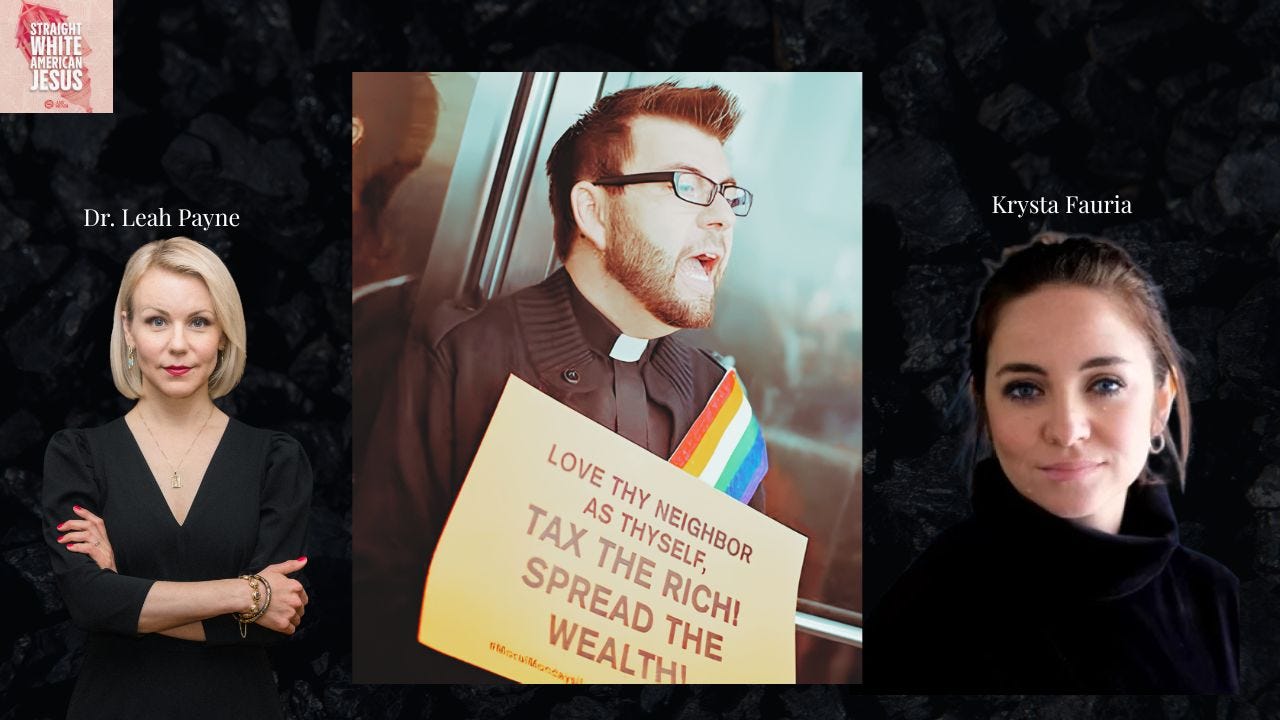
An interview between Leah Payne and AP journalist Krysta Fauria.
Payne: How did you become interested in the relationship between progressive politics, economic inequality, and religious faith?
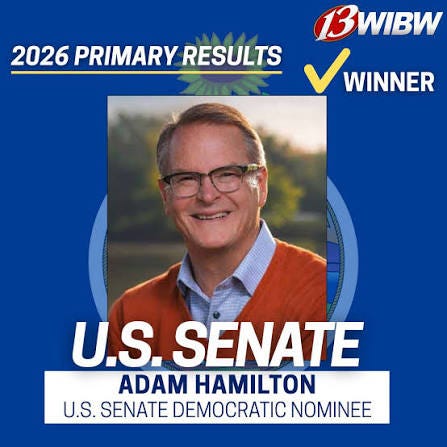
Fauria: I had reported a story back in March about the number of pastors who were running for political office as Democrats. I went to Iowa, and there were three running at the time. James Talarico is a seminarian running for Senate in Texas, and he’s gotten a lot of attention for the way he talks about Christianity as a counter to the Christian Right. And just this week, Adam Hamilton, a pastor of the largest United Methodist congregation in the country, won his Democratic primary for U.S. Senate in Kansas.
In that story, I was focusing on the trend of pastors running and what’s driving it rather than specific issues. But I was also thinking about frustrations voters have with the economy right now. There’s a lot of anxiety around what AI is going to mean for people’s jobs, and there’s no shortage of discussion about the future of the Democratic Party and the split between the establishment and progressives.
So, in light of all of that, I was thinking about how religion is being talked about and thought about among the more progressive wing of the party. Someone like Zohran Mamdani has demonstrated his clout among progressives and made a point to foreground his Muslim faith and talk about why he thinks that’s important to do.
Payne: Your article opens with an interfaith gathering for Michigan Senate candidate Abdul El-Sayed, who this week won the Democratic primary. What did the atmosphere in that room reveal about what some people are calling an emerging religious left?
Fauria: I’ve covered interfaith events before, especially during protests, and sometimes they’re sort of a thing where it’s like, “We’re all here with some general moral rationale that supports this shared cause.” The religion talk kind of stops there. This was not that.
It was mostly clergy, other than Abdul, and there was a lot of concrete discussion about each person’s traditions, their congregations, and their motivations. Abdul is very comfortable talking about religion, but it was very chatty, and they were very fired up about his campaign.
They talked about everything from Israel to inequality to how best to support the campaign. They also talked pretty plainly about how Abdul’s Muslim faith has, in some cases, been weaponized against him. One of the pastors talked about getting into an argument with someone on Facebook who said Abdul would usher in jihad. Abdul responded that the one thing he wants to have jihad against is medical debt.
There was a deep comfort in just being open about their differences, but also about what unites them. Abdul talked a lot about the role of faith he sees in politics. Something he repeated was that, for him, faith is a way to be held accountable to something bigger than himself, instead of being something that is a way to tell people how to live.
Payne: A lot of reporting on religion and politics is centered around the idea that religion and politics is synonymous with conservative Christianity. What does that narrative miss about religious life on the political left?
Fauria: There’s a common conception that Republicans have a larger coalition of religious, particularly Christian, voters. I’ll leave others to debate whether Republicans have historically had a better PR campaign when it comes to who’s more religious.
But there have always been very high-profile Democratic and progressive politicians who are outspoken about their faith. At the same time, I hear a lot of these candidates talking and thinking through how to talk about faith in this moment.
Sarah Trone Garriott in Iowa talked about how well-intentioned people of faith have felt like it wasn’t appropriate to bring their faith into the public realm, and that there was a vacuum left that the religious right filled.
Clergy are uniquely positioned to talk about religion in public comfortably. Someone like Sarah, who is a Lutheran pastor, has an advantage in this area. The same is true of Talarico. He’s not a pastor, but there’s a lot that you pick up in seminary in terms of comfort with talking and thinking through religion.
And I think this goes beyond clergy. Abdul talked about how faith is often represented to us as mutually exclusive belief sets. He acknowledged that he understands why that’s true epistemologically and liturgically, but life is so much more gray. There’s so much more gray area in life.
Payne: Do the people you’re interviewing see themselves as heirs to the long progressive religious tradition of Catholic social teaching, the Social Gospel, civil rights movements, and labor activism?
Fauria: Definitely some of them do. It depends. A lot of the actual pastors I talked to who are progressive definitely saw themselves in that tradition.
I spoke with Andrew Wilkes, a co-pastor of a church in Brooklyn and a very outspoken Democratic socialist. He’s been one for about a decade and wrote a book about socialism called Plenty Good Room. He talked to me about Malcolm X and Martin Luther King Jr. and definitely sees his critique of capitalism as rooted in that tradition.
But there are also people who aren’t as versed in the history of these movements. They’ve seen Bernie Sanders and AOC speak, their message has resonated, and in their minds it jives with how they interpret Scripture.
Payne: Inequality, healthcare affordability, job insecurity—all these things seem to be creating new opportunities for progressive politicians to speak more openly about their faith. Why is that message resonating now?
Fauria: Something these politicians and their religious supporters are talking about is the idea that, especially in the Abrahamic traditions, there’s a lot of responsibility placed on wealthy people. There’s a critique of people who hoard money or exploit workers.
Another thing I keep coming back to is something Trevor Noah said in December. Mamdani was talking about how Republicans have this limitless imagination while Democrats are constructing an ever-lowering ceiling of possibility. Trevor put forward this theory that it was because of the decline of religion on the left.
I’m not commenting on the validity of the theory, but I thought it was really interesting. Trevor was talking about how faith requires you to have an imagination and think about the possibility of something greater.
I heard a similar line of thinking in a lot of my reporting: the idea that faith can help people think about politics not through a lens of scarcity, but by imagining more.
Payne: Republicans often portray socialism and communism as inherently atheistic. How are religious progressives challenging that argument? Has the fading memory of the Cold War changed how younger voters respond?
Fauria: One challenge is that people who are being endorsed by the Democratic Socialists of America aren’t necessarily members of the DSA. Abdul is not part of the DSA, but he’s being labeled this way and is part of the more progressive wing of the party.
Republicans are definitely leaning into the idea of “godless communists” taking over the Democratic Party. But the experts I talked to didn’t really think that message is resonating with younger generations who didn’t live through the Cold War.
Some of the religious DSA members I talked to said that the word “socialism” is a hurdle. They talked about needing to make sure they put “Democratic” in front of it. One person I talked to basically said, “Isn’t socialism the thing where religion is not allowed?” And she acknowledged that, yes, that has been true in some projects, but it’s not inherent to socialism.
Some people aren’t using the word at all. They’ll say, “I want Medicare for All, but I’m not a socialist.” For a lot of younger people, though, the Cold War associations just aren’t sticking in the same way because they didn’t live through it.
Payne: Abdul El-Sayed could become the first Muslim elected to the U.S. Senate. How does his campaign navigate the opportunities and vulnerabilities created by religious and ethnic identities outside the American mainstream?
Fauria: He’s very cognizant of it. He talked about being in middle school when 9/11 happened and how, from a young age, he’s been conscious of how people perceive him and his faith.
At the same time, he definitely does not shy away from it. He talked about being a rebellious kid and then having a religious experience in college that led him to really take his faith seriously from then on.
He’s in an interesting position where he knows his faith can be weaponized, but he’s also very committed to it and to foregrounding it. He’s very comfortable talking about it.
Payne: How does El-Sayed’s approach compare with someone like James Talarico in Texas?
Fauria: Talarico is often speaking to Christians. When he thinks through questions about Christianity, such as the Ten Commandments being put up in schools, he’s doing it from that position. He’s trying to counteract what he sees as the Christian Right.
They’re serving different communities in that way.
Payne: Are we witnessing a broader effort by Democrats to reclaim the language of faith?
Fauria: I think so. It’s definitely not just limited to the progressive wing of the party. We’re seeing a broader way to think about talking about faith.
One thing I heard especially from pastors who are running is that Trump’s election was a motivating factor, either this time or the first time, in their decision to run. Lindsay James in Iowa, for example, had been a chaplain for a long time, but the day after Trump’s first election she decided to get into politics after having a conversation with her daughter about him winning.
I feel like that was a motivating factor for a lot of the people I’ve talked to. While it’s difficult to name exactly what the shift is, I think there is something that Trump did for people who are particularly Christian and progressive.
Payne: Do you think progressive candidates are, in some ways, “evangelicalizing” the way they talk about progressive politics?
Fauria: It’s an interesting thought. Every election cycle, everybody talks about the emerging religious left. In some ways, it’s always been there, so naming what’s changing is really difficult.
But I do think it’s interesting that the language and the way people are talking about faith may be woven into progressive politics in a way that feels different.
Payne: Lots of people are asking: Is the religious left a real thing? Are we witnessing the emergence of a durable religious left capable of changing Democratic politics?
Fauria: I unfortunately lost a lot of money the last time I went to Las Vegas, so I’m not going to make too many predictions.
Talarico is doing something unique. Conservatives are seizing on it, too. He’s very fluent in talking about the Bible, but that doesn’t mean people agree with the way he interprets it, particularly conservative interpreters.
There are definitely people getting attention, but there have historically been very high-profile people claiming faith, especially from the Black church, who get overlooked a lot.
There’s probably a debate to be had about the PR campaign of the Democratic left, or the religious left. That’s definitely a factor.
One thing that really surprised me about this story was how eager people were to talk to me. I’ve never had people so eager to talk. The majority of people I reached out to were very excited to talk and helped connect me with other people. I don’t know if that means anything, but it was pretty interesting to see how willing they were to get their message out.
So, is there smoke and fire? We’ll find out.
The Interview continues at the end of the Report…
The Sunday Interview: Is the Religious Left Really Rising?
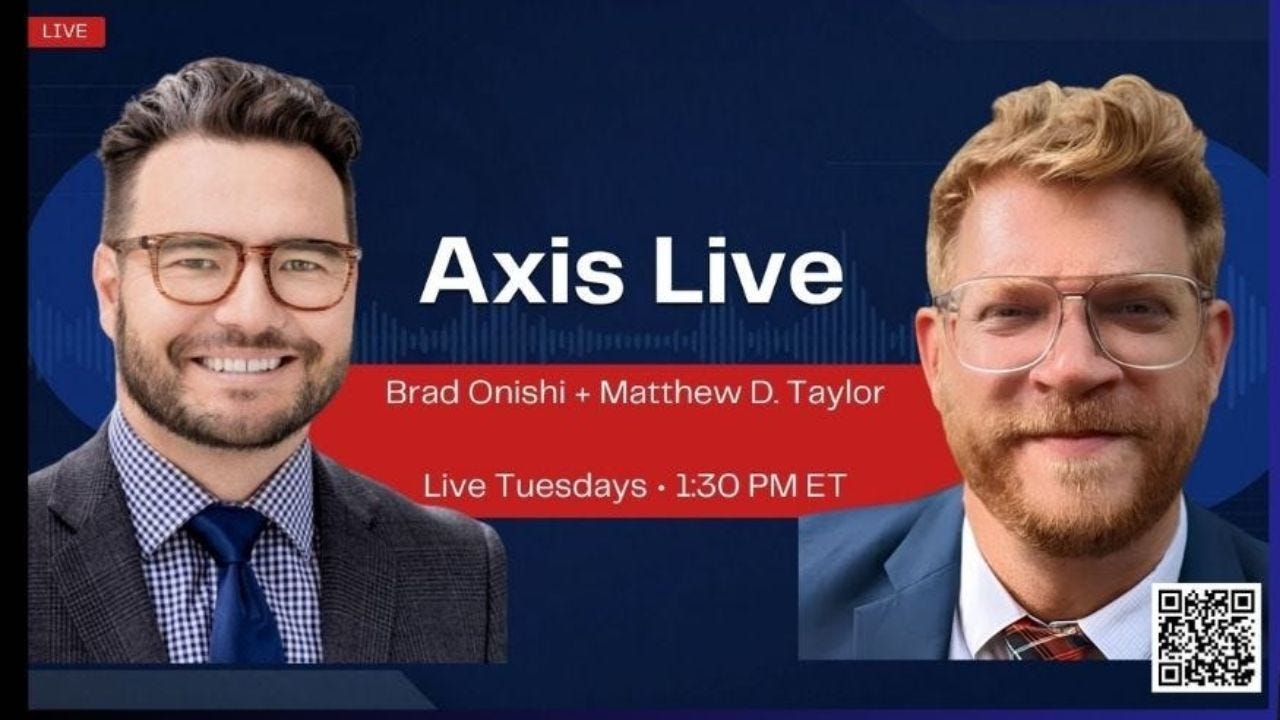
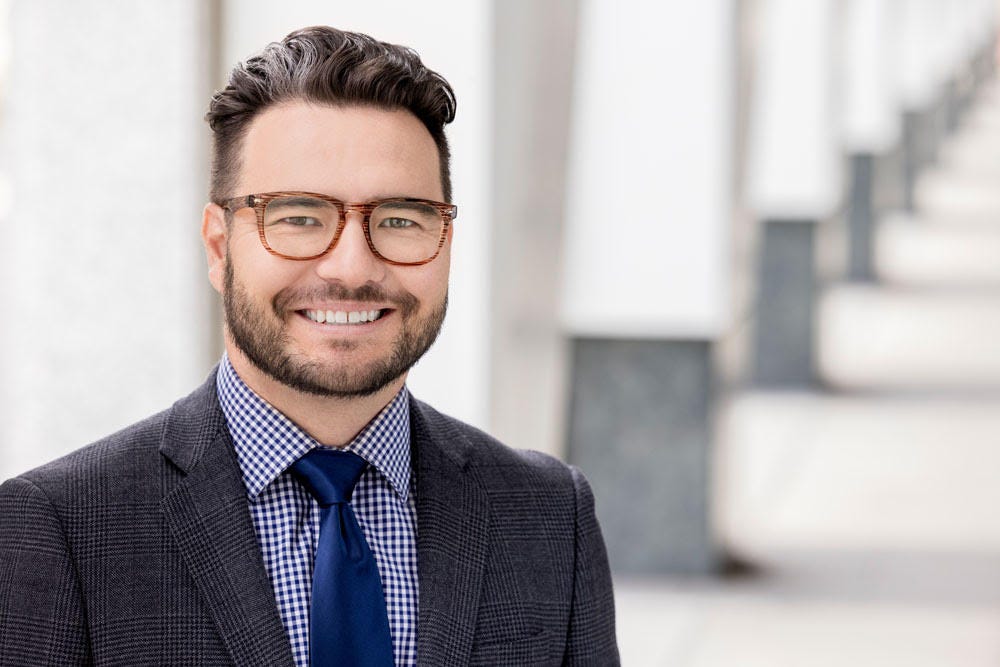
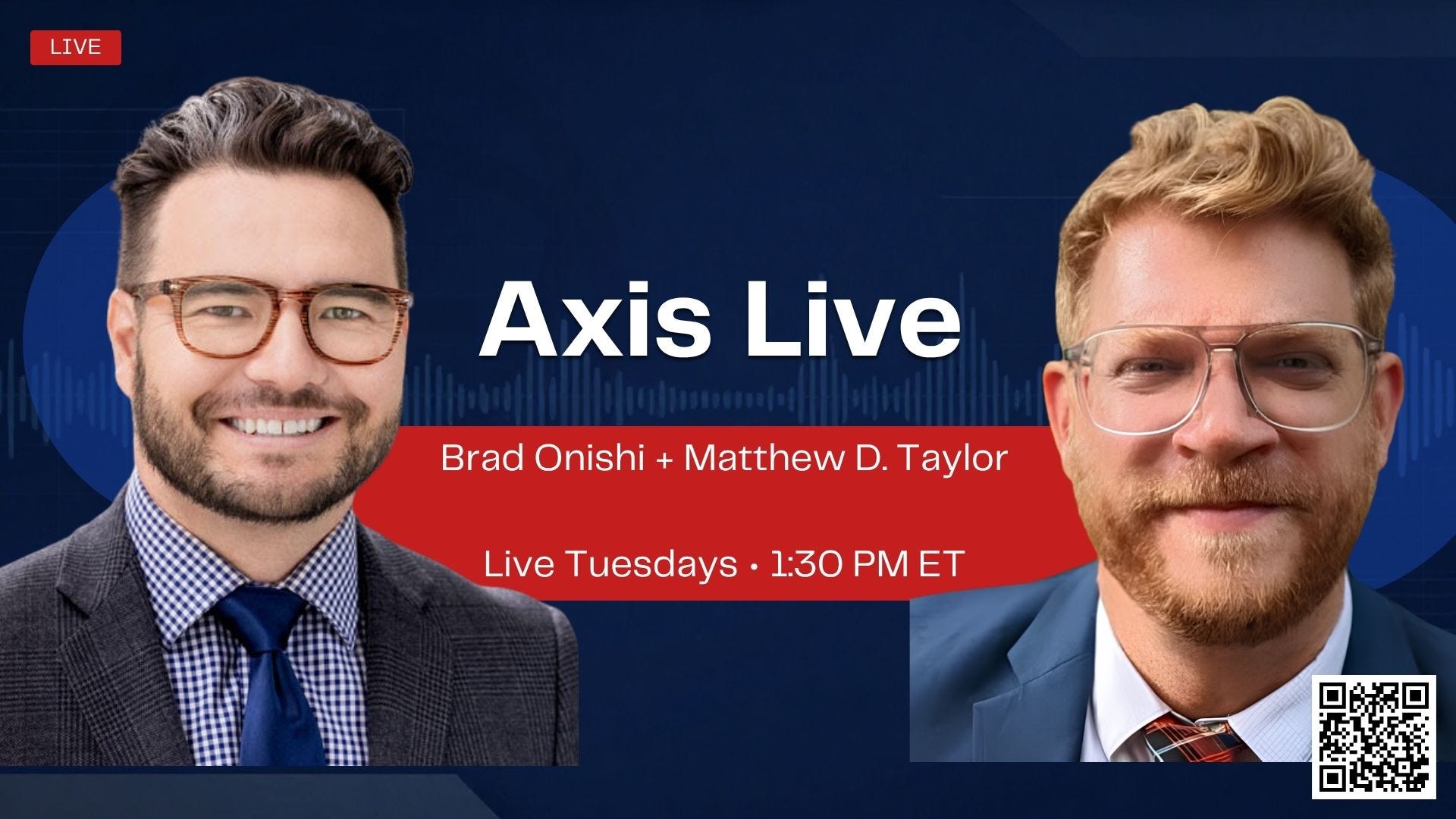
Tuesday: Axis Live - with Brad Onishi and Matthew Taylor
- Special guest Adam Hamilton!
Wednesday: It’s In the Code
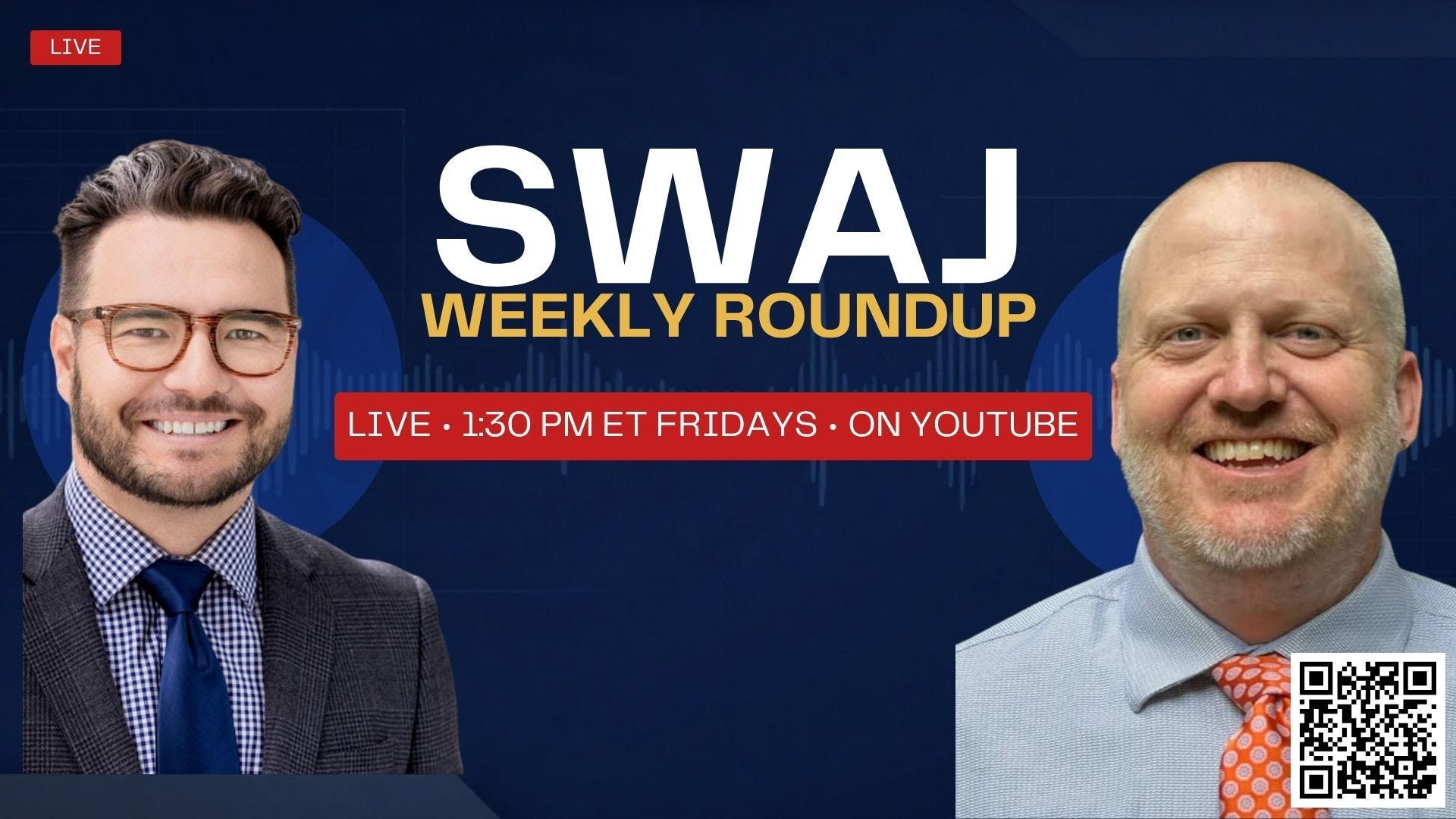
Friday: The Weekly Roundup - Live!
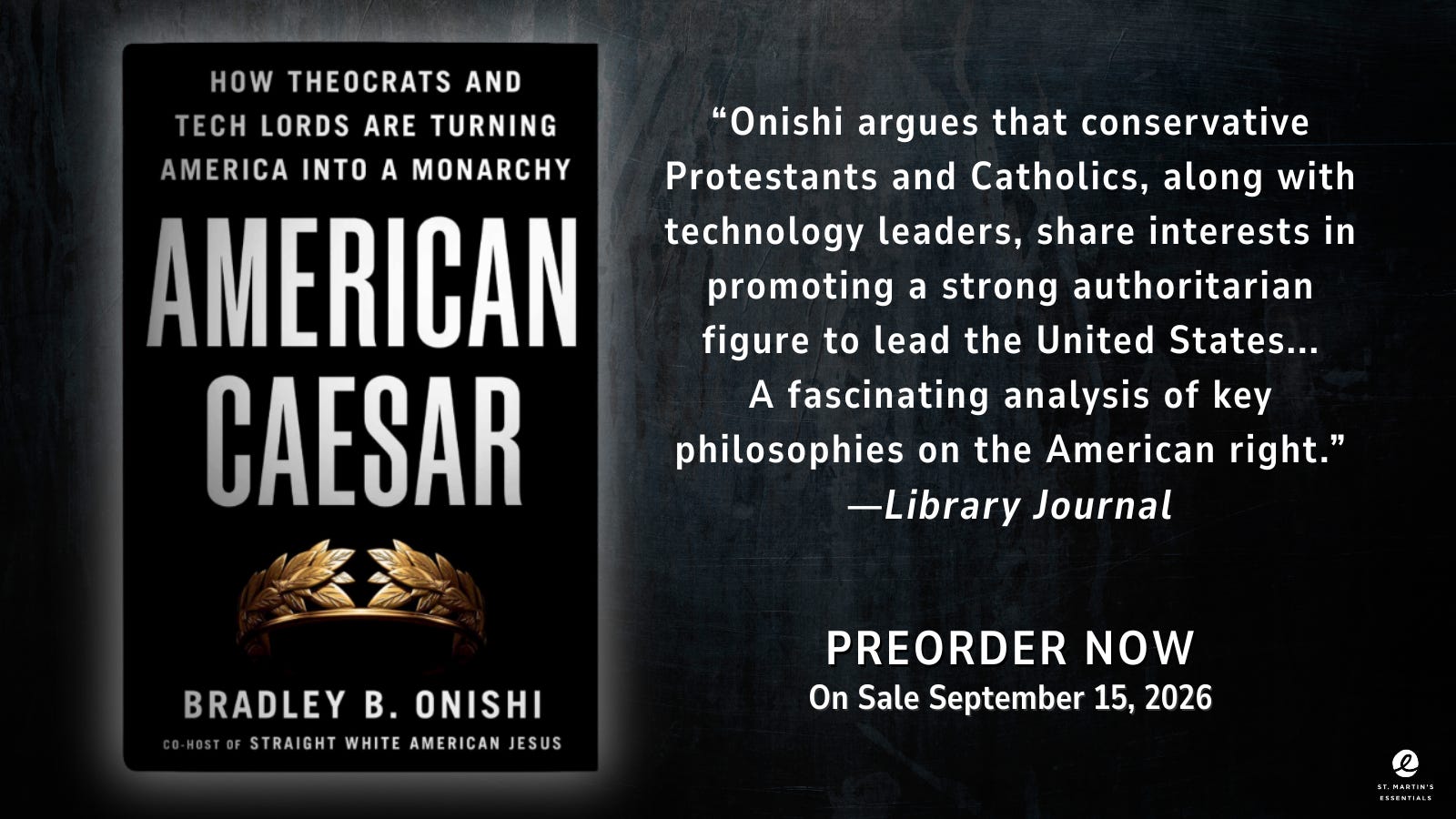
September 16th!
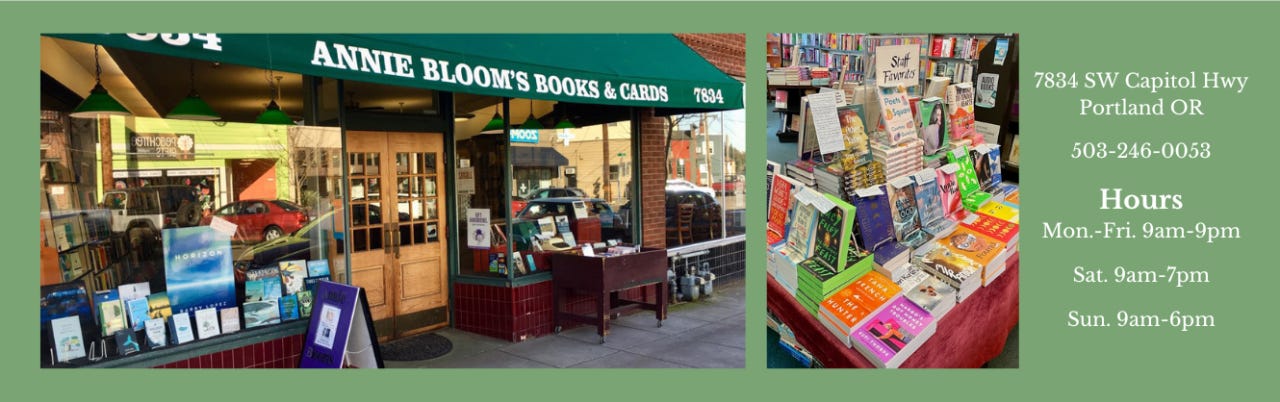
If you can’t make it to the party, order a copy from Annie Bloom’s and it will be signed by Brad!
The Axis Daily Brief is a weekday morning roundup designed to help you make sense of the news before the day gets away from you. Every weekday, a rotating team of Axis Mundi contributors—including Brad Onishi, Matthew Taylor, Angela Denker, Dan Miller, Holly Fletcher, and others—will deliver concise analysis of the stories, trends, and developments that matter most. Think of it as your daily guide to the intersection of religion, democracy, culture, and power.
Listen to the Axis Daily Brief:
Axis Daily Brief on Apple Podcasts:
Axis Daily Brief on Spotify:
Axis Daily Brief RSS Feed: https://api.substack.com/feed/podcast/1145852/s/400220.rss Available on Apple Podcasts, Spotify, and wherever you get your podcasts.
We’re also launching Axis Live, a new live-streamed conversation series featuring Brad Onishi, Matthew Taylor, and special guests from across journalism, scholarship, and public life. Axis Live will give us a chance to respond in real time to breaking news, answer your questions, and build a deeper community around the issues we cover every day.
These launches represent the next step for Axis Mundi Media. Our mission has always been to provide rigorous analysis, public scholarship, and independent journalism about religion and politics in America. With the Daily Brief and Axis Live, we’ll be able to bring you more timely coverage while continuing the in-depth reporting, interviews, and podcasts you’ve come to expect.
The appeals process for the class action lawsuit originally titled Sweet vs. DeVos and the Department of Education has finally ended; more than 170,000 individuals will have their student loans erased.
A number of country music superstars—including Brad Paisley, Tanya Tucker, Gavin Adcock, and Willie Nelson—have all spoken out against the construction of data centers in rural parts of the country.
Joanna Whaley just won a Democratic primary, making her the first trans woman nominated for state legislature in Michigan. SWAJ listeners might be particularly interested in her religious journey: she was raised Catholic, later became a pastor at an Evangelical megachurch, and—after enduring several rounds of conversion therapy—found a progressive church and has been advocating for queer rights in affirming faith spaces.
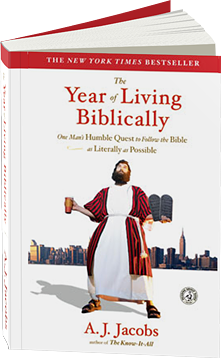
Last week on It’s In the Code 201: “Why Take Only Some of the Bible Literally?” Dan Miller addressed evangelical hypocrisy. Back in 2008 journalist A.J. Jacobs addressed the issue with a different tactic…attempted to follow every single rule in the Bible as literally as possible for an entire year (including the ones evangelicals conveniently ignore such as. note wearing mixed fibers). The resulting book—The Year of Living Biblically— is insightful, humorous, and even profound.
After you read or listen to this week’s interview, be sure to check out Krysta Fauria’s Religion reporting for the Associated Press here. Be sure to check out this piece she wrote back in April: From ‘BuddhaBot’ to $1.99 chats with AI Jesus, the faith-based tech boom is here.
BLJ: I’m preparing for a presentation to a group of ministers and church leaders in the Midwest on Christian Political Engagement and I will have a section focused Christian Nationalism (Historic and Present). I am currently researching the 19th century and came across this vomit inducing quote from a Georgia Senator on war and manifest destiny, “if war is forced upon us, as this has been…we should be recreate to our noble mission, if we refused acquiescence in the high purposes of a wise Providence. War has its evil. In all ages it has been the minister of wholesale death and appalling desolation; but however inscrutable to us, it has also been made, by the Allwise Dispenser of events, the instrumentality of accomplishing the great end of human elevation and human happiness…it is in this view, that I subscribe to the doctrine of “manifest destiny.” I mean, there are not enough vomit emojis in the world to cover how gross this is.
Thank you to Amy N., Elijah G., Bob J. and the 5,000+ others who made the switch to Substack with us!
An interview between Leah Payne and journalist Krysta Fauria.
Payne: A lot of reporting on religion and politics is centered around the idea that religion and politics is synonymous with conservative Christianity. What does that narrative miss about religious life on the political left?
Fauria: There’s a common conception that Republicans have a larger coalition of religious, particularly Christian, voters. I’ll leave others to debate whether Republicans have historically had a better PR campaign when it comes to who’s more religious.
But there have always been very high-profile Democratic and progressive politicians who are outspoken about their faith. At the same time, I hear a lot of these candidates talking and thinking through how to talk about faith in this moment.
Sarah Trone Garriott in Iowa talked about how well-intentioned people of faith have felt like it wasn’t appropriate to bring their faith into the public realm, and that there was a vacuum left that the religious right filled.
Clergy are uniquely positioned to talk about religion in public comfortably. Someone like Sarah, who is a Lutheran pastor, has an advantage in this area. The same is true of Talarico. He’s not a pastor, but there’s a lot that you pick up in seminary in terms of comfort with talking and thinking through religion.
And I think this goes beyond clergy. Abdul talked about how faith is often represented to us as mutually exclusive belief sets. He acknowledged that he understands why that’s true epistemologically and liturgically, but life is so much more gray. There’s so much more gray area in life.
Payne: Do the people you’re interviewing see themselves as heirs to the long progressive religious tradition of Catholic social teaching, the Social Gospel, civil rights movements, and labor activism?
Fauria: Definitely some of them do. It depends. A lot of the actual pastors I talked to who are progressive definitely saw themselves in that tradition.
I spoke with Andrew Wilkes, a co-pastor of a church in Brooklyn and a very outspoken Democratic socialist. He’s been one for about a decade and wrote a book about socialism called Plenty Good Room. He talked to me about Malcolm X and Martin Luther King Jr. and definitely sees his critique of capitalism as rooted in that tradition.
But there are also people who aren’t as versed in the history of these movements. They’ve seen Bernie Sanders and AOC speak, their message has resonated, and in their minds it jives with how they interpret Scripture.
Payne: Inequality, healthcare affordability, job insecurity—all these things seem to be creating new opportunities for progressive politicians to speak more openly about their faith. Why is that message resonating now?
Fauria: Something these politicians and their religious supporters are talking about is the idea that, especially in the Abrahamic traditions, there’s a lot of responsibility placed on wealthy people. There’s a critique of people who hoard money or exploit workers.
Another thing I keep coming back to is something Trevor Noah said in December. Mamdani was talking about how Republicans have this limitless imagination while Democrats are constructing an ever-lowering ceiling of possibility. Trevor put forward this theory that it was because of the decline of religion on the left.
I’m not commenting on the validity of the theory, but I thought it was really interesting. Trevor was talking about how faith requires you to have an imagination and think about the possibility of something greater.
I heard a similar line of thinking in a lot of my reporting: the idea that faith can help people think about politics not through a lens of scarcity, but by imagining more.
Payne: Republicans often portray socialism and communism as inherently atheistic. How are religious progressives challenging that argument? Has the fading memory of the Cold War changed how younger voters respond?
Fauria: One challenge is that people who are being endorsed by the Democratic Socialists of America aren’t necessarily members of the DSA. Abdul is not part of the DSA, but he’s being labeled this way and is part of the more progressive wing of the party.
Republicans are definitely leaning into the idea of “godless communists” taking over the Democratic Party. But the experts I talked to didn’t really think that message is resonating with younger generations who didn’t live through the Cold War.
Some of the religious DSA members I talked to said that the word “socialism” is a hurdle. They talked about needing to make sure they put “Democratic” in front of it. One person I talked to basically said, “Isn’t socialism the thing where religion is not allowed?” And she acknowledged that, yes, that has been true in some projects, but it’s not inherent to socialism.
Some people aren’t using the word at all. They’ll say, “I want Medicare for All, but I’m not a socialist.” For a lot of younger people, though, the Cold War associations just aren’t sticking in the same way because they didn’t live through it.
Payne: Abdul El-Sayed could become the first Muslim elected to the U.S. Senate. How does his campaign navigate the opportunities and vulnerabilities created by religious and ethnic identities outside the American mainstream?
Fauria: He’s very cognizant of it. He talked about being in middle school when 9/11 happened and how, from a young age, he’s been conscious of how people perceive him and his faith.
At the same time, he definitely does not shy away from it. He talked about being a rebellious kid and then having a religious experience in college that led him to really take his faith seriously from then on.
He’s in an interesting position where he knows his faith can be weaponized, but he’s also very committed to it and to foregrounding it. He’s very comfortable talking about it.
Payne: How does El-Sayed’s approach compare with someone like James Talarico in Texas?
Fauria: Talarico is often speaking to Christians. When he thinks through questions about Christianity, such as the Ten Commandments being put up in schools, he’s doing it from that position. He’s trying to counteract what he sees as the Christian Right.
They’re serving different communities in that way.
Payne: Are we witnessing a broader effort by Democrats to reclaim the language of faith?
Fauria: I think so. It’s definitely not just limited to the progressive wing of the party. We’re seeing a broader way to think about talking about faith.
One thing I heard especially from pastors who are running is that Trump’s election was a motivating factor, either this time or the first time, in their decision to run. Lindsay James in Iowa, for example, had been a chaplain for a long time, but the day after Trump’s first election she decided to get into politics after having a conversation with her daughter about him winning.
I feel like that was a motivating factor for a lot of the people I’ve talked to. While it’s difficult to name exactly what the shift is, I think there is something that Trump did for people who are particularly Christian and progressive.
Payne: Do you think progressive candidates are, in some ways, “evangelicalizing” the way they talk about progressive politics?
Fauria: It’s an interesting thought. Every election cycle, everybody talks about the emerging religious left. In some ways, it’s always been there, so naming what’s changing is really difficult.
But I do think it’s interesting that the language and the way people are talking about faith may be woven into progressive politics in a way that feels different.
Payne: Lots of people are asking: Is the religious left a real thing? Are we witnessing the emergence of a durable religious left capable of changing Democratic politics?
Fauria: I unfortunately lost a lot of money the last time I went to Las Vegas, so I’m not going to make too many predictions.
Talarico is doing something unique. Conservatives are seizing on it, too. He’s very fluent in talking about the Bible, but that doesn’t mean people agree with the way he interprets it, particularly conservative interpreters.
There are definitely people getting attention, but there have historically been very high-profile people claiming faith, especially from the Black church, who get overlooked a lot.
There’s probably a debate to be had about the PR campaign of the Democratic left, or the religious left. That’s definitely a factor.
One thing that really surprised me about this story was how eager people were to talk to me. I’ve never had people so eager to talk. The majority of people I reached out to were very excited to talk and helped connect me with other people. I don’t know if that means anything, but it was pretty interesting to see how willing they were to get their message out.
So, is there smoke and fire? We’ll find out.
The Interview has been edited for length and clarity.
No posts
Comments
Nothing yet. Say the first thing.
Sign in to join the conversation.