
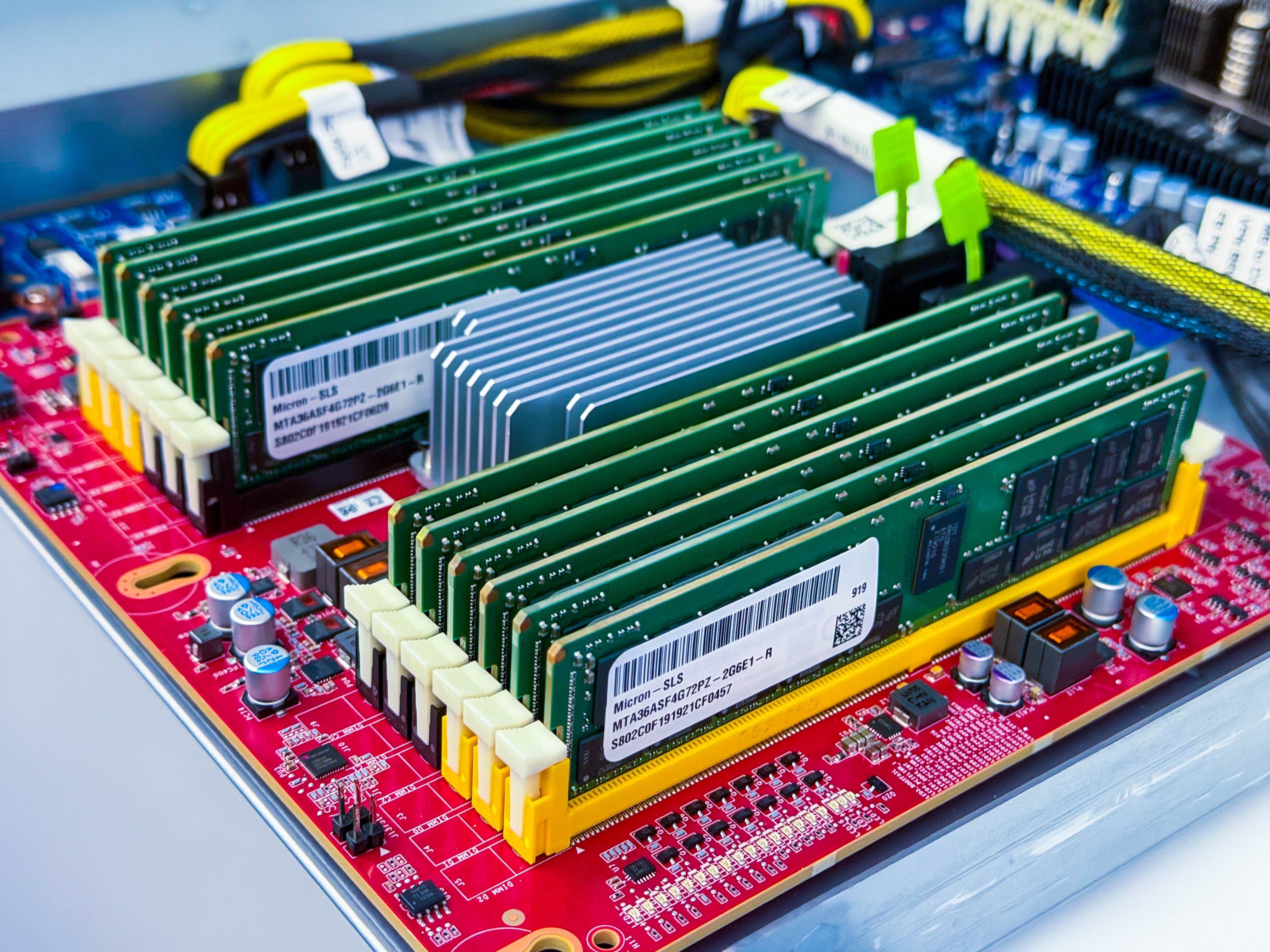
There is a lot of talk in the industry about DRAM pricing, but Meta is well ahead of the game. While we knew this was happening, and have been covering the pieces for some time, we finally got to see the next generation of servers that will utilize recycled DDR4 memory to provide an enormous cost savings to the company. To be clear, Meta is not the only hyper-scale outfit that is recycling its used DDR4. While enterprise, SMB, and consumers are being crunched by DDR5 pricing, Meta has had a longer-term vision that will insulate it from some of the impacts of rising prices.
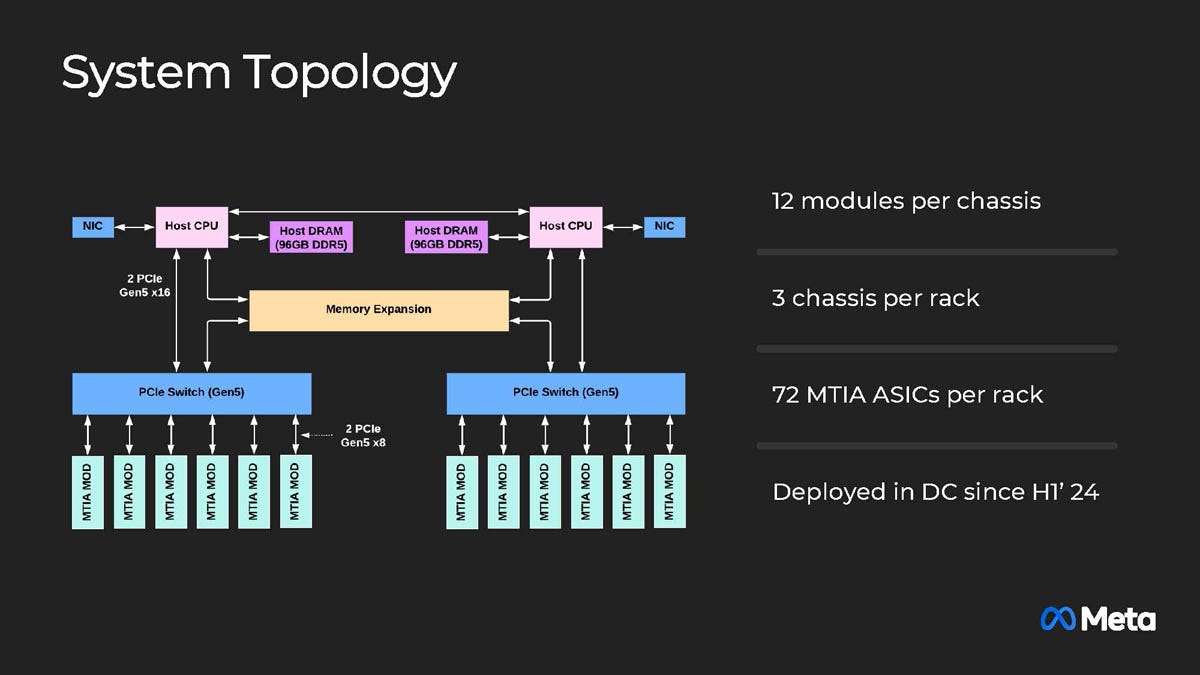
Not many of the hyper-scale customers are talking about their plans to add disaggregated shared memory, but we know Microsoft and others are also working on CXL solutions. Sometimes, shared memory just shows up casually in presentations like at Hot Chips in 2024, where Meta was showing its MTIA AI accelerator architecture and casually has a “Memory Expansion” feature that was on the slide but not covered in the presentation.
Recently, we did a piece on the STH main site around the Marvell Structera CXL Expansion devices.
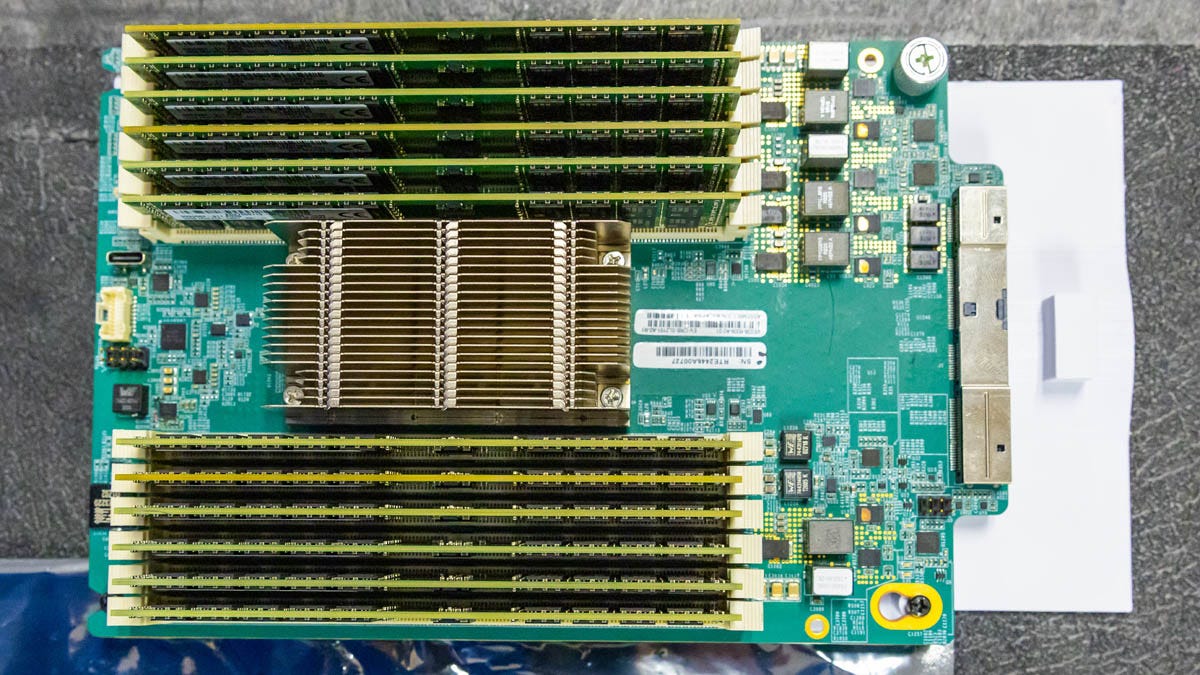
As part of that, we showed how hyper-scalers can reuse their DDR4 memory by recapturing it from their retiring servers. Putting it into the Structera X CXL expansion devices, allows companies to not just add the physical DRAM capacity, but to also add encryption and compression to the memory. With a 1.8-2.0x compression ratio, a recycled 128GB DDR4 DIMM becomes up to 256GB of effective memory capacity. That is the miracle of recycling DDR4 DRAM from retiring servers. Not only is it “free” to get the DIMMs, but you get more memory capacity than you salvage.
What we showed does not look like it is for Meta, or at least for Meta’s ultra-high volume platforms. Instead, it is for another hyper-scale customer, doing something similar. There is a giveaway that this is not the Meta board.
Comments
Nothing yet. Say the first thing.
Sign in to join the conversation.