
After the most prestigious race of the season, the barriers come down and the streets go back to being Monégasque streets. The grandstands are dismantled. The Armco that funnelled 22 cars into Sainte-Dévote at 280 kilometres per hour is stacked in a warehouse somewhere on the edge of the Principality, waiting for next year to roll around. Monaco shrinks back to its normal two square kilometres and 38,000 residents, and the 250,000 people who were here for the race weekend scatter across Europe.
What remains is the circuit, it just looks a little different.
Most people who visit Monaco walk the streets without realising they’re standing on one of the most consequential pieces of tarmac in motorsport. The road from the port up to Casino Square is just a road. Just like the tunnel under the Fairmont Hotel is just a tunnel. The gradient is the same, the kerbs are in the same places, and the walls are close enough to reach out and touch. Formula 1 drivers do this at 200-plus kilometres per hour. You can do it on foot, bike or car, and understand the circuit better for it.
Walk it first
The Monaco circuit runs on public streets year-round. The Armco barriers and advertising hoardings that go up in May make the route obvious during race week, but the circuit can be followed any time once you know where it goes.
Several guided walking tours cover the full 3.3-kilometre circuit, stopping at the key corners to give context that television rarely provides. The most reviewed is The Inside Track Monaco F1, run by guides who have an obvious and contagious obsession with the sport. Reviews consistently mention a stop at the spot where Michael Schumacher parked his car during qualifying in 2006 to block the track, an explanation of Ayrton Senna’s six Monaco victories, and an account of Charles Leclerc jumping into the harbour after his first home win in 2024.
The circuit climbs from Port Hercules at 46 metres above sea level up to 89.5 metres at Casino Square, then drops back down to the famous Fairmont hairpin. Standing at that corner with no cars on it, looking up at the gradient coming out of Casino Square, is clarifying. Take a moment to register the physics of what happens here in race conditions.
If you’d rather go alone, a self-guided app-based tour covers the full circuit and the significant incidents at each corner, including stops at the tunnel, the Fairmont hairpin, and the swimming pool complex. Download it before you arrive. Monaco’s phone network is technically Monégasque, not French, and roaming limitations have caught people out.
The circuit on two wheels
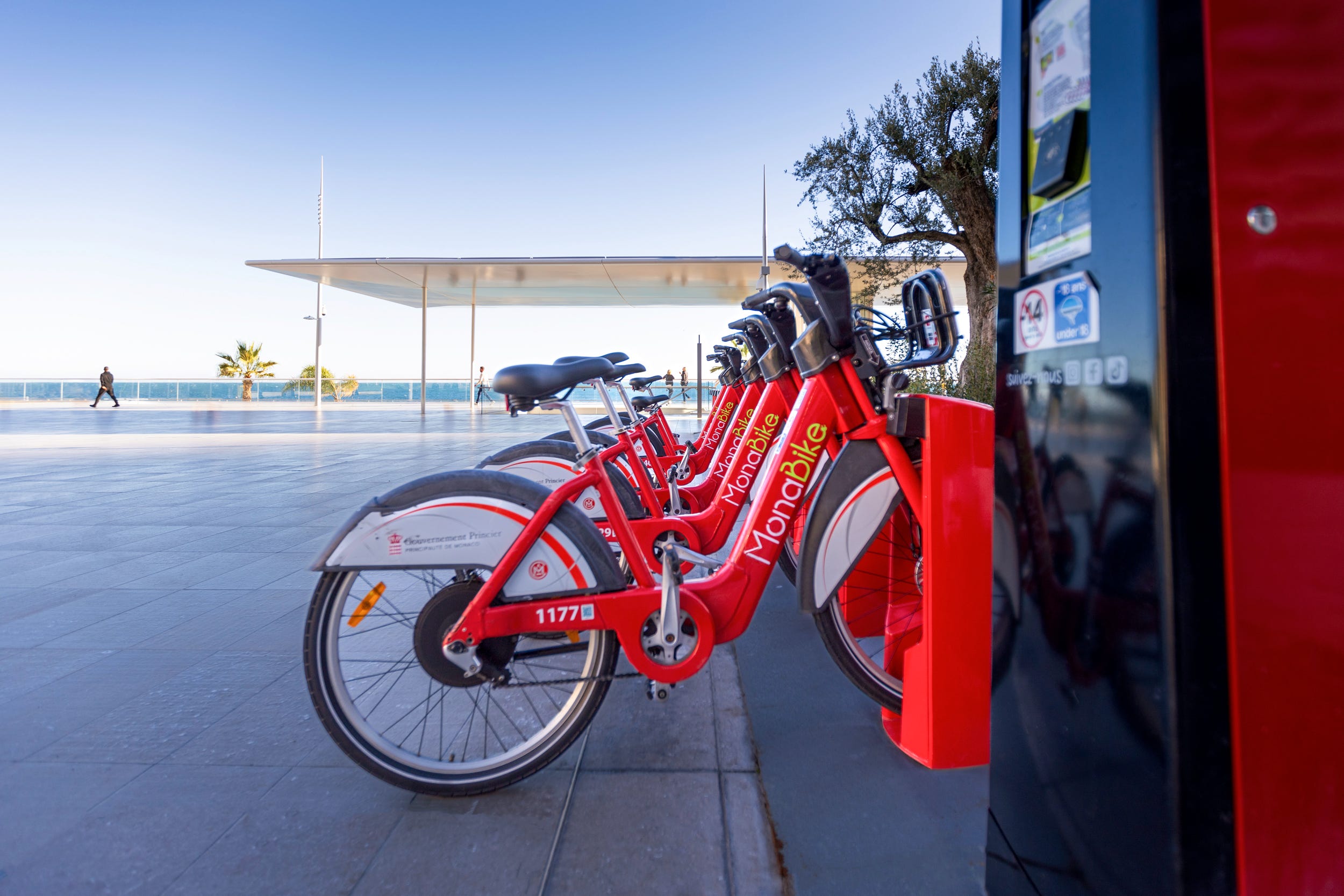
One option that is consistently overlooked: rent an e-bike and follow the circuit at your own pace. Monaco is not flat, but electric assist removes the gradient problem. The tunnel section requires some care with timing, but the rest of the 3.3 kilometres is open road. Riding the Fairmont hairpin, the section through the swimming pool complex, and the straight along the harbour is a different physical experience from walking it. The circuit makes more spatial sense at speed.
Rental operators are available at Port Hercule and near the train station.
The Prince’s car collection
In the words of Prince Rainier III himself: “It’s not an automobile museum, but a personal collection of classic cars of all ages and from all countries.”
Located on Port Hercule, metres from the circuit, his private car collection spans nearly a hundred vehicles across a 3,500-square-metre space and covers everything from Hispano-Suiza to Rolls-Royce, from Ferraris and Lamborghinis to Renault 4CVs and Citroën 2CVs.
The motorsport section is the draw for Formula 1 visitors: rally cars from the Paris-Dakar and Monte Carlo Rally sit alongside F1 single-seaters that raced along the nearby streets. The Chrysler that Rainier III drove to Port Hercule to collect Princess Grace on her arrival in 1956 is also on display.
The collection is open daily, from 10am to 6pm between September and May, and from 10am to 7pm in summer. Admission is €10 for adults, €5 for under-18s and students. Note that the collection closes during the Formula 1 Grand Prix, the Monaco Historic Grand Prix, and the Formula E ePrix. Plan accordingly.
Spotto
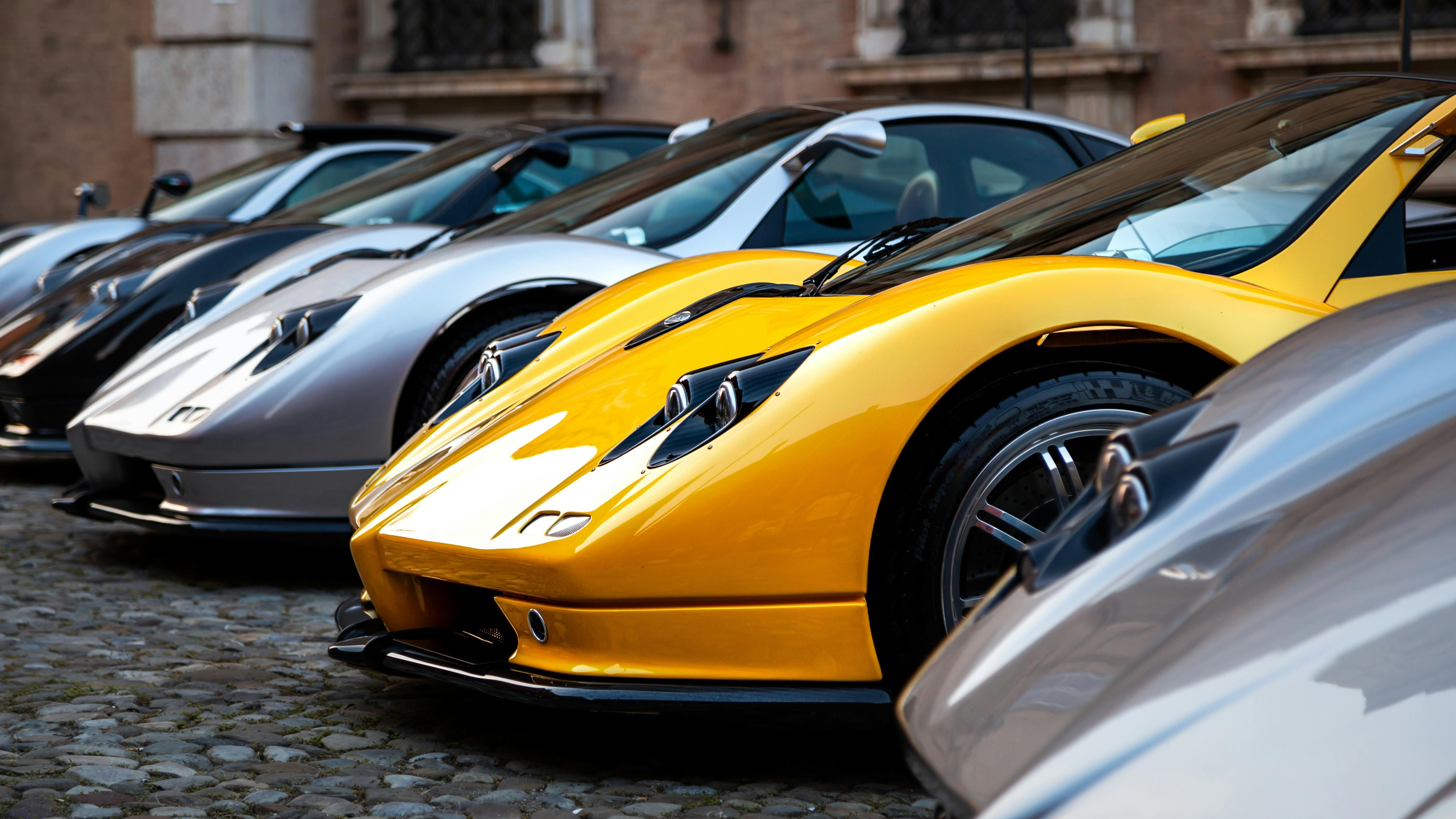
Car spotting in front of the Casino de Monte-Carlo quickly shows how commonplace Lamborghinis are in Monaco. The best way to enjoy the parade of machinery worth more than the GDP of a small nation is to have an overpriced coffee at the Café de Paris or pay and eye-watering amount for a drink at the Bar Américain inside the Hotel de Paris. The valet parking area in front of the casino is essentially an open-air, rotating hypercar museum. On any given evening, you will see multi-million dollar Bugattis, Paganis, and limited-edition Ferraris parked bumper-to-bumper.
Car enthusiasts will love watching how the valets handle the cars as well as people watch the local ‘car spotters’ with high-end cameras who camp out to capture the startup sounds of some of the world’s rarest vehicles.
Monaco and the Automobile Exhibition “From 1893 to nowadays”
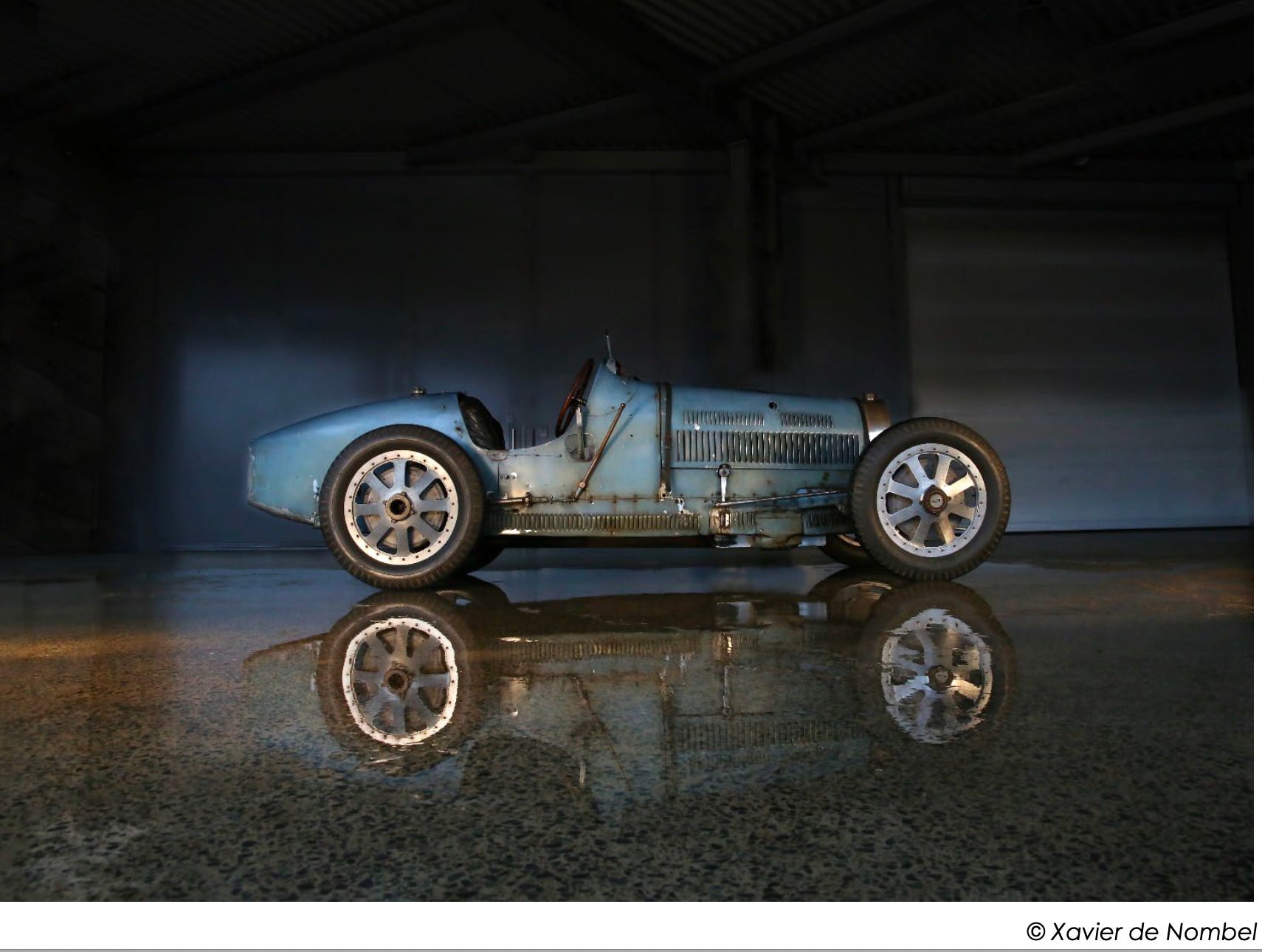
Monaco’s love affair with the automobile is legendary. From 1 July to 6 September 2026, the Grimaldi Forum Monaco tells that story in “Monaco and the Automobile, from 1893 to nowadays”, a major exhibition charting more than 130 years of automotive history in the Principality. Spanning 4,000 m², the show brings together around fifty iconic vehicles, from Grand Prix winners to Rallye Monte-Carlo legends, alongside rare objects, unpublished archives and pieces from the Princely Family, under the curatorship of Rodolphe Rapetti. A cultural highlight of the summer, with advance tickets available at a reduced rate for those quick off the mark. https://www.grimaldiforum.com/en/events-schedule-monaco/monaco-and-the-automobile-from-1893-to-nowadays
Top Marques Monaco
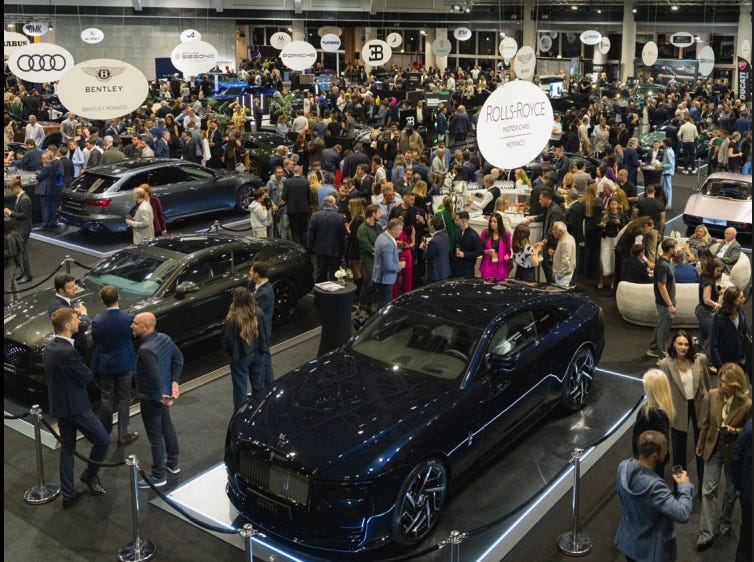
The Principality of Monaco hosts Top Marques Monaco every May, the world’s most exclusive motor show. A showcase for supercars, hypercars and cutting-edge innovations, this unique event combines excellence, avant-gardism and the Monegasque art of living, attracting collectors, enthusiasts and international manufacturers.
Since its creation, more than a hundred new models have made their debut here, including the RS6 GTO, a remarkable concept car from Audi presented in 2023, the LM1 supercar from Laffite Automobili in 2024, and the Aston Martin Vanquish Volante, the new British roadster launched in 2025. An area dedicated to classic vehicles was added in 2022, gradually enriching the show’s offering.
It’s not just for car afficionados. There’s an area dedicated to high-powered motorbikes and an entire department showcasing exceptional watches and jewellery for luxury lovers. And it wouldn’t be Monaco without boats. See the display of boats on the esplanade of the Grimaldi Forum. https://www.topmarquesmonaco.com/en/
Drive the roads around Monaco
Monaco is 2.02 square kilometres. The circuit is 3.337 kilometres long. To drive anything interesting, you need to leave the Principality.
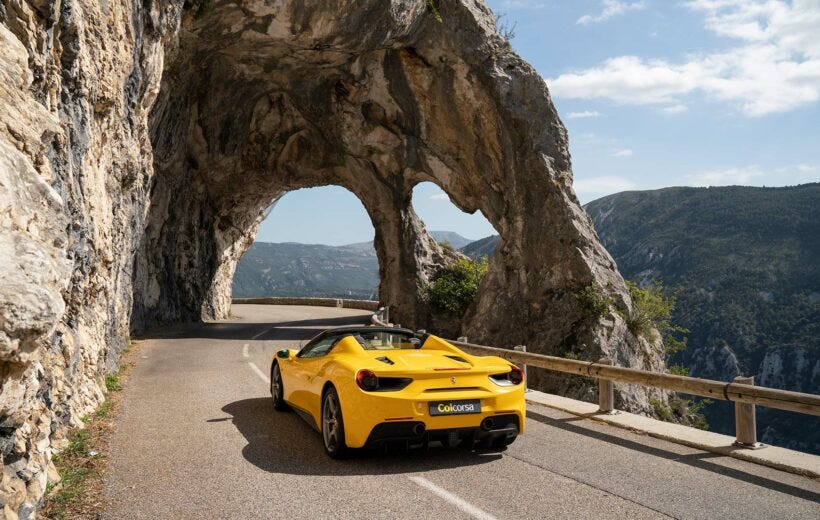
Several operators run supercar experiences on the roads above Monaco, covering the Moyenne and Grande Corniche with views across to Italy, and continuing along the coastal highway towards Menton on the French-Italian border. The standard offering pairs a Ferrari with a Lamborghini, with an instructor in the adjacent seat and the option to swap cars midway through. Extended versions include a stop at a hotel above Monaco, suspended between the cliff and the sea, before the return.
These roads have been used as a backdrop in enough films to feel familiar, which can make being on them feel slightly disorienting. The views down to Port Hercule from the Grande Corniche are the same views that appear in the background of every televised Monaco practice session. From up there, the scale of what Formula 1 does to a city becomes clearer. The circuit below looks impossibly narrow.
For a full day rather than a few hours, operators like Colcorsa run supercar experiences departing from Monaco that extend into the Alpes-Maritimes and the mountain passes above the French Alps, with routes designed around hairpin bends and altitude rather than coastal views. Different experience entirely, and worth separating the two.
https://luxury-rental-mc.com/rent-car/
https://www.colcorsa.com/stories/tour-ferrari-monaco/
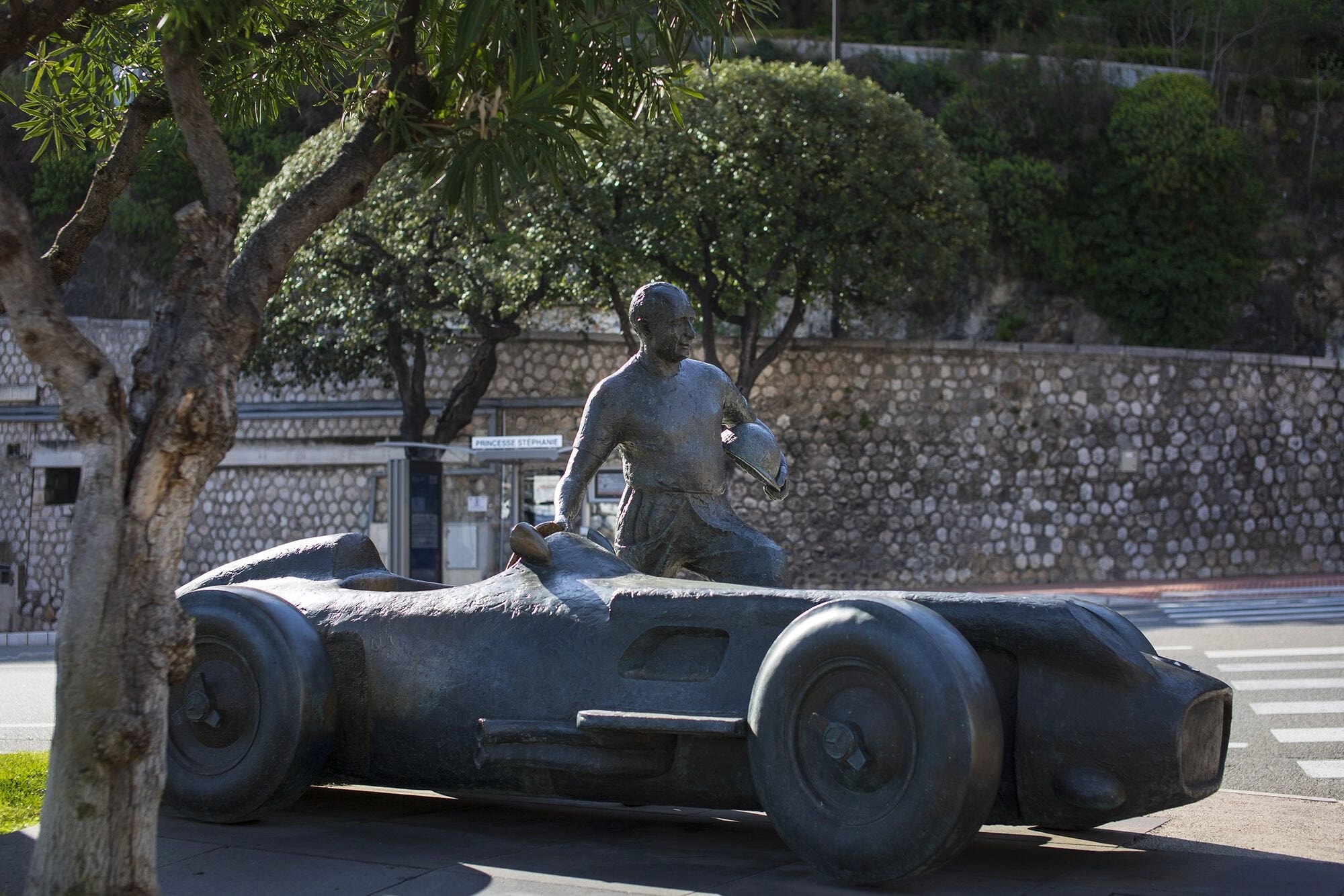
Bronzed racing history immortalised – Fangio and Grover-Williams statues
For the ‘gram, get a photo next to the statue of the legendary Juan Manuel Fangio located on the famous Anthony Noghès bend of the Formula 1 circuit. This sculpture pays tribute to the five-time world champion who left his mark on the history of the Monaco Grand Prix. Address: Boulevard Albert 1er Monaco 98000.
There’s also the William Grover-Williams statue located at the intersection of Boulevard Albert 1er and Avenue d’Ostende (the start-finish straight). This statue features the winner of the very first Monaco Grand Prix in 1929 piloting his Bugatti Type 35B.
F1-inspired nightspot
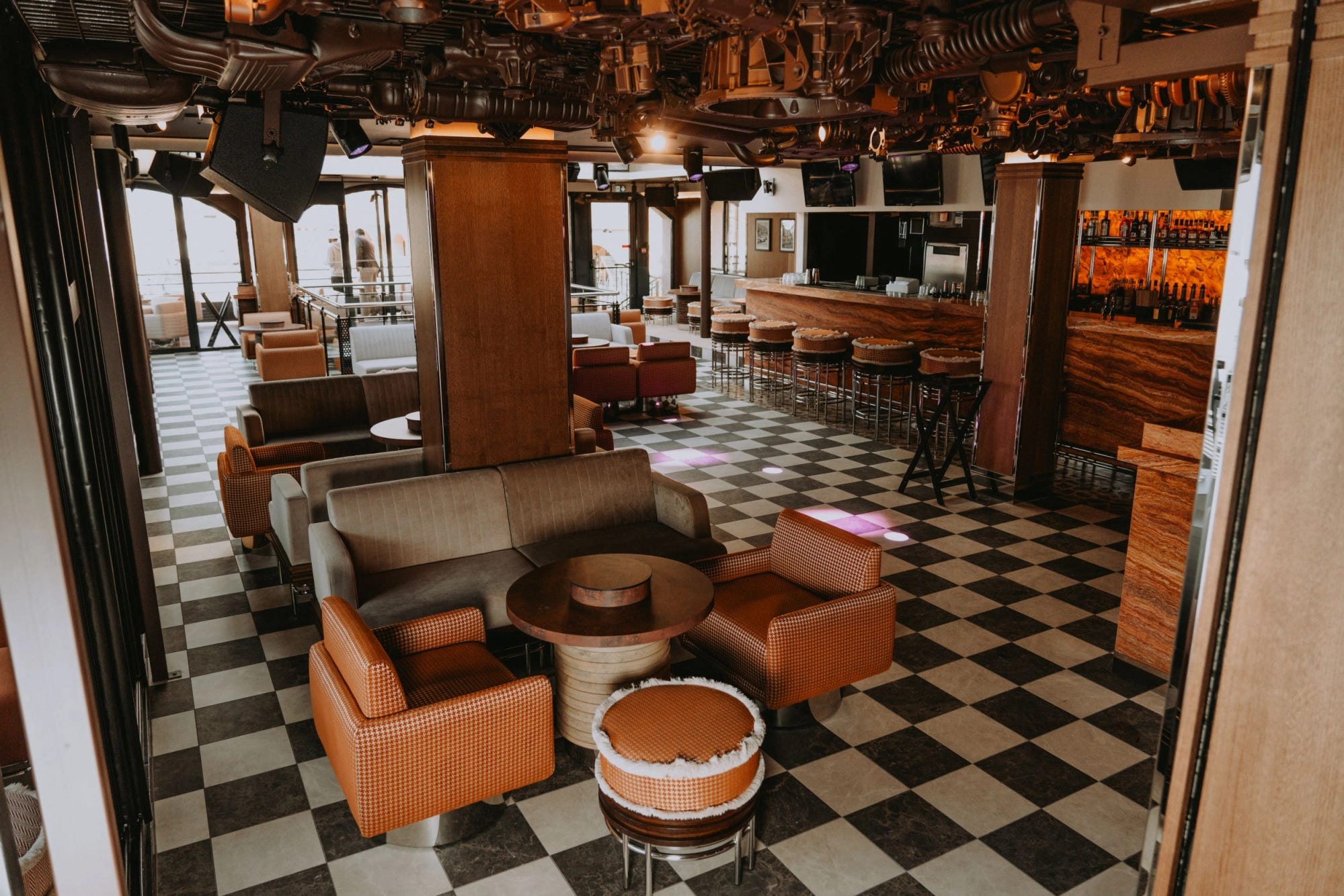
A legendary landmark of Monaco’s nightlife, La Rascasse has a brand new look. Go for cocktails, finger food, something more indulgent and of course, people watching, Located on Port Hercule, on the iconic bend of the Monaco Grand Prix, this is the venue for Monegasque nightlife. Completely redesigned, the venue now boasts a more contemporary setting inspired by the world of Formula 1 racing, while preserving the festive spirit and energy that garnered its reputation. https://www.montecarlosbm.com/en/bar-nightclub-monaco/la-rascasse
Formula E-Prix
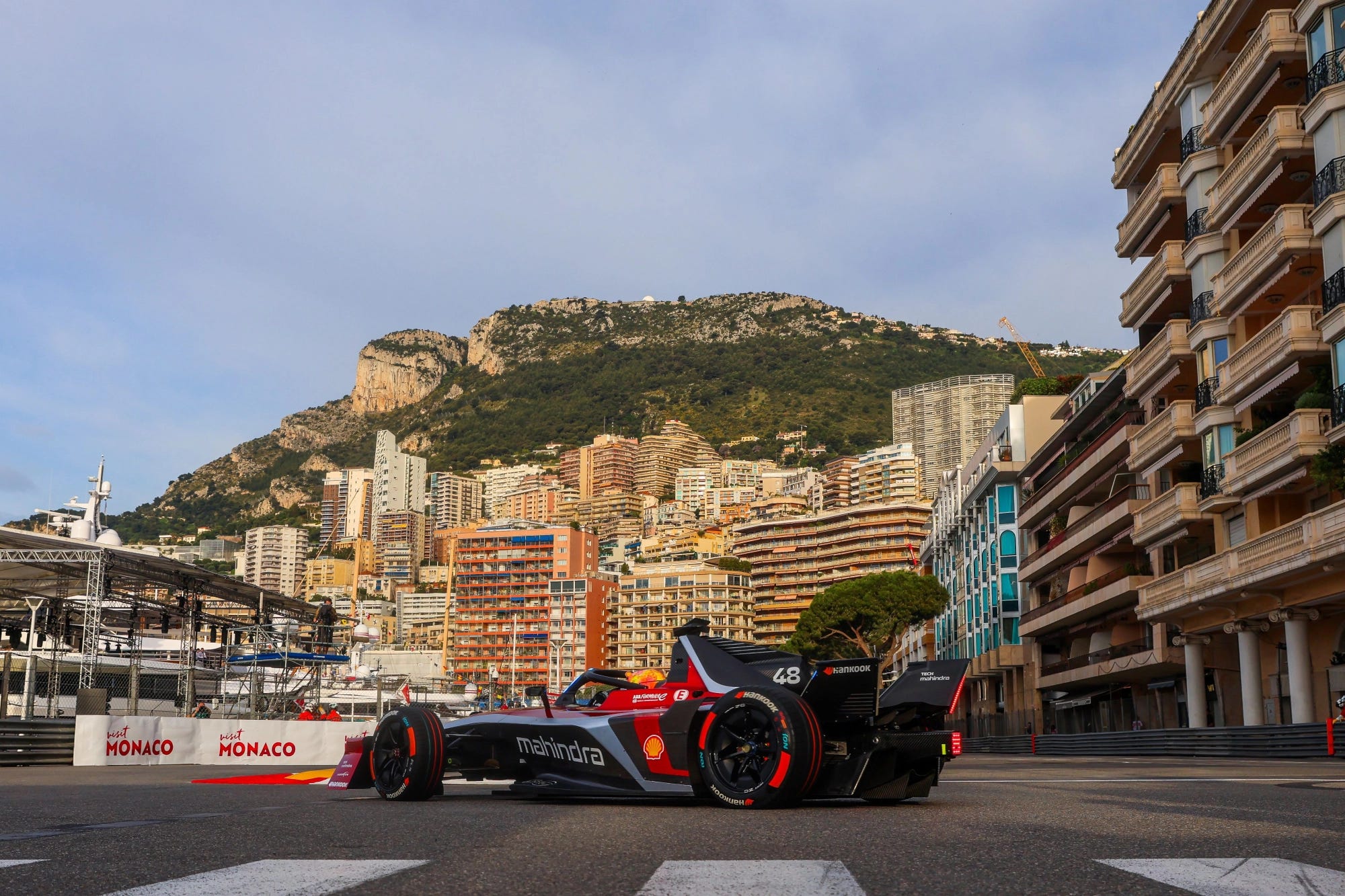
With the latest generation of electric cars, the “GEN4”, and 18 races on the programme this season, Formula E is entering a new era. As spectacular as ever from a sporting point of view, the Monaco E-Prix is also a popular event. After being held in 2015, 2017, 2019, 2021 and 2022, the Monaco E-Prix will become an annual fixture in the ABB Formula E World Championship following validation in June 2021 by the FIA’s World Motor Sport Council. Beyond the on-track action, there’s an immersive Fan Village, located on Quai Antoine 1er. Open to everyone, this interactive area features entertainment, simulators, live music and activities for all ages, creating a festive and welcoming atmosphere for visitors. https://acm.mc/en/epreuves/monaco-e-prix/
The Historic Grand Prix
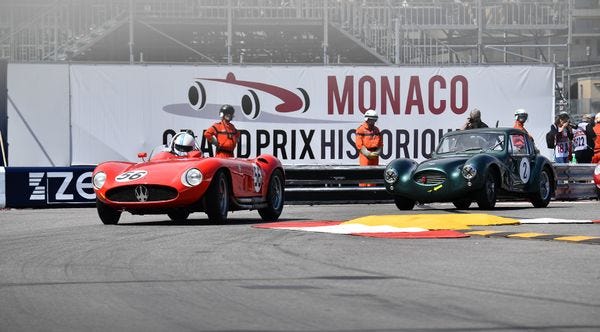
The Monaco Historic Grand Prix is a biennial event organised by the Automobile Club de Monaco, generally held a few weeks before the Formula 1 race. All participating cars are authentic collector’s items, ranging from pre-war models to vehicles from the 1980s, each having competed in international racing.
The 2026 edition held in April, the 15th running, featured 205 cars dating from 1925 to 1985 across eight race categories, including turbocharged 1980s Formula 1 single-seaters. Jean Alesi drove a 1969 Ferrari 312, and the weekend included dedicated Ferrari parades marking the 75th anniversary of the marque’s first Formula 1 victory.
The next edition will be 2028. It’s worth knowing that ticket prices are a fraction of the Formula 1 weekend, the crowds are manageable, and the cars are genuinely historic, not replicas. The smell of the engines alone justifies the trip and this is one high up on my list.
WRC Rally Monte-Carlo
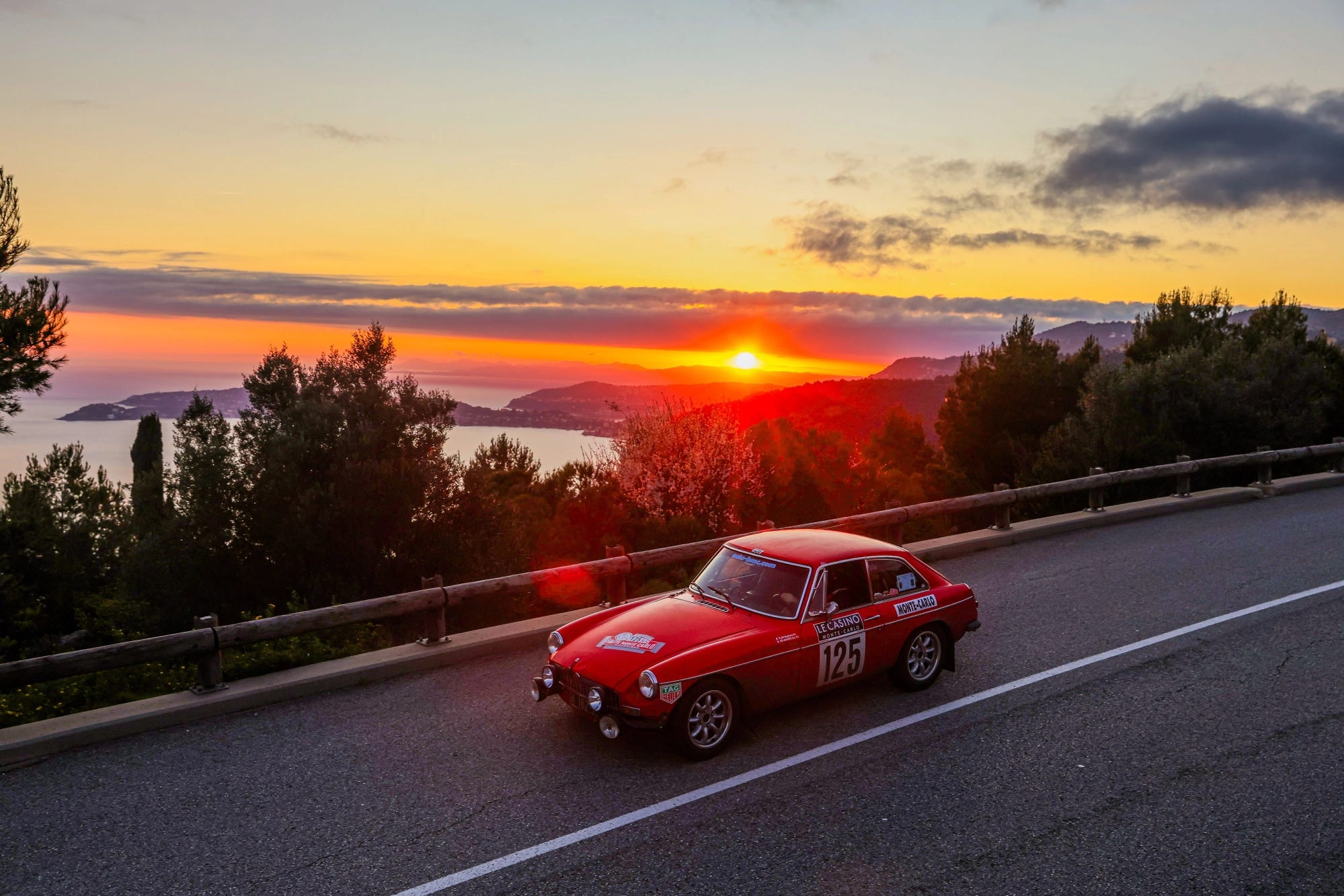
The opening round of the FIA World Rally Championship (WRC), the oldest of all motor rally competitions, is traditionally the WRC Rallye Monte-Carlo and usually takes place in late January. https://acm.mc/en/epreuves/rallye-automobile-monte-carlo/
Rallye Monte-Carlo Historique
Following in the footsteps of the premier rally comes the Rallye de Monte-Carlo Historique usually held after the World Rally Championship event. Classic vehicles compete on regularity stages and once again distinguish themselves by the diversity and authenticity of their route. https://acm.mc/en/epreuves/rallye-monte-carlo-historique/
Look the part
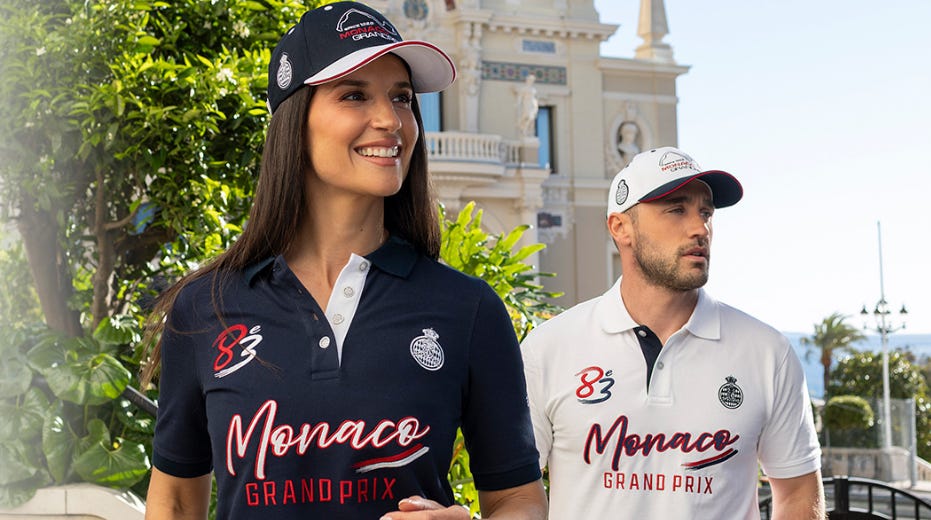
Avoid the generic, poorly-made knock offs. Visit the Automobile Club de Monaco boutique located near the Boulevard Albert 1er for the exclusive official store of the club that organises the races. The apparel is high quality and officially ACM branded and carries a range of stock from vintage posters to unique memorabilia with the prestigious club crest. https://boutiqueacm.com/en/
A practical note on timing
The Formula 1 weekend in Monaco is extraordinary and genuinely worth attending once. It is also among the most expensive weekends in European motorsport, with hotel rates that can multiply by a factor of ten or more, and a race that has historically produced limited overtaking. The circuit that makes Monaco compelling as a destination is the same circuit that makes Formula 1 difficult to race on.
We went in 2014, yes, 12 years ago, and to this day it remains the most expensive event I’ve ever attended in terms of ticket price, and I’ve since been to a FIFA World Cup. Our Sunday-only grandstand seats (a wooden plank with painted lines and number depicting seats 51 and 52) cost AUD $750 each back then. No seat backs, nothing but an iconic view which of course, became an unforgettable experience. It was one of the best days of my life.
Visiting outside race week means the streets are driveable, walkable, and navigable. The Prince’s collection is open. The Corniche roads are clear. And the circuit is exactly where it always is, running through the heart of the city.
Comments
Nothing yet. Say the first thing.
Sign in to join the conversation.