
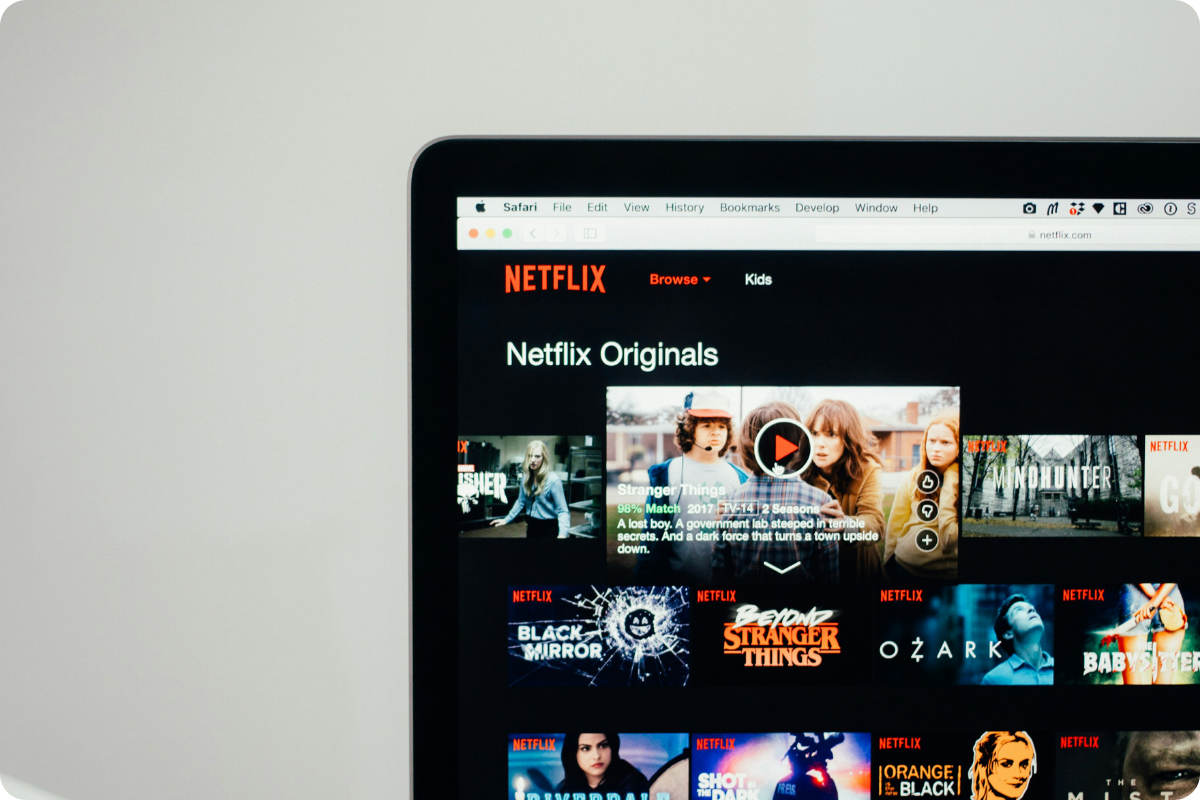
For years, owning equipment was considered the safe, responsible move. But business doesn’t look like it did 10 years ago, and neither does consumer behavior. Just like people stopped buying DVDs in favor of streaming, companies are beginning to rethink whether owning assets actually gives them a strategic edge.
Spoiler: it often doesn't.
Let’s break down how the Netflix mindset is influencing capital decisions across industries, why leasing is no longer just a workaround, and what finance leaders are doing to stay flexible without giving up control.
What made Netflix so disruptive wasn't just convenience. It was a shift in how people assign value.
Ownership used to mean control. It meant status. It meant certainty.
But Netflix taught consumers something new: value comes from access, not possession.
You don’t need to own the movie to enjoy it. You just need to access it when you need it.
You don’t need to build the library. You let someone else maintain and upgrade the inventory.
You don’t worry about obsolescence. The platform evolves automatically.
Now apply that to equipment.
Do you need to own that million-dollar asset? Or do you just need it fully operational, fully supported, and available on your terms?
Do you want to maintain, insure, and eventually offload it? Or would you rather outsource the headache and focus on your core business?
This is the Netflix mindset: shifting from asset accumulation to utility maximization.
It’s not about owning more. It’s about doing more with less capital locked up.
Owning equipment used to make sense. Assets were stable. Change was predictable. Depreciation followed a clear timeline. That’s no longer the case.
Today, industries evolve faster than most equipment lifecycles. Technology shifts, efficiency expectations rise, and regulatory pressure adds complexity. When you own, you're on the hook for maintenance, resale, and obsolescence, all while tying up working capital.
This is why more finance leaders are moving toward flexible financing models:
Liquidity Matters: Preserve capital for growth, R&D, and innovation.
Cash Flow Alignment: Match payments to revenue generation for cleaner forecasting.
Access Without Obsolescence: Refresh assets as business needs evolve.
This is not just a workaround. It’s a way to stay agile in a business environment that rewards speed and strategic use of capital.
Owning equipment still has its place. But if your business competes on speed and margins, it may be time to ask whether ownership is actually serving your strategy or slowing it down.
The Netflix mindset is already reshaping how we consume. Now it’s changing how we invest.
The question is: are you adapting with it?
No posts
Comments
Nothing yet. Say the first thing.
Sign in to join the conversation.