
Five on 5 is my favorite regular event on Substack. This month’s (optional) theme is especially delicious: classics-connected fiction, hosted by Deborah Linn McNemee. But of course, I’m going to have to expand that one to film and TV, too.
When I was a screenwriter I was hired for a lot of book adaptations, and examining a story through the lens of a different medium became a sort of addiction that I’ve never moved past. There is very little in life that I love more than to read a book and then experience it as a film, TV series, play — all of the above if available!
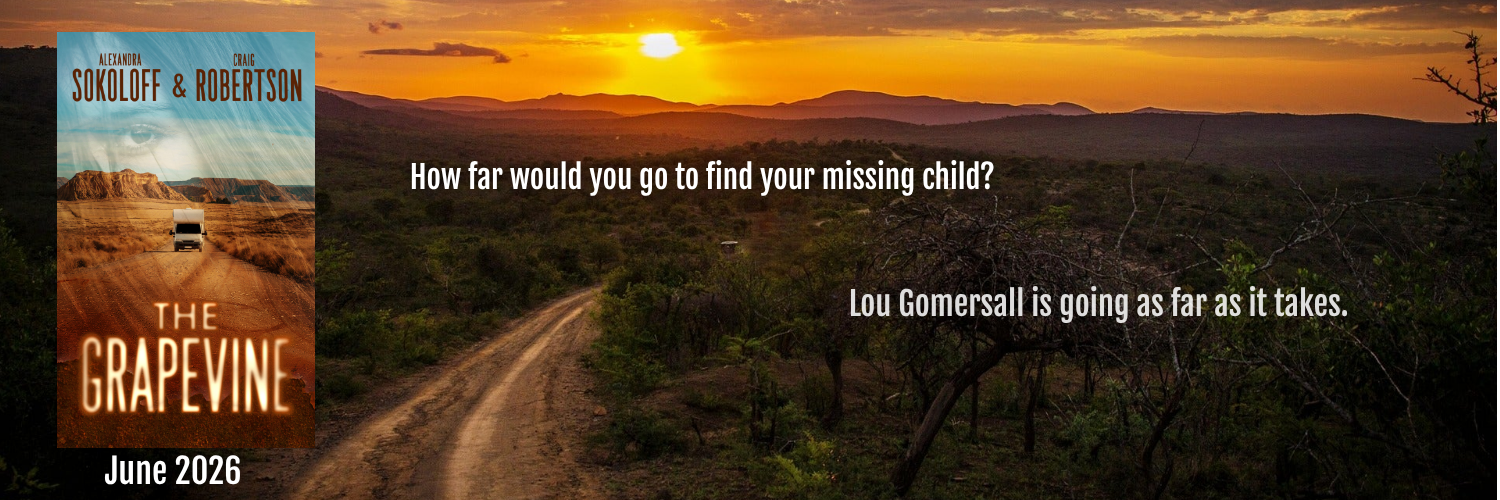
Now we’re having conversations with TV producers about our new road trip thriller The Grapevine — and as always it’s extraordinarily revealing to have professionals from that medium look at our book through a filmic lens, so to speak. It opens up the world of the book immediately and puts it into a multidimensional, cinematic universe that will inform all the books that come after.
Craig & I are lucky to have that opportunity — but ALL of us writers can make a regular practice of looking at a story across different media, and the expansion of our writing will be profound. It’s a wonderfully immersive thing for readers to do as well!
So I’m including film, TV and play adaptions of classic books today.
I thought it would be hard to limit myself to five choices, but as it turns out there are five obvious ones for me to concentrate on. (Okay, maybe a few more than five.) (Okay, I may have to do a follow up some time!)
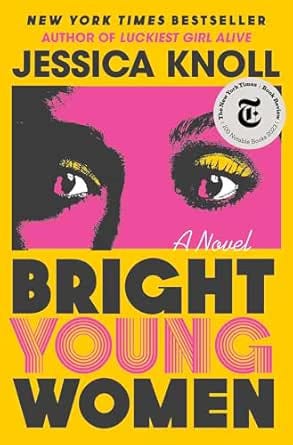
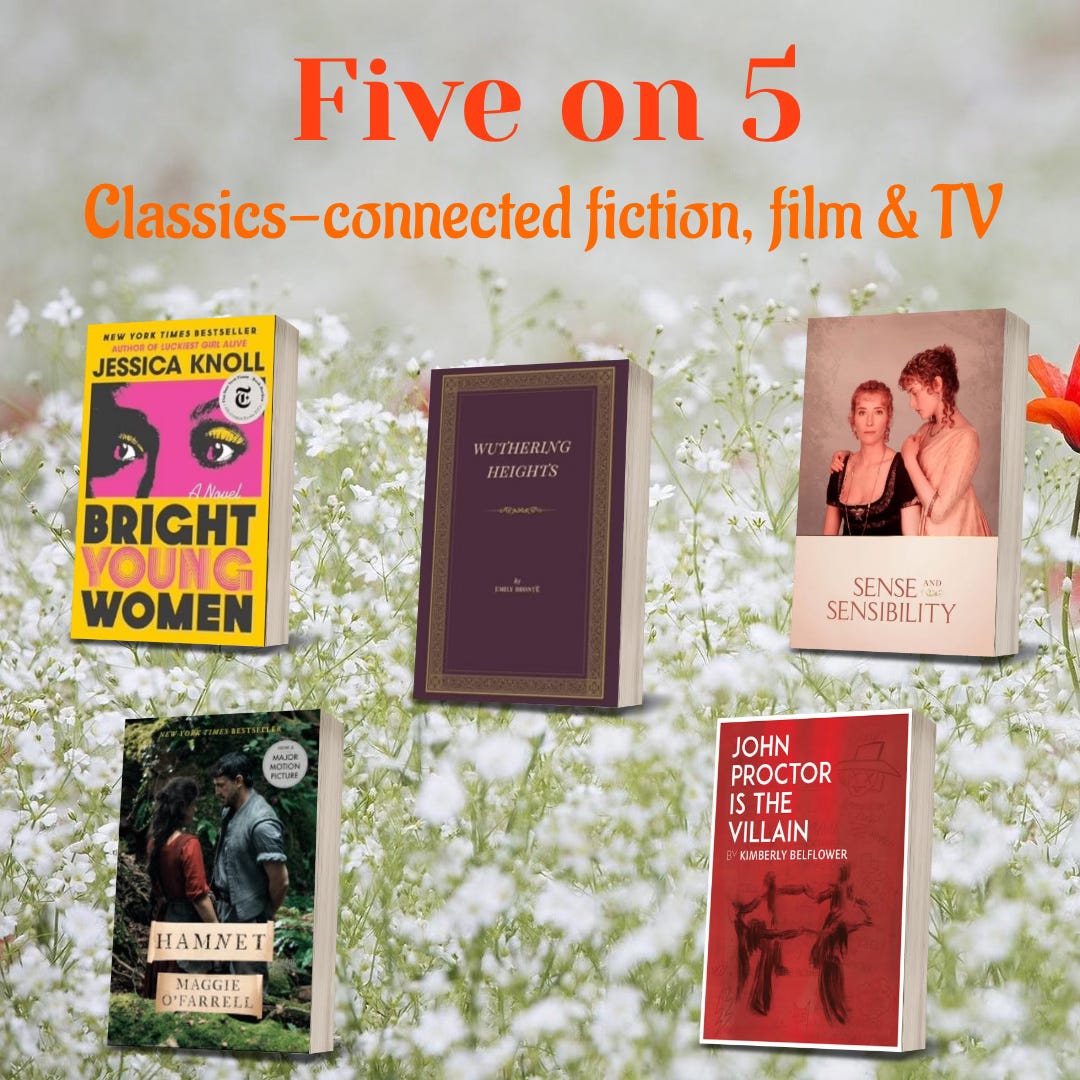
How is this classics-related? Because of how society has elevated some serial killers to mythic status. There is a whole freaking canon of true crime, film and television adaptations, fictional depictions, podcasts, etc. about the specific serial killer this book concerns. Author Jessica Knoll tells a story of the devastation left by this prolific, decidedly not brilliant psychopath we all know of. She refuses to use his name in the book and I will not name him either, because he doesn’t deserve naming. Instead, Knoll focuses on several survivors and victims and tells this story most of us are quite familiar with — from their empowered and intelligent points of view. The women take the story away from the predators (plural, because of course there is never just one).
I wrote the six books of my Huntress Moon series for this exact reason of wresting the narrative away from male predators and focusing on women who fight back and men who understand and aid the fight. My loathing for the popular trope of the “genius” or “artistic” pattern serial killer (completely fictional, patently ridiculous) knows no bounds.
So I am 100% there for it when women authors and filmmakers take hold of narratives that victimize us, and this book does it particularly masterfully.
I wouldn’t call it a thriller but it is crime fiction at its finest. It is what a crime novel should be.
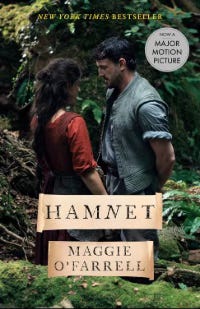
It’s hard for me to adequately convey my dislike for the book - because it exploits Shakespeare’s name and fame - without having any Shakespeare in it. O’Farrell is a fine writer, but this book is such a crassly commercial ploy I am disgusted with myself for having bought the thing. I would happily have paid for a book about a practical witch of Shakespeare’s time without the hollow pretense that she is married to Shakespeare. Even then, the second half of the book disintegrating into a repetitive, unending abyss of grief with no action would’ve prevented me from finishing it.
HOWEVER.
The film adaptation is far superior, because obviously someone — Sam Mendes, Chloe Zhao, Steven Spielberg, or all three of them in concert — sat the author down and said, “Look, sweetie, great book, love it, but you cannot have a book or a film called Hamnet with Shakespeare as a main character WITHOUT HAVING ANY SHAKESPEARE IN IT. So let’s get to work.”
Somebody there, and I bet it was all three of them, actually understood the assignment.
And somebody there also took the book’s dud of a climax and transformed it into one of the greatest visually thematic Setpieces I’ve ever seen on film.
That climax is far and away the best thing about the movie. I sobbed all the way through that scene, and I’m not a crier. The rest of the film, while worlds better than the book, isn’t exactly riveting. I would watch Jessie Buckley read the phone book, and of course she’s wonderful. Paul Mescal is really extraordinary. Still, even with that ending, I have a feeling there’s not enough to the rest of the movie for it to stand the test of time.
I’m a big fan of Emerald Ferrell and I finally got around to seeing this new movie of hers - by far her weakest work. I’m on the “this is not Wuthering Heights” side of the fence. If you are interested in this film you’ve probably heard most of what I can say about it - Margot Robbie is no teenager; Jacob Elordi is very white and very, very dull (surprisingly, because he’s usually a very good actor and much hotter); the sex is just embarrassing; the kids are by far the best thing about it.
Somebody said it’s a movie to have on while you’re scrolling through TikTok, which is about as brutally true as it gets.
HOWEVER.
Every version of Wuthering Heights does add in some way to the meta of the story, and this is no exception.
AND -
It did make me reread the book, which is quite an experience. I first read it so long ago that I wasn’t reading for structure, which now I can’t help myself doing, and I’m not sure I’ve ever seen such a stunning and precise example of the Three-Act (but really FOUR Act) Structure or such splendid, devastating Act Climaxes. Each one just goes on and on, one depravity after another. There are so many dimensions to this book - but discovering that structural precision floored me.
My Screenwriting Tricks for Authors post this week is about recognizing and writing Act Climaxes to elevate your writing —and if you’re a fan of Wuthering Heights it would be a fantastic example to look at. I don’t usually use books to illustrate Act Climaxes because far more people are familiar with movie examples. But I would make an exception and break down the climaxes of Wuthering Heights if there was enough interest! Or possibly this is wildly exciting only to me.
But I guarantee those climaxes are a big reason this novel has been adapted for film and TV upward of three dozen times. That is what you call intellectual property!
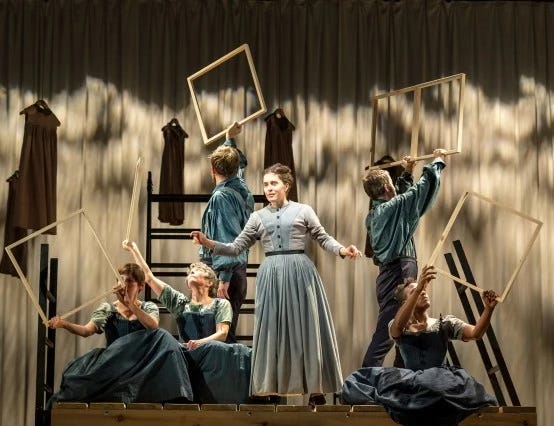
While we’re on the subject of the Brontës, I must mention that the National Theatre production of Jane Eyre, directed by Sally Cookson, is one of the best theatrical adaptations I’ve seen of anything, ever, and you can see the haunting televised version on their National Theatre at Home channel.
And here’s some more theater:
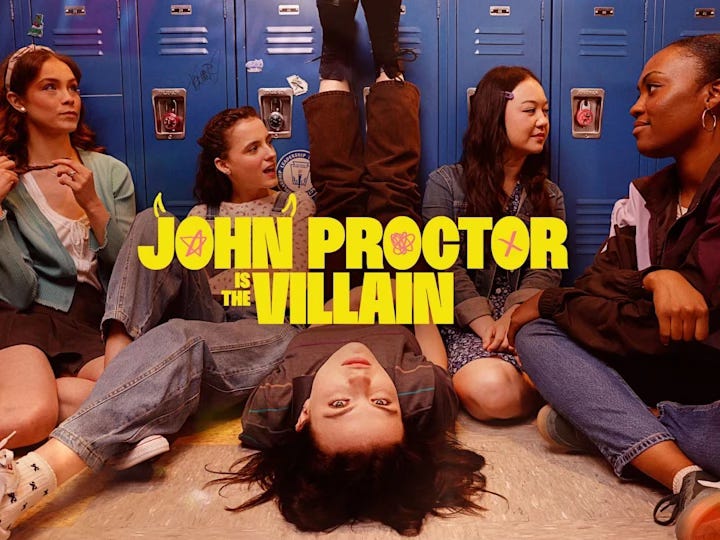
I missed the Broadway production, am impatiently waiting for it to come to London in Feb. 2027. But I love reading plays and this one is a cracker. Another one about women (the playwright, Kimberly Belflower) and teenage girls (the characters) taking the narrative back from the men!
A group of teenagers in a small Southern town are assigned The Crucible for English Lit and find life imitating and then transcending art. Of course John Proctor is the villain! It’s a brilliant premise and an electrifying play.
You can watch the uniquely powerful final scene on YouTube - but I really recommend reading it first - you can get the play script on Scribd with a free trial subscription.
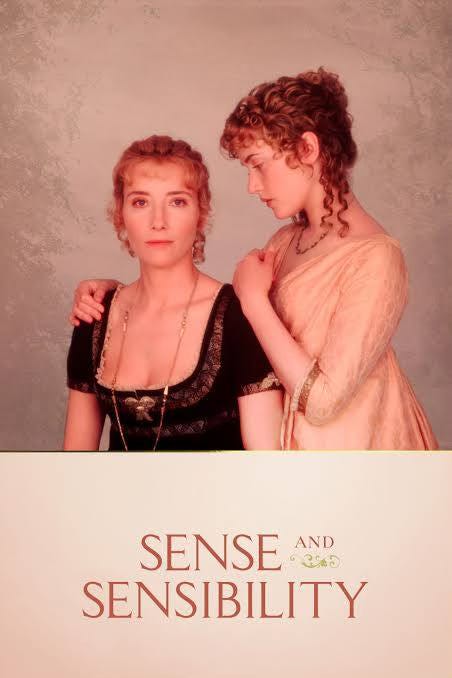
The Emma Thompson-written, Ang Lee-directed film adaptation is my favorite of all the Austen adaptations and that’s saying a lot. It’s also a superb teaching film that I often use in my workshops, so I had to include a story breakdown for my Screenwriting Tricks for Authors subscribers - which Bookstackers might also find interesting for all kinds of reasons.
I recently read Pride and Prejudice and Sense and Sensibility back-to-back in the same week and it really was remarkable to see the stylistic leap of P & P, just a few years after S & S. I feel Emma Thompson’s screenplay liberated the text and action of the book in much the same way Austen would’ve herself - if she’d written S & S after the narrative advances she’d made with P & P.
I always love to hear - what’s your favorite film or TV adaptation of Austen?
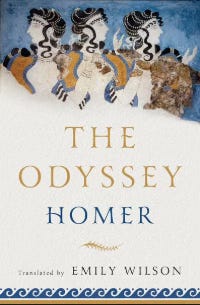
Finally, this is one I fully intended to reread for this month’s Five on 5, but our own Odyssey (The Grapevine RV book tour) has sucked up all my attention and energy for the last few weeks! I will read it, though, not just because of Christopher Nolan’s film coming out soon but also because it’s the perfect chance to read the 2017 translation by Emily Wilson. Dr Wilson was the first woman to translate The Odyssey into English - and she found that many men before her had added their own sexist terms and whitewashed the misogyny of the domestic structure of the book. Knock me over with a feather…
So Wilson - right! - took back the narrative.
Will be reading soon.
Can’t wait to read all the other Five on 5s! What were your favorite reads of the month?
—Alex
I’ve turned on paid subscriptions because apparently it helps with the algorithm, but please subscribe for free, and buy one of my books if you’d like to support my cats. I mean my writing. Most of my books are also free on Kindle Unlimited!
Newsletters are emailed monthly-ish; I post online more often. Newsletter subscribers are automatically entered in a monthly drawing for free books, gift cards and other prizes.
The Grapevine is now out in hardcover, e book, and Audible: more audiobook versions to come in September, and paperback soon!
No posts
Comments
Nothing yet. Say the first thing.
Sign in to join the conversation.