
1. Bring politics into the workplace
with badges, keffiyehs and posters for your noticeboard and a socialist paper, if you can. Sometimes wearing badges will feel as if it’s going unnoticed, but even if you don’t strike up conversation immediately, you’re signalling that it’s worthwhile to bring politics into work which can give confidence to others. Showing your colours can often strike up conversations you wouldn’t expect.
At an energy retailer a union delegate wore a keffiyeh into work and struck up political conversations with a whole layer of sympathetic workers who they hadn’t spoken to before. From workers who were born in Palestine who let the delegate know that “you’re wearing my culture” which then turned into a shop-floor conversation with more than half a dozen workmates about Israeli apartheid and occupation. To workers who have immigrated from Southern India who began to see the union and the delegate as “the real deal just like the PLO.”
By showing up with politics, connections were made despite the best efforts of the bosses to keep workers atomised. Because the rank-and-file union activists were taken more seriously suggestions to come to the Sunday rallies and to agitate around bread-and-butter issues would get a proper hearing

.
Thanks for reading What is to Be Done?! Subscribe for free to receive new posts and support our work.
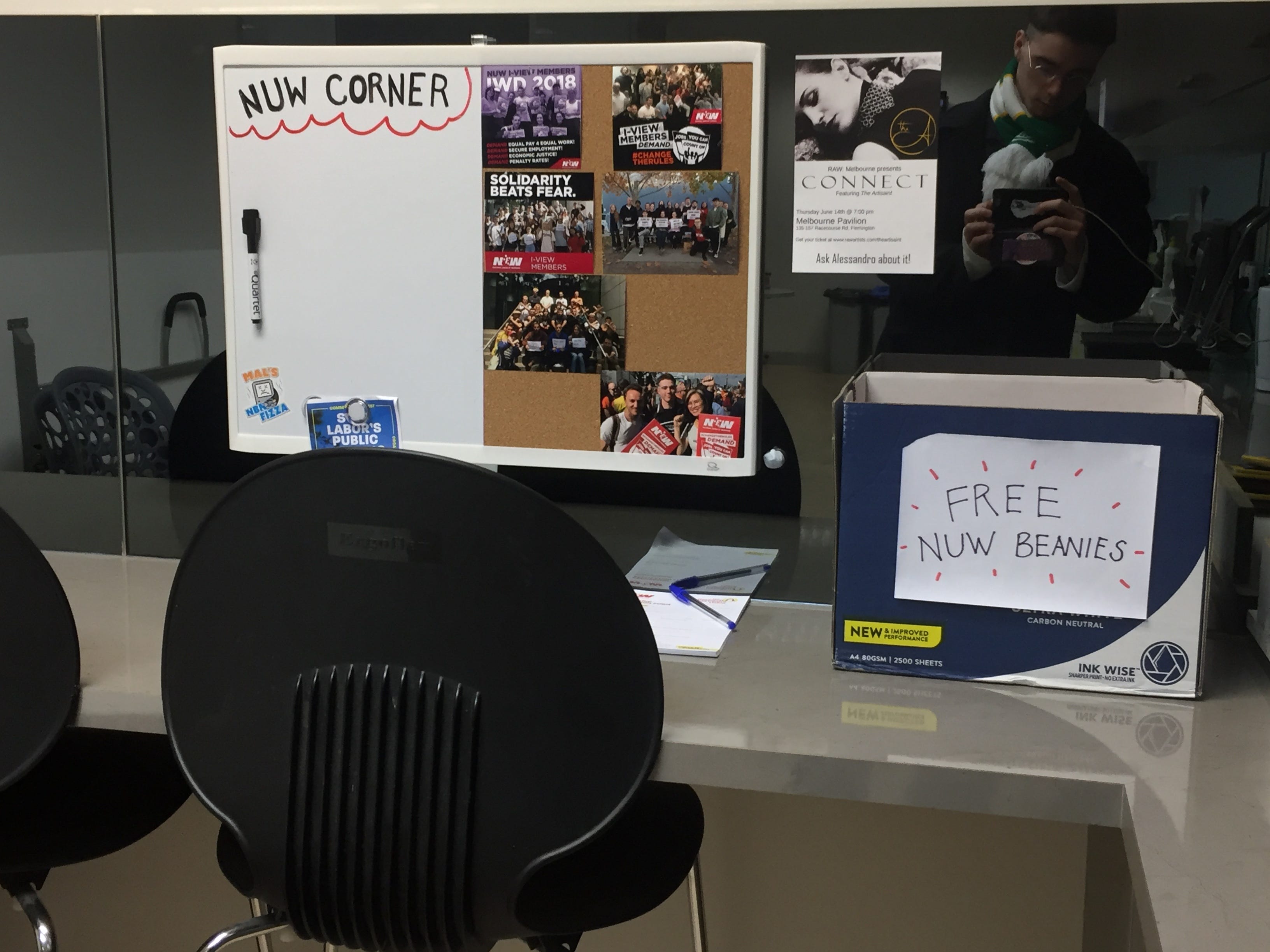
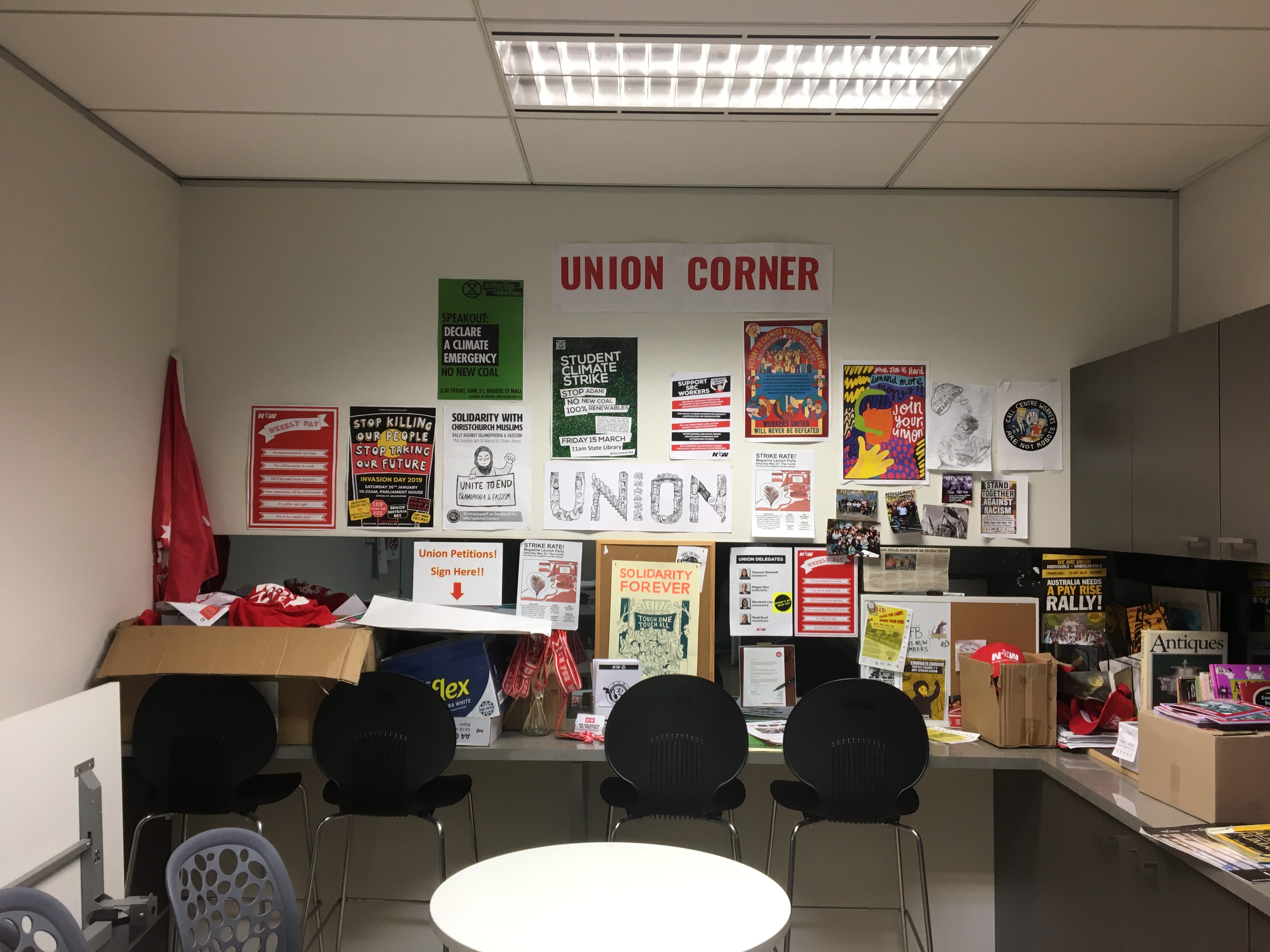
2. Get material on your union noticeboard.
Union noticeboards are an essential way to establish a union presence on the shop floor. If you’re a delegate and there’s one at work, don’t be afraid to utilise it! It’s essential to keep people up to date with what’s going on with the union at work and a perfect place to establish some left-wing political messaging, if you can. if you don’t have one, agitate for one!
3. Know your EBA, MEA or Award.
Knowing your workplace agreement is essential for organising at work. Some EBA’s may have clauses about political discrimination, and or define what you can put up on the noticeboard for example. Knowing it like the back of your hand can arm you to work out what you can push for and what you can push against.
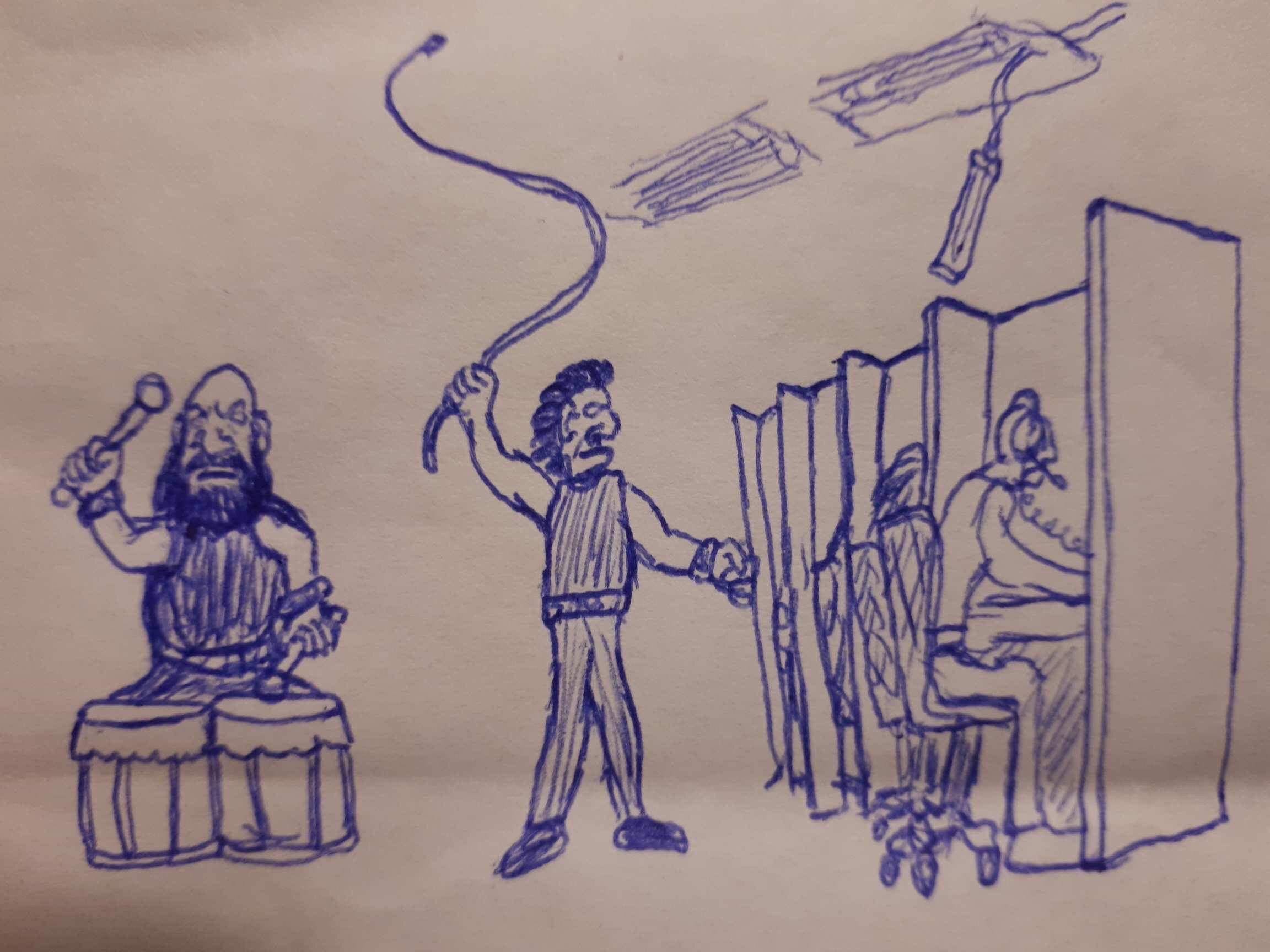
4. From little things big things grow.
Any grievance at work can be turned into a collective issue and hopefully a collective win. These small wins build the structure of the union at work and give people a sense of their collective power. Even if it’s not immediately about urgent issues such as Palestine. People getting a sense of confidence about their ability to change things is exactly what’s needed. This involves speaking to workmates, giving them a sense of ownership of their place of work, their union and being confident to speak up. Remember no action is too small! Sometimes it can feel like our small acts don’t make a difference, but they do! It can be as subvert and simple as bringing in watermelon to tea and lunch, picking up a pay discrepancy in your pay-cheque — or as bolshie as walking in with a Keffiyeh on, badges to hand out and posters to put up on noticeboards. All these small actions are links in the chain as a part of the process of building our side in the workplace.
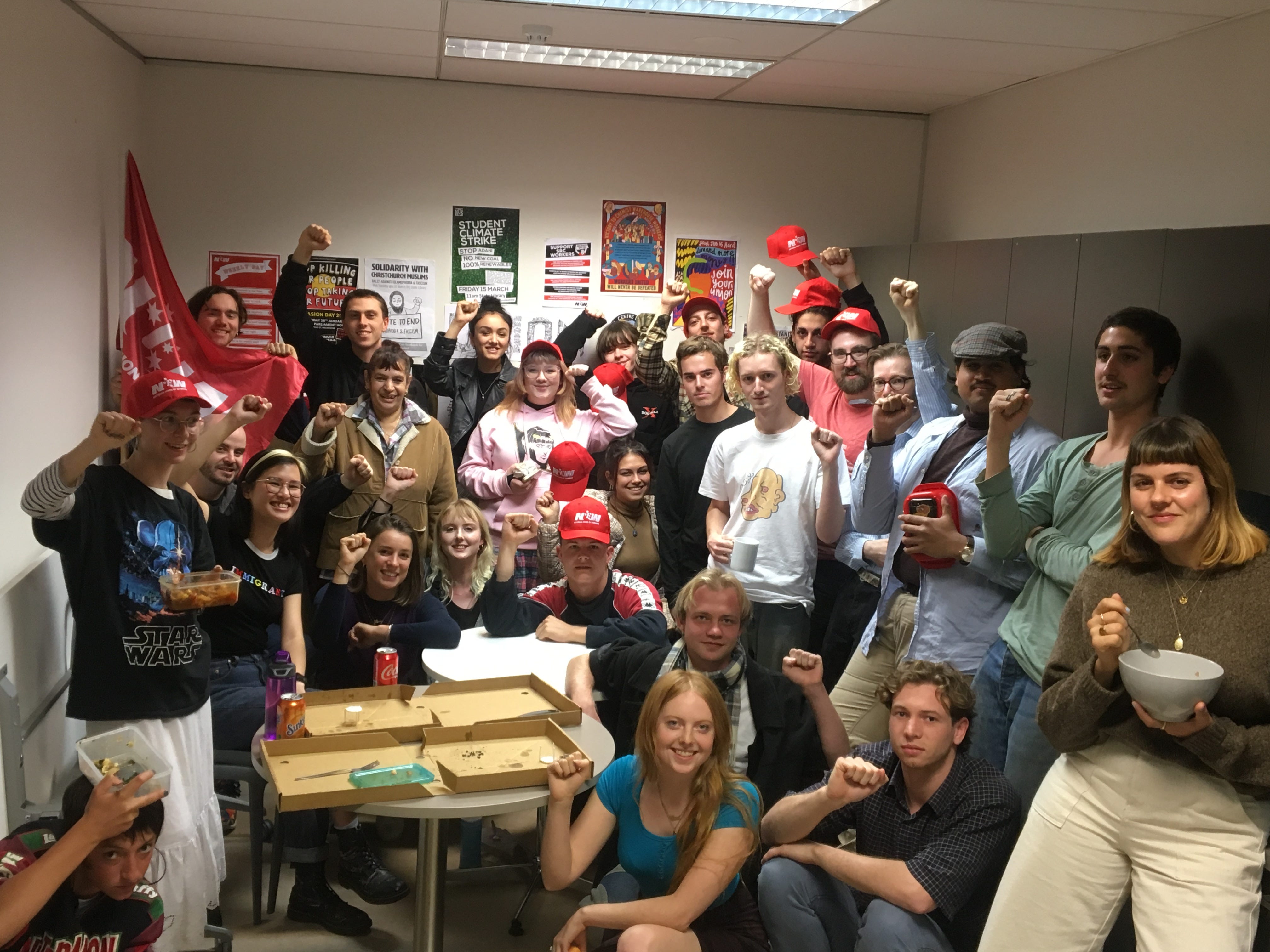
5. Organise union meetings and solidarity photos.
If your workplace hasn’t had a union meeting before it can be a daunting task to start. Sometimes it can be as simple as starting a group chat with a handful of your sympathetic workmates and going from there. Once union meetings are established don’t be afraid to politicise them. If your union’s passed a motion re Palestine for example, mention it! It’s an easy in to talking about the issue. If they haven’t, reference the bountiful traditions of international solidarity within the union movement — it is, and should be normal for us to bring politics into our union spaces — sometimes it just takes a conscious agitator to normalise it. Once that’s established, if your workmates are up for it and confident enough to participate — try a solidarity photo! It’s a great exercise as workers to come together for a collective purpose and helps build organisational strength at work. It normalises politics and can give people a sense that what they’re apart of is important. Additionally, it also has the potential to send a political message to the movement you’re a part of and to the union movement more generally.
So, in short, talk to your workmates, utilise the law where and when you can, do what you can to establish a union presence, build up your organisational strength, and whatever you do — don’t stop bringing socialist politics into work!
Thanks for reading What is to Be Done?! Subscribe for free to receive new posts and support our work.
Comments
Nothing yet. Say the first thing.
Sign in to join the conversation.