
For a long while, the upper class has waged a war of attrition against the lower caste or the “Dalits” in India. A war sustained via prolonged oppression, denial of justice, organized crime orchestrated by leaders, the police and actualized by violent mobs.
This historic process within so called independent India, reveals a duality — the world’s oldest surviving “Apartheid State” versus the indestructible spirit of the working class and Dalits. To resist and to empower themselves with revolutionary consciousness and recapture the narrative — not using just guns and bombs, strikes and boycotts, but also revolutionary songs, poetry, assembly and call-to-action. The words and sounds that actualize as “collective power”.
The story here, is about one such revolutionary farmer called Sardar Bant Singh, who believed that “I have my voice and they can’t stop my songs”. The upper-caste Sikhs (Jat Sikhs) had chopped off both his hands and one leg, they had raped his daughter, confiscated his land and set his house on fire. The set of tragedies following severe hardship, albeit failed to destroy his revolutionary spirit, only to empower the Dalit Sikh community of Punjab, able to achieve justice and solidarity, cutting across religion, class and previous language barriers.
Word, Sound And Power is an outcome of an interdisciplinary collaboration, between Sardar Bant Singh, the dissident poet and rapper Delhi Sultanate, ethno-musicologist and music producer Chris McGuinness (New York, India) and myself. Funded by the Goethe Institut in New Delhi, the footage was shot by Lakshman Anand (independent filmmaker), translated by Simar Puneet (senior editor, Aleph Books) and edited by Loco Farms.
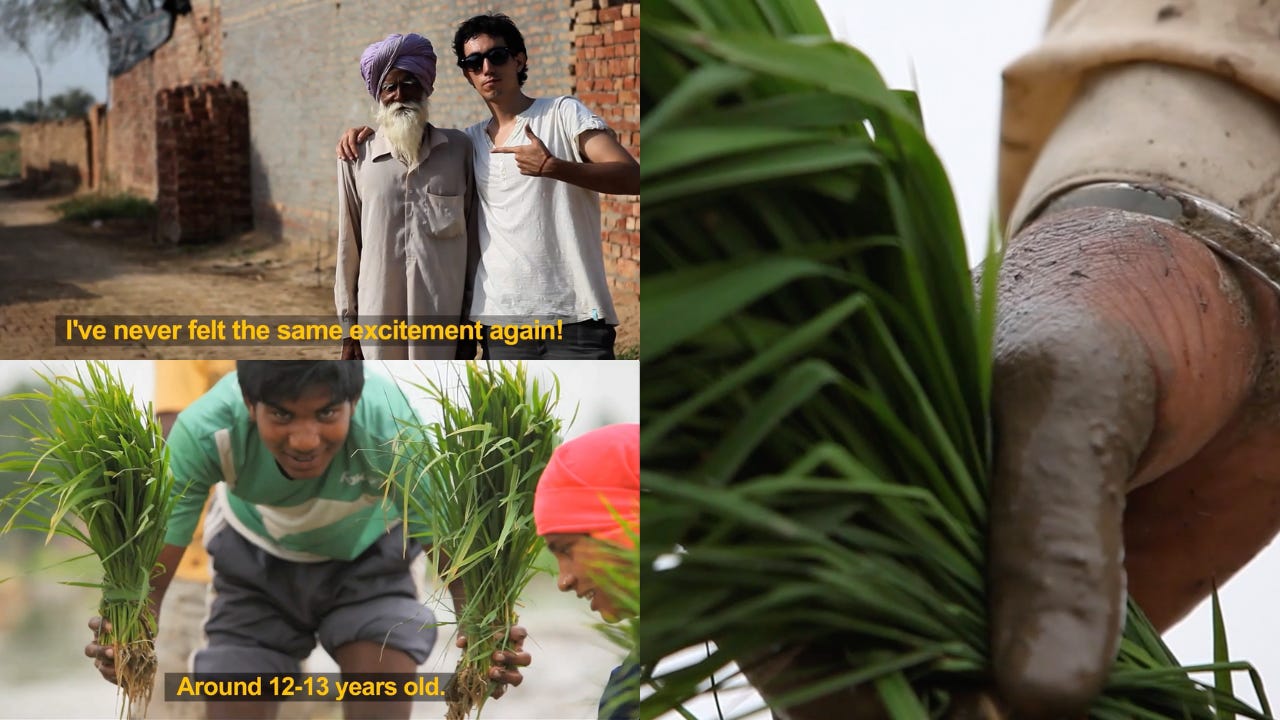
The idea simply came from a need, to find a “common stage between the rural and the urban, whereby the contemporary voices of resistance and emerging poetry, in Punjabi and English could merge as one… a stage that is inclusive and cuts across the class barrier”. From the myriad narratives that we captured over four days in Bant Singh’s native village, Jabbar (Mansa, southern Punjab) emerged a short film, four songs, followed by various screenings in India and outside. Sardar Bant Singh’s crew, his wife, daughters, sons and the rural milieu of Jabbar, actively participated in the making of a meta-narrative. One that reveals revolutionary consciousness, achieved by the most disenfranchised and even the illiterate. The film also features hitting rhymes by Delhi Sultanate. “Shotgun Pumps”, “Rooster Calls” and chunky beats by Chris McGuinness. To say the least, via Word, Sound And Power, Sardar Bant Singh’s message and voice reached an entirely new audience in India, as well as Sikh communities, journalists, writers and media based in countries like the U.S. Canada, U.K. and Australia.
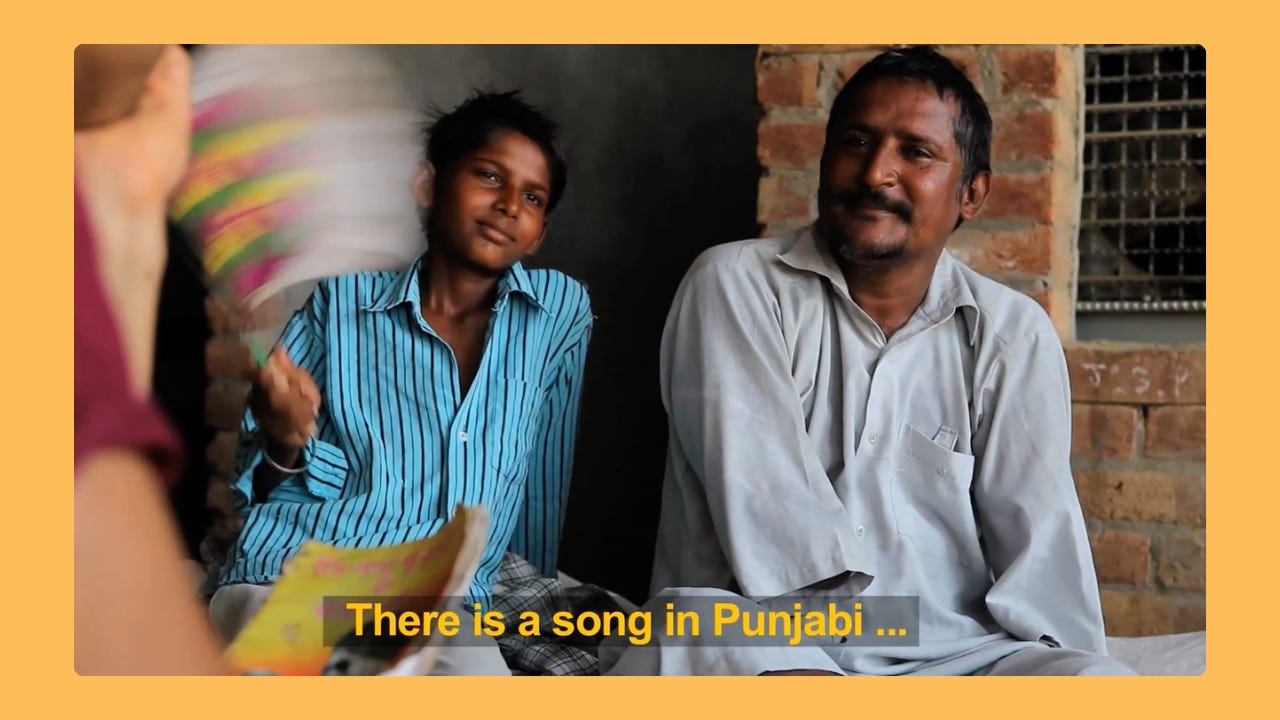
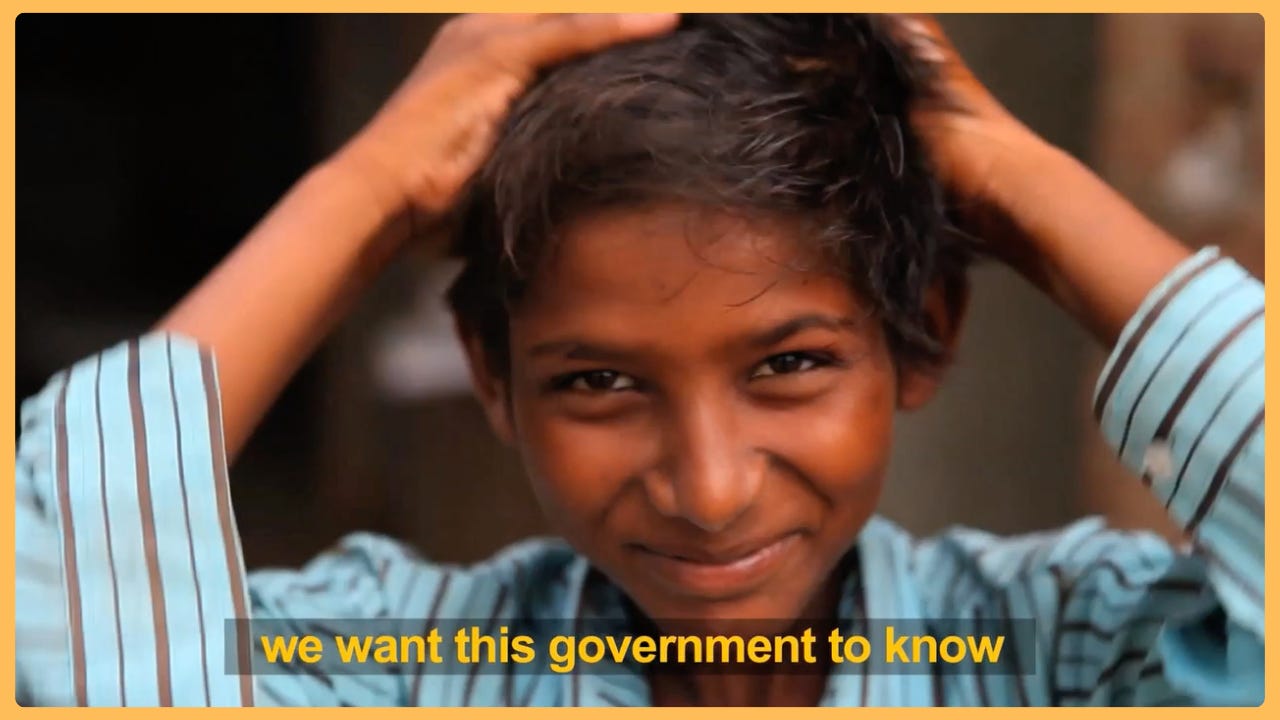
“How I found my strength” (Bant Singh). “Modern day Indians behave like slaves again” (Delhi Sultanate). “I want to grow up and be a revolutionary warrior like Sardar Bant” (Roshan Singh, teenager from Jabbar). “These are words and sounds to prepare for a battle, and not some song n dance” (Mansa resident).
Watch ▶️ Word, Sound And Power (11:46)
Word, Sound And Power. Published 2010. Produced by Samrat B. Funded by The Goethe Institut (New Delhi). Film, Music, Images — Open-license, Creative Commons 2012. Download music of Word, Sound And Power.
🎬▶️✊🏽🎵🚩⚡
In case you wish to pledge support with a paid subscription 😌 CLICK HERE
(yes it helps a lot )
Comments
Nothing yet. Say the first thing.
Sign in to join the conversation.