
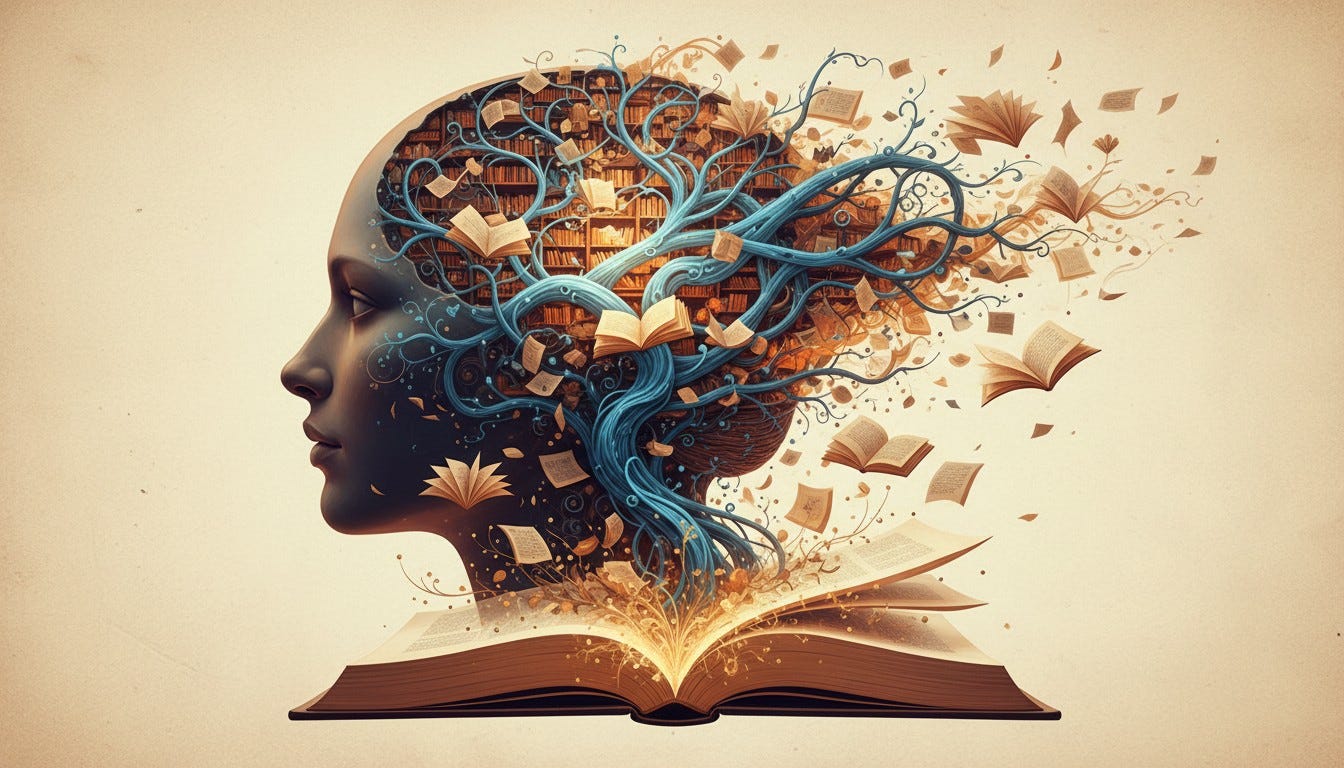
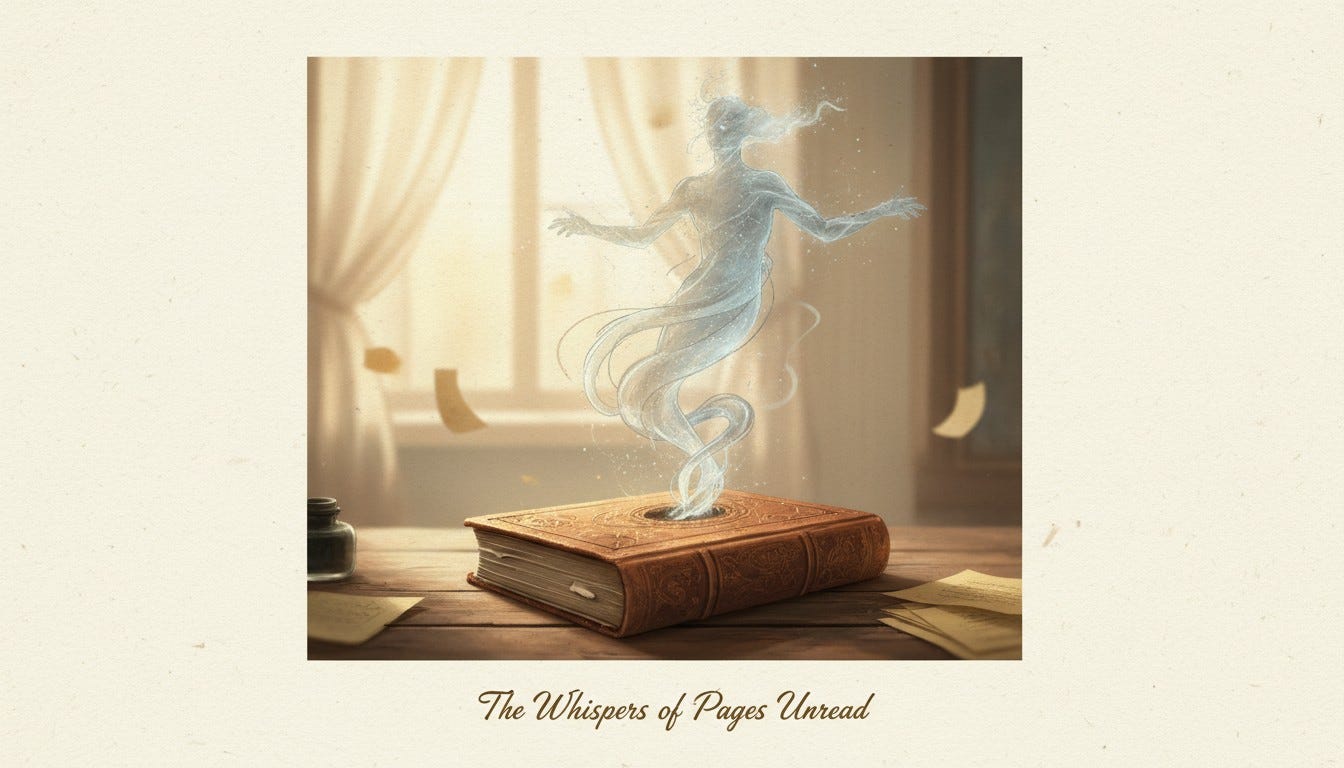
There is a specific, heavy silence that descends immediately after finishing a significant book. It is a moment of disorientation where the actual world feels less substantial than the one just vacated. For decades, literary critics described this merely as a ‘book hangover’ or a sentimental attachment to character, but modern neuroscience and cognitive psychology have begun to map this territory with startling precision. We now know that reading is not a passive act of consumption but an active rewriting of the self. When we read, we are not merely decoding symbols; we are simulating reality, firing the same neurons that would activate if we were physically performing the actions described on the page. The following three texts offer the most profound insights into this phenomenon, dissecting the architecture of the reading brain and explaining why, long after the cover is closed, the story continues to rewrite our internal biology.
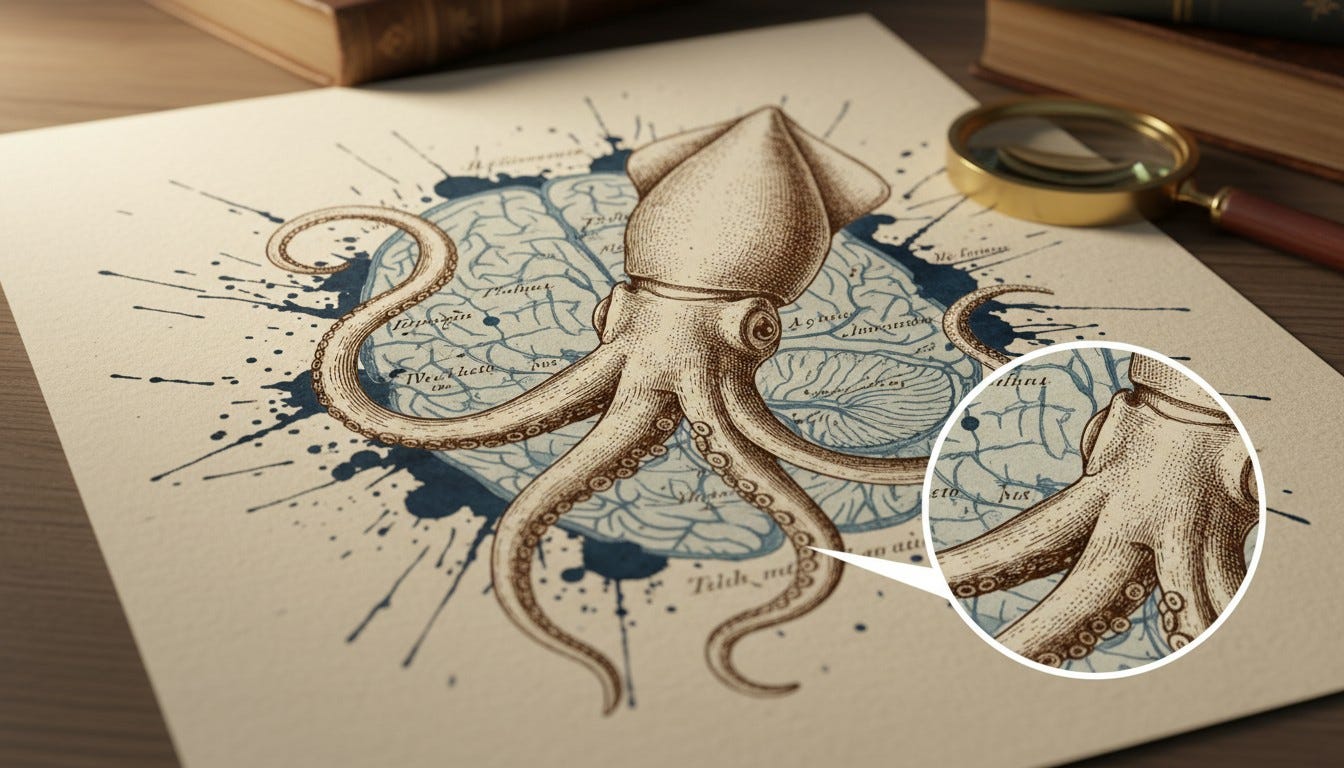
Proust and the Squid by Maryanne Wolf
Maryanne Wolf’s investigation into the reading brain is perhaps the most essential text for understanding the structural changes that occur during literacy. Wolf, a cognitive neuroscientist, operates from a startling premise: human beings were never born to read. Unlike speech, which is innate, reading is a cultural invention that requires the brain to repurpose ancestral circuits originally designed for pattern recognition and object identification. Wolf analyzes the ‘deep reading’ state - a meditative, immersive focus that is becoming increasingly rare in our digital ecosystem. When we finish a book like ‘Proust and the Squid’, we understand that the lingering feeling of the text is actually a physical residue. The brain has forged new pathways. Wolf’s prose is accessible yet uncompromisingly scientific, bridging the gap between the poetic appreciation of Proust and the hard biology of the parietal lobe. It belongs in a modern library not just as a study of linguistics, but as a defense of the slow, linear thought process that complex literature demands.
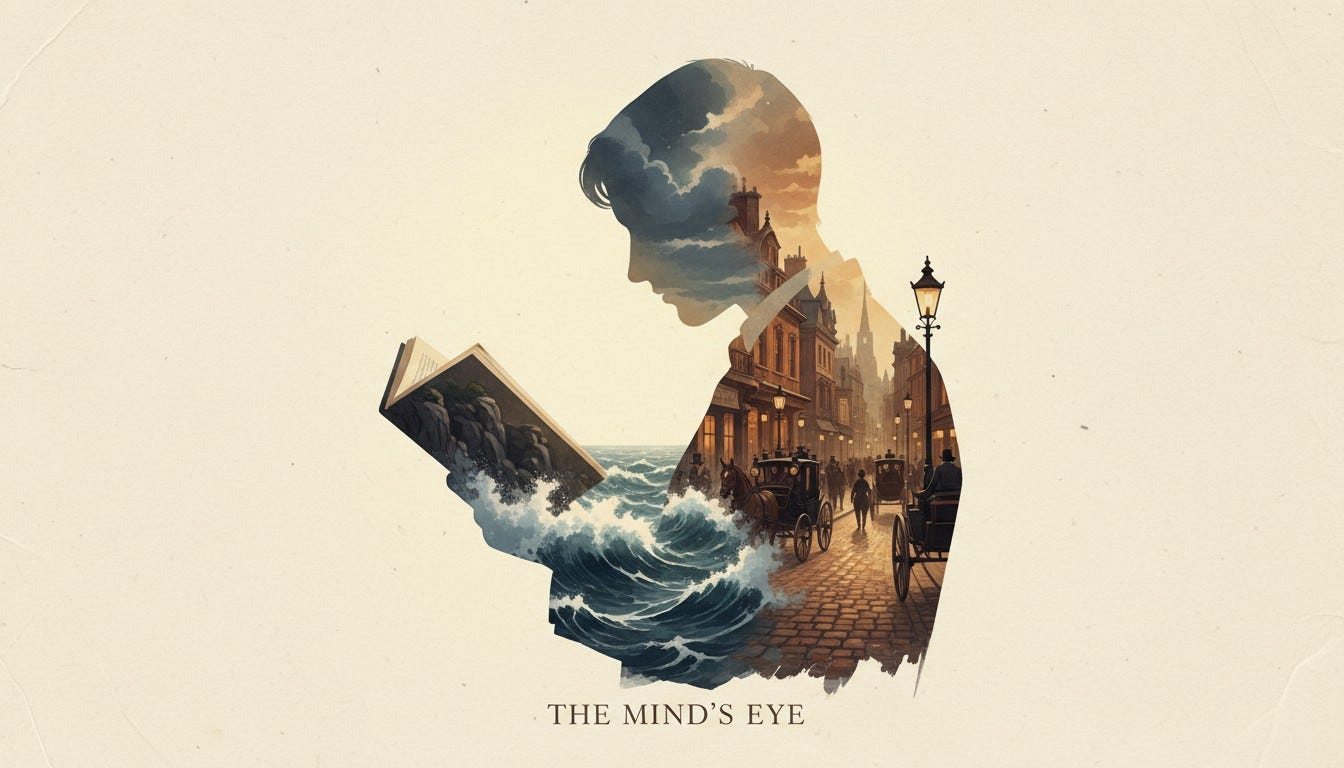
Such Stuff as Dreams: The Psychology of Fiction by Keith Oatley
If Wolf handles the hardware of the brain, Keith Oatley addresses the software of empathy. In ‘Such Stuff as Dreams’, Oatley proposes the ‘simulation theory’ of fiction. He argues that novels are not mere entertainment but sophisticated flight simulators for human social life. When we read about Anna Karenina’s despair or Gatsby’s longing, we are not simply observing these emotions; we are rehearsing them. The haunting sensation felt after finishing a tragic novel is the result of the brain having run a full emotional simulation without the real-world consequences. Oatley’s writing is gentle and deeply humanistic, treating the act of reading as a vital psychological nutrient rather than a leisure activity. For the serious reader, this book explains why fictional characters often feel more real than our neighbors - we have, in a neurological sense, lived inside their skins. It is a vital addition to any collection for its ability to articulate the invisible emotional labor of reading.
A History of Reading by Alberto Manguel
Where science ends, history and philosophy must take over to explain the soul of the reader. Alberto Manguel’s magnum opus is a love letter to the act itself. He explores the relationship between the reader and the text, moving from the clay tablets of Sumer to the silent reading revolution of the Middle Ages. Manguel captures the intimate, almost possessive relationship we form with books. The ‘aftermath’ of a book, in Manguel’s view, is memory. The text becomes part of our autobiography. His prose is elegant, wandering, and rich with anecdote - a perfect mirror to the meandering joy of browsing a library. This book is essential because it contextualizes the solitary reader within a grand, millennia-long tradition. It reminds us that the change we feel after finishing a book is the result of a conversation across time, a communion with the dead that leaves the living permanently altered.
Final Reflections
The science is clear, but the experience remains ineffable. When we close a book, the silence that follows is not empty; it is pregnant with the echoes of the narrative we have just inhabited. These three authors - Wolf, Oatley, and Manguel - provide the map for this terrain, proving that reading is far more than a pastime. It is an act of self-creation. The neural pathways forged by the struggle of a protagonist become our own pathways; their empathy becomes our capacity to love. To read is to surrender one’s own timeline for a few hours, only to return to it with a mind that has been stretched, rewired, and irrevocably deepened.
Comments
Nothing yet. Say the first thing.
Sign in to join the conversation.