Your latest update from The Transmitter, an essential resource for the neuroscience community, dedicated to helping scientists at all career stages stay current and build connections. Read more: https://www.thetransmitter.org/
The ability to record from large populations of neurons has triggered the development of myriad methods for comparing them. But we’re still grappling with how to convert measures of likeness into a better mechanistic understanding.
In a 2007 Science paper, Mark Mayford and his colleagues found that some neurons activated during learning are also recruited during memory retrieval. Noelia Weisstaub shares how this study and others drove an era of great progress in tool development.
Neuroscience in Chile, and across Latin America, does not lack talent or ideas, but the systems that make science visible—prestigious journals, conferences and networks—increasingly price its researchers out.
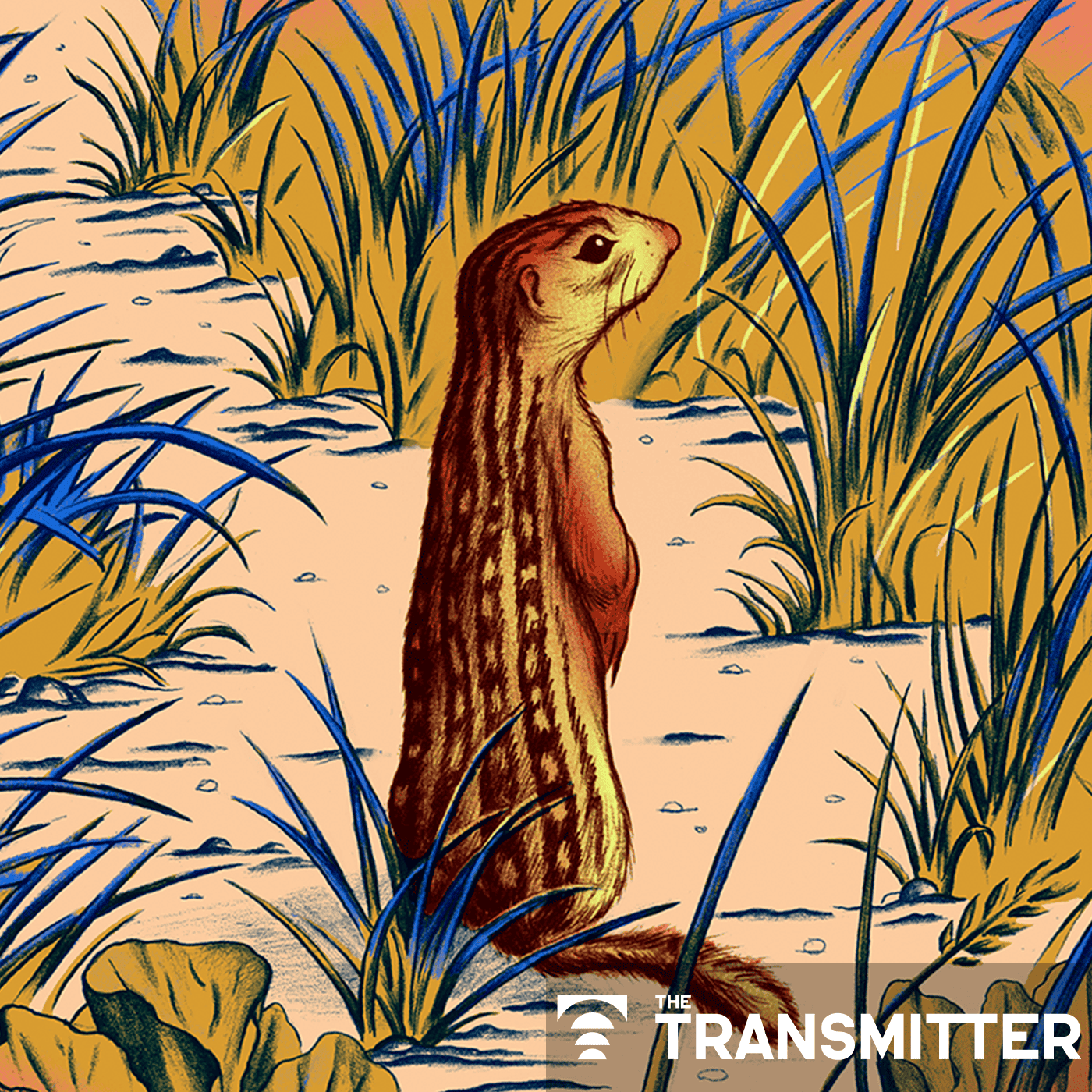
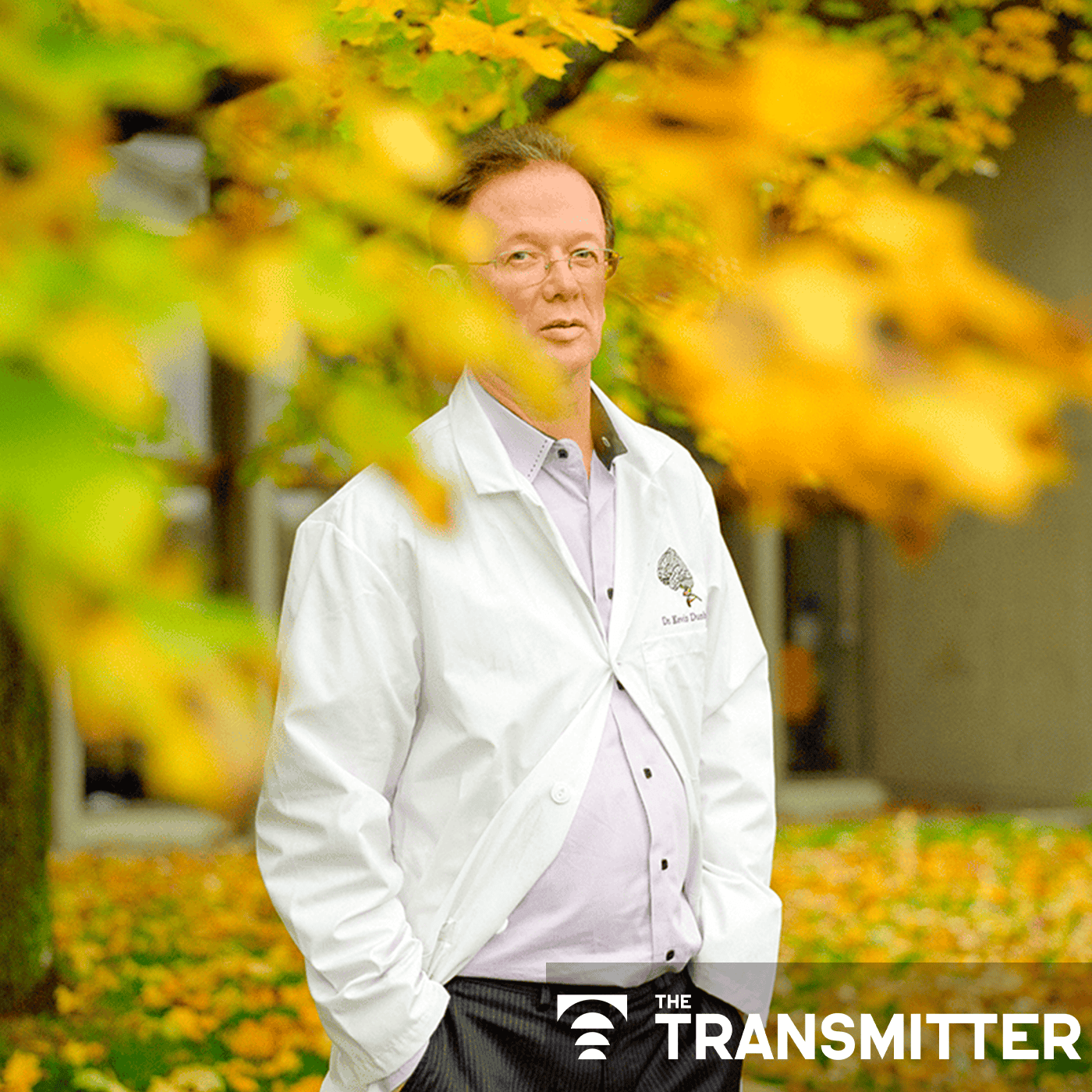
In most mammalian retinas, rods outnumber cones. But that ratio is flipped in ground squirrels, a quirk that helps Seth Blackshaw explore how retinal cells develop their identities.
Shifting the focus of equity initiatives from identity categories to structural barriers can reveal overlooked challenges and increase support and participation worldwide.
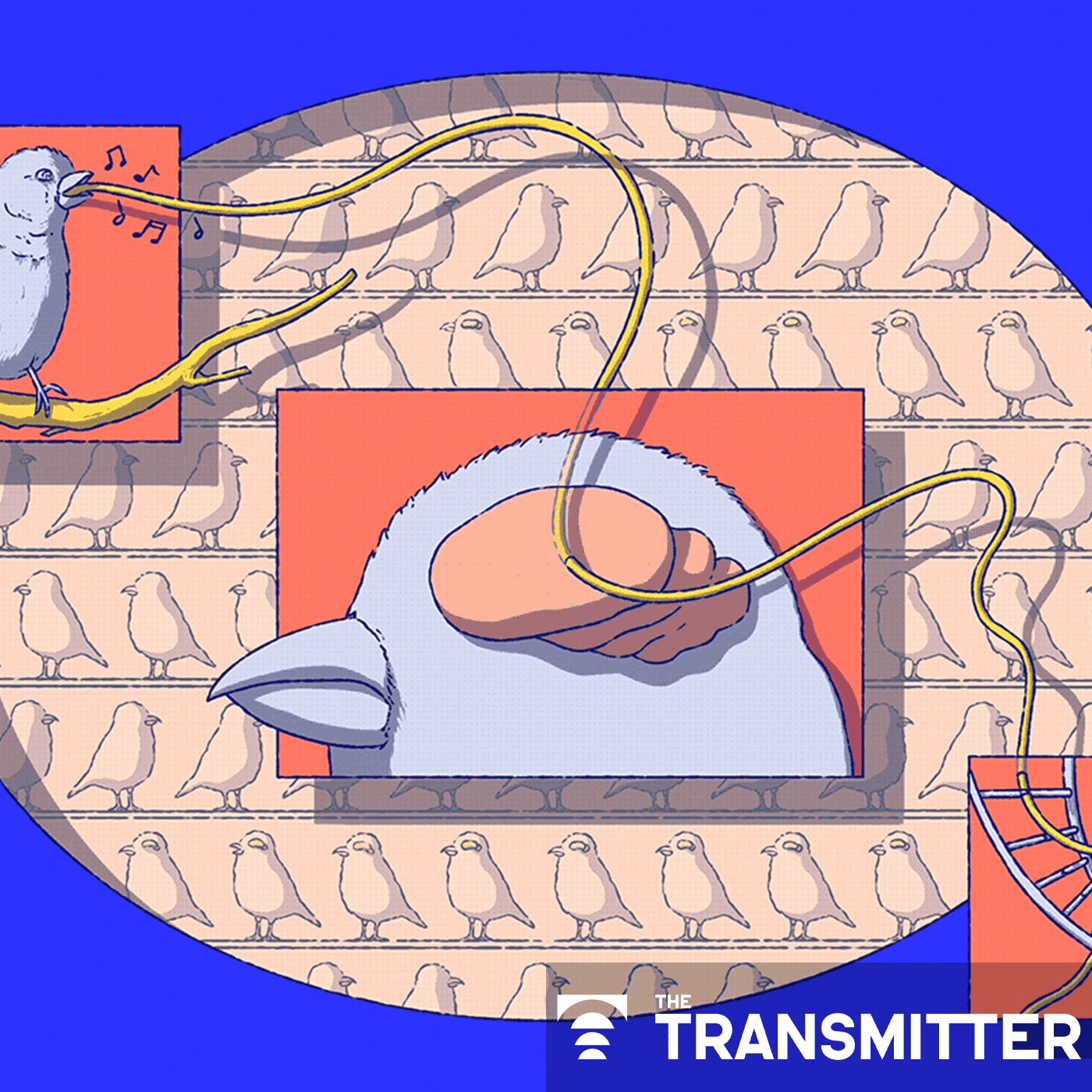
A 1992 PNAS paper showed how birdsong upregulates the expression of an immediate early gene in bird forebrains. The work revealed to Ribeiro the importance of studying molecular responses in naturalistic contexts.
Artificial intelligence may soon enable researchers to generate high-quality science at a previously unimaginable speed. For science consumers—the public, medical patients, technology users—the likely effects will be positive. For scientists, the effects will be as disruptive as industrial mass production was for artisan manufacturers.
By comparing the proprioceptive systems of mosquitos and fruit flies, Sweta Agrawal aims to uncover fundamental features of the ability to sense self-movement.
The brain’s first foundation models exist because some areas of neuroscience did the slow work of developing and adopting standards to help integrate data. Artificial intelligence cannot do that work for us.
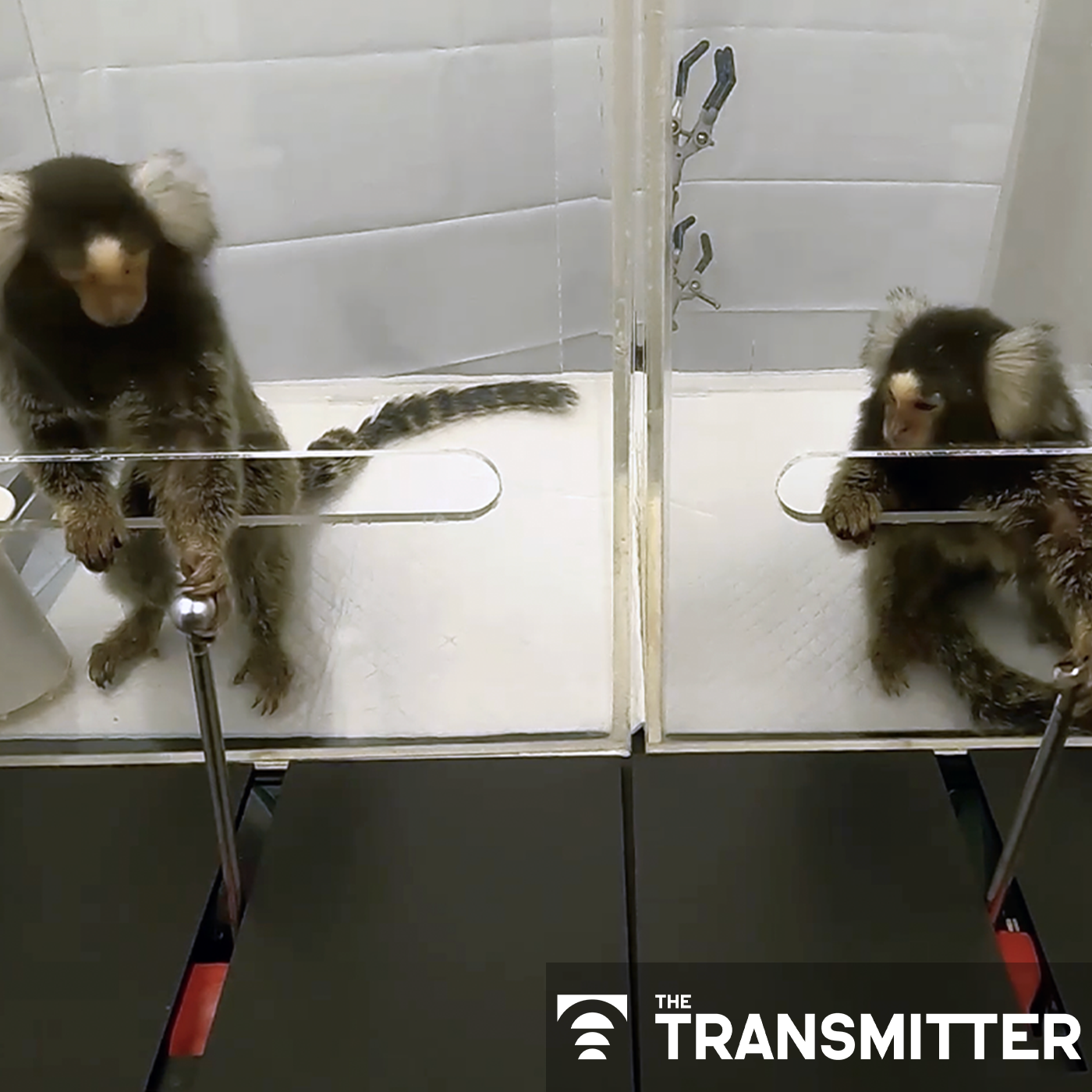
When a pair of marmosets works together to earn some marshmallow fluff, one of them decides to act only after its brain accumulates enough evidence about what the other is doing, new work shows.
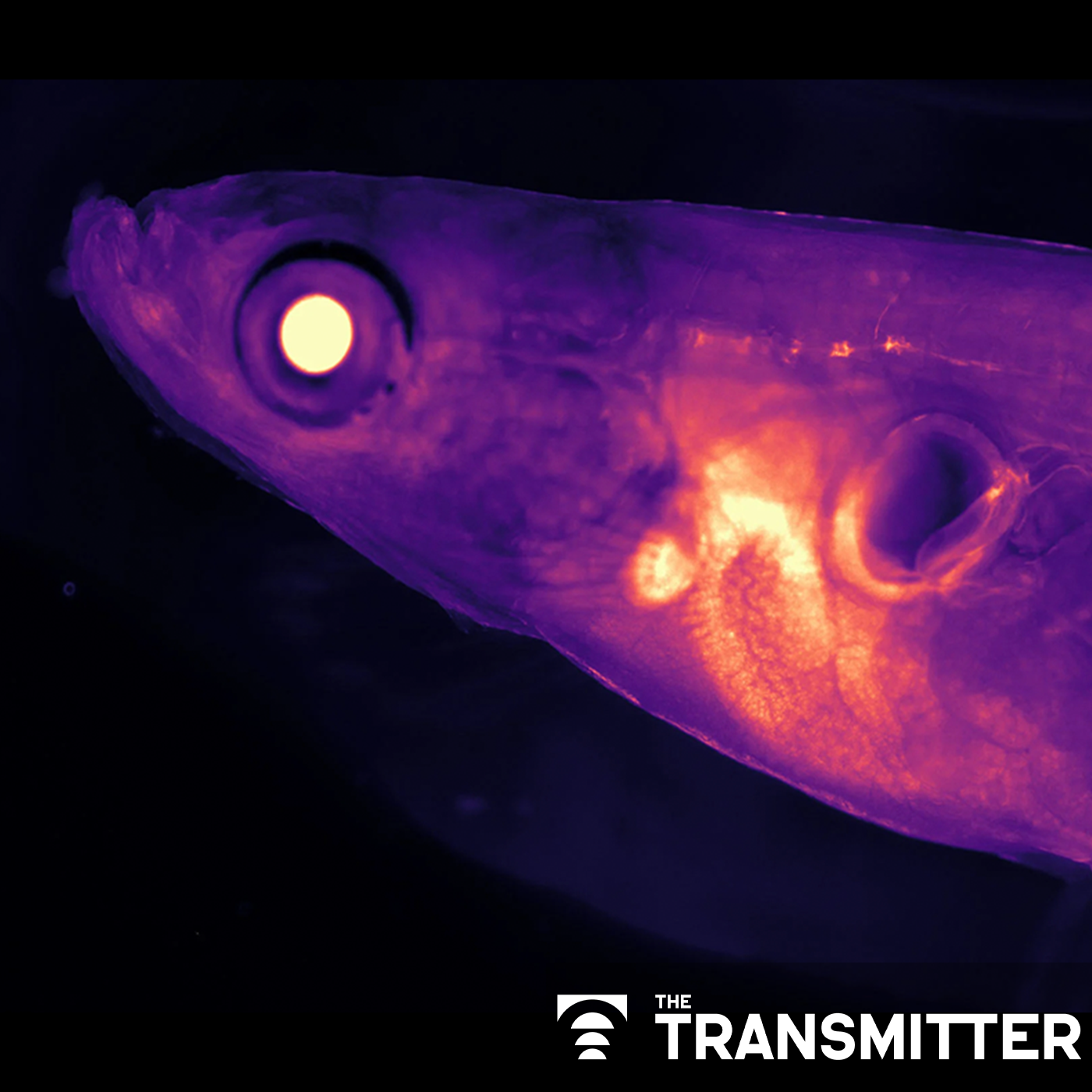
The Howard Hughes Medical Institute’s Janelia Research Campus is banking on whole-brain imaging in the Danionella fish to advance neuroscience, but some scientists forced to close their labs say that even with a three-year runway and transitional support, they feel betrayed by the pivot.
These systems were not built to explain the brain. But treating them as model organisms that we can perturb and evolve will move us closer to that goal.