
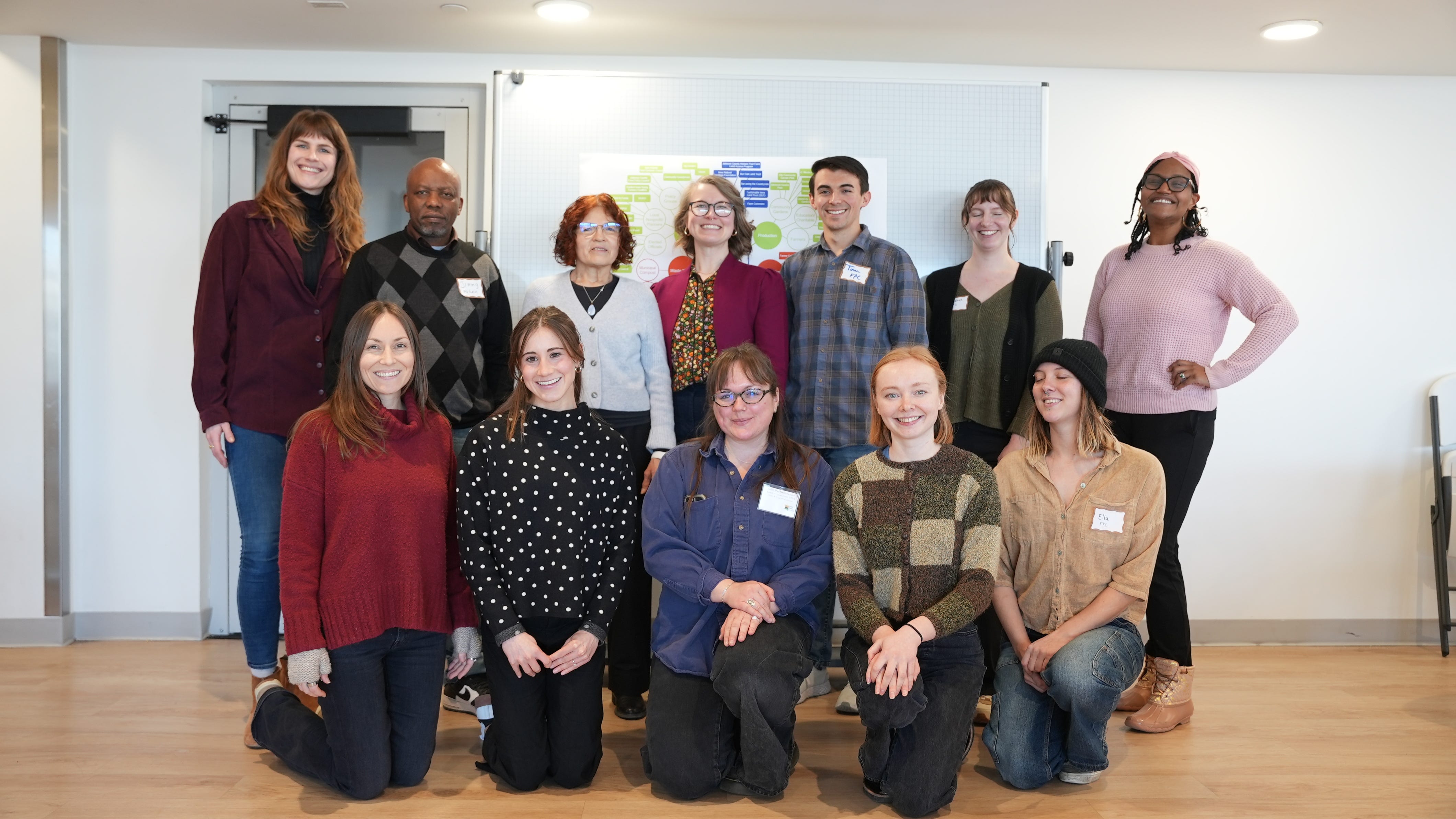
Food system change does not only happen at the State Capitol.
It also happens in county meeting rooms, school cafeterias, public health offices, farmers market conversations, community forums, and local planning sessions where people are asking practical questions:
How can schools buy more food from nearby farms?
What zoning rules make it harder, or easier, to grow food locally?
What infrastructure does a food entrepreneur need to get started?
How can a community improve food access while supporting farmers and local businesses?
Food policy councils help bring those questions into one place.
Local food policy councils, sometimes called local food coalitions, work at the county, city, or regional level to strengthen Iowa’s food system from the ground up. They bring together farmers, schools, food access organizations, public health partners, local officials, food businesses, nonprofits, and residents to identify barriers, shape practical solutions, and inform local policy.
Their work often extends beyond formal policy recommendations. Food policy councils may help communities improve school food procurement, strengthen food access, support farmers markets, update zoning, invest in rural grocery stores, develop food infrastructure, and create public forums where partners can build relationships across the local food system.
That local knowledge matters.
Iowa’s food system is statewide, but its challenges are experienced locally. A rural community working to keep a grocery store open may need a different solution than an urban neighborhood focused on land access, community gardens, or food entrepreneurship. A school district trying to purchase more Iowa-grown food may face different barriers than a county working on zoning or public infrastructure.
Food policy councils help communities name those barriers and organize around solutions that fit their own needs and capacity.
The Iowa Food System Coalition works at the statewide “grasstops” level to connect partners, analyze policy opportunities, and advance shared priorities. Local councils provide the grassroots leadership and community insight needed to make those priorities real. Together, grassroots councils and statewide partners help turn local experience into systems-level change.
That is why IFSC is launching new case studies that highlight food policy councils and local food coalitions across Iowa.
Our first case study features the Johnson County Food Policy Council, a long-standing local council that has helped shape food system policy, public investment, infrastructure development, and community planning. Its work includes supporting local food and agricultural goals in the Johnson County Comprehensive Plan, helping establish an agritourism zoning district, supporting public investment in the Johnson County Historic Poor Farm, and creating opportunities for community members and food system partners to connect.
The Johnson County example shows how local food policy work can move from conversation to action. It also shows why councils matter: they create the relationships, public processes, and community leadership needed to make food system change possible.
Explore the new resource, view the map of food policy councils and coalitions across Iowa, and read the Johnson County case study at iowafoodsystemcoalition.org/regional-food-coalitions.
Comments
Nothing yet. Say the first thing.
Sign in to join the conversation.