
0:00
-8:15
I’ve been telling stories all my life. Of the many roles I’ve held over my many years--daughter, sister, mother, wife, widow; baker of pies, leader of workshops, decorator of interesting houses, music lover, dancer, maker of pictures, collector of dollhouses,cowboy boots and state plates --it may be this one, the role of story-teller, that most defines me. Sometimes the stories I tell are ones I’ve lived. Sometimes they’re inventions of my imagination (though even then, inspired by what I’ve lived; every good story contains truth at its heart.)
I’ve never run out of stories, or the desire--I think I’ll say, the need --to share them.
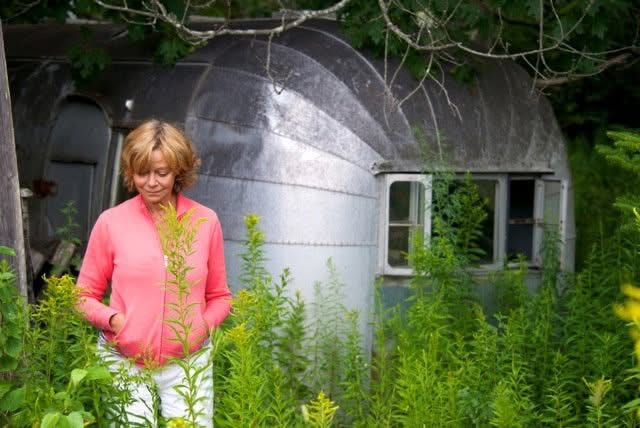
In Maine. Photograph by Jim Barringer.
One more thing about this storytelling life of mine: somewhere along the line, a long time back, I learned about the healing power of storytelling. I learned this from my own life first, when it came to me that the act of telling a story, if I told it honestly and well, actually made it possible for me to make sense of my experiences, particularly the most painful and confusing ones. Make sense, and make peace wtih them.
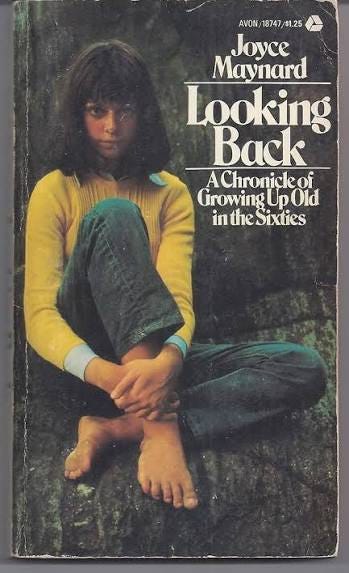
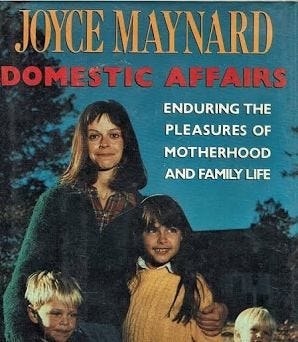
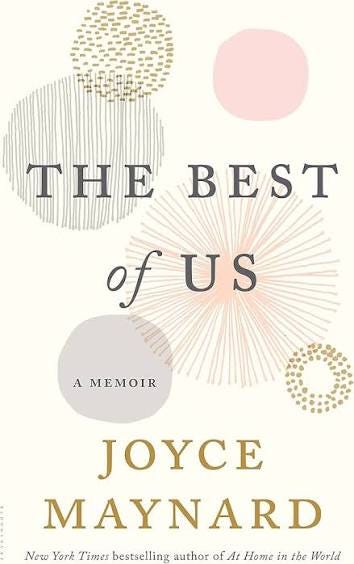
Memoirs of mine from three very different times in my life: Looking Back, 1973; Domestic Affairs, 1986, The Best of Us, 2017.
Long ago, I started hosting memoir workshops --mostly for women, who are so often told their stories don’t matter and instructed to keep their mouths shut, and shamed or punished when they fail to follow that directive. For a good example of that phenomenon, you don’t have to look much farther than what happened in my own life when I published my memoir, At Home in the World.
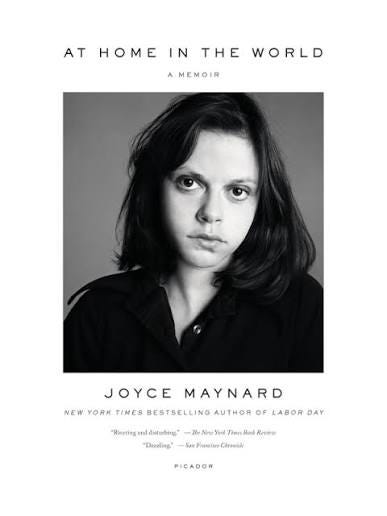
And the memoir for which I was labelled “a predator”. At Home in the World. 1998.
It was after my own experience of having critics call my memoir “a tawdry boudoir confession”, and myself referred to as “a leech woman”, “an opportunistic nymphet”, and “a big mouth” (that’s one of the milder epithets applied to me) that I decided to apply the tools I’d developed, as a storyteller, to help other women tell the stories of their lives. That was how my memoir workshops started.
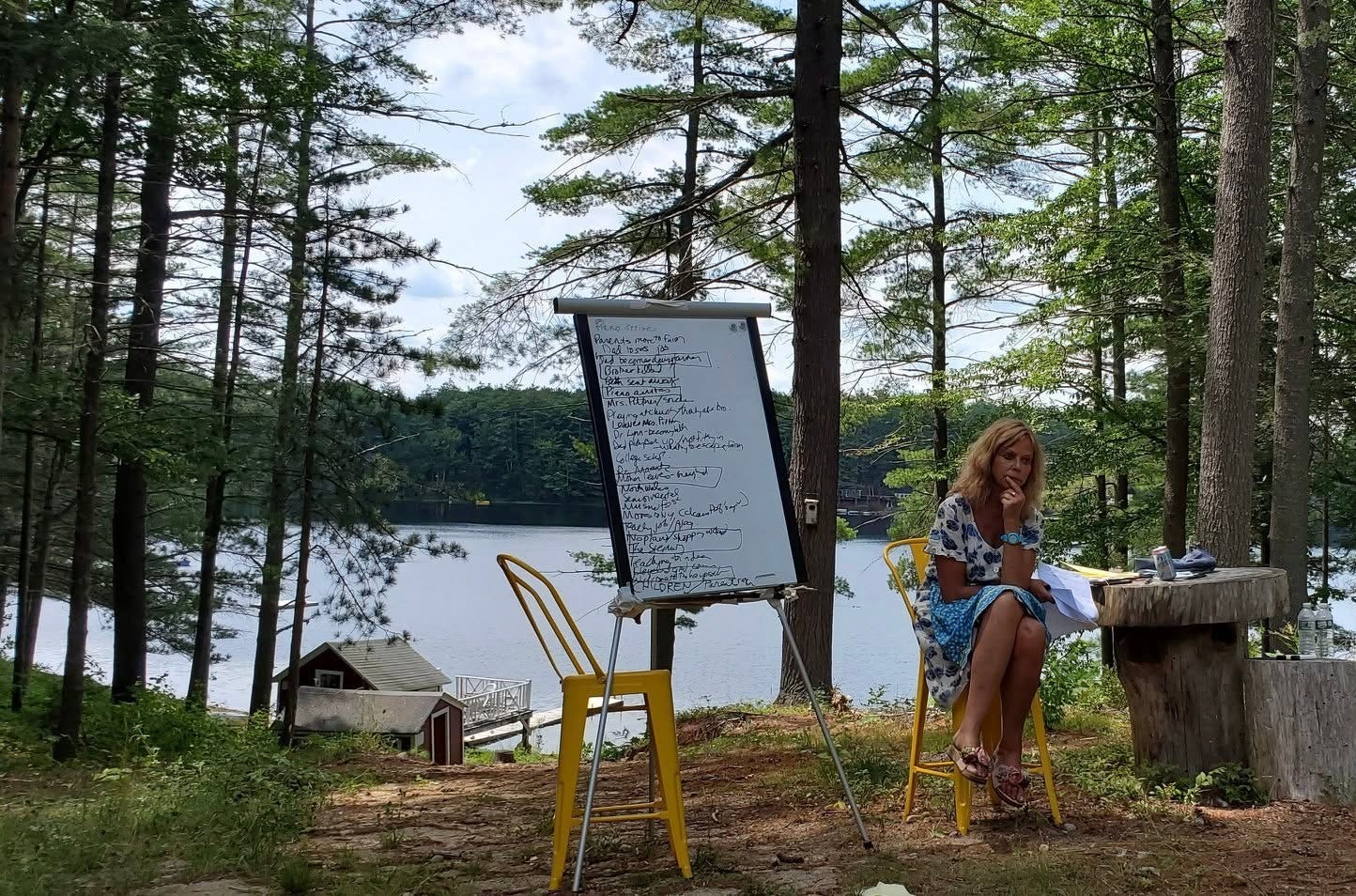
A memoir workshop at my home in New Hampshire, with my trusty white board close at hand. You can’t see the women whose stories we were working on, but trust me, they were there.
In the beginning (we’re talking thirty years ago) I hosted these workshops in my living room. Then I started inviting women to join me in an unlikely place, my part-time home in a small Mayan indigenous village on the shores of a very beautiful lake in Guatemala, hours from the nearest airport.
Amazingly, women came from all over. Women of all ages, all backgrounds, including some who hadn’t written anything since high school.
Some of the women who attended my retreats already dared to call themselves writers. Many did not. They actually insisted, in their letters to me, expressing their interest in joining the workshop, that they weren’t writers. “I never published anything,” they’d say--as if publication were the measure of a writer’s dedication or gift, as if having an agent, or a publisher, was a prerequisite for telling one’s story.
Almost twenty years after I hosted the first memoir retreat at my home at Lake Atitlan, the pandemic hit. The women still showed up to work with me on telling their stories. Their need to do this lay that deep.
In the months and years following that retreat in March of 2020, I made the decision to turn my simple little home on the shores of Lake Atitlan into a retreat center and occasional hotel. I did this for a couple of reasons: The pandemic, and the disappearance of tourists from that little village, had left people there without a means of livelihood. In the beginning, I hired a crew of men to build beautiful little living spaces on my land as a way of providing jobs for men desperate to feed their families.
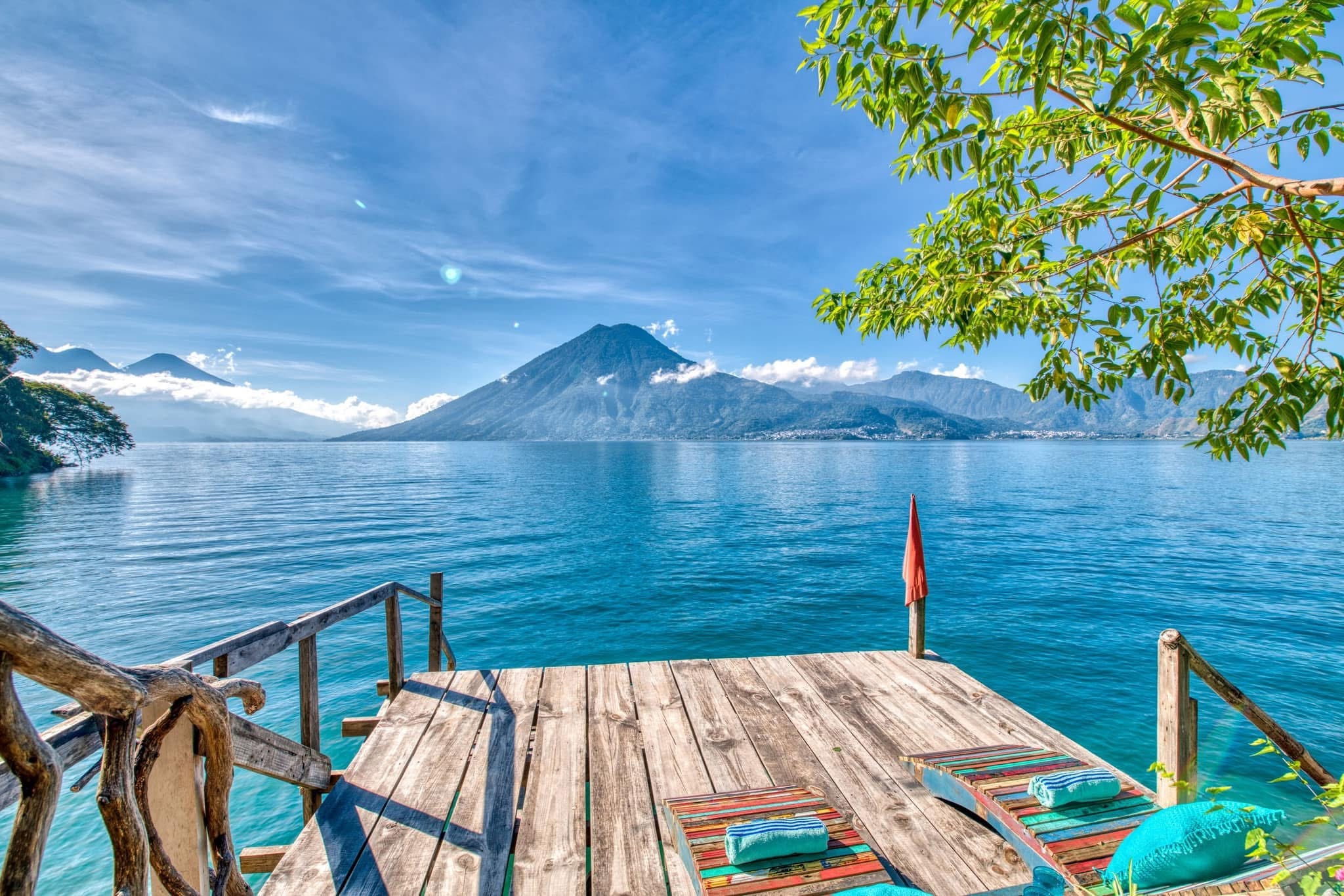
At Casa Paloma, the retreat center I brought into being with the help of a few dozen very hard working men and women in the village of San Marcos, La Laguna, Guatemala. The writers arrive at this dock by boat. After the margaritas and guacamole, we get to work.
It turned out this was good not only for the local men and women for whom I provided jobs, but for the women who came to spend a week with me at Lake Atitlan, exploring stories of their lives they may never have shared before.
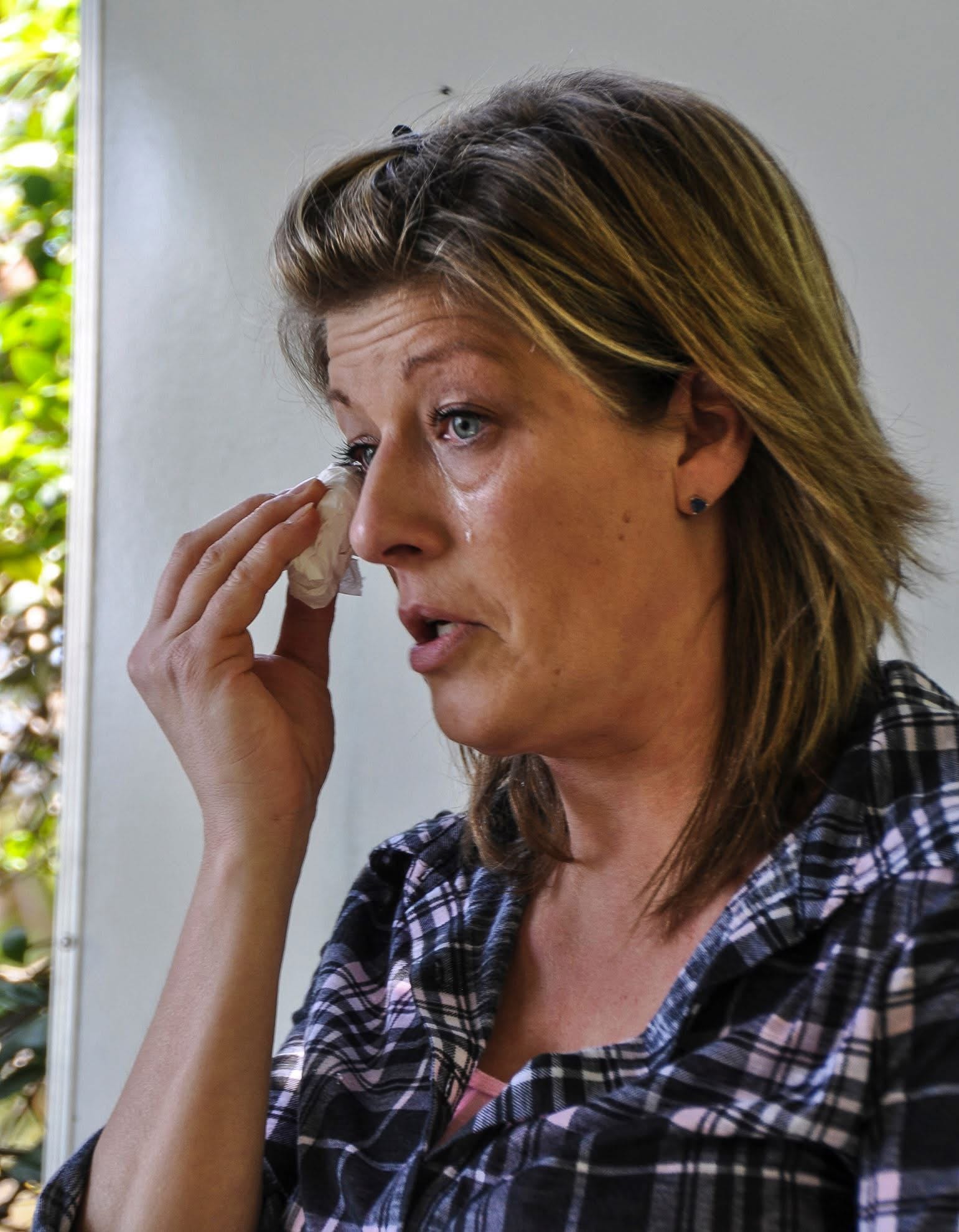
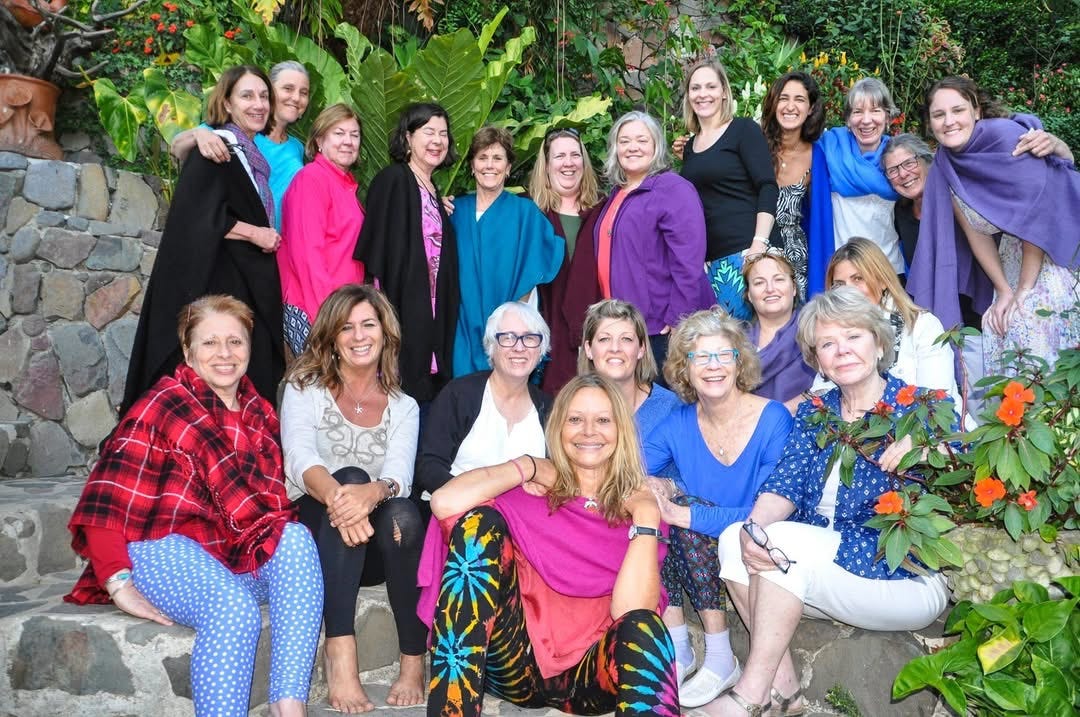
Some of the many brave women who have joined me over the past 26 years at Write by the Lake.
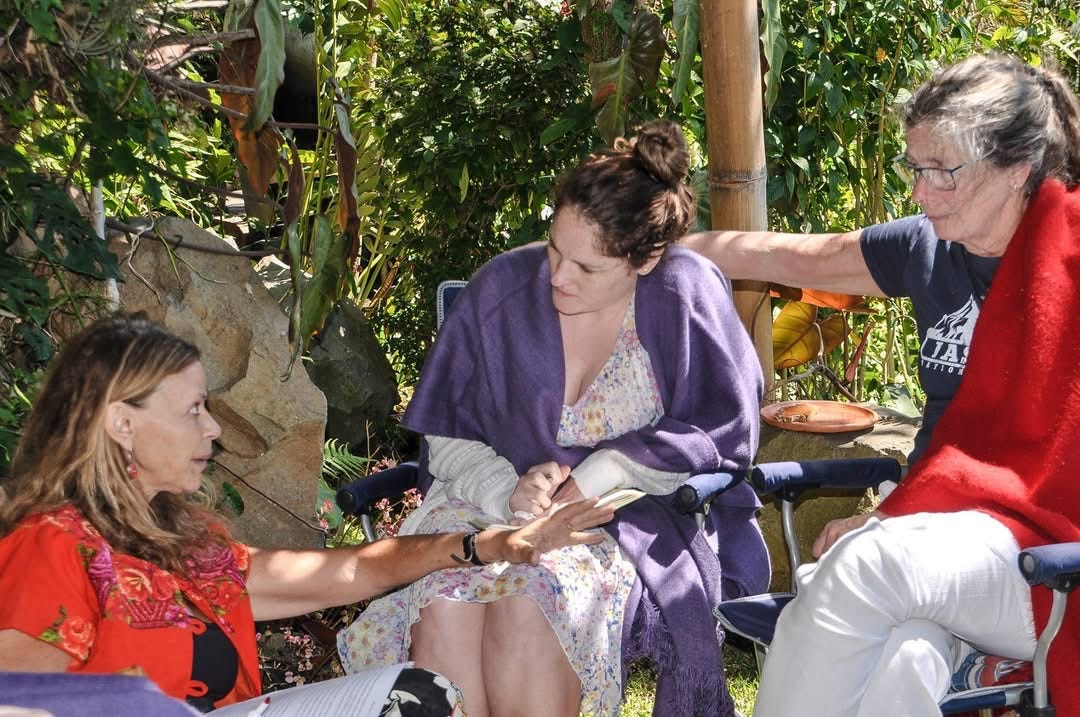
Now when I host a memoir retreat at my home there—Casa Paloma—the women who join me stay right on the property, in very beautiful spaces, lovingly built, surrounded by beautiful gardens. They get to sit together in the early morning hours—or alone, on the balcony of their casita, listening to the birds and watching the lone fisherman who shows up in the little bay just beyond my dock every morning as the sun’s coming up. And we get to sit together at night, around the fire, as , one after another, the women share the stories they’ve written—and find, as they do so, a kind of connection and support that reminds us all: we’re not alone.
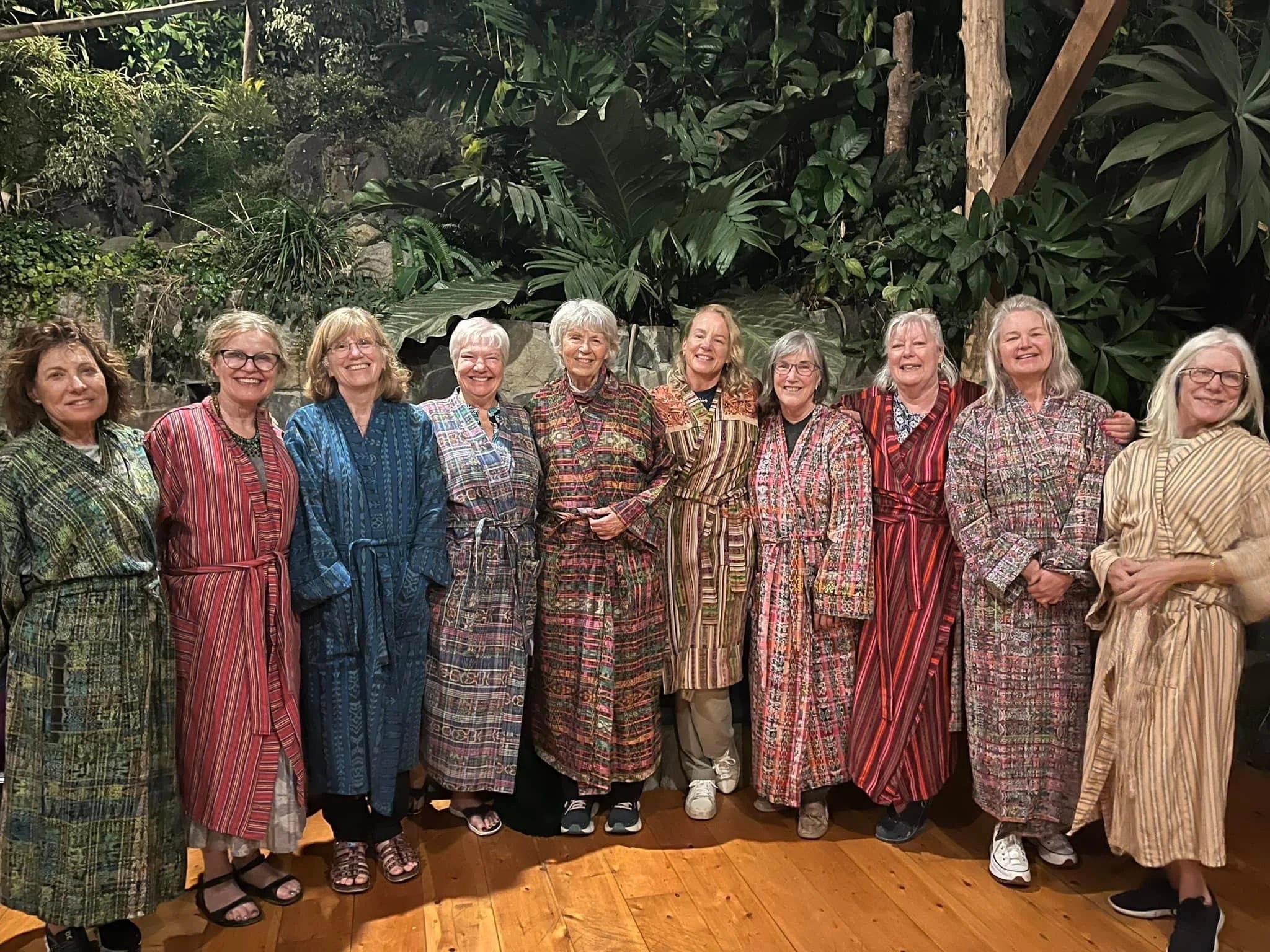
Everyone gets a bathrobe.
This morning I want to remind you that spaces still remain in the memoir workshops I’m hosting at Casa Paloma this winter --and one that’s taking place this November, that I call the “I’m Not A Writer” memoir retreat.
I also want to share with you a piece of news about one of these retreats that I haven’t mentioned until now. For the Write by the Lake memoir retreat that’s happening, March 15-22, we’ll be joined by a guest instructor and mentor whom I consider one of the finest writers of personal narrative working today. More than this, she’s one of the best teachers and mentors a writer could work with. I’m talking about my sister, Rona Maynard.
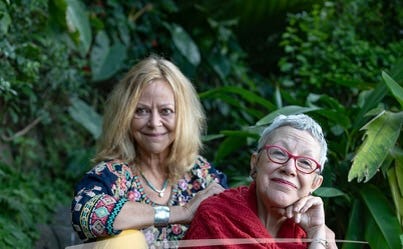
With my sister, Rona Maynard. We’ll be working alongside each other with the writers who join us this coming winter at Casa Paloma.
Some of you may know Rona’s writing from her terrific memoir, “Starter Dog”. You may know her from her Substack, amazementseeker, where she shares essays and stories that move and surprise me every time I read one. It may be my imagination, but it seems they keep getting better. (And here, maybe, comes one distinguishing feature of a good writer: she keeps working on her craft, exploring new ways to tell a story, taking risks, going deeper.)
This morning, Rona’s got a new Substack up. As it happens, this one’s about the importance of storytelling. It’s about how telling a story can not simply enrich your life, but, possibly, save it.
So here’s my suggestion for your Sunday morning.
Take a look at the “Retreats” page of my website, and think about joining me—or, if you want two Maynards for the price of one, my sister and me—for a memoir retreat. https://www.joycemaynard.com/retreats
And if a trip to Guatemala’s out of your budget, or simply not your thing: Pour yourself another cup of coffee and go on over to my sister’s Substack.
I promise, Rona’s essay will get you thinking. And feeling. Isn’t that what a great story is meant to do?
You’ve got one in you. Take it from a woman who’s been serving as midwife and mentor to women’s stories for over thirty years. I haven’t met a woman yet who doesn’t have a story to tell.
The telling of it may just set you free.
(By the way, the photograph of my sister Rona and me that you see here was taken when we were at Casa Paloma together. And if you think you’re “not a Guatemala type”, neither was Rona. The first time she made the trip to Casa Paloma she did so with trepidation. This winter will be her third time back.
Here come some photographs of the retreat center we built on the shores of lake Atitlan, where the writers who work with me stay for the week. casapalomaretreat.com
No posts
Comments
Nothing yet. Say the first thing.
Sign in to join the conversation.