
I have been overthinking this piece for days. I kept asking myself, should I even post it, is it too much, will people misunderstand it. But I also know that silence has shaped enough of my life already, so here I am….
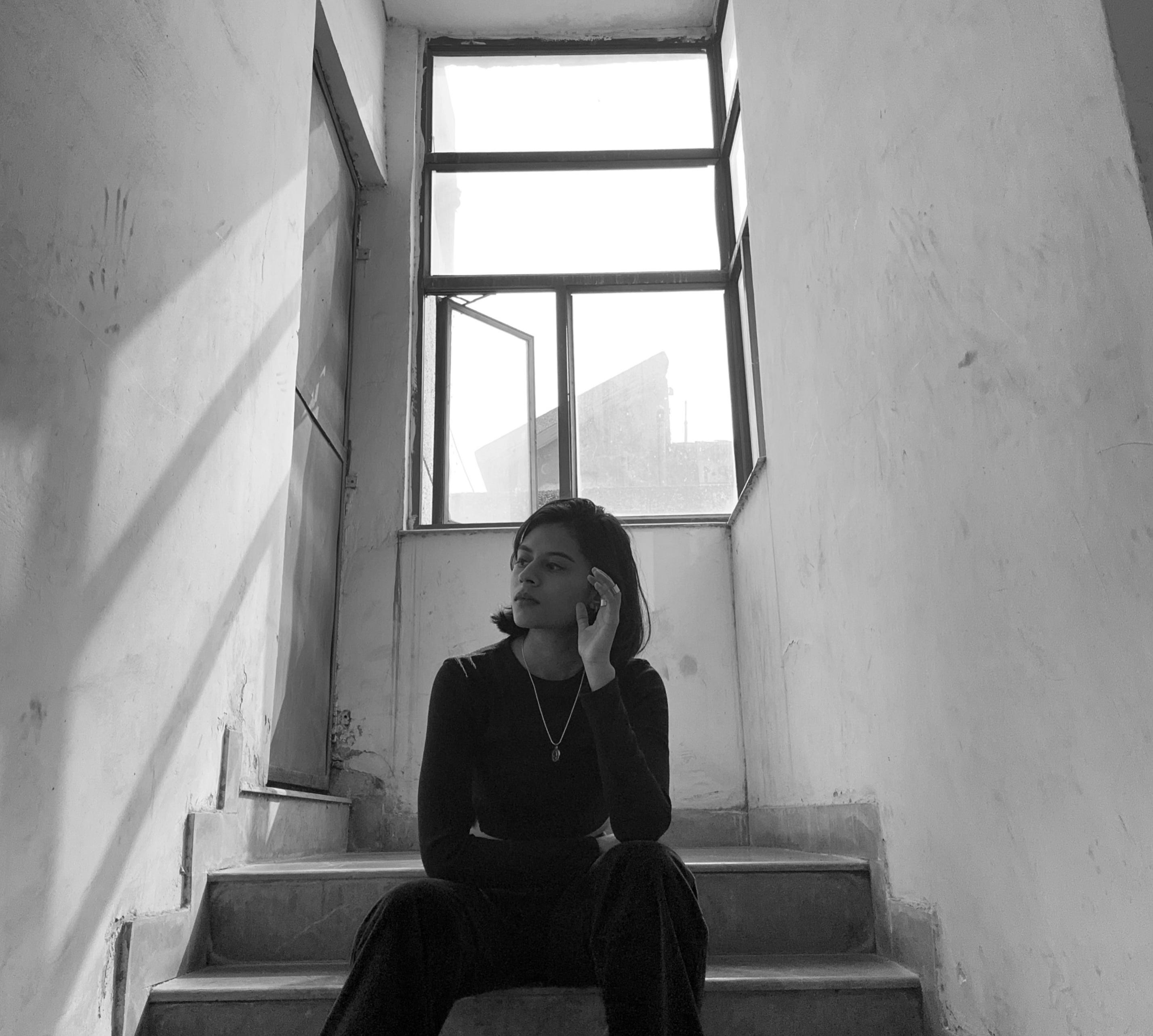
Home.
People talk about it like it is a feeling. Like it is warmth, safety…a place where you can breathe without thinking about how you are being perceived.
A place where you can show up tired, confused, imperfect, and still be loved.
That is the idea.
But when you grow up in an abusive home, “home” is not a feeling. It is a calculation.
It is listening to footsteps and adjusting your breathing. It is reading faces before you speak. It is knowing exactly when to stay silent and when to apologize, even if you have done nothing wrong.
It is survival disguised as childhood.
People often think abuse is only the obvious things. The shouting. The hitting. The visible neglect.
What they do not talk about is the aftermath.
They do not talk about what happens to the child who grows up inside that environment and then becomes an adult.
Because the house may disappear. The people may age. The doors may stop slamming.
But the wiring stays.
You grow up learning that love is conditional. That affection can be withdrawn without warning. That being impressive earns you peace. That being inconvenient costs you connection.
So you become impressive.
You become quiet.
You become the one who does not need much.
You learn to perform stability even when your insides feel unstable.
You tell yourself that if you are good enough, helpful enough, successful enough, maybe this time you will be chosen without having to beg for it.
That pattern does not end when you move out.
It follows you into boardrooms, into relationships, into friendships, into every room where someone’s approval feels slightly out of reach.
You start to chase validation without even realizing you are chasing it.
You over-explain your boundaries. You panic when someone sounds disappointed. You replay conversations in your head, trying to locate the exact moment you might have been “too much.”
Conflict does not feel like disagreement. It feels like danger.
Silence does not feel peaceful. It feels like something bad is about to happen.
Even love can feel suspicious. Because when you have grown up earning it, unconditional love feels unfamiliar, almost uncomfortable.
For years, I thought this was just my personality.
I thought I was simply sensitive, too ambitious, anxious, a passive overthinker.
It took me a long time to understand that I was not born hyper-aware. I was trained to be.
Growing up in an abusive home teaches you to monitor everything. It teaches you to anticipate moods. It teaches you to shrink your needs before anyone can call them inconvenient.
It teaches you to disappear in small ways.
And the hardest part is this.
You often blame yourself for it.
You think you are weak for not being “over it.” You think you are dramatic or weak for still feeling affected. You compare your story to others and tell yourself it was not “that bad.”
But the body remembers what the mind tries to minimize.
The aftermath shows up in your nervous system. In the way your chest tightens before speaking up. In the way you freeze instead of respond. In the way you sometimes choose silence because it still feels safer than confrontation.
The aftermath shows up in how deeply you crave to be seen and heard.
Because when you grow up unseen, recognition feels like oxygen.
And yet, there is another side to this.
You can unlearn what shaped you.
Slowly. Gently. Without turning your life into a rebellion.
You can begin by noticing your patterns without shaming yourself for them. You can learn to sit in discomfort without immediately apologizing for existing.
You can remind yourself that love is not supposed to feel like a performance review. You can allow yourself to be imperfect without expecting punishment.
Healing, I have realized, is not about rewriting what happened.
It is about refusing to let what happened decide who you are allowed to become.
The aftermath is real.
But so is the choice to build something softer for yourself.
And maybe that is what home becomes eventually.
Not a place you were given. But a place you learn to create within yourself.
No posts
Comments
Nothing yet. Say the first thing.
Sign in to join the conversation.