
I give commentary like I’m above the programme but I’m quite literally not, so take everything I say with a grain of salt and an awareness of my sarcastic charm. I’m Joannah— writer, strategist, marketer and founder of Things I'm Musing. I think a lot about life, culture, brand and the systems underneath it all. I live in Lagos, Nigeria. I have thoughts almost, always.
I first came across Ochuko through her newsletter and ended up sliding into her DMs after reading for a while mostly because I thought she was incredibly cool and importantly, a Nigerian girlie like me. We’ve been pretty much inseparable since. So beyond glad to be here!
Here’s everything on my radar lately:
While the West has been rebranding the “loneliness epidemic” and rushing to build Soho Houses everywhere, Lagos has always had clubs. Miliki recently entered my radar and a conversation with a friend that followed sent me down a rabbit hole. Apparently Ikoyi Club was originally conceived as a private space for Yorubas specifically — deep tribalistic lore hiding in plain sight. Which made me realise Lagos has always been very into curated access and exclusive community long before “third spaces” and “community” became global buzzwords. The new wave — Mako, Suudu, 16by16 — feels slightly different though. Less old-school elitism, more identity, taste and cultural alignment. Some still carry that classic “you can’t sit with us” energy. Others feel more intentional. I’ll leave you to figure out which is which.
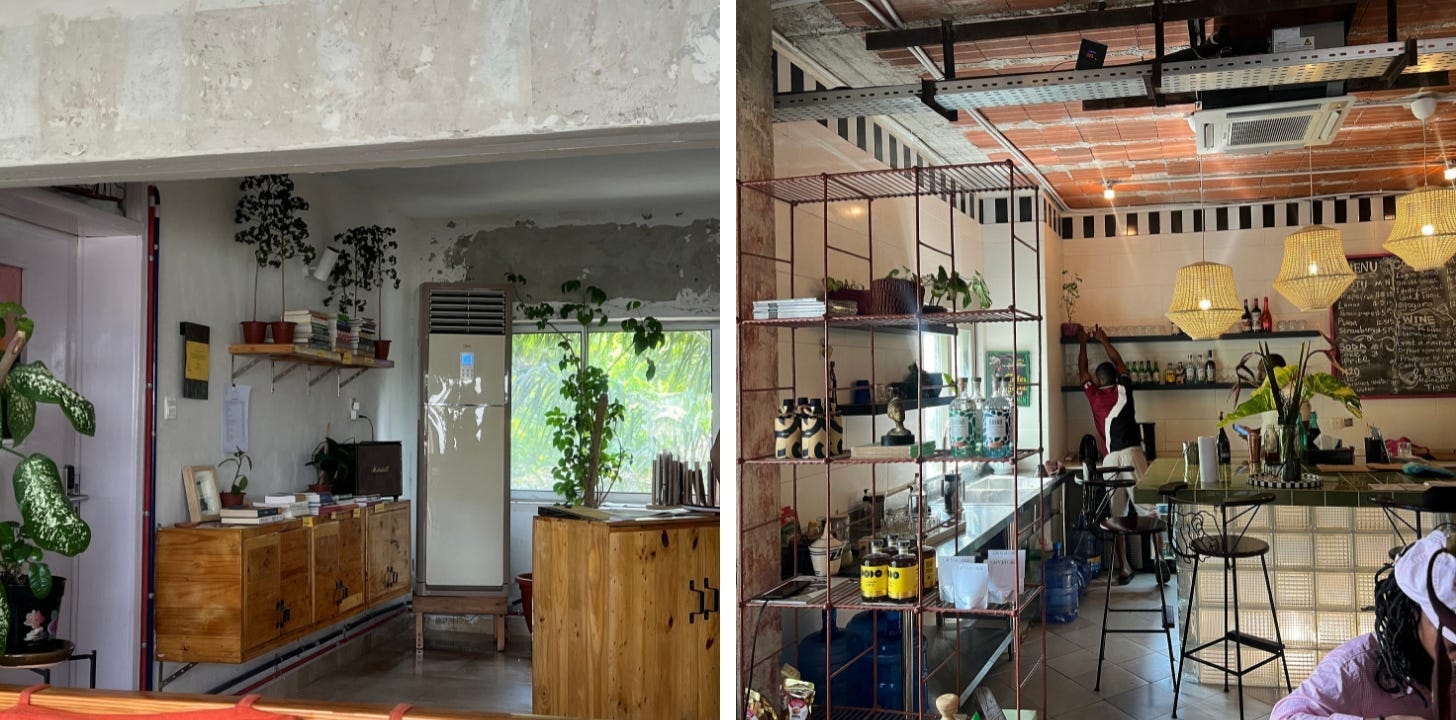
Pictured: Suudu & 16by16
Been loving THIS IS US’ Fantastic Man edit series. Community content as a format gets tired quickly — I say this as someone who works in marketing — but this one earns it because the community itself is doing the work. They’re not casting for relatability. They’re finding people who genuinely live the brand and letting that show. In an era where AI can replicate almost any aesthetic, real community is one of the few things that still can’t be faked. It’s worth studying. (Recently got their Ivory skirt, excited to style!)
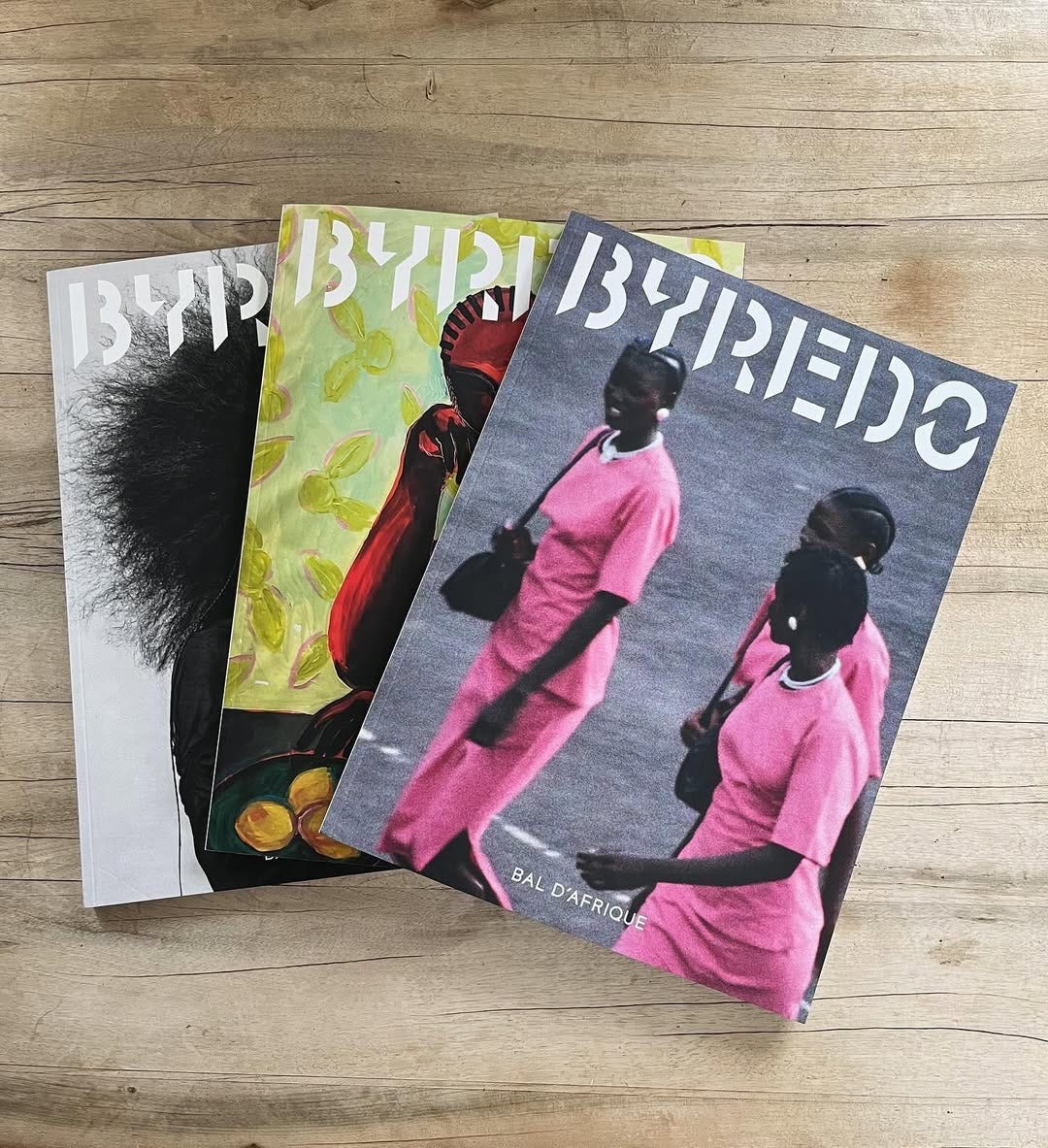
Byredo’s recent Bal d’Afrique campaign was beautifully done - shot locally too. I’ve been thinking about where the line sits between inspiration and investment. Not in a white saviour way, but in a “wring the cloth till the very last drop” kind of way. If you’re pulling from a place with this much richness, I always wonder what it looks like to build with the people too, not just around them and whether that relationship continues beyond the campaign cycle.
Some really thoughtful work from Idris and Sabrina Elba actually sits interestingly in that conversation. TIME Magazine has been doing tons of coverage on.
More recently, Byredo’s ongoing work with Tosin of African Style Archive— a Bal d’Afrique magazine where she served as guest curator and consultant in 2024 and a 2026 pop-up library at their Paris flagship featuring publications on African history and photography. It feels less like a one-off direction and more like a continuation of that same question: what does sustained engagement actually look like in practice? They seem to be about it.
Most of the places we genuinely love in Lagos hospitality right now aren’t even Nigerian owned. — Slow, Vici, RSVP, T-T, Z kitchen. But they just work. The experience, the design, the food — the consistency of care is there. This isn’t an indictment. It’s an observation about operational culture, attention to detail and the kinds of experiences people are actually willing to pay for. The story isn’t really about ownership. It’s about what ownership chooses to prioritise. And you can’t argue with the results.
A much-needed conversation on how human capital is formed in Nigeriaby Tobi Lawson. Discussions around talent here often get reduced to symptoms without the system that produces them: homes, schools, firms and the broader economy people are actually working within. It’s rarely as black and white as it’s made out to be, maybe it’s orange and grey. Tobi breaks this down wonderfully. Since hiring for a creative team, it made me realise how quickly your assumptions shift once you’re responsible for people in a real system. The pink-tinted glasses you walk in with don’t really survive contact with the realities on the ground.
The bodycare “glow” conversation has been fascinating to watch because the Tik Tok has framed it like some new discovery when most of the world has been doing this forever. The girls are just now finding out body oil on damp skin changes lives meanwhile Lagos has basically existed in a permanent state of body glow for centuries. Search “glow drops” or “glow butter” right now though and you’ll barely find any African brands leading the conversation — it’s Vaseline, Rhode, Josie Maran, Natrium etc. Working at Arami and watching Lumi Oil perform the way it does has made me think about this a lot. The products exist. The culture exists. We just haven’t figured out how to own the visibility of it all yet.
Every year right before summer, the beauty industry remembers that people want to be bronzy. Rhode teases new bronzing products. Summer Fridays launched theirs. Saie earlier in the year. It’s predictable — and still works — because the desire is seasonal and consistent. What’s interesting is watching which brands treat it as a real category contribution versus which ones are just riding timing. The difference is rarely the product. It’s intent.
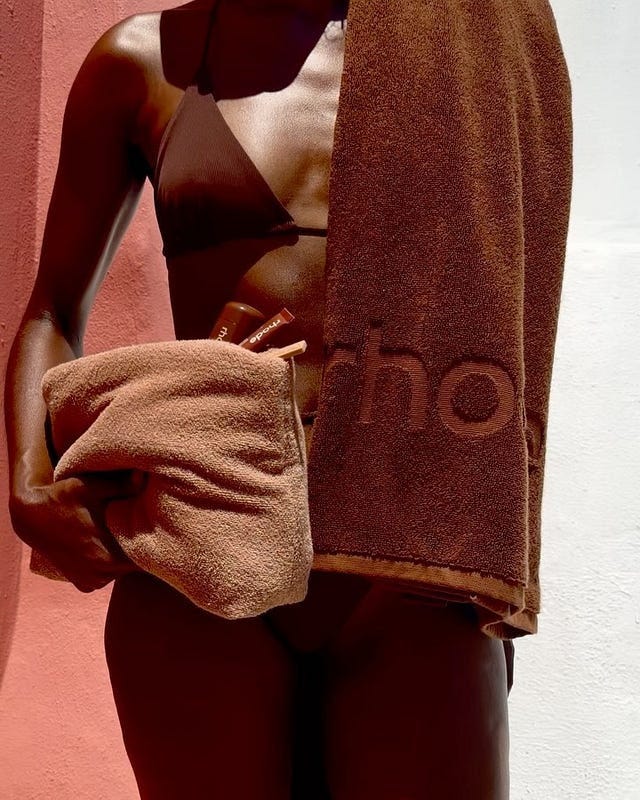
Another reminder that Hailey rarely misses when it comes to launches. Their new summer collection is having a moment. Every drop travels. You know when Rhode launches something even if you don’t care to. The visual world is always distinct and they keep raising the ante with every reveal. I’m especially loving the brown tones and TikTok seems equally obsessed with pocket bronze. Fair enough. Same. The terry towel pouch is what really takes it for me though. Rhode understands visibility as a strategy. Get the product in people’s faces at the right time, make it easy to circulate, then keep the momentum moving. Their highlight milks also weirdly reminded me of Glossier’s Future Dew? Just translated into a milkier format. Which feels like another example of Rhode occupying space that Glossier once owned culturally. How the tables turn.
Lagos is getting hotter partly because we keep building like we’re somewhere else. Trees are cut down. Modern builds that trap heat. Architectural language is imported from climates that don’t make sense here. A physical metaphor for a broader habit: copying frameworks without interrogating whether they belong. Which is why I’ve been loving what Compound Africa is doing — documenting spaces built with local context, materials and logic in mind.
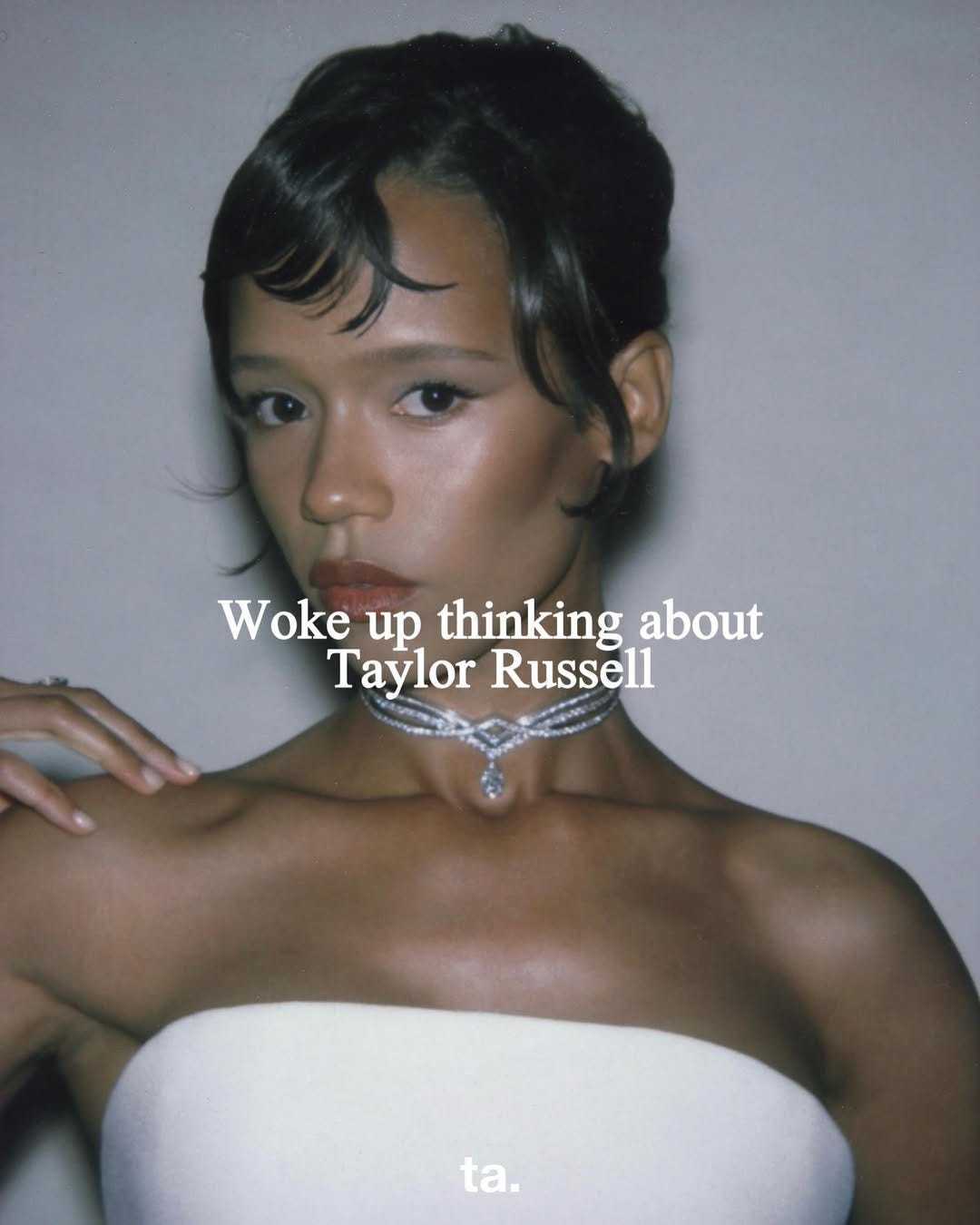
A rare Taylor Russell sighting. The people’s fashion princess. She doesn’t appear often, which is exactly why when she does, it lands. Her Dior look + shows she’s clearly still in Jonathan Anderson’s orbit post-Loewe. As Vogues says, she’s a Jonathan girlie through and through.
Olivia Jade launched Opiccola and I’m cautiously curious. The packaging is clean. Slightly Westman Atelier-adjacent if you ask me but the rollout hasn’t done enough yet to separate it from the celebrity beauty pile. She does mention her relationship with formulators in Korea. You rarely hear a founder say that so plainly. In a space built on mystery, that level of transparency might actually become her differentiator.
Ruka Hair raised $4.5M, Mr Eazi and Nana Otedola among the investors — positioning itself as “the Apple of haircare.” I’m rooting for them. The ambition is necessary and the space deserves serious players. But I’m curious about what the numbers actually look like. Apple built infrastructure through ecosystem and trust. The question is whether that translates here, where bundles still come from China and loyalty is fragmented. We’ll see.
The MET - Emma Chamberlain in custom Mugler was my favourite. Chase Infiniti in Thom Browne, Lisa’s sculptural moment, Kim’s breastplate with the Vogue lore — all strong in different ways. Kylie’s Schiaparelli was interesting, though I expected more given the house. What stood out overall was how uneven interpretation gets on carpets. Stylists, politics, celebrity input — the final look is rarely just the designer’s vision. But the bigger takeaway was craft. Visible construction, texture, technique, play — that’s where fashion is moving again. Jonathan Anderson at Dior. Blazy at Chanel. The language was there but not everyone used it.
Taro Wellness has been bringing African foods into the global wellness conversation and I appreciate it. But it also reminded me of the current sardine moment on Tik Tok (s/o Toni Bravo, whose content I genuinely love) — a craze that swept through if sardines had just been discovered, when they’ve been a staple in many cultures for as long as anyone can remember. It’s a familiar pattern: something long existing elsewhere gets rediscovered, repackaged and then reintroduced as new.
This essay on diaspora and African literature caught my attention. Growing up African, you’re often taught that leaving is the goal. That home is a placeholder — something to reference, not stay attached to. Greener pastures are elsewhere. It explains the JAPA phenomenon, the mass migration of Nigerians leaving the country for better opportunities — better than most economic analyses I’ve read. And it raises a harder question: if home is always framed as something to leave, who stays to build it into something worth staying for? Mostly rhetorical. But still.
I’ve been obsessing over local context and data in Africa long enough so I finally wrote about it. The short version: African creativity is influencing global culture in real time — music, fashion, film, beauty. But almost none of it has been institutionally driven. It’s been individuals compounding momentum until the world had no choice but to notice. Which is extraordinary and fragile. Because heat without infrastructure doesn’t compound outward. It circulates. We are good at generating momentum. We are still learning how to hold it.
The lore behind this Zendaya outfit is marketing gold. The outfit alone belongs in any reasonable top ten of 2026 (imo) and I love a graphic tee done with that level of intention. But it’s the context that elevates it. Big well done to EMILY DAWN LONG. Sometimes the lore is the whole point.
Clarissa — starring Ayo Edebiri and India Amarteifio — is on my must-watch list. The fact that they were both in Lagos this past December already makes me feel slightly invested. My friend and I have a standing agreement: if it doesn’t show in Lagos, we riot. But the fact that Lagos is now a filming location for projects like this says something.The city is becoming a set. That’s not nothing. A standing ovation at Cannes, Nigerian film for the win!
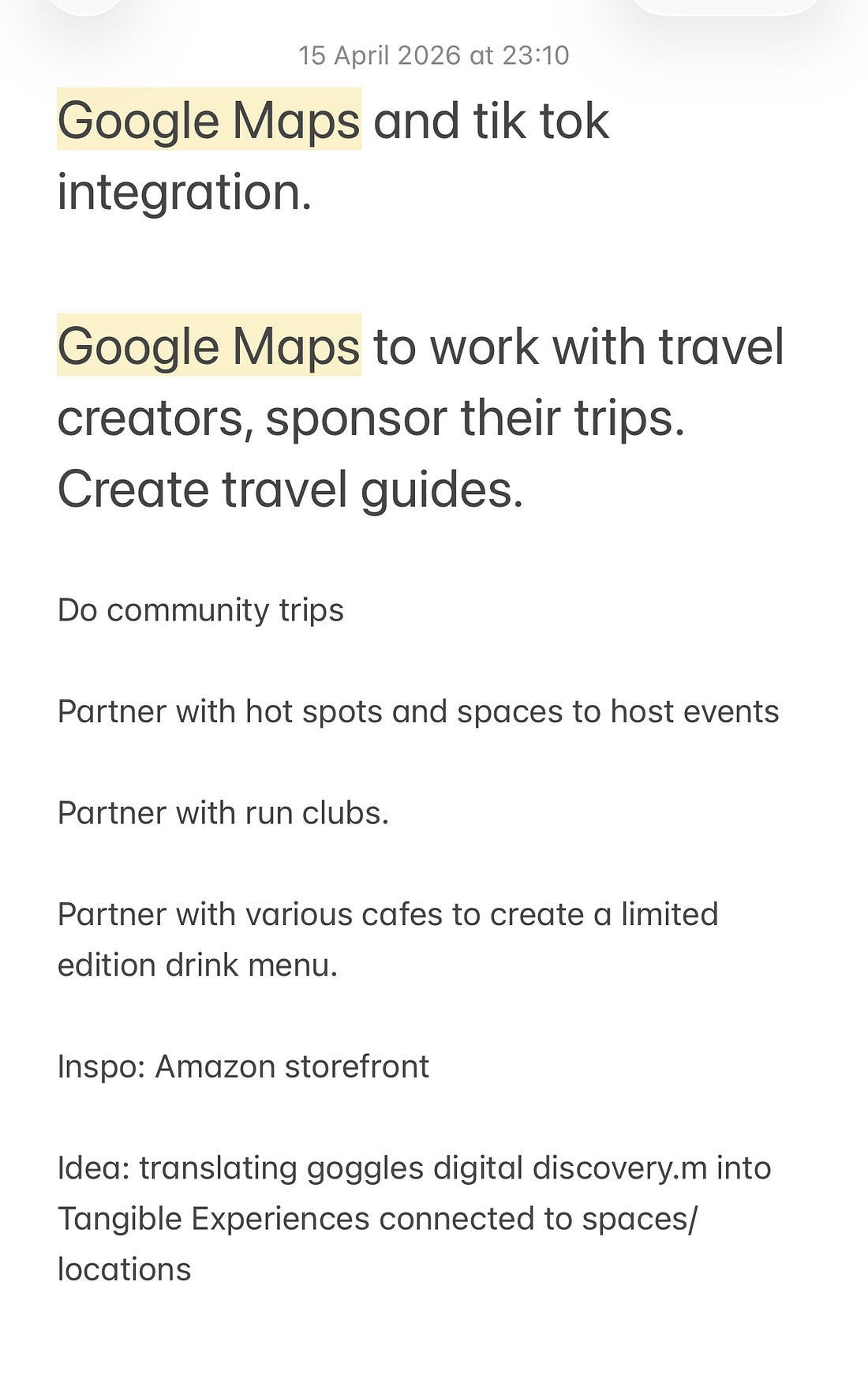
Google Maps heard my cry. Or at least their team did. Their recent work with Dua Lipa feels like progress. People already use Google Maps organically — saved folders, recommendations, location dumps, travel planning — but the bigger question is how maps become culturally relevant online. Watching travel creators and YouTube vlogs made me wonder: why isn’t Google Maps collaborating with more of them? The connection feels obvious and beyond organic. Hopefully someone on the team sees this and runs with it.
A TikTok discovery that genuinely made me happy: Ayo Bamgboye,comedy queen. Her on the Off Menu podcast has been rewatched twice now and counting. Her comedic timing. The code switching. The facial expressions. The enunciation, the register. What an icon.
Any chance to talk about Lore will be taken. The branding is beyond and the product actually earns it. Their recent Sublimity marketing is proof. The zine and pop up have been my favourite! Mel’s mind » I’m not usually a sweet gourmand person, but A Lovely and A Little Twisted works perfectly because the pistachio note has an edge. Slightly sweet with some bite. I have the sample size and I’m nearly out, which is to say: it’s entered “special occasion only” territory.
Devil Wears Prada 2 was okay at best. The styling was incredible. I spent most of the time trying to identify pieces but the writing felt all over the place. At points it felt almost AI and the product placement was so visible we turned it into a spot the sponsor game. The missed opportunity was obvious: the better film was Miranda’s origin story. Instead we got something that looked right but didn’t feel like anything. I still believe bringing Nate back even just for the drama would have saved it.
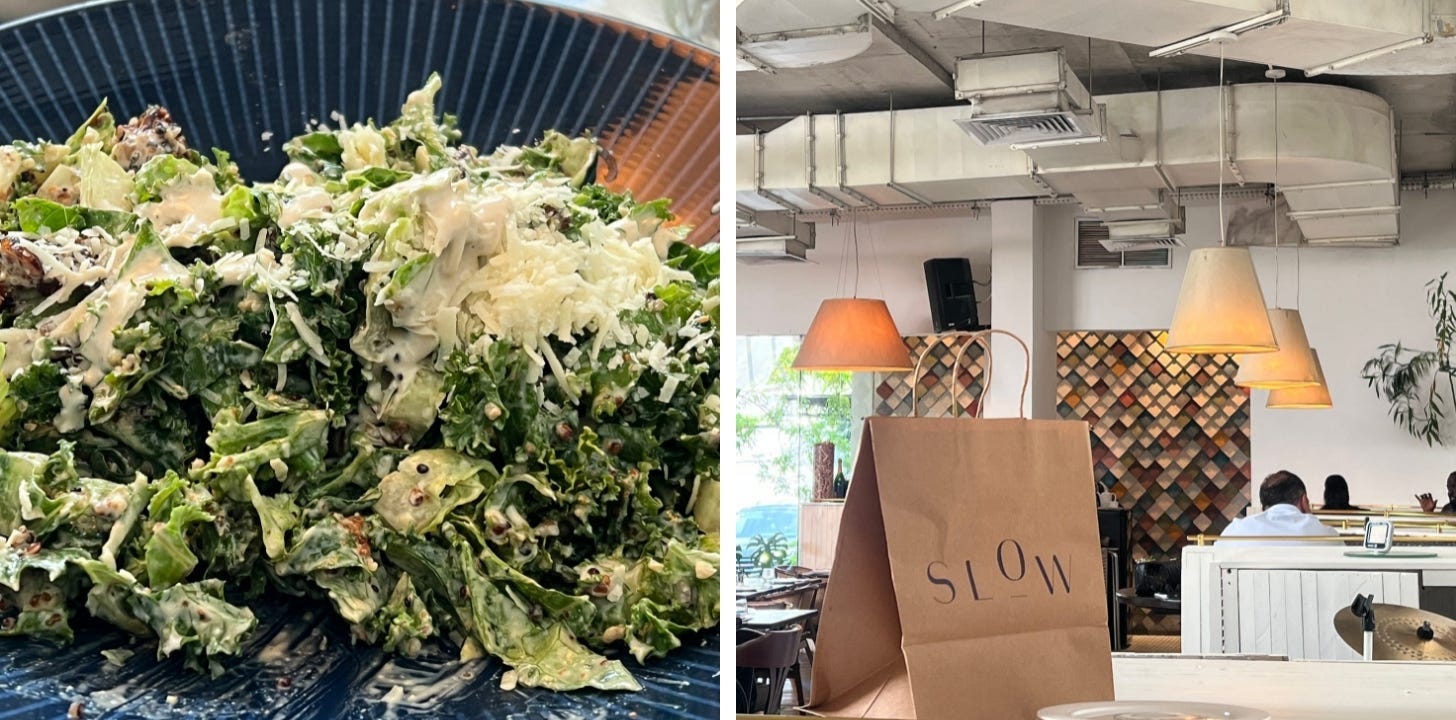
Slow’s kale, quinoa and bacon salad is a miracle on a plate — God bless whoever makes it. Add fries and a cold Sprite with lemon and you’re done.
Romcoms are back! The book-to-screen pipeline is also at an all time high and I couldn’t be happier about it. There’s something about watching TV get a cultural reset again — it feels slightly nostalgic, like we’re circling back to the era when this kind of TV actually shaped what we watched and loved. It’s nice not having to rotate through the same classics on repeat, and Just hoping the new wave does it justice.
Currently watching The Mentalist for the first time. I am a sucker for a psychologically sharp, slightly sarcastic male lead solving crimes. Currently on season 5 :)
More at @joannahekoh xx
Ochuko here! One of the more interesting developments of the past few years has been watching beauty brands become obsessed with athletes. Some of this is the WNBA’s rise, some of it is that athletes are now among the most trusted public figures in culture, and some of it, I suspect, is simply that whats old is old and novelty is always for the win. Whatever the reason, athletes now occupy a space that used to belong almost exclusively to celebrities, models, and influencers.
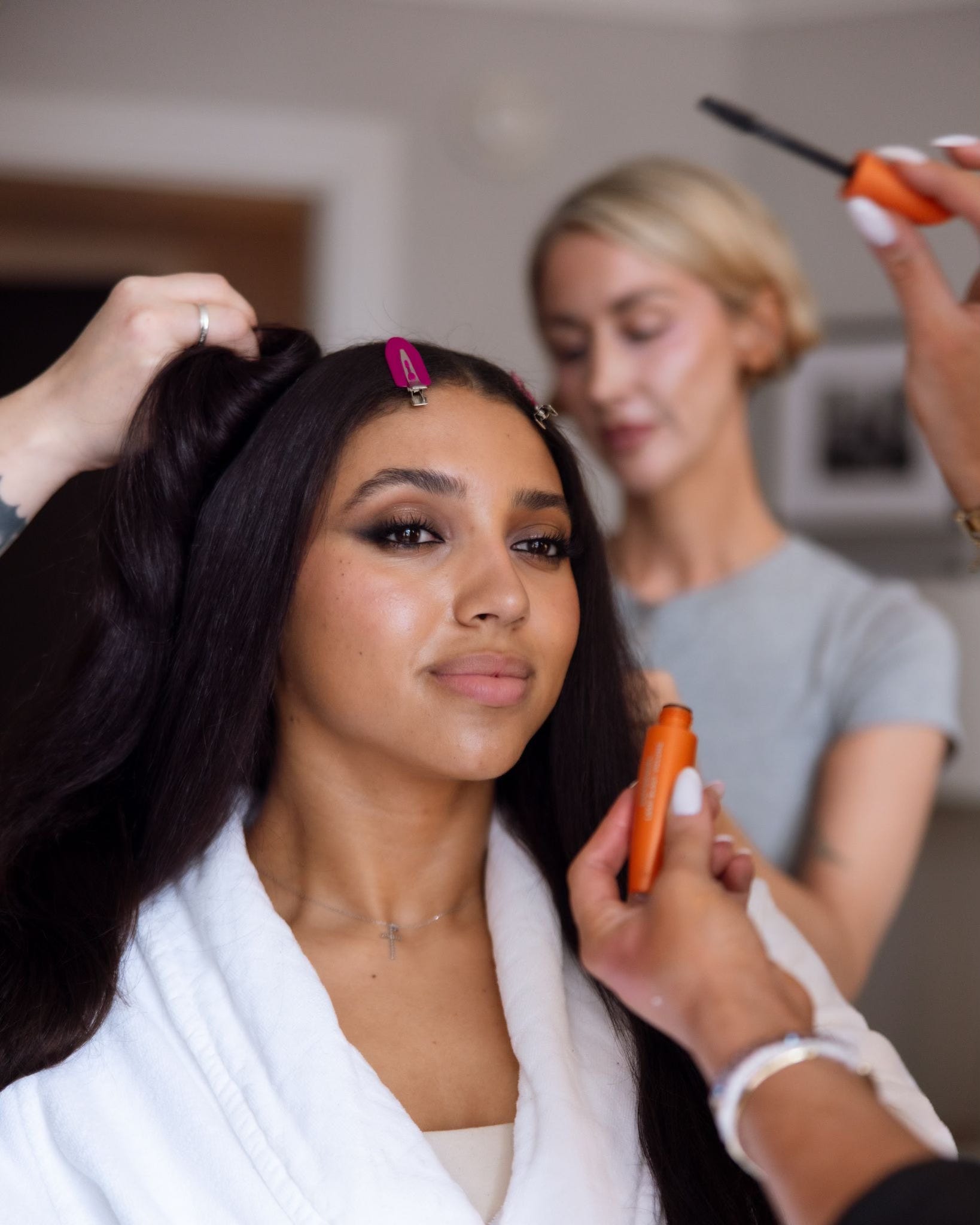
Azzi Fudd, the No. 1 pick in this year’s WNBA Draft, is living right at that intersection. I talked to her about it.
Draft-night beauty feels like it’s starting to occupy the same cultural space as NFL tunnel walks. Does it feel that way from your side?
I definitely feel that shift. It’s not just about what you wear walking in anymore, it’s the full moment. Draft night is starting to carry that same kind of energy where people are paying attention to every detail, from the outfit to the glam to how you show up. I really love this because it’s part of why I get to work with amazing brands like COVERGIRL who not only champion women but women in sports too.
While I do think about the increased attention on our outfits and makeup, my priority is always making sure I’m going to feel confident and like myself. Luckily, I have an incredible team and partners who make sure that’s the case, so it’s the last thing I worry about during huge events like the draft.
And the looks are increasingly becoming moments of their own. How deliberate was your COVERGIRL partnership and the story you wanted to tell through your look?
Partnering with COVERGIRL was very intentional. I grew up loving the brand, and I’ve always cared about feeling comfortable in my own skin and confident in who I am. On draft night, I wanted to feel like the most confident version of myself and COVERGIRL, along with my team, made that happen. We kept the glam really clean and stuck to glowy skin and soft neutrals using some of my favorite products like Lash Blast Volume Mascara and the TruBlend Baked Luminous.
Beauty and women’s sports are deeply intertwined right now. What’s your honest read on that relationship?
I love it. It’s exciting to see women who are incredible athletes also being recognized in the beauty space. For a long time, they weren’t the obvious choice for those partnerships, but that’s changing and it should.
What does an athlete bring to a beauty campaign that a celebrity, model, or influencer can’t?
I think athletes are authentic and relatable. People that everyday people can really connect with. At the end of the day, we’re really just regular people working as part of a team towards a common goal. COVERGIRL is all about being your most authentic self with makeup that helps you feel as confident as possible, so partnering with the brand for draft night felt like a natural fit. They get it and really let me be me.
Do you think about your role in culture deliberately, or is that something that just happens around you?
That’s a great question, and honestly, it’s a bit of both for me. I think when you step into the league right now, especially with everything the WNBA is becoming, you’re aware that your impact can go beyond basketball. There’s a real cultural moment happening, and being part of a team like Dallas, where people are genuinely tapped in and excited, makes you want to embrace it all.
At the same time, I don’t think you can force it or overthink it too much. The biggest thing is staying authentic: who I am, how I carry myself, what I stand for. I stay grounded in that.
So yes, I’m definitely mindful of the platform and the responsibility that comes with it, especially for younger players and fans watching. But I try to let it evolve organically while still being intentional about representing myself, my team, and the league the right way.
Comments
Nothing yet. Say the first thing.
Sign in to join the conversation.