
A weekly collection of links to interesting things curated by Colin Wright.
I’ve always found the idea of accurately trying to predict incoming weather using technology slightly strange, somehow off-kilter. Useful and practical, I’m sure, but something about the standing of a lone, smartly suited person in front of a blindingly bright digital screen gesturing to this or that sits uncomfortably for me, sits impersonal. Our preference to harness and thereby control weather is only one of many impositions inflicted on natural systems, but as with other things, it marks and consistently ingrains a kind of separation between patterns of weather and our daily choices. We want to carry on with plans regardless of rainfall, regardless of extreme winds, regardless of a large snowfall. To many, weather is an inconvenience to be overcome rather than an ever-changing astonishment to be experienced.
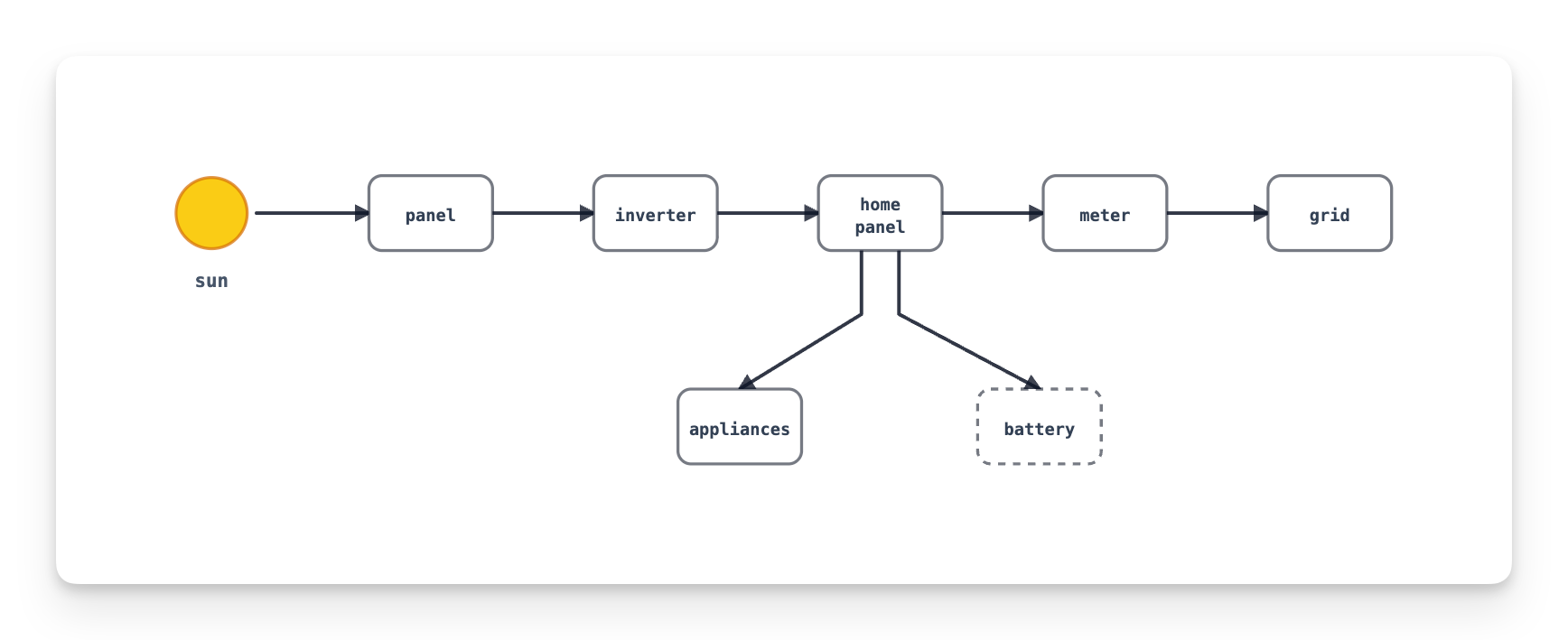
Every hour, the Earth receives enough sunlight to power all of human civilization for a year. It arrives silently, from all directions, at no cost. We’ve known for decades how to convert this energy into usable electricity at scale using one of the most abundant elements on Earth.
Today, we still get most of our energy from resources that are gone the moment you burn them and leave the atmosphere measurably worse on the way out. Some of the friction is legitimate: a lot of our power infrastructure was built for a different era with different goals. Some of it is a political environment where the debate is around whether or not solar energy even works.
The physics has been understood for decades and the cost has fallen faster than basically any other technology in history. This piece will cover the science, the economics, and the infrastructure of solar energy.
Vivian, a university student in Hebei province, loves her Rokid AI glasses. When she heads out on a scooter, she puts them on for navigation. When she shops for clothes, she quietly takes photos of the price tags with the glasses — so she can check if they are cheaper online.
Sometimes, she cheats in exams. The glasses scan the questions and display answers on the lens. “Any subject that I may fail at,” she said, requesting the use of a pseudonym so she could speak freely. Some schoolmates have rented her glasses to use in exams.
AI-powered smart glasses have become a multibillion-dollar industry. The glasses, priced from $270 to more than $1,000, are generally equipped with cameras and audio features, powered by large language models. Those with screens can display text or images with augmented reality effects.
t was 2017, and Chucky Appleby, then 19 years old, was ready to retire. At first he was just another YouTube-obsessed teenager, and his Call of Duty–focused personal channel was actually making enough money for him to get by. But then he figured out a way to use the platform to do much more than that.
“I was like, ‘Why did my videos not get as many views?’” Appleby told me, calling from his home in Greenville, North Carolina. “I kind of realized that certain videos appeal to a large audience, and I was like, ‘Wait, I actually understand click-through rate and retention really well. What if I just created a passion-project channel that reached the largest audience possible?’”

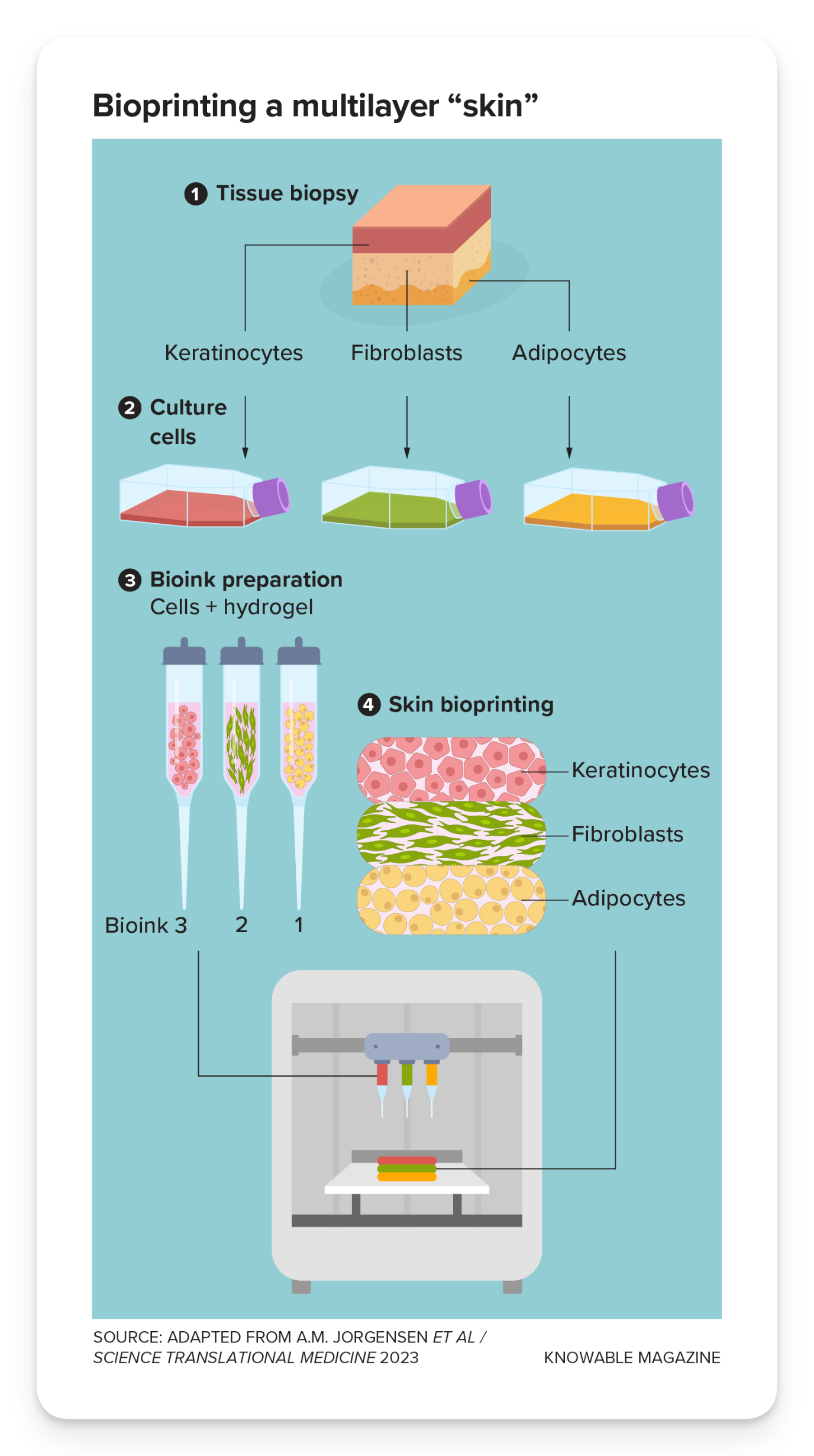
Each year, 11 million people require hospital care for burns. Long after the wounds have healed, scarring can cause complications. Unlike the random, basket-weave pattern that makes normal skin flexible and resilient, scar tissue tightens as it heals and, once mature, grows more slowly than surrounding skin. This can hinder movement and, in children with extensive burns, interfere with normal growth and development. Severe scars often lack hair follicles, sweat glands and nerve endings, reducing the ability to experience touch and to regulate body temperature.
Fish farms built offshore need constant energy. Mowi’s Huar Norte salmon farm in the waters of Chile relied on diesel generators for years.
The engines were used to power everything, generating a scary amount of carbon emissions.
But they also created a problem under the surface, resulting in noise, vibrations, and stress. It was relentless, and the fish and staff alike needed a break.
Mowi decided to act, teaming up with the AKVA group to build a cutting-edge solar pen system. The point was to slash fossil fuel reliance and clean up operations. Cutting out the noise was a bonus.
The results of installing panels on the water surface were immediately clear. A silence settled over the site in Los Lagos, and the underwater vibrations stopped.
Comments
Nothing yet. Say the first thing.
Sign in to join the conversation.