
A weekly collection of links to interesting things curated by Colin Wright.
The first wild boar I see in the Forest of Dean is a dead one. It’s lying on the side of the road in a state of repose, trotters crossed daintily, eye sockets empty, blood crusted round the snout, and a cavernous wound in its chest where something has been pulling out its organs. ‘That’s unusual,’ says my companion, a wildlife manager for Forestry England named Ian Harvey. ‘Scavengers normally go for the back end first, round the anus, but if there’s an open wound caused by the collision then they’ll start on that.’
It’s the first time I’ve seen a boar up close. This one’s bristles are thick and coarse, its haunches muscular, and the upward tilt of its mouth makes it look as if it could be smiling – or snarling. ‘They root up the roadside verges, which puts them in the danger zone,’ says Ian behind me. But they’re better than deer, he adds, whose height means they can crash straight through a car’s windshield, hitting the occupants before landing on the back seat in a spiderous tangle. Boars, by comparison, hunched and heavy and low to the ground, get the fender or the grille.
California is a magical place — so magical, it’s named after a fictional world invented by the 15th-century author Garci Ordóñez de Montalvo. Spanish explorers adopted the name when setting foot on the gold coast.
Colorado is another Spanish-influenced name that essentially means “ruddy.” The name was first applied to the Colorado River for its distinctive reddish color.
Connecticut, much like Colorado, was named for the river running through it. The word possibly stems from the Native American term quinnitukqut, meaning “beside or at the long tidal river.”
Delaware is also named for a body of water, and that body of water was named for Baron De la Warr, the first English governor of Virginia. The baron’s name is Old French for “of the war.”
As the Western U.S. faces more damaging droughts, local governments—as well as an increasing number of homeowners—have been successfully promoting landscaping practices that eschew the stereotypical water-hungry grass lawn for more resilient choices. The average U.S. family uses roughly 50 gallons of water per day for outdoor plants and lawns, per statistics from the Environmental Protection Agency; a third of residential water use, or about 9 billion gallons per day, goes toward lawns, plants, and irrigation.
Whether it’s called native planting, xeriscaping, or drought-tolerant landscaping, the push to use more local plants has gained significant momentum. But many landscape architects are finding that the plant industry is straining to keep up.
We had good intentions for our landscaping this past spring, like we do every year. Spring is a time of rebirth, after all. A time to cut down what died in the freeze and plant new things that’ll die in the heat a few months later. It’s the circle of $300-garden-center-purchases life.
As soon as the weather warmed, my husband and I spent weeks working to shape up our lawn at our home in Bee Cave, just southwest of Austin. I raked leaves and picked up stray rocks and hummed. Chris inspected sprinkler heads and replaced mulch and cussed. We signed up for one service that does nontoxic weed control, another that aerates the lawn, and a third that mows it. We then tried to not think about what we could have spent that money on instead. Like a trip to Hawaii, where grass just, y’know, grows.
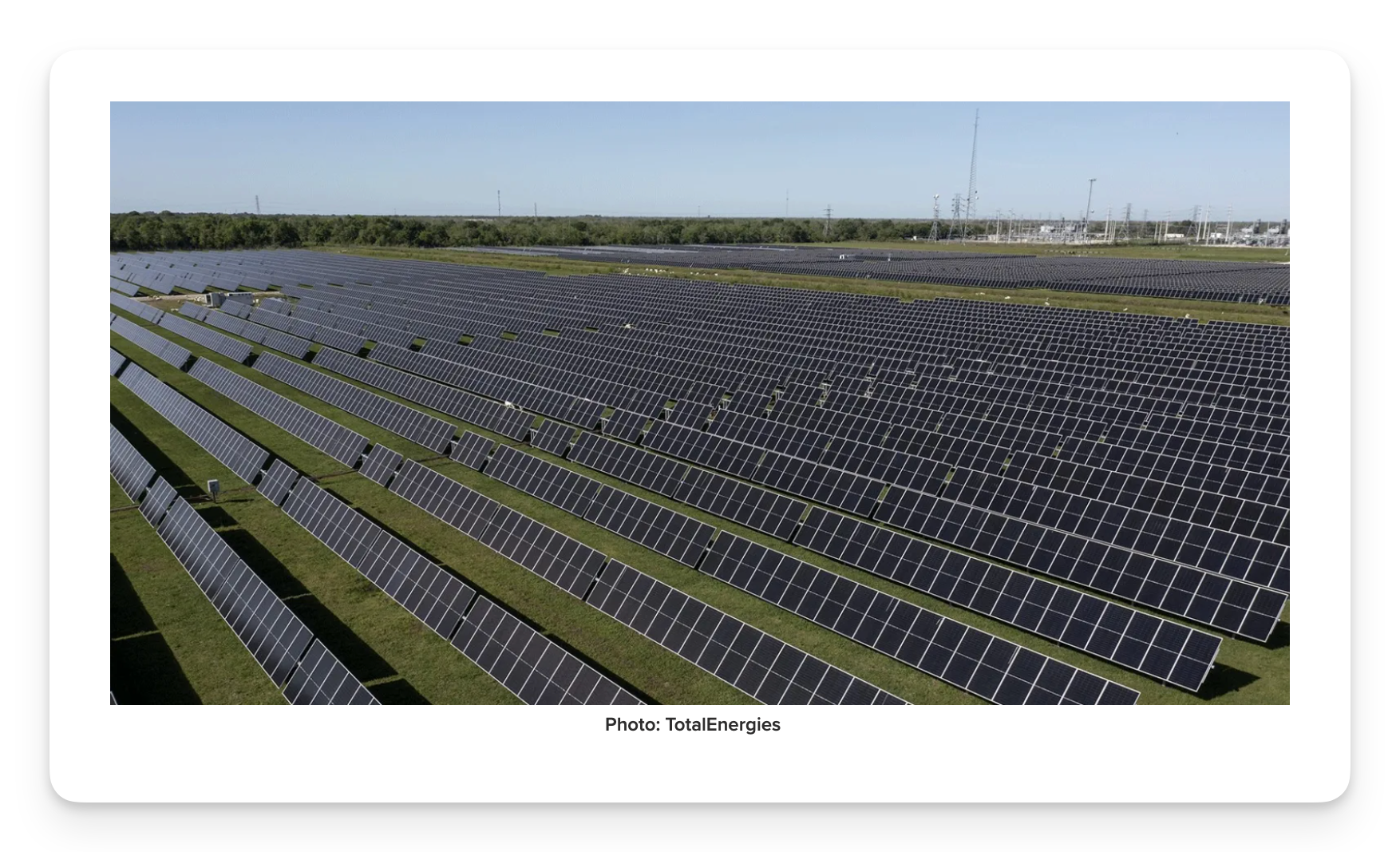
Despite the impression that large solar farms are constantly sparking local fights, a new study from researchers at the University of Massachusetts Amherst found that most large-scale solar projects in the US move forward with relatively little public opposition.
The study, published in the journal Energy Research & Social Science, looked at 686 utility-scale solar projects that came online between January 2022 and November 2023. Researchers found that 56% of the projects fell into “no” or “low” conflict categories, while just 19% experienced high levels of conflict.
The findings push back against the idea that opposition to solar development is widespread across the US.
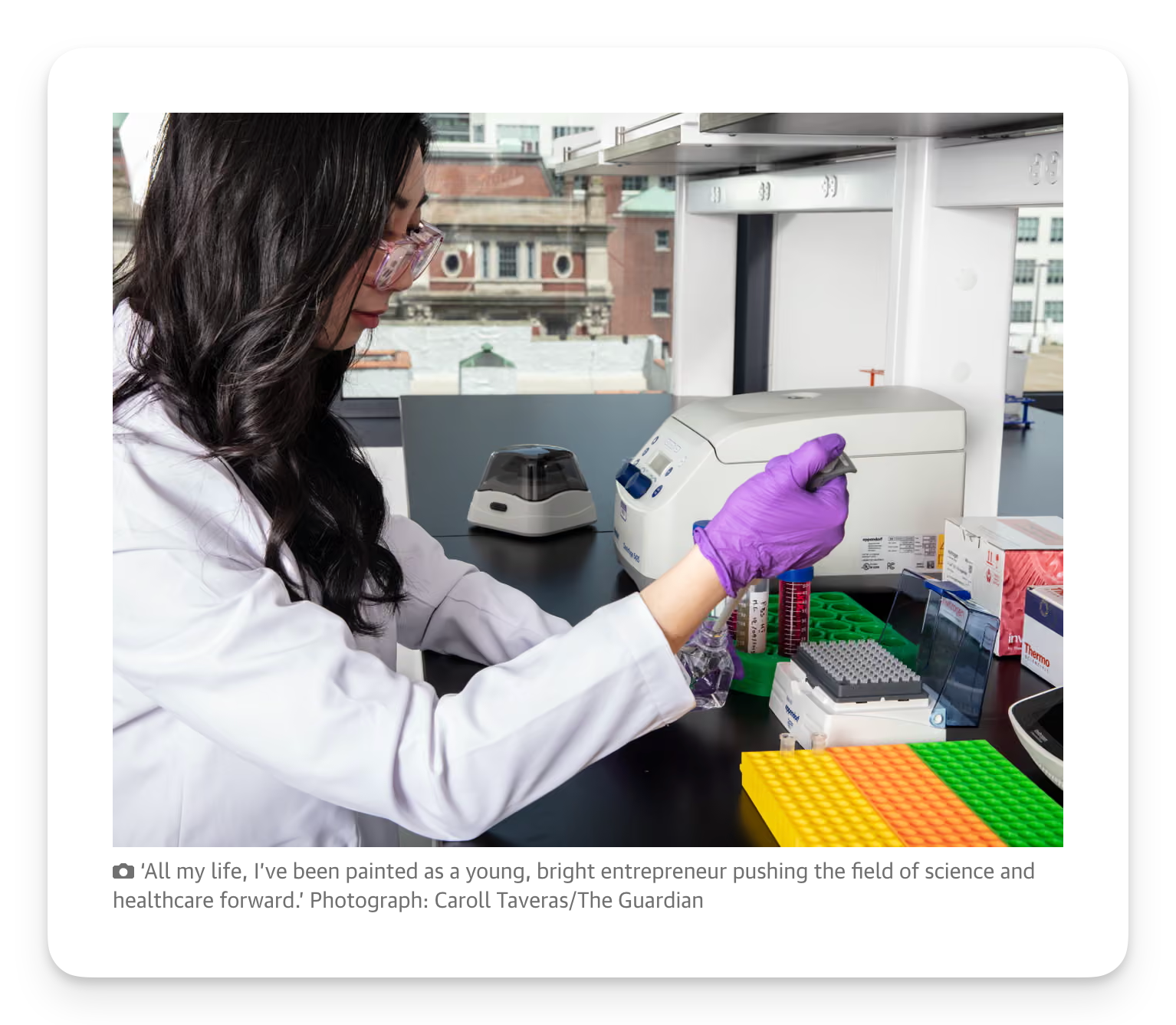
On a Friday evening in late April, Cathy Tie, the Canadian serial entrepreneur and self-styled “Biotech Barbie”, is centre stage at New York City’s famous Carnegie Hall, performing Saint-Saens’ Piano Concerto No 2 on a gleaming Steinway grand piano, accompanied by an orchestra. Her floor-length pink tulle gown shimmers with gold sequins; her dark hair cascades in waves over her caped shoulders. The music is passionate, but Tie’s expression is impassive. Her eyes dart between the piano keys and the sheet music in a flurry of concentration, but the rest of her face is totally still. She isn’t lost in the music; she’s focused on the job.
After the last notes ring out, Tie stands up and breaks into a tight smile and a brief bow before walking off stage, only to immediately return to receive the slightly awkward Happy Birthday sung by everyone in the orchestra and auditorium. This is Tie’s 30th birthday party. She has hired Carnegie Hall to mark the occasion. And, as I discover at the cocktail afterparty, most of the people invited to this performance – including me – have either only just met Tie or don’t know her at all.
Comments
Nothing yet. Say the first thing.
Sign in to join the conversation.