
Dear Learning Partners:
Every minute matters when we teach.
Six Hours.
That’s the time we have each day to introduce new ideas, strengthen skills, and build understanding that lasts.
In today’s classrooms, time is not just limited, it’s precious. Each lesson is an opportunity to move learning forward and lay the foundation for future success. Curriculum is more than a guide; it’s our compass, helping ensure that both teaching and time aligned stay aligned to learning goals.
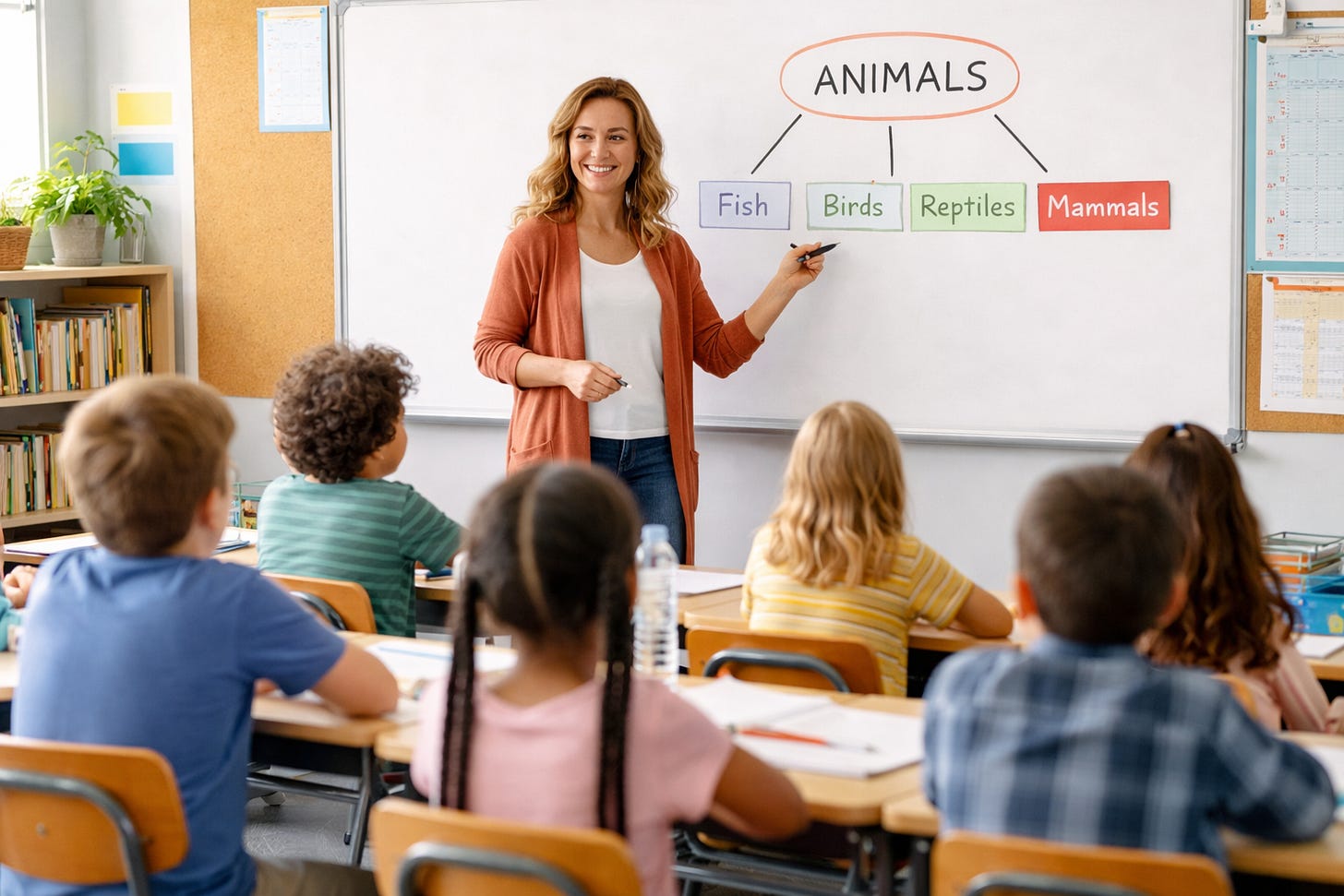
Teachers often begin the lesson with a “Do Now, ” a short, focused activity aligned to state standards. It activates prior knowledge and ensures learning is in motion the moment students enter the classroom. Whether the class is math, literacy, writing, science or history, these intentional tasks create momentum.
And yet, educators feel the pull to:
Go deeper.
Explore every question.
Follow every thread of curiosity.
These instincts matter. But so does pacing. Because when time is not used intentionally, learning opportunities are lost.
Structure Protects Learning Time
In Navigating Special Education, we emphasize the importance of structure with flexibility. These are not opposing forces; they work together to protect both time and learning.
⚡Structure ensures that essential content is introduced.
⚡Flexibility allows teachers to meet students where they are.
One simple and powerful tool is a timer, not as a constraint, but as a guide. It helps keep discussions purposeful and connected to the lesson.
When conversations drift too far from the objective, they take time away from the very concepts students need to learn.
Staying on Topic Maximizes Every Minute
In Conversations Lead to Consensus, we highlight vocabulary-driven dialogue. When students ask “who, what, and why” questions rooted in content, they aren’t just talking, they’re thinking
Focused driven conversations ensure time is used productively.
This means:
✔️Every question deepens understanding
✔️Every response connects to learning
✔️Every minute moves students forward.
Staying on topic ensures learning remains the top priority.
Learning Extends the Use of Time
Time in the classroom is finite. Learning should not be.
Reinforcement extends the impact of instructional time. What some may call “old-fashioned homework” continues to play a significant role:
👉It solidifies concepts introduced during the day
👉It strengthens memory through practice
👉It prepares students for future learning and assessment
Homework also creates a bridge between school and home. When families extend learning, through conversations, questions or practice, students gain additional time with the material. Added time makes learning stick.
Each Lesson Builds on the Last
Teaching is cumulative. Each lesson builds on the one before it, and each concept connects to the next.
When teachers stay on task and use time intentionally, students experience learning as a connected process, not isolated moments.
They begin to understand:
✔️What they are learning
✔️How it connects
✔️Why it matters
And with that understanding comes confidence.
Confidence to participate.
Confidence to ask questions.
Confidence to keep learning.
A Shared Responsibility
Using time effectively is not the responsibility of teacher alone. It is a shared commitment between:
👉Educators who design intentional instruction
👉Students who engage in focused learning
👉Families who reinforce learning beyond the classroom
A Final Thought
When teaching and learning time are protected, knowledge grows, and confidence grows with it. Minutes matter because they compound. A concept understood today prevents confusion tomorrow. A skill practiced now leads to independence later.
When time is used intentionally, learning lasts.
Warmly,
Peggy & Tamara
No posts
Comments
Nothing yet. Say the first thing.
Sign in to join the conversation.