Are sewers the best way to deal with stormwater?
Paved surfaces like roads, sidewalks, and driveways send stormwater into our sewers. This week on Possibly we explore engineering solutions that can help keep sewers and waterways clean.

Answering questions about the future of our 🌎 in four minutes or fewer. 🎙️Tuesdays on Ocean State Media - Supported by IBES and WBRU - Learn more at askpossibly.org
Subscribe:.rss.atom.json.md.m3u.pls
Live Last read · last published · next check
Saves to your Listen queue, to pick up on another day or another device.
Paved surfaces like roads, sidewalks, and driveways send stormwater into our sewers. This week on Possibly we explore engineering solutions that can help keep sewers and waterways clean.
Possibly’s host, Megan Hall and her family made the switch to an electric car. In this episode, originally aired in 2023, we explain what owning an EV is actually like
One librarian told us she has to bring a hat and gloves to work in the summer. The Possibly team breaks down the science behind freezing cold libraries.
The Rhode Island General Assembly considered a law this year to charge fossil fuel emitters for the costs of climate change. Possibly spoke with a co-sponsor of the bill about what comes next.
Regenerative cattle grazing gained momentum as a way to make beef production more climate-friendly. But on the ground, the actual results get complicated.
This week on Possibly we weigh the different methods of recycling glass: single-stream, multi-stream and bottle bills. Could switching recycling system make more sense for your community?
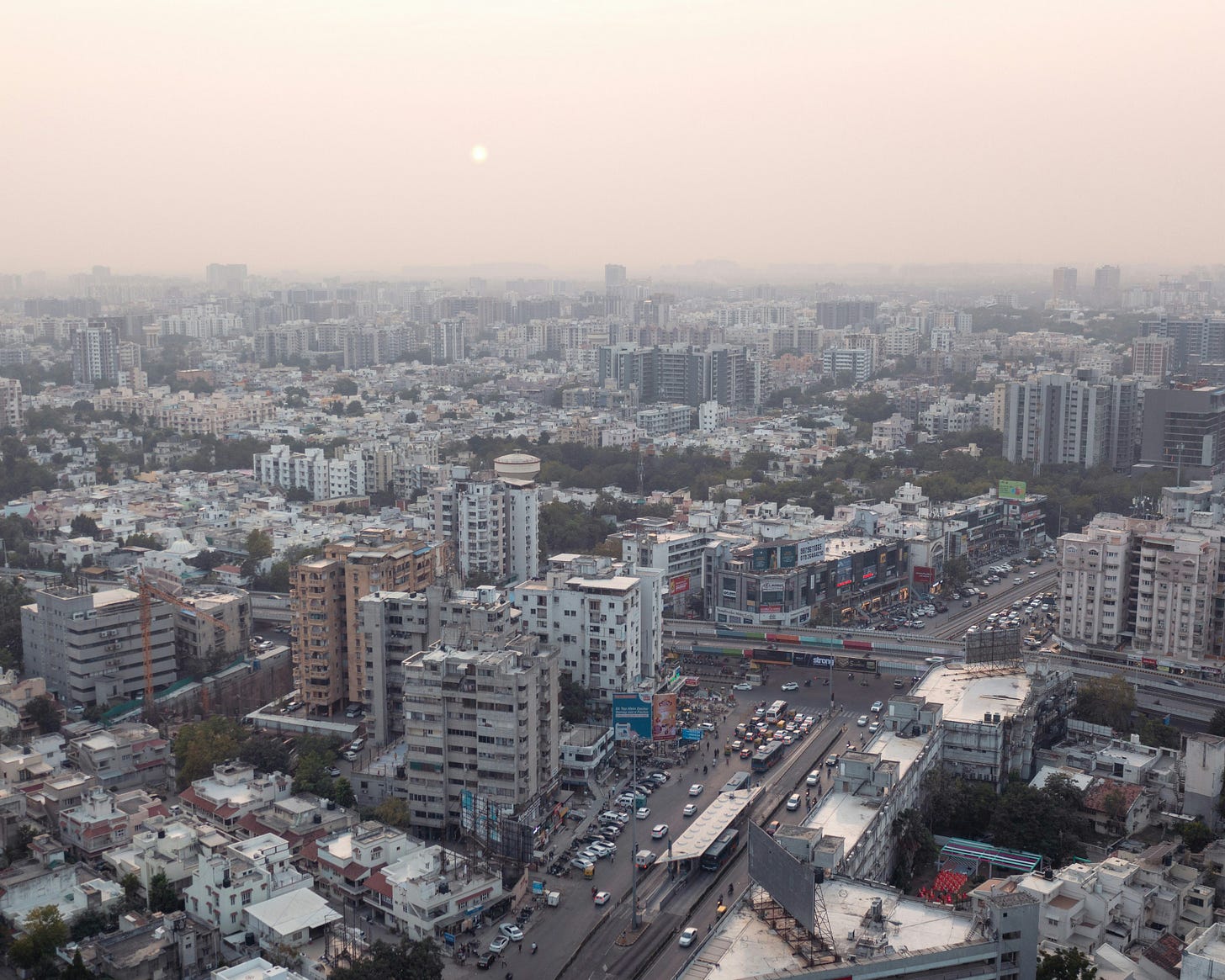
After a powerful heatwave swept across the northeast last week, Possibly turned to its archive, looking for lessons about how to better prepare for extreme heat. We travel to Ahmedabad, India to learn
With the 250th anniversary of the Declaration of Independence this year, fireworks will soon light up American skies. Do these tiny explosions have an impact on our environment or our health?
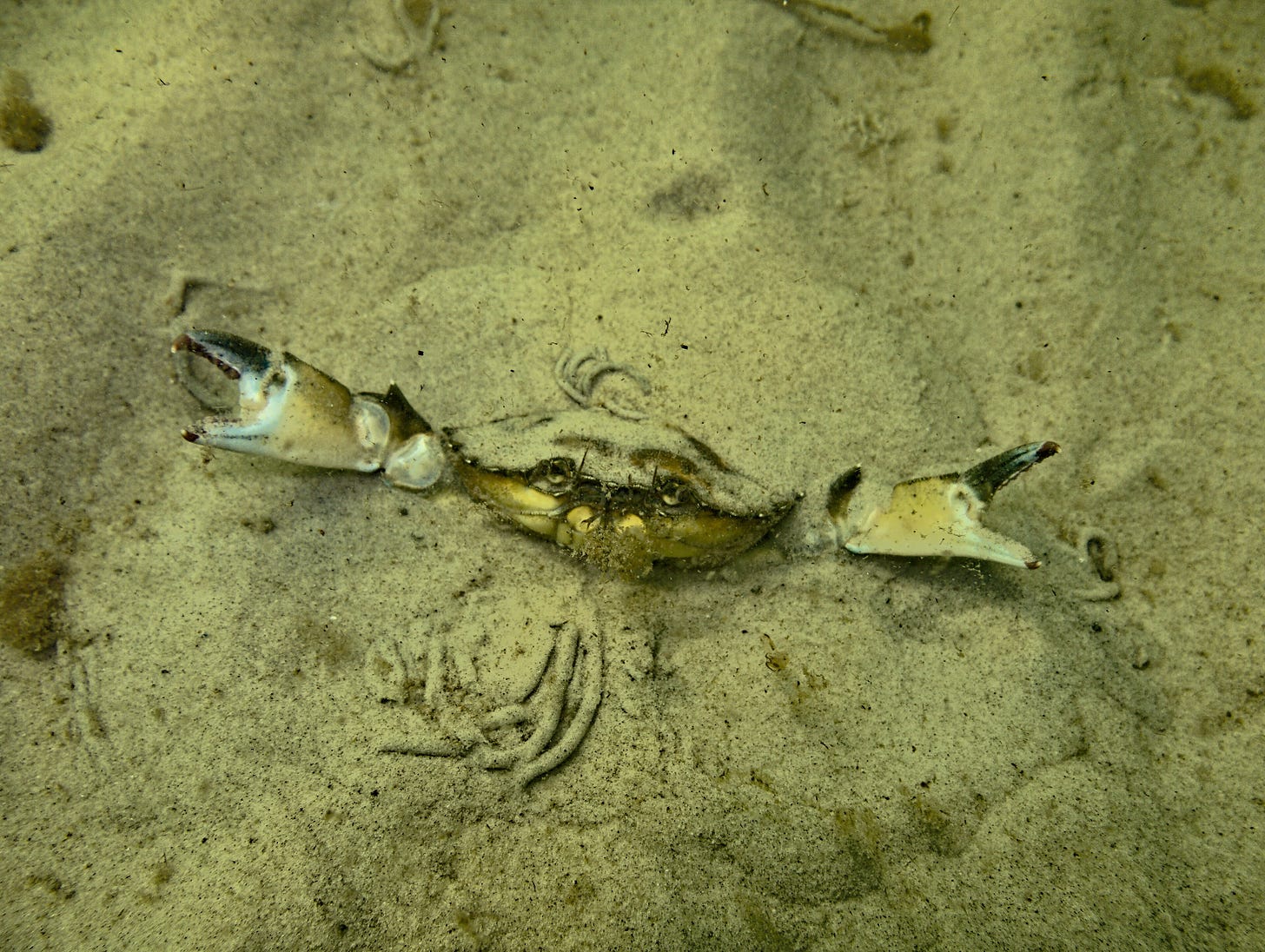
Advocates are calling for an unorthodox method to fight invasive species like the European green crab: just cook them up for dinner!
Rodenticides, used by farmers to protect their crops, can cause all sorts of harm to wildlife, especially birds. This week on Possibly we talk to some farmers trying a more natural solution.
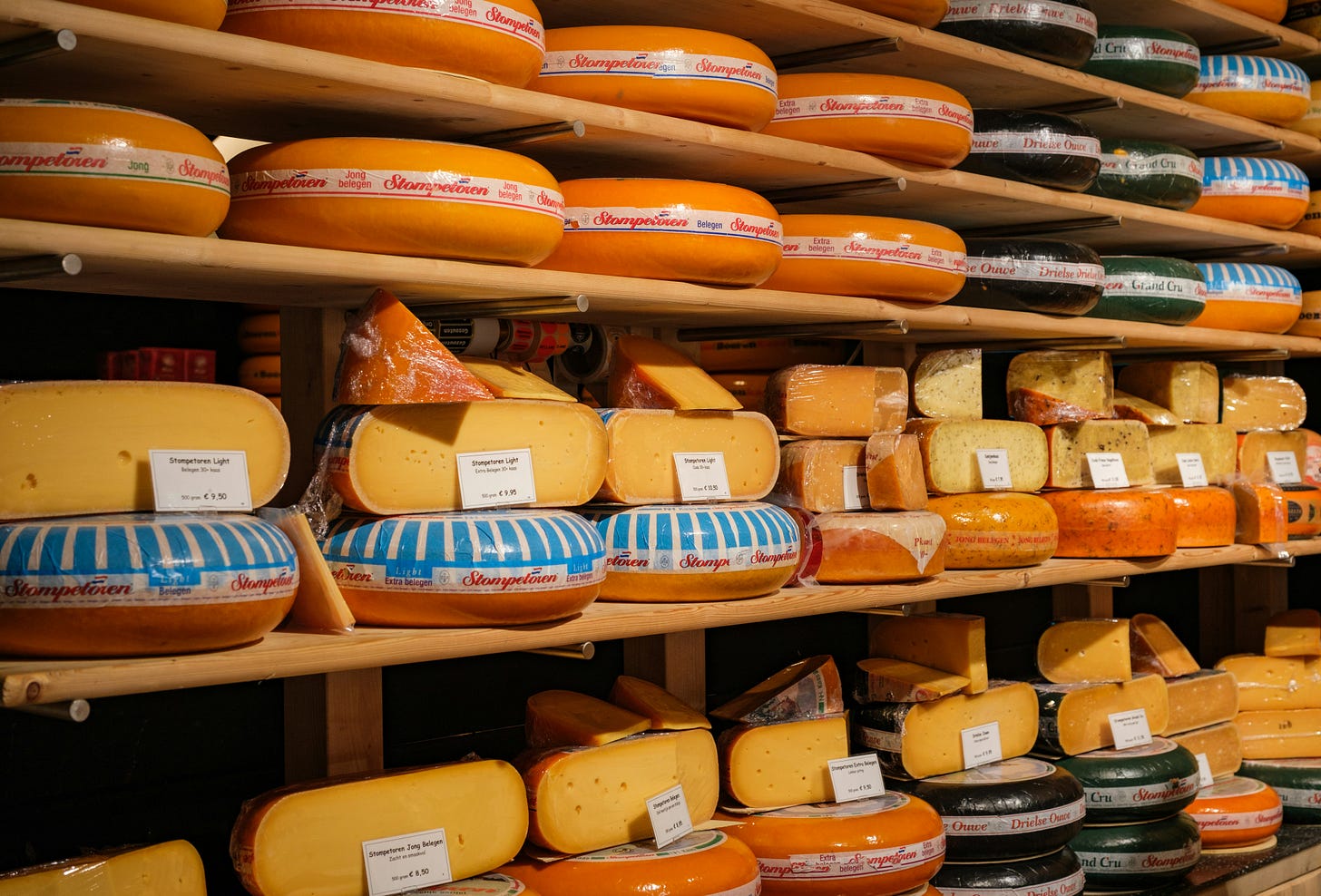
In part two of Possibly’s series on the dairy industry, we’re turning our attention to an age-old method used to efficiently store cheese
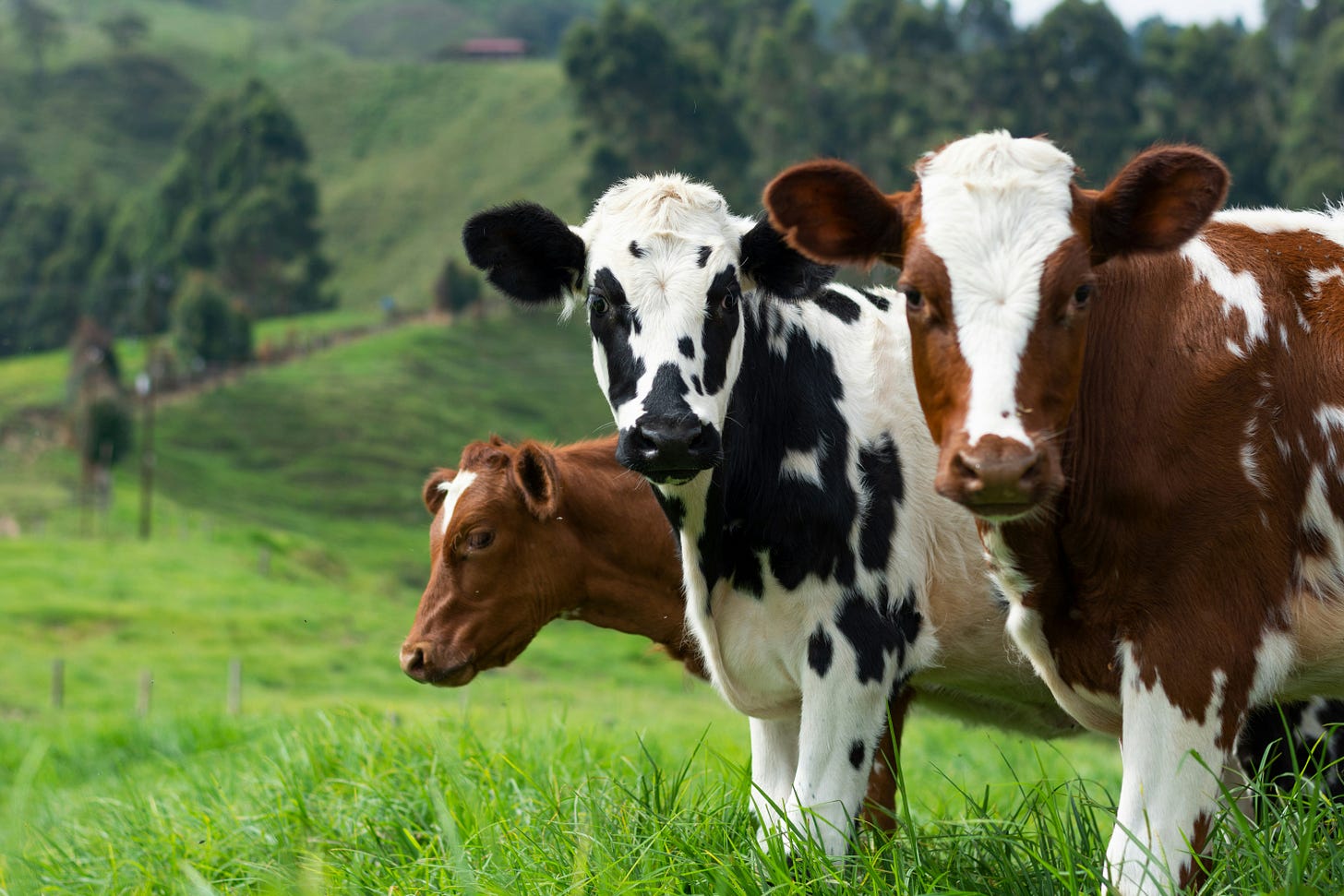
We talk a lot about the carbon pollution that comes along with eating beef, but this week on Possibly we’re asking: what about eating dairy? How do they compare?
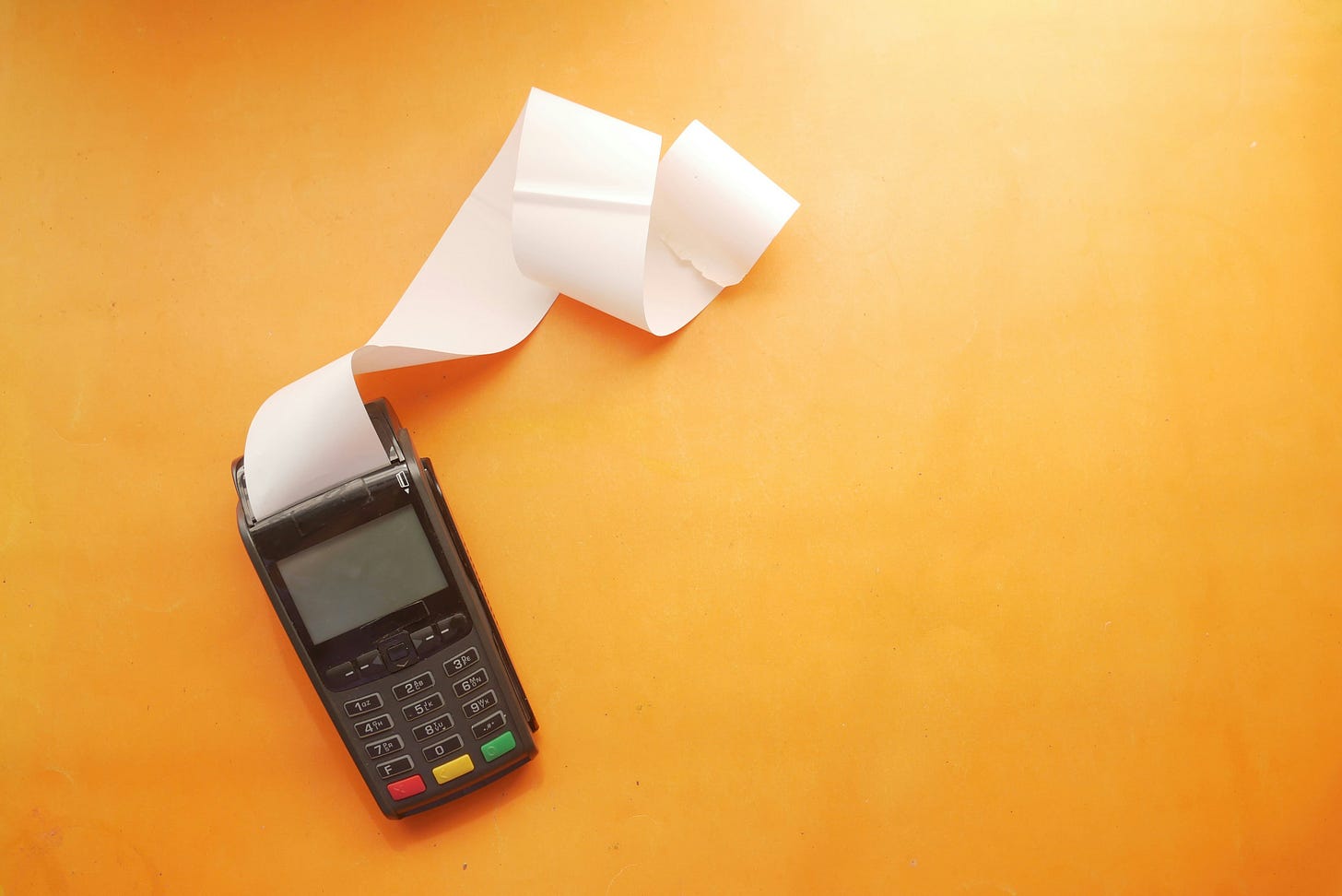
This week on Possibly we explain why the paper that receipts are printed on can add a lot of complications, for recycling, and for your health too.
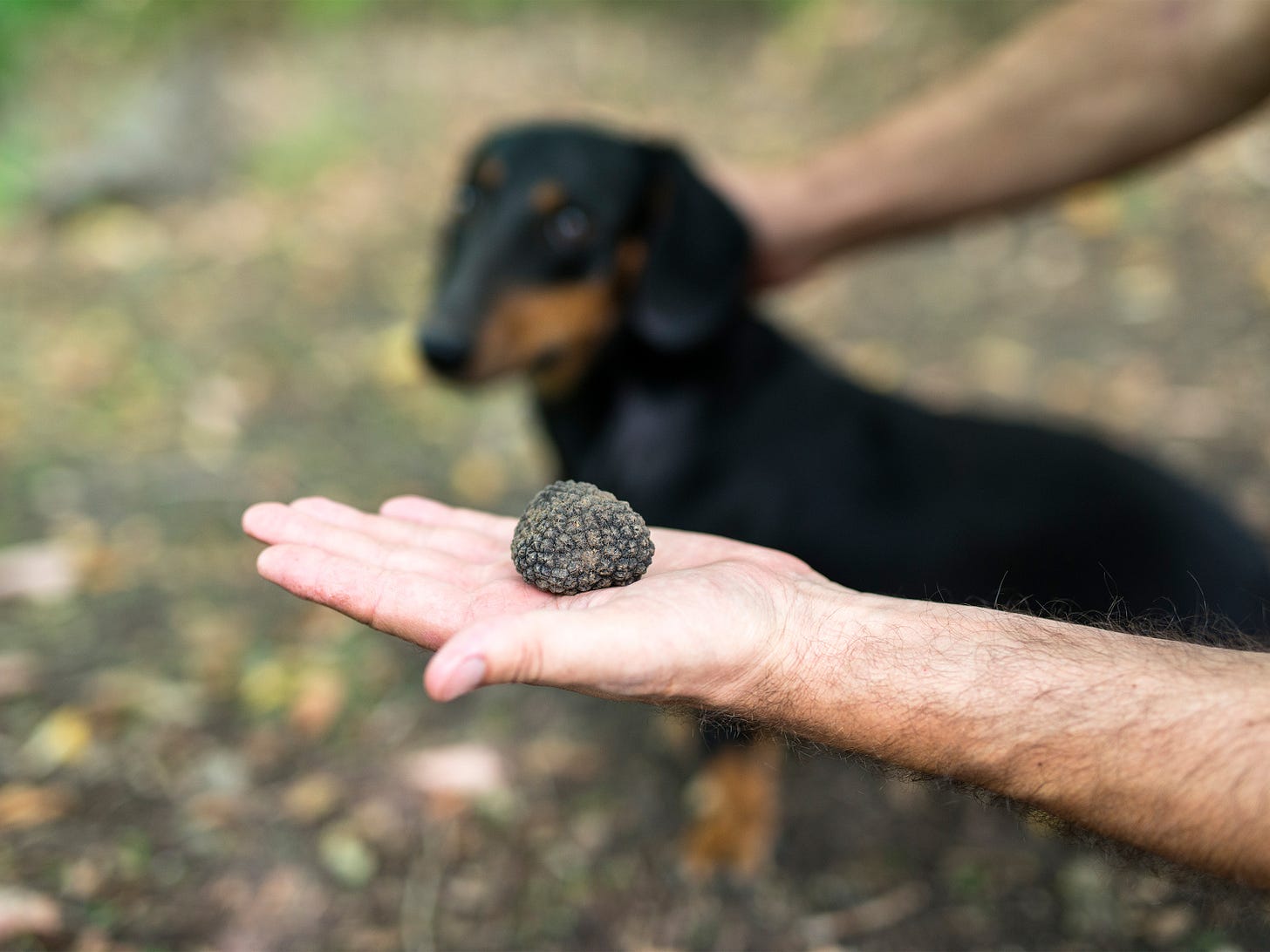
These rare mushrooms are famous for their intense flavor, and their expensive price. But climate change may be driving those prices even higher
“Reducing your footprint” became one of the most familiar ways to talk about climate change, but why did that framing catch on? And what does it leave out?
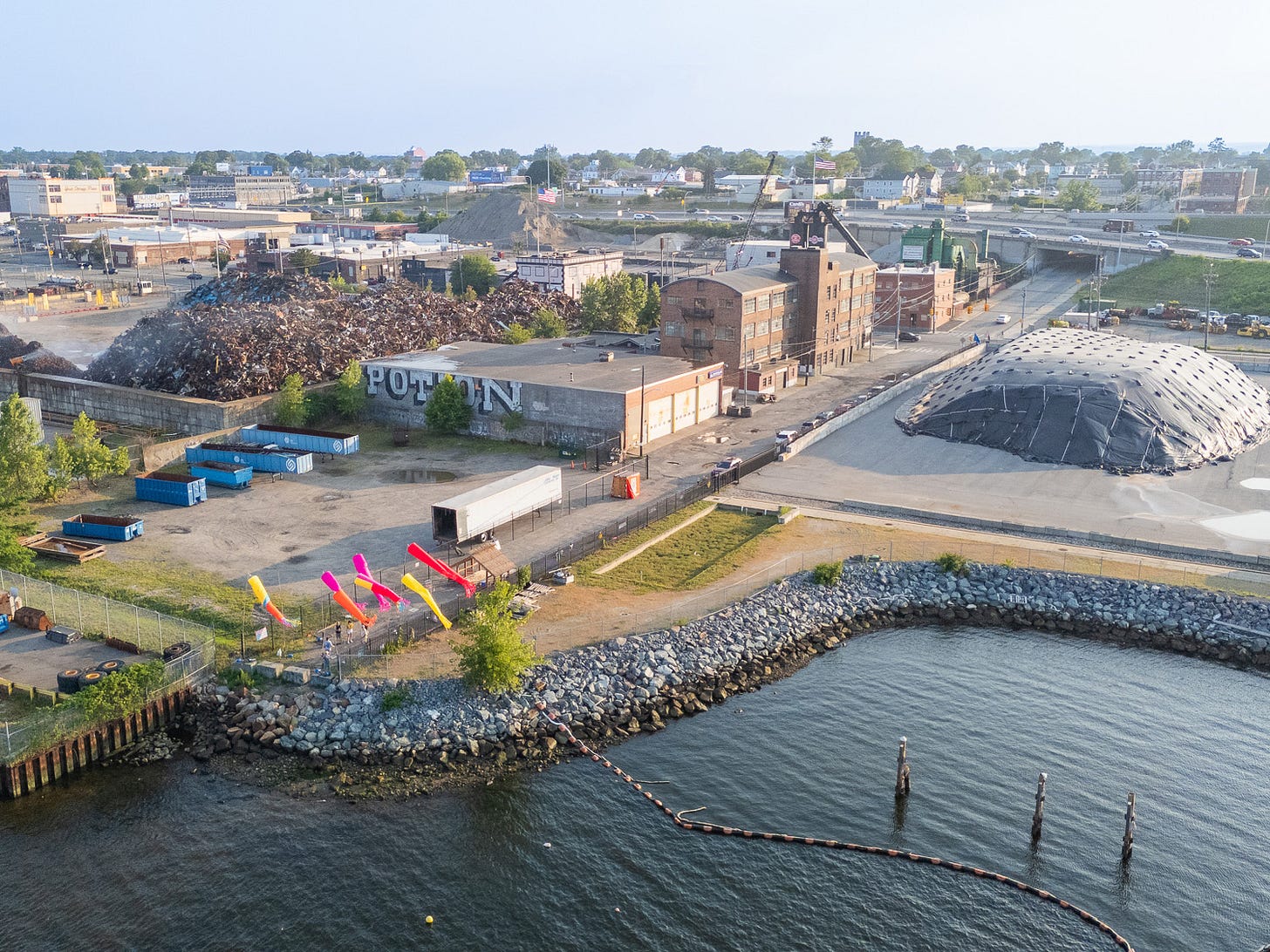
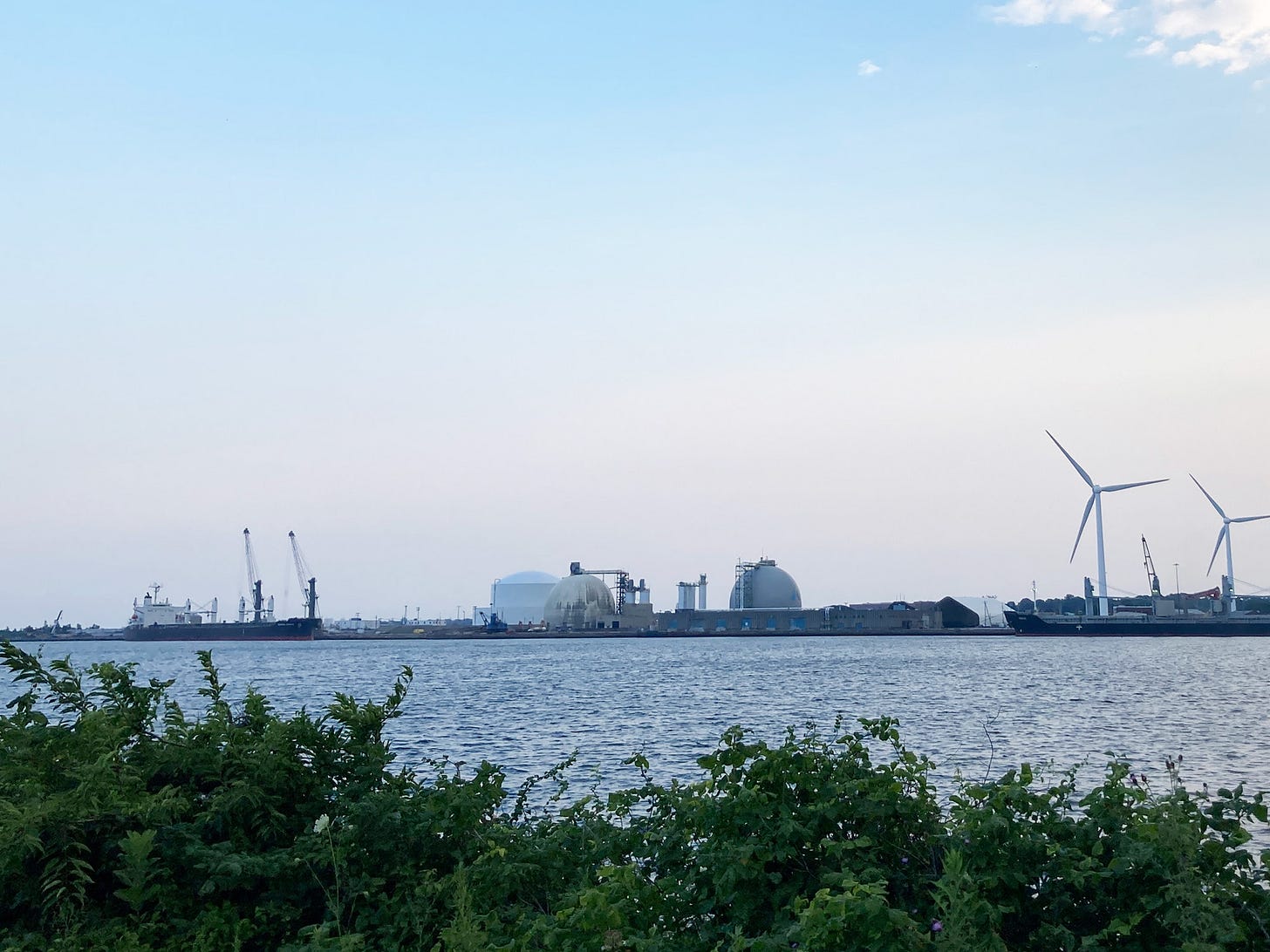
With colorful windsocks and a gazebo, Providence artist Eli Nixon developed an art installation to bring attention to the air quality around the Port of Providence.
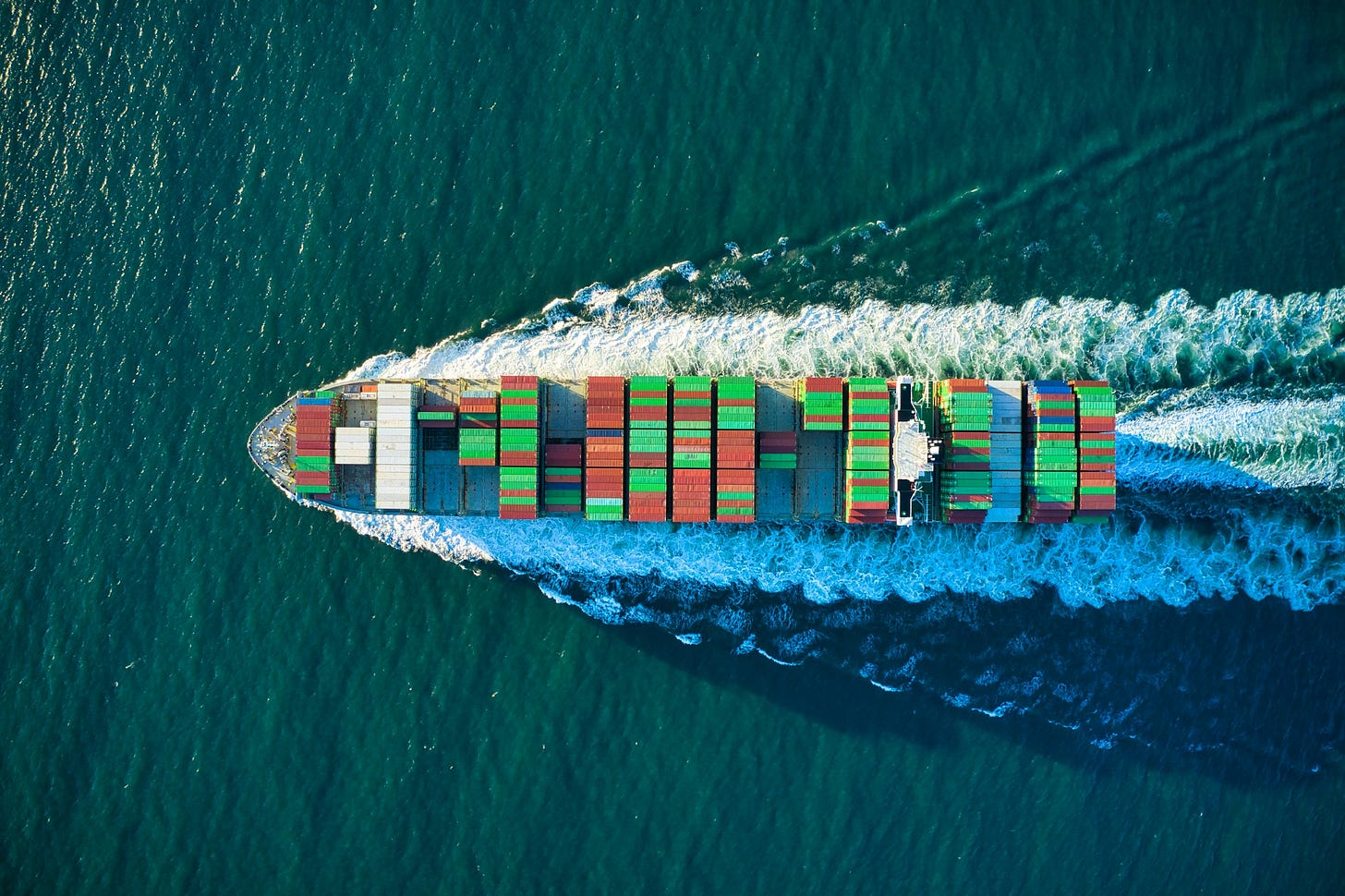
This week on Possibly we’re taking a look at the ships that carry our goods around the world. What would it look like to take fossil fuels out of the equation?
A research team at Brown called Breathe Providence is asking people to track what they smell, in an effort to better understand air pollution in Rhode Island.
With assisted migration, humans help move plant species into areas more suitable for their growth. But are there potential downsides to this human-led movement?
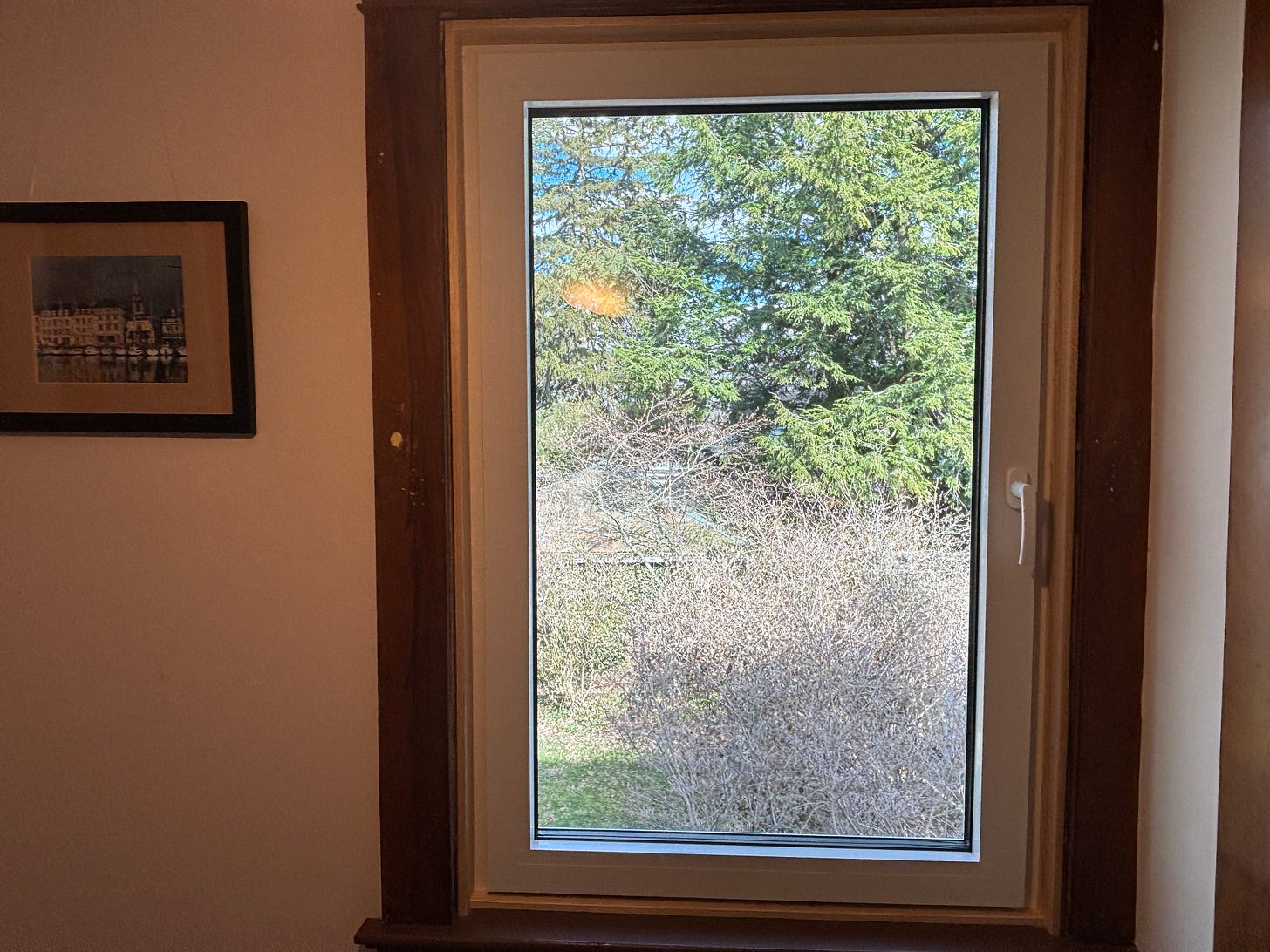
Possibly co-founder Stephen Porder has been on a home energy efficiency journey. We check in to see how his latest addition, new windows, are impacting the energy efficiency and comfort of the home.
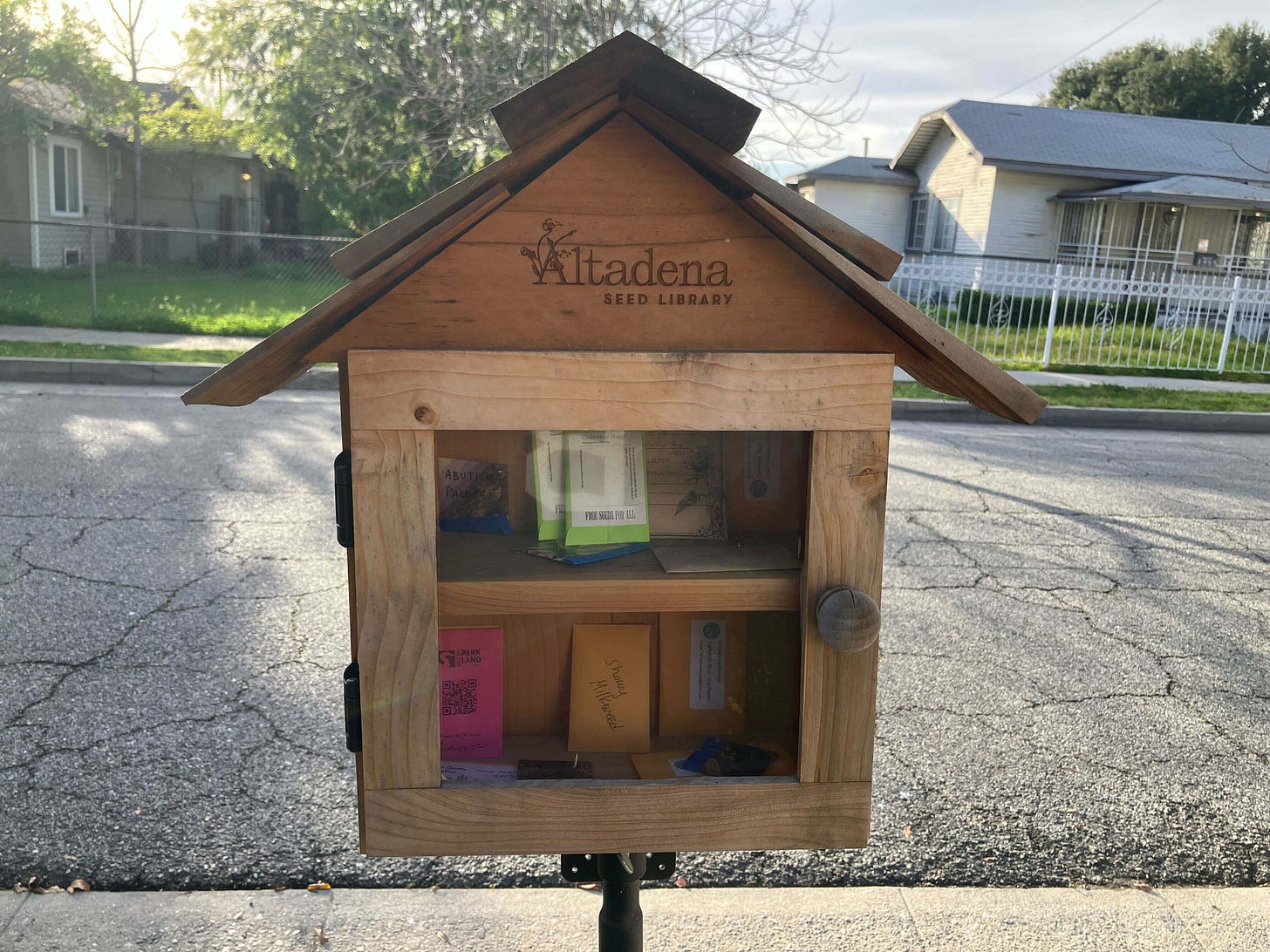
In Los Angeles, a new crop of curbside libraries are helping communities recover after last year’s wildfires. But instead of books, these libraries are full of seeds.