Our award-winning podcasts bring the latest geographical insights to your classroom from a host of experts. The experts involved present their own opinions, which should not be interpreted as the Society's point of view.
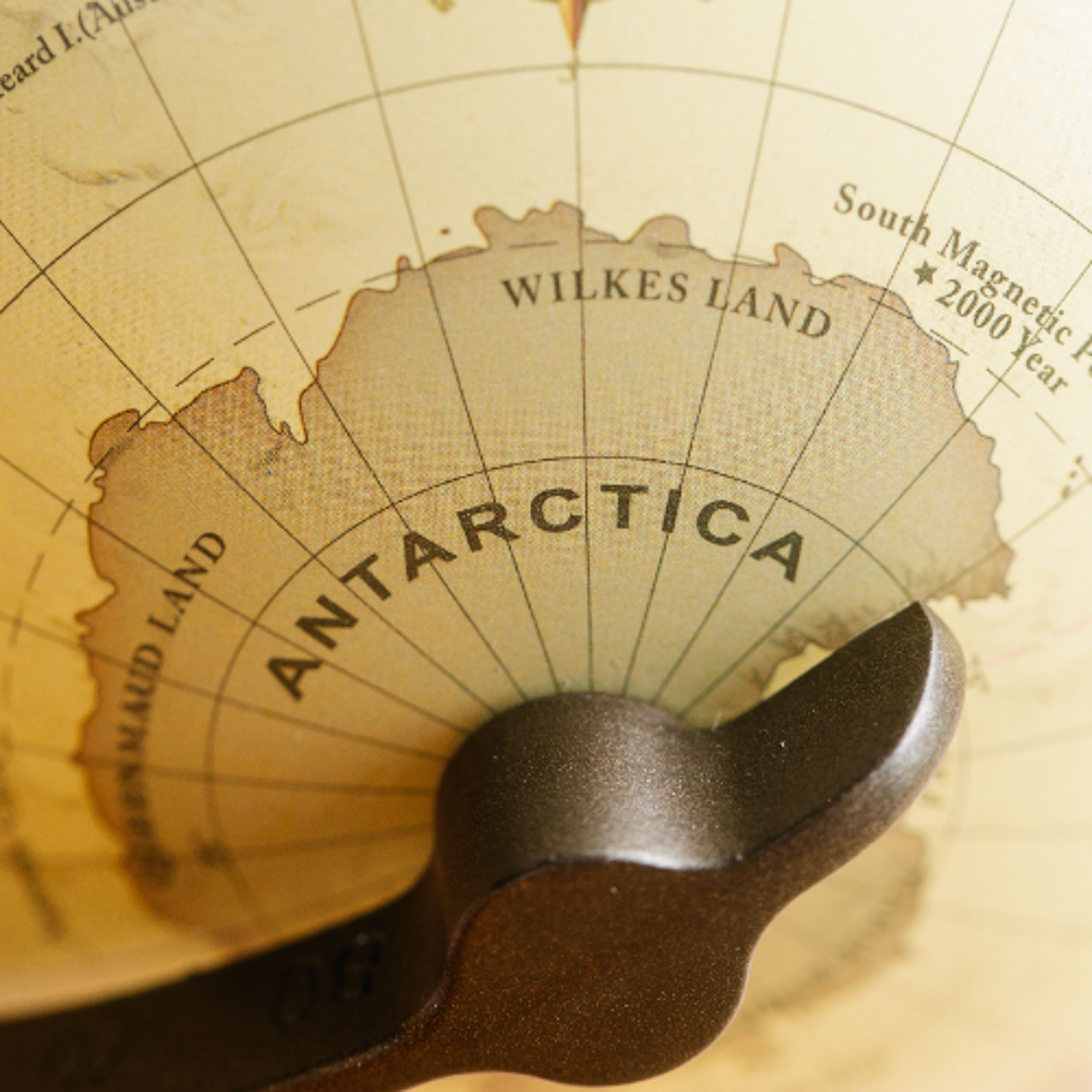
This podcast looks at the most extreme environment on Earth – Antarctica. Max Worsley who is planning an expedition to ski over 1,300km across Antarctica in November 2026 - a 2 month unsupported two person trek to raise awareness about Antarctica’s role in global systems from sea level to climate regulation.
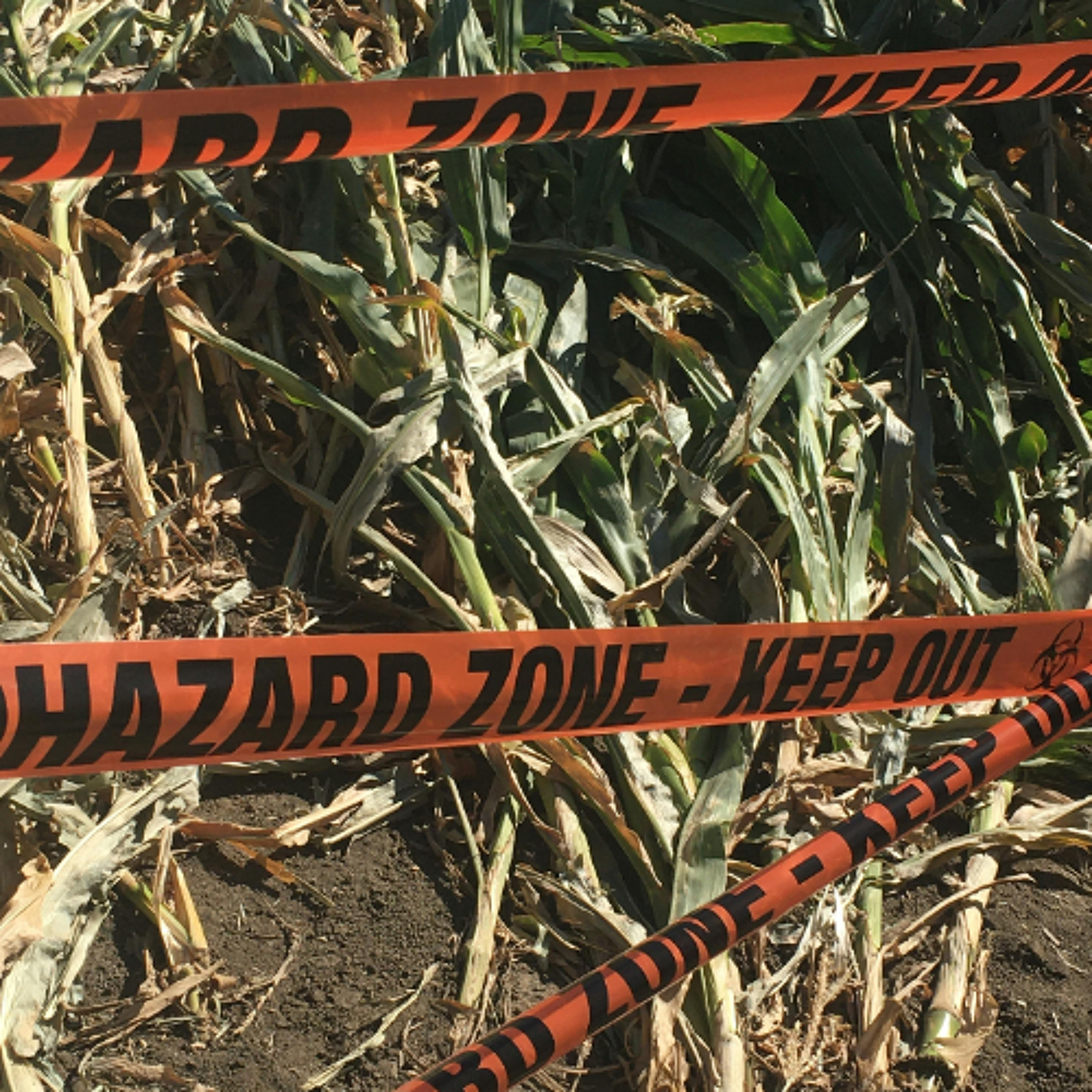
Risk assessment in insurance and reinsurance relies on many of the skills developed through studying geography. This podcast explores how insurers evaluate risk and how it is evolving with growing threats from climate change and urbanisation. Dr Tina Thomson also shares real-world examples of where hazards have - and have not - been effectively managed from an insurance perspective.
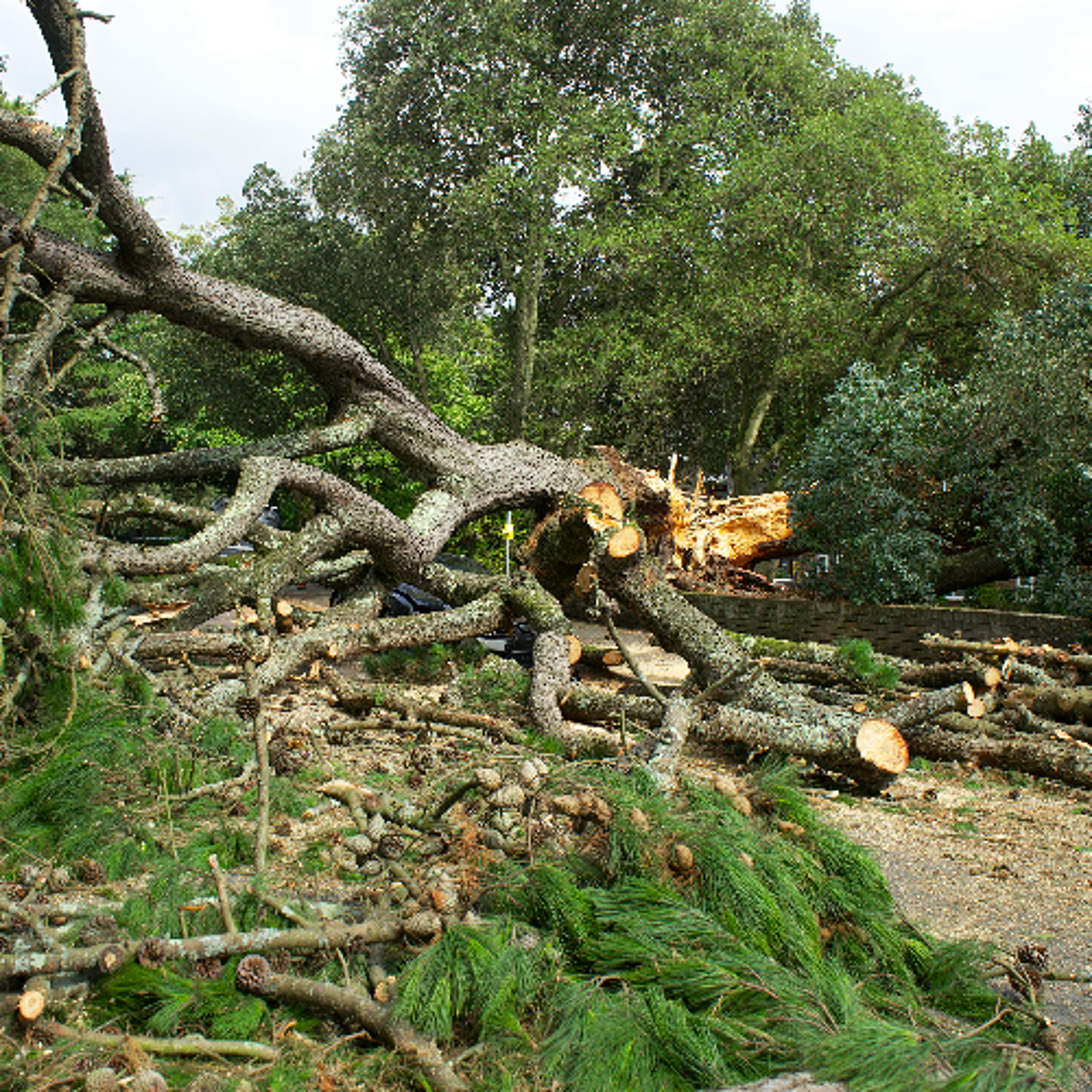
Join us in our podcast where we speak with Professor Ilan Kelman on the role people play in hazard management. Ilan uses well known examples such as the 2010 Haiti earthquake to show the impact of poor planning and management has affected communities long after the hazard event.
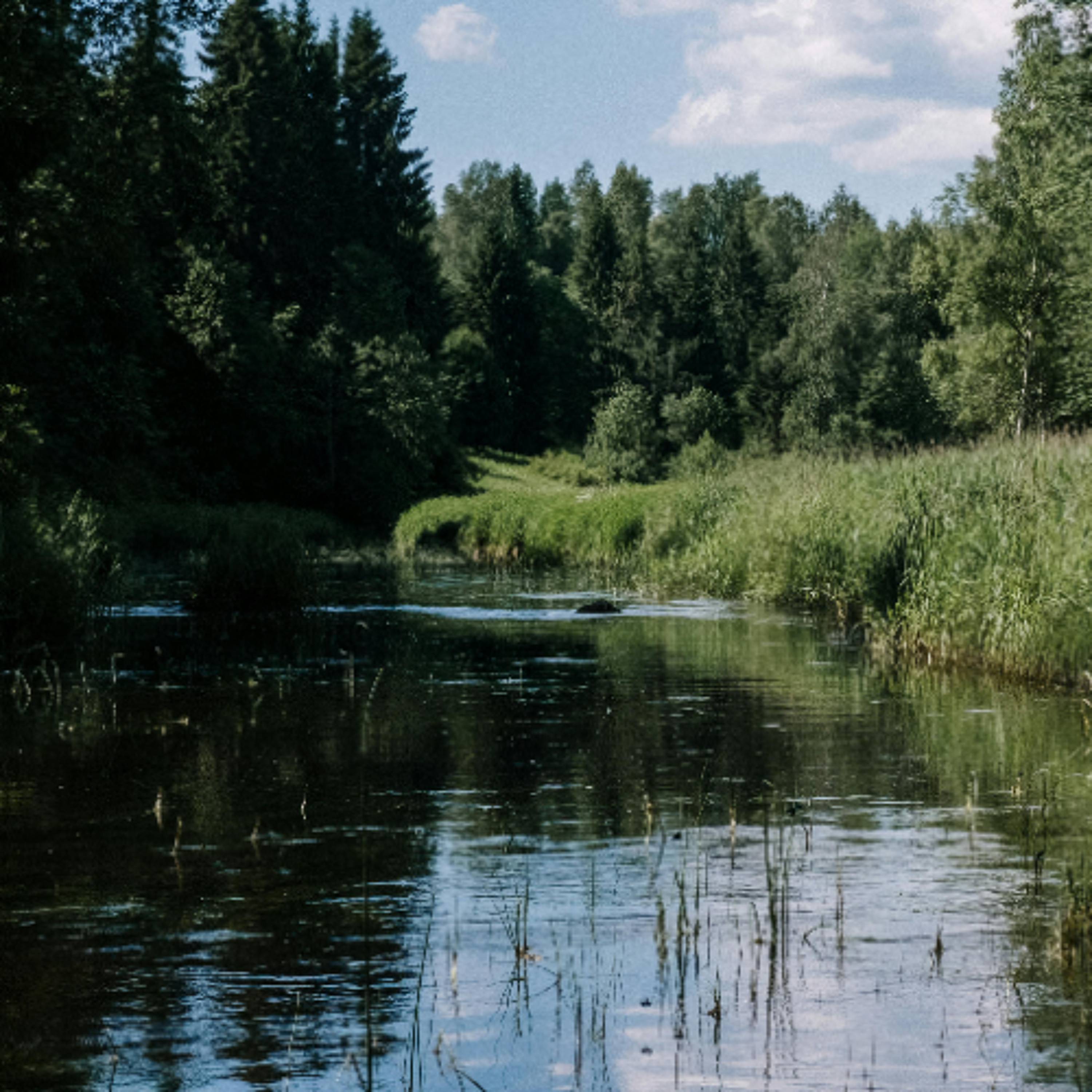
This episode of ask the Geographer features a discussion with Chrystiann Lavarini, a senior fluvial geomorphologist at the environmental and engineering consultancy - WSP. The conversation explores how rivers behave, the impact of human activities on them, and sustainable management practices in the context of climate change. Chrystiann shares insights on river regimes, systems, and the factors…
Join us as we talk to Island Geographer - Chloe Searl on all things fieldwork. From why it is more important than ever to how schools can weave it into their curriculum Chloe explains how fieldwork can help students learn beyond the classroom and how participating in meaningful fieldwork they can develop valuable skills for working life.
In this episode, Paul Turner discusses his journey in integrating climate and nature education into the core school curriculum through the Ministry of Eco Education. Paul gives examples of places which are becoming more sustainable using practical measures. He also gives advice to students who are thinking of entering a green career.
Discover how climate change is reshaping our coastlines and what strategies can help us adapt. Larissa Naylor, a professor of Geomorphology and Environmental Geography at the University of Glasgow, shares insights on coastal processes, landform creation, human impacts, and future management.
In this episode of Ask the Geographer, we look into the role of nature-based solutions in addressing climate change. Join us as Dr. Stephen Cornelius from WWF explains how ecosystems can be part of the response and why this is crucial for sustainable geography practices.
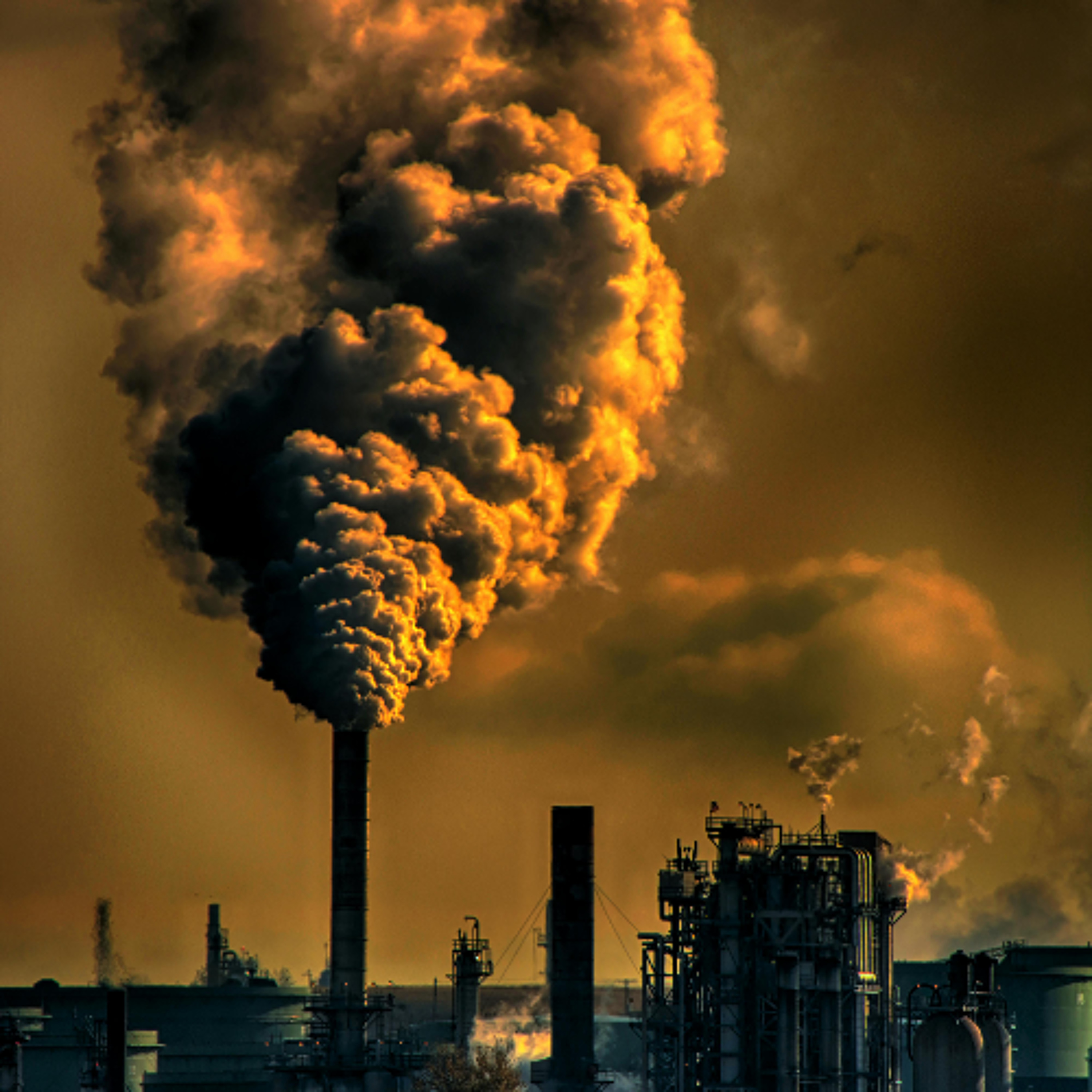
In this episode of Ask the Geographer podcast, Dr. Angus McNelly, a lecturer in international development at King's College London, discusses the intricate relationship between fossil fuels and the development of countries, particularly in China and Latin America. He explains how the post-World War II era marked a significant shift in global politics and economics, leading to the rise of fossil…
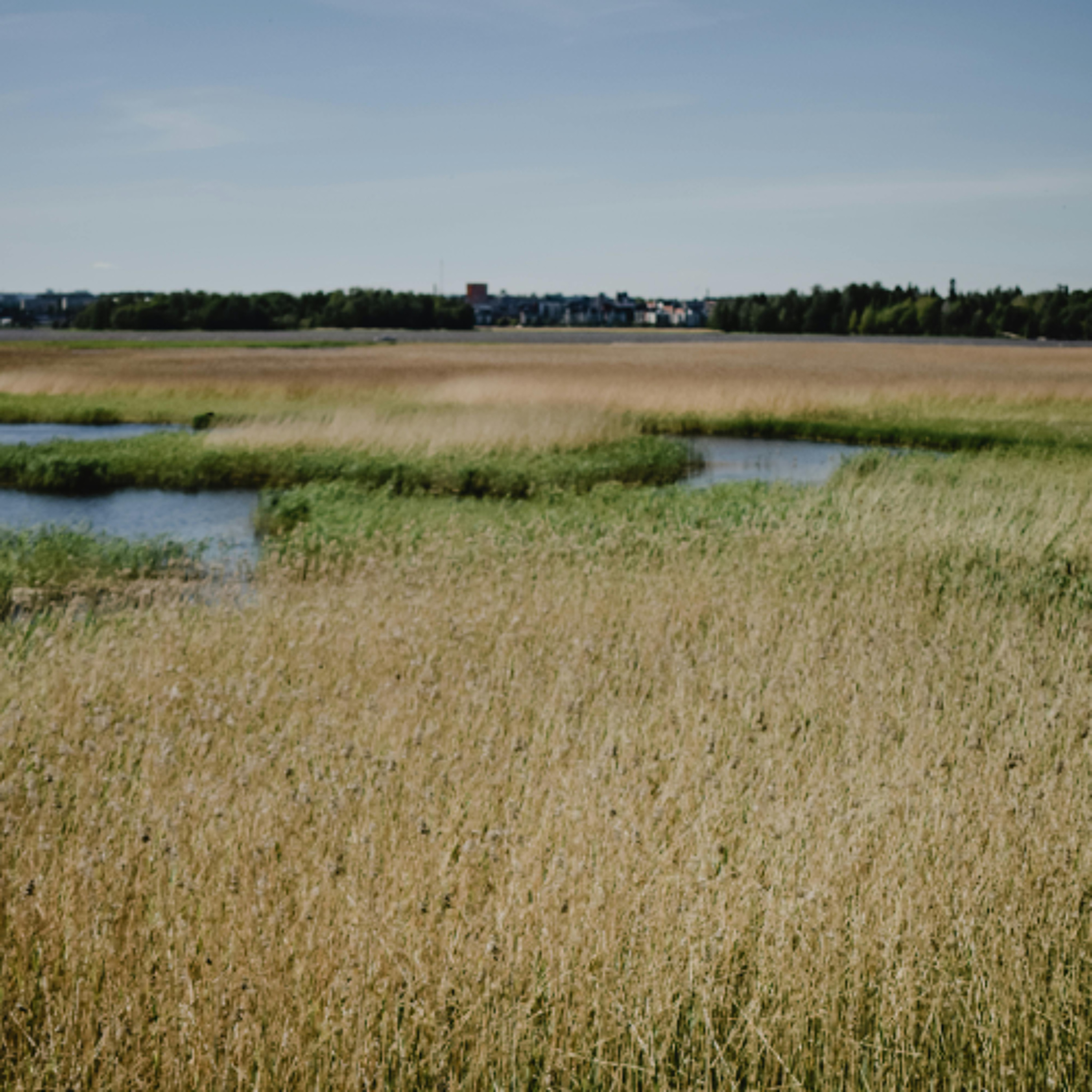
Dr David Anderson joins us to talk about wetlands; how they can provide a nature-based solution to climate change and their importance to an abundance of different species which use them. He reflects on their current status and methods which are being adopted to restore them.