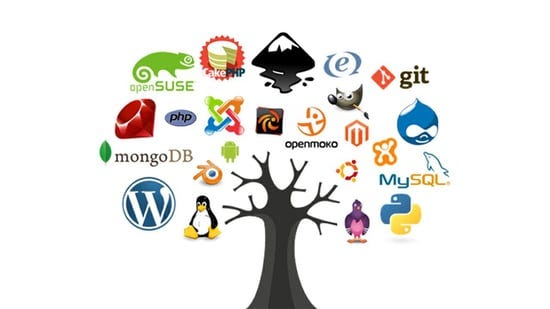
The Apache Lesson for AI
In 1995, the question in the media was whether Netscape or Microsoft would control the web. The answer, it turned out, was neither.

A publication by Tim O’Reilly and Ilan Strauss. Participatory, decentralized AI markets built for human participation, reward, and oversight.
Subscribe:.rss.atom.json.md.m3u.pls
Live Last read · last published · next check
In 1995, the question in the media was whether Netscape or Microsoft would control the web. The answer, it turned out, was neither.
SemiAnalysis thinks the DeepMind shakeup means Google is losing the AI race. It might be that Google is choosing to run a different race.
Thoughts on model "culture" as a kind of lock-in
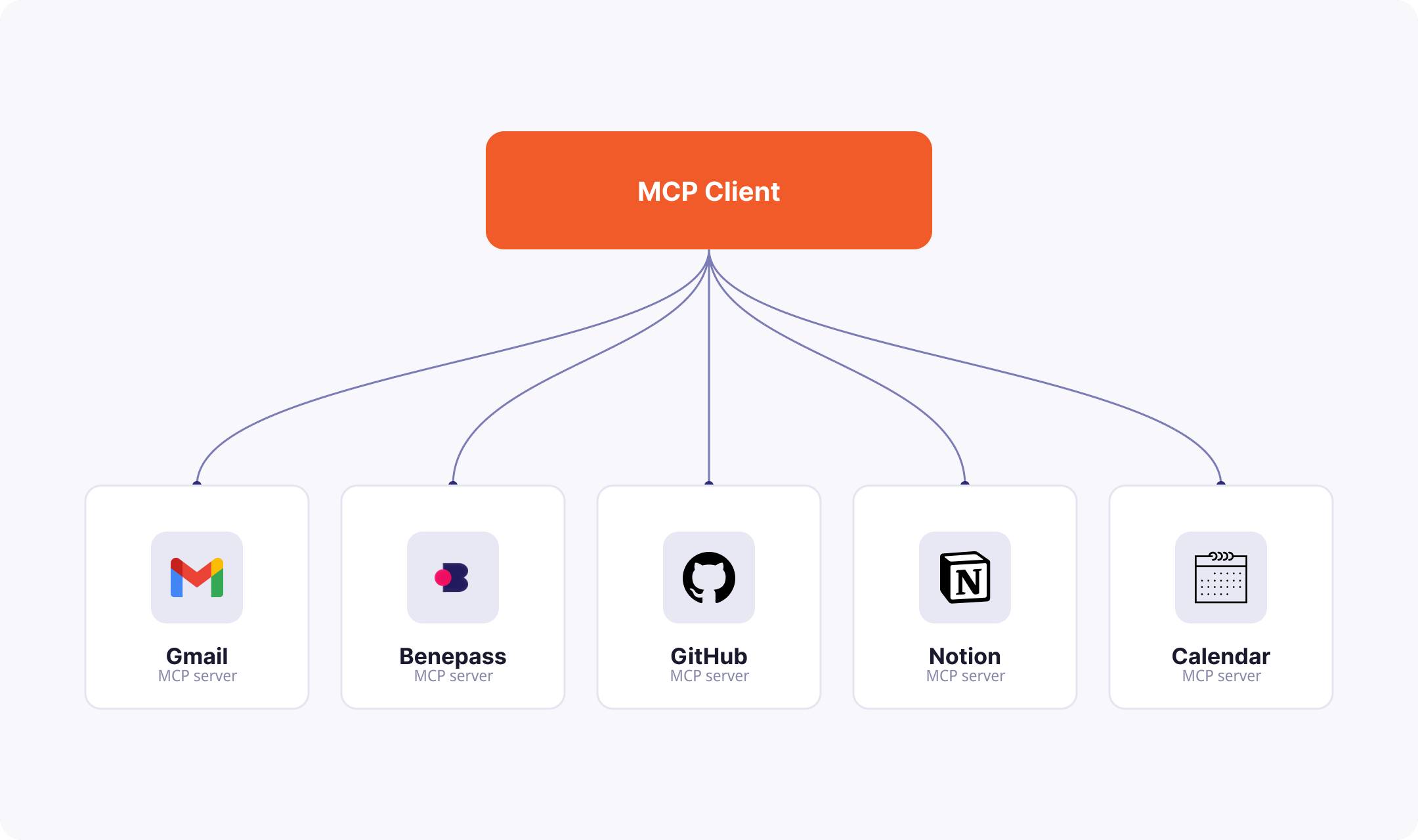
How MCP tools are becoming even more portable with remote servers and MCP aggregators
Why AI needs markets — and how specialized production / open protocols can enable this.
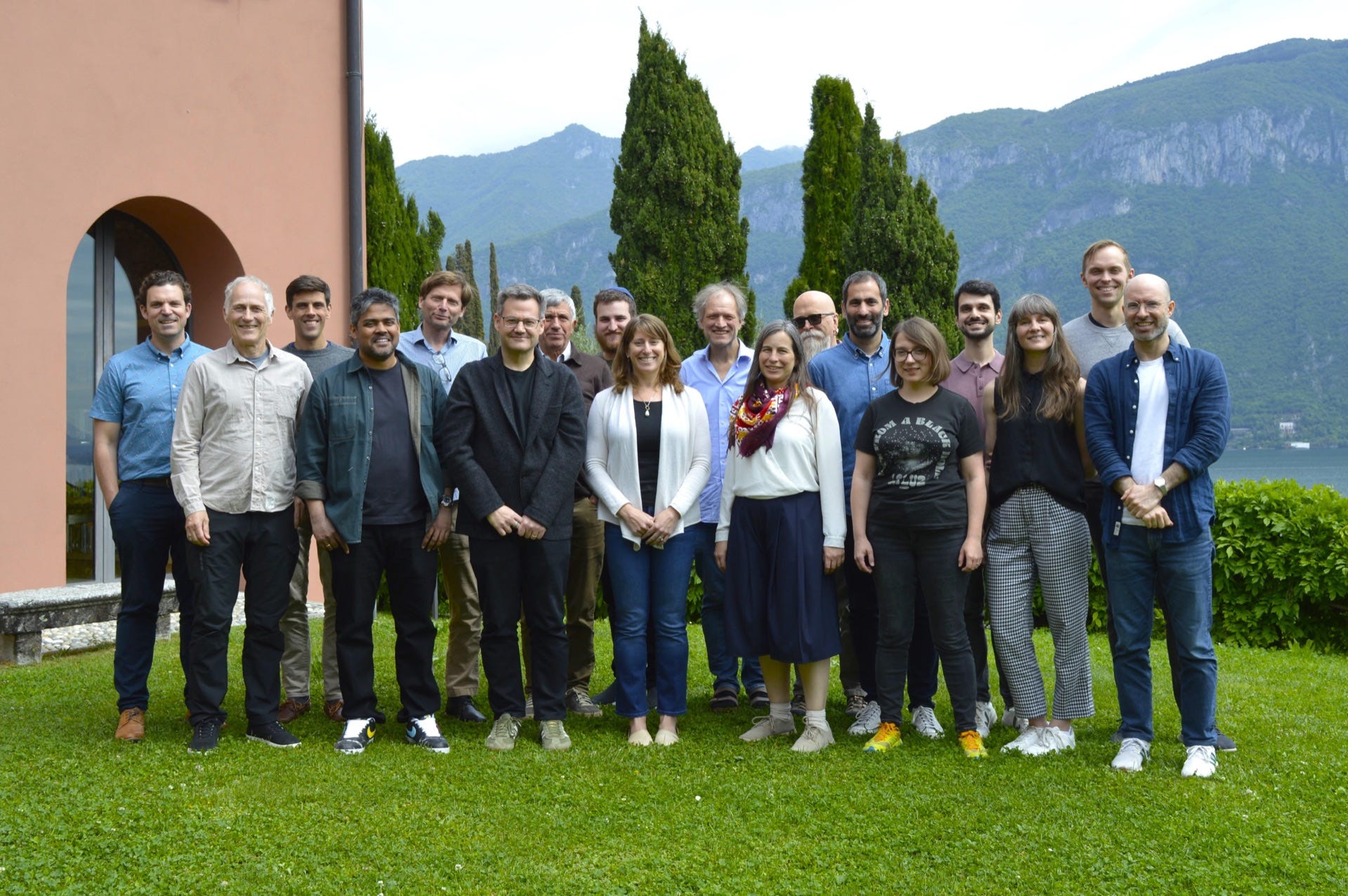
AI Sovereignty, the Architecture of Participation, and our Rockefeller-sponsored Bellagio Convening
Why better agent discovery is needed – and why broadcasting may be the answer
When open strategy meets private tactics
Will the state discipline AI, or will AI discipline the state?
There is a lot of hope that AI will advance the progress of science, but unfortunately, the collision between AI and scientific publishing has not gone well.
Building software architectures and mechanisms for the agentic economy
From disclosures to protocols to markets
How current LLM infrastructure artificially limits developer control and system reliability
The pragmatic case against scraping the open web and how market-shaping protocols could make agents safer.
The stories of Stack Overflow, Tailwind, FFmpeg, and curl
"if you listen very hard, the tune will come to you at last"
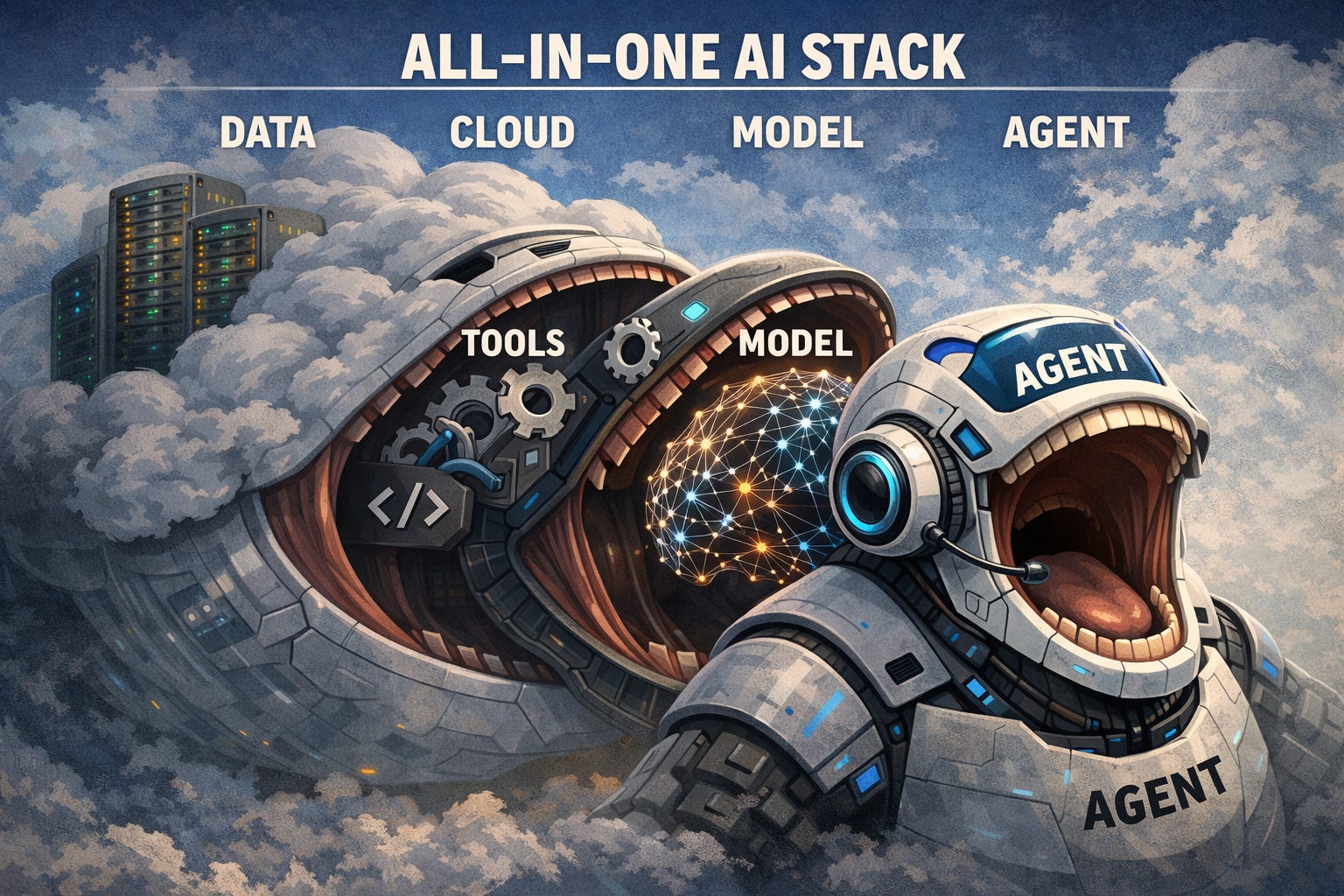
The bundling problem and the thin line between product and protocol.
Tell Us What You’re Optimizing For
Without careful disclosure architectures, AI products may only get worse, even as the technology gets better.
With All Due Respect, Jensen Huang: AI Is a Tool, Not a Worker