The 2004 Sumatra Earthquake Is Still Moving The Ground—600 km Away
A new study finds that land up to 600 km from the earthquake’s epicentre continues to sink by a few millimetres each year.

Science, technology and medical news updates from Asia
Live Last read · last published · next check
A new study finds that land up to 600 km from the earthquake’s epicentre continues to sink by a few millimetres each year.
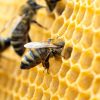
New study reveals an elaborate social machinery behind honeybee royalty, showing how specialised workers, distinctive wax, and carefully controlled nursery help transform a larva into a queen.
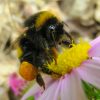
A new study shows that bumblebees display distinct facial expressions after tasting food, revealing that insects can distinguish between liking and wanting.
A new study shows Japanese house bat mothers use both sound and touch to locate and retrieve their own pups, adjusting their caregiving as the young grow up.
Researchers analysing four decades of satellite data found Himalayan rivers are changing course more rapidly as climate warming weakens riverbanks, with implications for water security and communities downstream.
Scientists in Japan have created a portable plasma device that can turn air into fertilizer, helping rice grow in simulated lunar soil.
A new report from Boston Scientific, supported by the Asia Pacific Heart Rhythm Society, illuminates the road from innovation to better atrial fibrillation care for the region.
Twist Bioscience’s integrated ecosystem of next-generation sequencing tools that drive up throughput and lower cost is powering a new era of population genetics research.
Researchers suggest evolutionary mismatch as a potential reason, with ancient human instincts struggling to cope with the demands of modern, hyperconnected life.
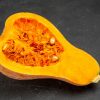
A new biodegradable film made with carbon dots derived from pumpkin peel could help reduce food spoilage and cut reliance on plastic packaging.