
In February 2022, when newly wed Naqshe boarded her flight from Islamabad to California, one thought kept penetrating her sleepless haze: “future figure out karna hai, dentistry figure out karni hai…”1
This restless preoccupation with suturing a ruptured career in a new country is very telling. Like a lot of women who move Stateside after marriage, Naqshe too left a thriving career behind. Of course it was her choice, but volition has little to do with the force of reality that hits soon after moving.
Besides, Naqshe underestimated the depth of the oceans she chose to put between herself and her former life.
“There was a gap between expectation and reality,” she admitted to me two weeks ago, in her backyard in San Jose, under a punishing noon sun.
When she moved, she thought she would shuttle very frequently between the US and Pakistan but for reasons that seem obvious today, that didn’t quite pan out the way she assumed it would. The innocent belief that one will fly through 13 timezones and back once every few months is symptomatic of a kind of hopeful naïveté common to unsuspecting new immigrants. It comes from the same place that beliefs like ‘if things don’t work out here, there’s always home’ do.
No more than a week after moving, Naqshe lost her 2naani. She couldn’t go back in time to say goodbye. That was epiphanous. For the first time she got a sense of the distance between home and here.
She then understood that “this is reality.”
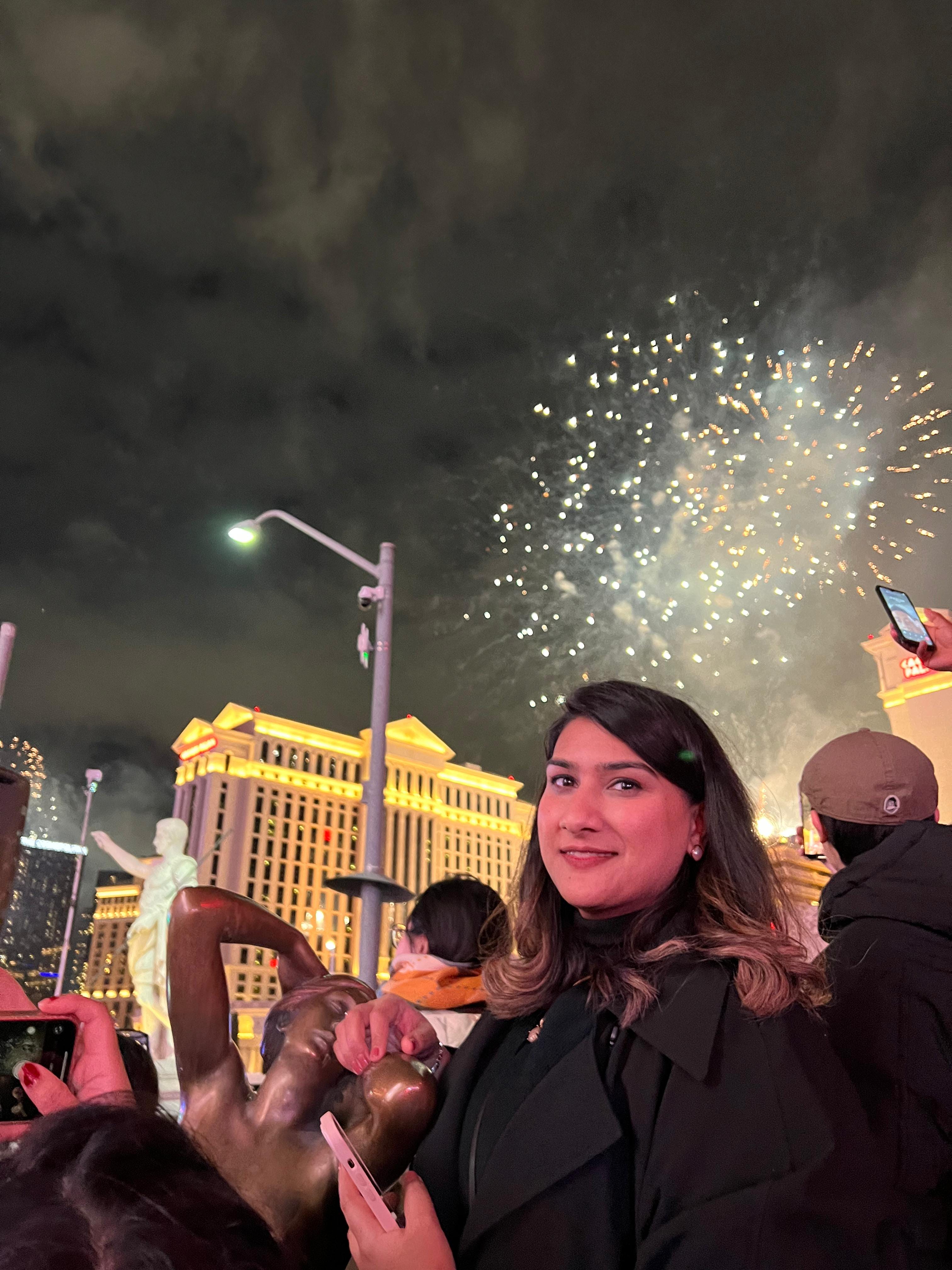
Frivolous millennial acronyms barely seem appropriate here but the fear of missing out on big events back home slowly percolated into her everyday reality as did a constant fear for the health and wellbeing of her loved ones.
“3Aap bahut sara kuch miss karte ho,” she said, referencing the things, big and small, that add up and start making one’s lived experience in America feel like a confusing version of the Faustian bargain.
Confusing not least because she consented to moving.
“Har cheeze behtar hai yahaan pe. There’s only one thing back there — it’s family. Aur woh itni badi hai ki aap har cheeze chod ke ja sakte ho.”4
The other thing Naqshe misses bitterly is work.
She was a practicing dentist back in Islamabad and is working hard to reestablish herself here. It’s a frustratingly long process that begins with clearing a competitive exam, then sending out countless college applications, then completing the course over the next few years, then clearing another licensing exam, then looking for a job and then finally starting to work again, albeit at the bottom of the career ladder.
Naqshe has completed the first step in this chain. She has cleared her exam.
She used to study at a Starbucks nearby, sometimes spending entire days there. She delights in a memory from that phase: one day, as she sat reading her textbooks, someone from the staff, a student himself, came up to her and handed her a bag of goodies.
“He brought me cinnamon cake and cookies and said ‘this is for you, because you’re working so hard.’”
She has sent out applications to over 20 universities this year, including some on the East Coast. When I met her, she was waiting to hear back. Her nerves are frayed. She has gone through this process twice already; this is her third application cycle since clearing her exam.
“I don’t give up,” she said. “Main pangay leti hoon.”5
The reasons for her determination go beyond her burning desire for financial independence. There’s more to Naqshe’s story and I’m distilling several decades of her lived experience into a single paragraph of digital ink here.
She calls herself the black sheep of her family, the “nalaayak baccha6.” She was diagnosed with epilepsy as a child and had to take heavy medication that made her sleepy all day; she had trouble focusing. What ensued was a slew of related challenges including academic difficulties and social issues — she struggled with crippling introversion and had trouble making friends. Naturally, her confidence took a beating.
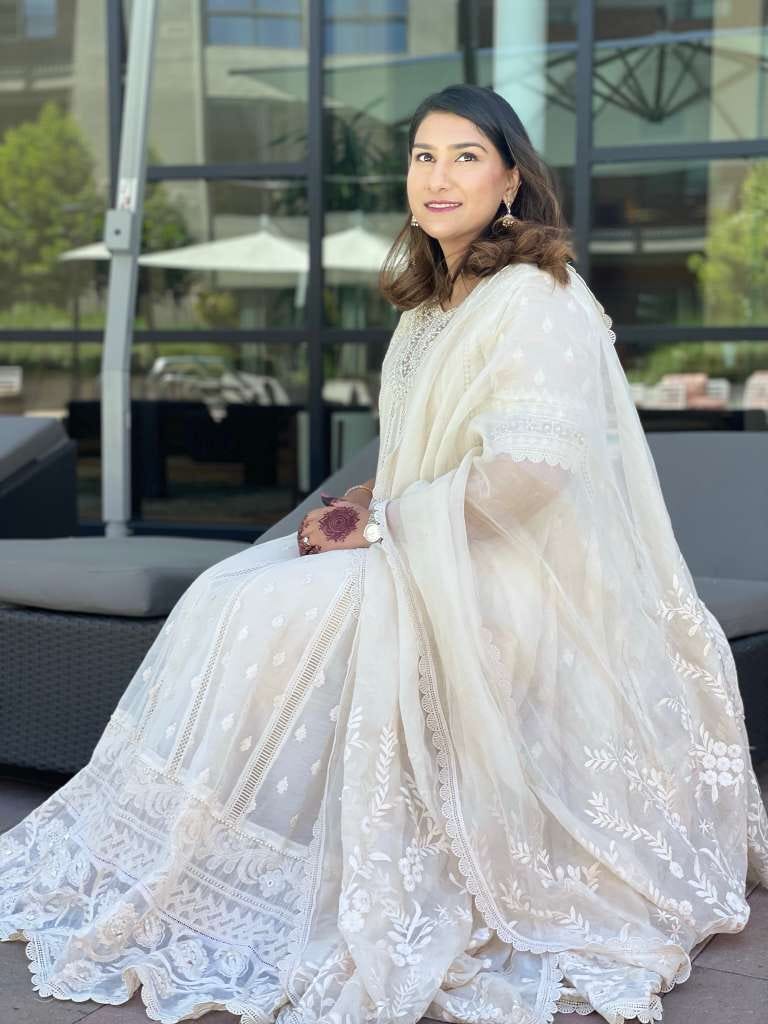
Over the years, though, she faced all these issues with courage and found her way in life.
She credits her parents for their loving support and is grateful for the timely intervention of well meaning teachers. She also acknowledges her own stubborn grit in the face of challenge. She turned things around for herself and established herself as a dentist in Islamabad. She practiced for around 4 years before she moved here.
“Somehow I helped myself and got out of that state, I worked on myself.”
Having come all this way with her health, academic and social challenges, Naqshe now finds the thought of giving up on her dental career unbearable.
“I am in that limbo, I don’t want to give up.”
But anxiety, panic and self doubt are part of life, as she spends her days oscillating between hope and despair. The long road to becoming a dentist here all over again is daunting.
“The clock is ticking.”
The idea of truncating the struggle, switching fields and doing “something else” altogether does come up now and then, but abandoning a skill is a complicated decision.
She recalls the time someone told her she was gifted with a set of healing hands — “iske haath mein shifa hai7.” A patient has grabbed and kissed her hand because she was so happy with the treatment she received. She was frequently lauded at work as “surgeon ki beti8” — (her father served in Pakistan’s army as a surgeon) — and was praised for her talent, possibly a genetic endowment. She has even inspired others to enter this field — a young girl once told her she was her role model and that she herself opted for dentistry only because she looked up to Naqshe.
Despite everything, she is sure the right path will open up for her someday.
“Aise toh nahi baithna. Kuch toh karna hai.”9
While working hard at fixing her career on the one hand, Naqshe is also busy raising her baby boy on the other.
She told me about the time she visited an amusement park with her family. The metaphor in the anecdote is hard to miss. She was keen to try one of those crazy giant wheel rides that rotated and revolved at the same time, and hopped on enthusiastically. But when the ride began, she started screaming “roko, roko!”10 She yelled till the authorities stopped the ride.
They waited for her to get off. But she told them ‘utarna kisko hai?’11 She just needed a moment to prepare for what was to come.
She took a deep breath and told them to restart the ride.
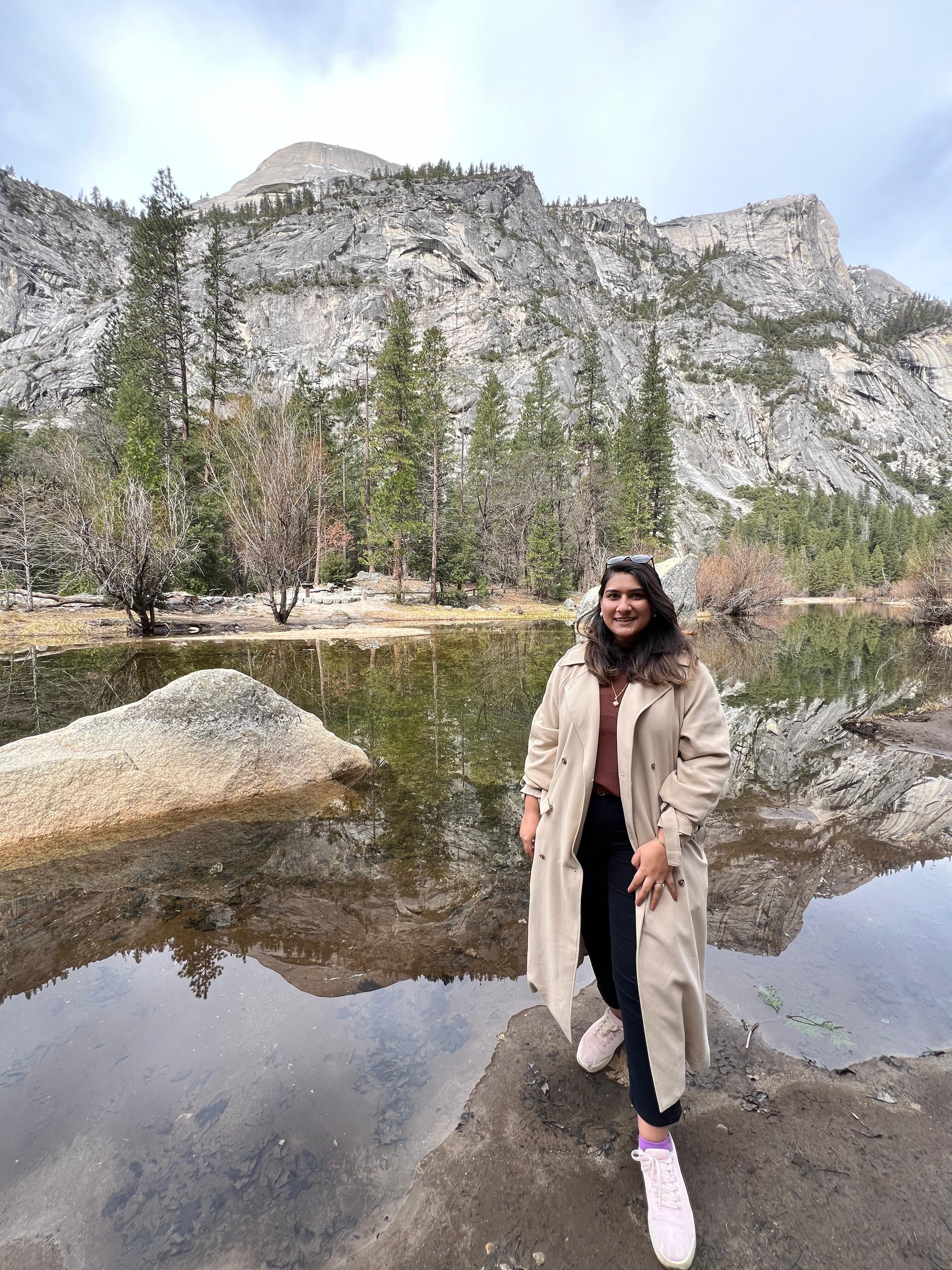
I need to figure out my career, my dentistry here
you end up missing out on a lot of things
a lot of the interview was in Hindi and Urdu. Here she admits that almost everything is better in America compared to back home. Except the fact that family is isn’t here. And the missing piece is big enough to move back for, even if it means giving up on the material comforts of life here.
I take challenges head on even if it means putting up a fight
I won’t sit idle. I will make something of myself here.
who says I want to get off?
No posts
Comments
Nothing yet. Say the first thing.
Sign in to join the conversation.