
“Dragos?” I asked, as we shook hands, making sure I’d heard his name right. A friend of mine was making introductions across a table at a tech event in San Jose last month.
“Yes, like the dragon, you know?” he clarified in an Eastern European accent, making a claw-like gesture with his hand, smiling.
The evening progressed and everyone networked away. When I looked him up on LinkedIn and asked, “is this you?” to confirm I’d found the right Dragos, he looked at my phone and said “da.”
“What did you say? da?”
“da,” he nodded. That’s Romanian for yes, he told me.
While saying our goodbyes for the evening, I asked him if he’d let me interview him for my blog. “Let’s do it!” he said and we high-fived. Few days later, we sat down for a conversation at a noisy coffee shop in downtown Palo Alto.
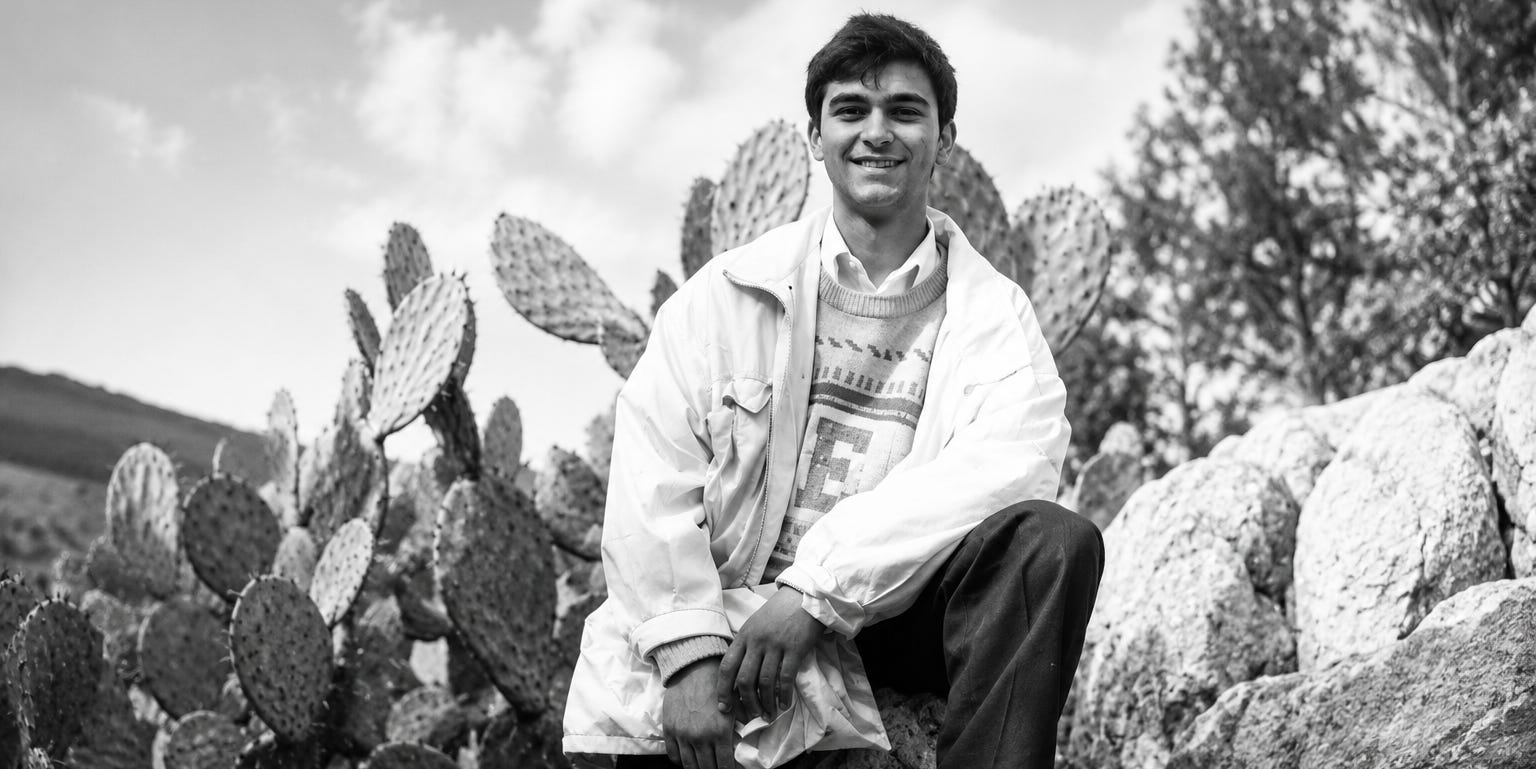
Dragos and I found some common ground as fellow foreigners in America, a place we’re slowly taming and being tamed by. In him I saw the great immigrant hustle, that weathered look that only ploughing through paperwork brings, that underlying hum of tension, restlessness and intense hard work, that makes it difficult to ever really relax completely, even during one’s so-called downtime. Dare I say, that’s something we share.
We laughed about how feeling like you’ve lost a marble or two after moving here is all part of paying your dues, a mental prerequisite to belonging; this place does have a way of driving people crazy in ways impossible to explain to those who haven’t been through a version of it themselves. One of my psychology professors, my very own Severus Snape at St. Xavier’s College, Mumbai, used to call America the land of lunacy, something 20-year-old me didn’t understand. Trading sanity for success, real or imagined, is part of the anxious immigrant’s secret manifesto, I now know.
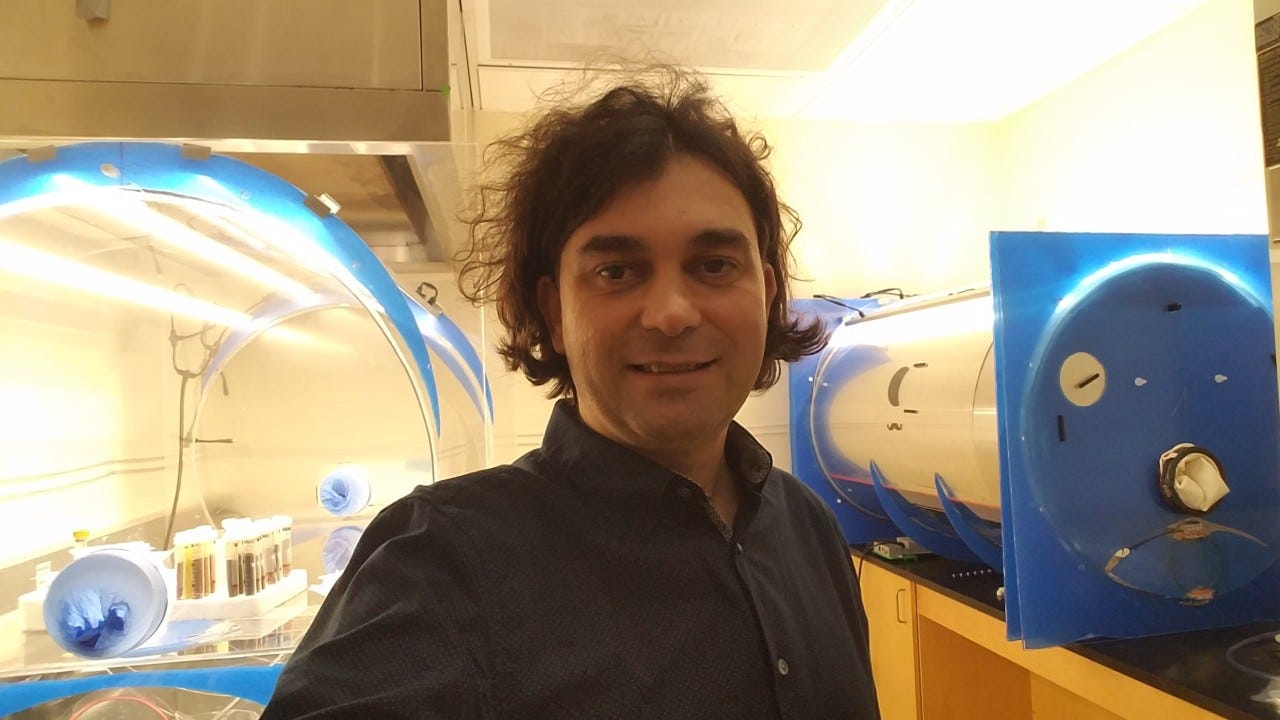
Dragos spoke to me about the origins of life on the planet, his own early life in Romania, and as an afterthought, his experience with moving Stateside. His words spun an invisible web of science and wonder around our little table, for Dragos is a cosmobiologist and biogeochemist who works on designing systems that will enable humans to survive on Mars and the moon. That is of course my distilled one-liner for his work, which includes many more cool things.
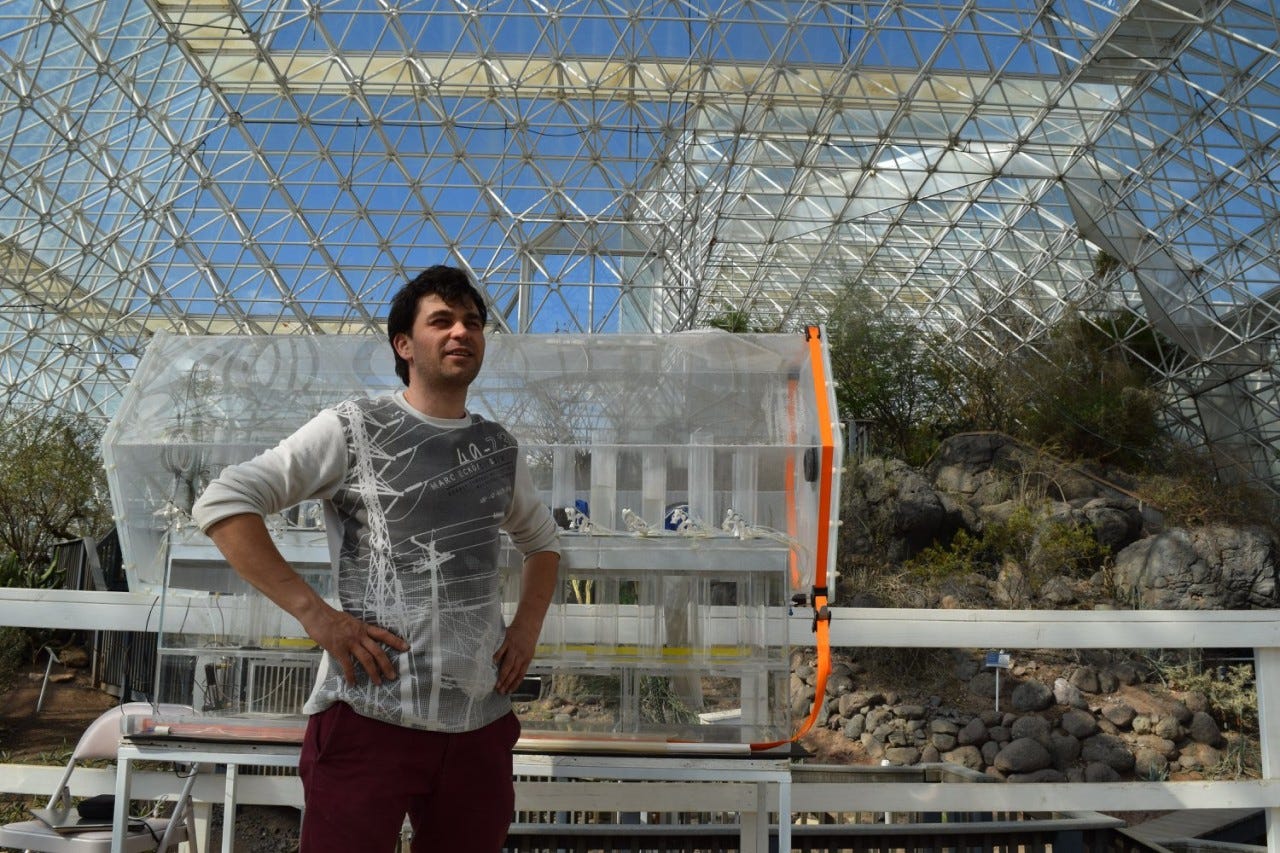
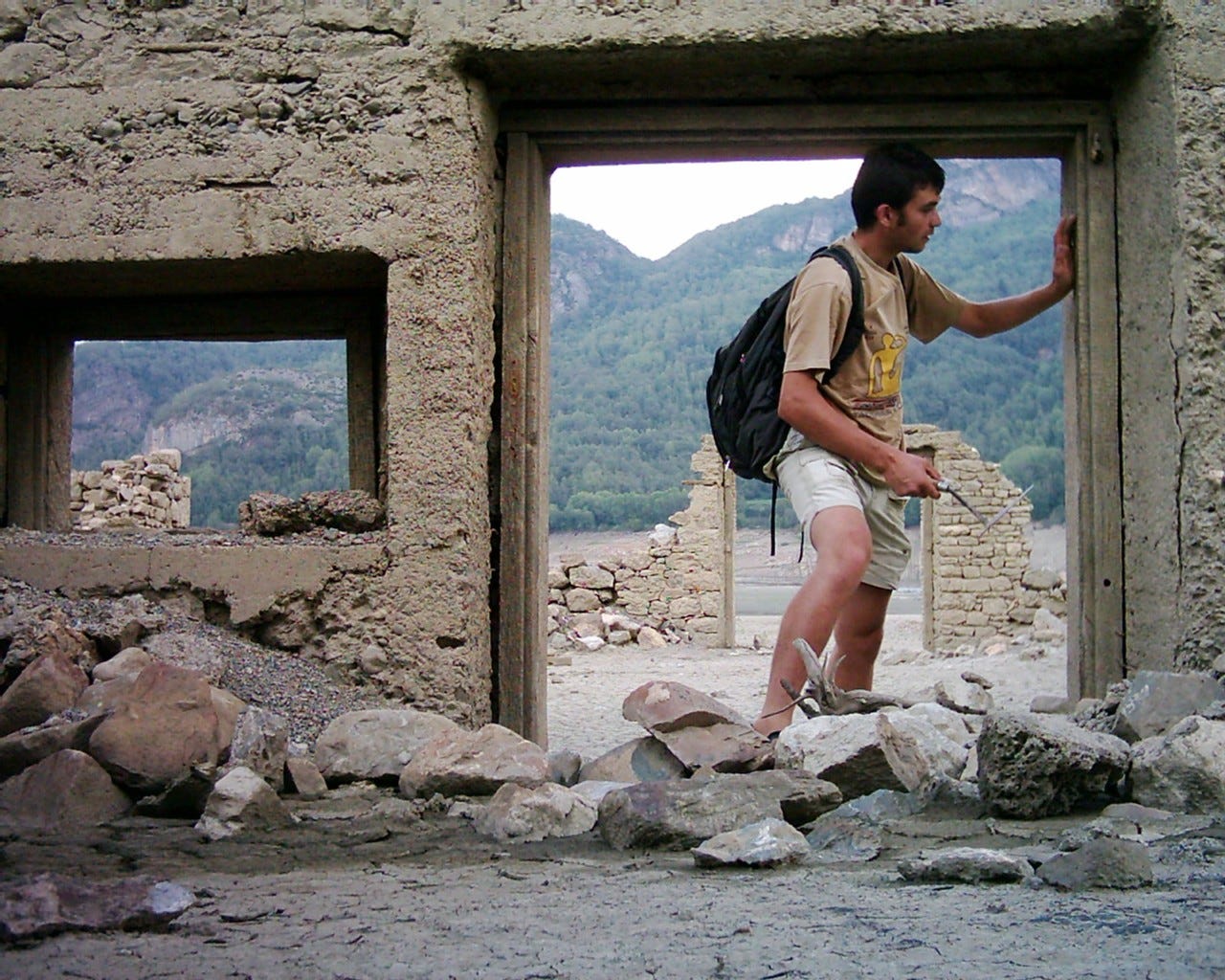
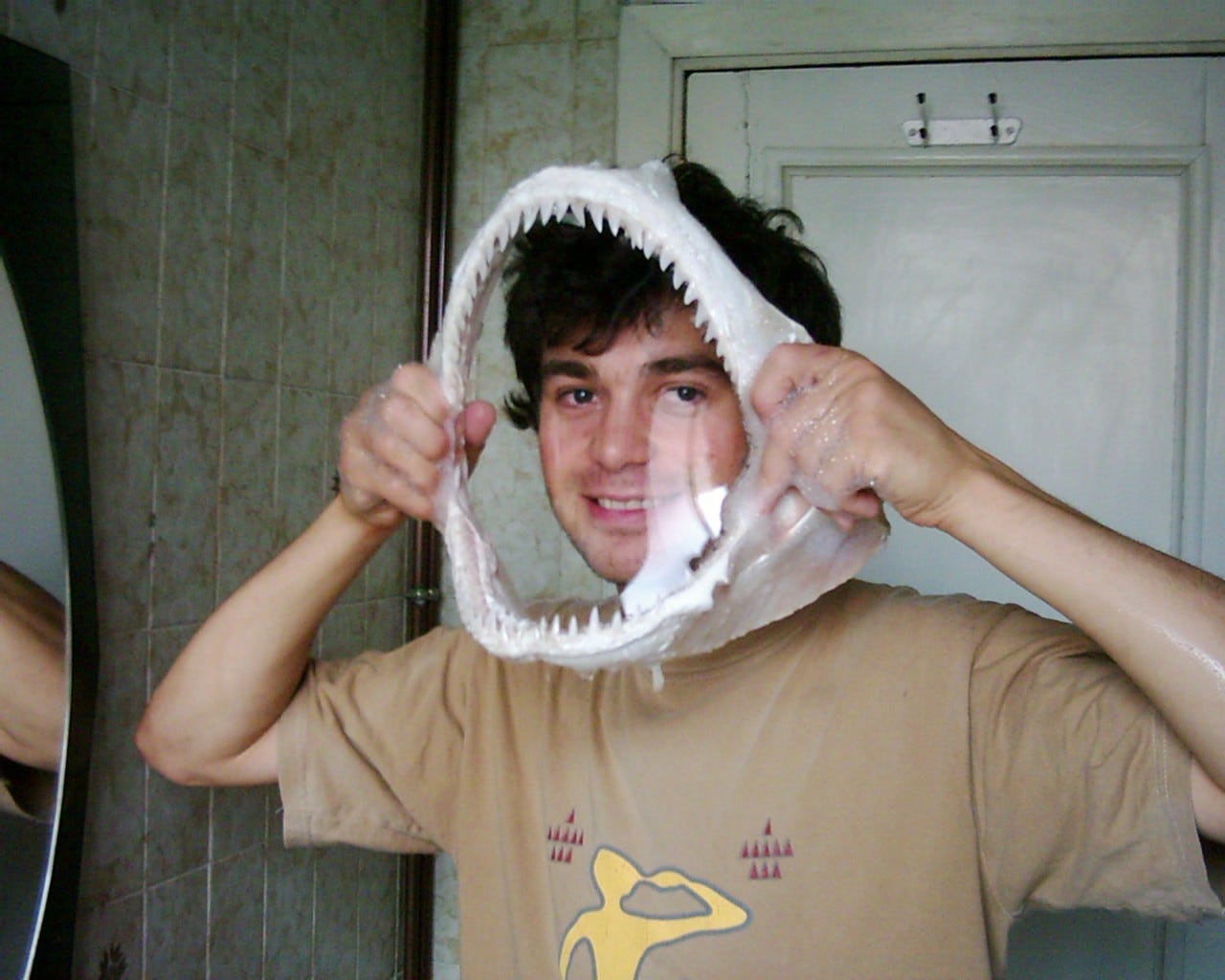
His educational expeditions include going into the ocean to study shark teeth in Spain and collecting samples from hundreds of high-altitude alpine lakes in the French Pyrenees. His deep love for science also took him to the UK and Greece somewhere along the way.
It all began when he was a little boy in Romania.
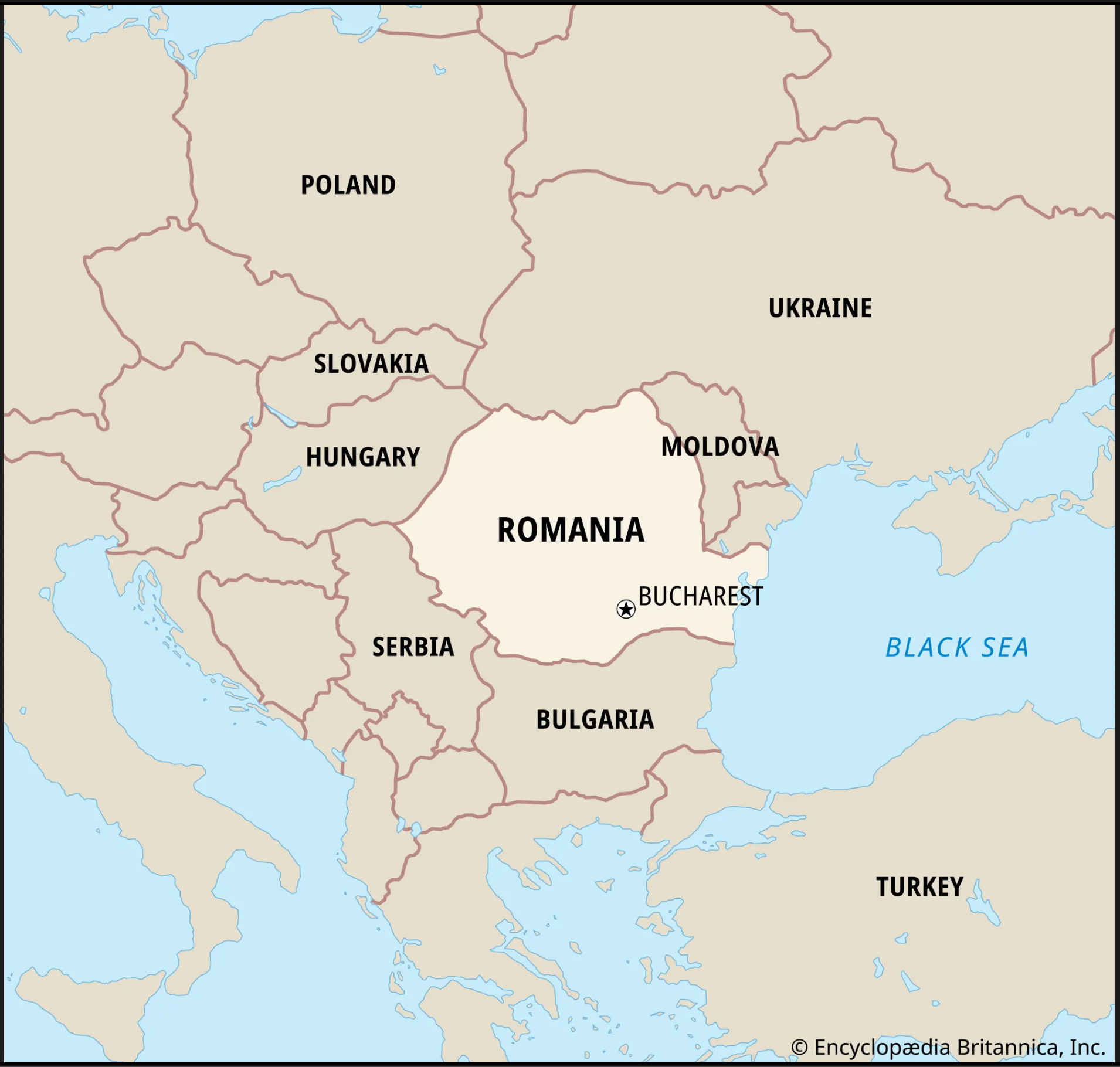
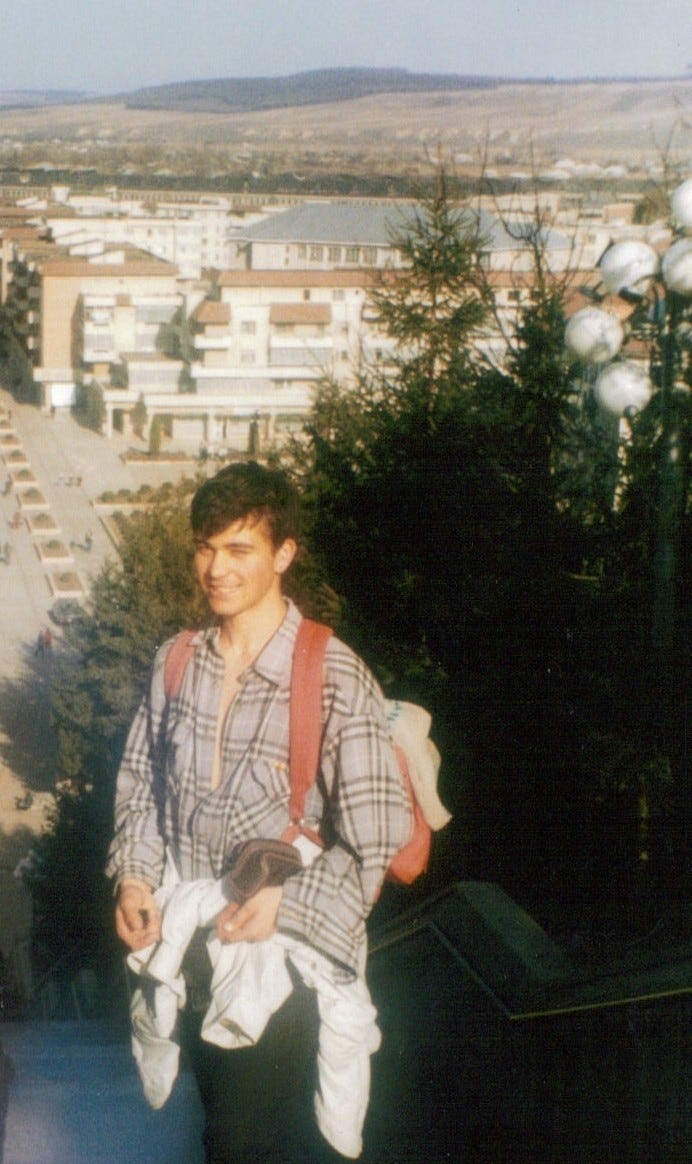
He grew up in Baia, a Romanian village on the Eastern foothills of the Carpathian Mountains, in the lap of nature. “I always paid attention to nature, I let nature talk to me since I was around 6 or 7… I think that translated into my research later on,” he said. “You see, the university didn’t make me a scientist, right? I became a scientist from a very young age.”
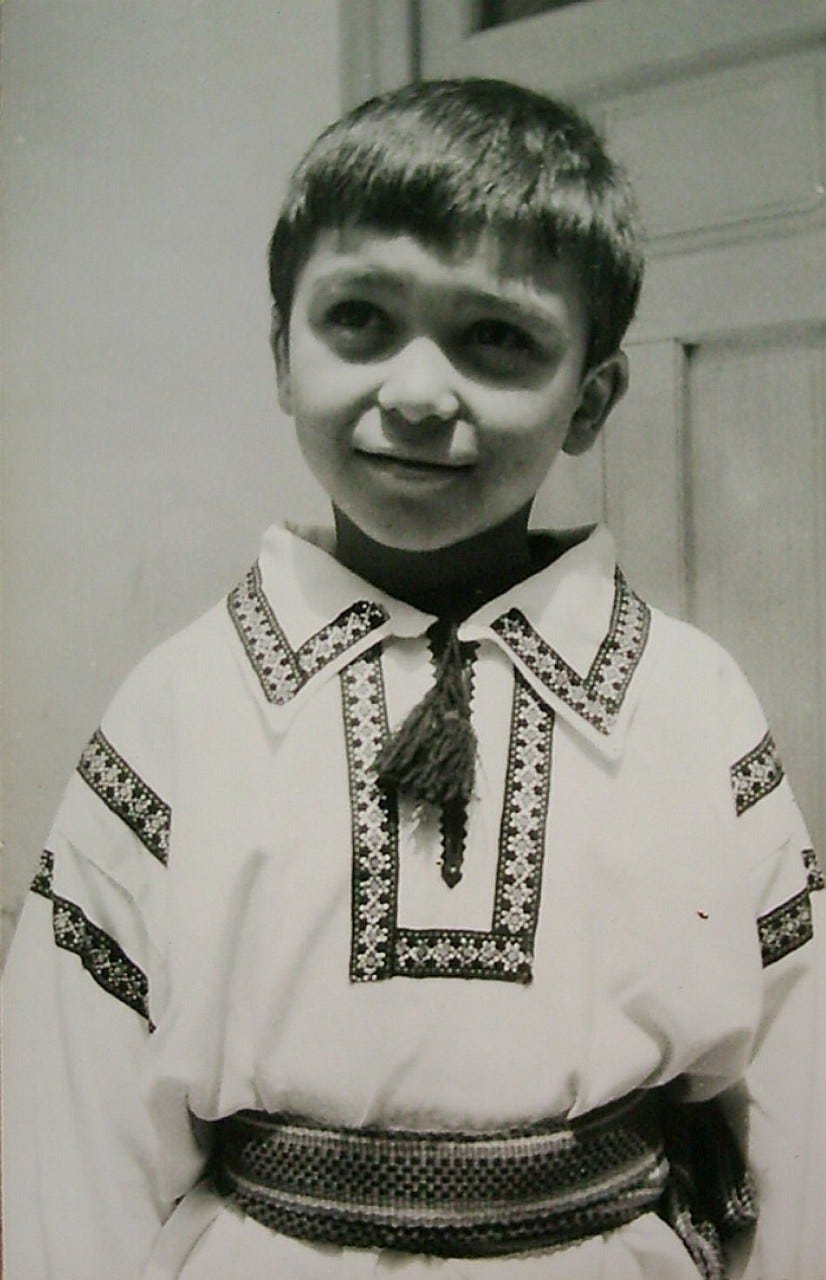
His memories of childhood involve fishing in the river near his home, waking up at 5 am to take the cow to the pasture, chasing after frogs, collecting caterpillars, and hitchhiking home from high school along streets covered in two meters of snow, in winters during which the temperature dropped to minus 20 degrees centigrade.
While it snowed, little Dragos dreamed of the desert. He’d look at pictures of deserts in a biological atlas, a prized possession in a pre-internet childhood. “When I was a kid, I used to dream about the desert world… I started to like cacti,” he said. “I couldn’t even imagine what a desert looks like. Romania is a very green country… grass, vegetation, mountains, rivers… so I couldn’t imagine an environment that is just dry, with rock and cacti. So to me that was super attractive. I also dreamed of the water world,” a dream he made good on when he studied marine science in Spain many years later.
He completed his PhD in Vigo, Spain, and then moved to the United States as a postdoctoral fellow around 15 years ago, in his early 30s. By then, he had already fought many challenges on different fronts.
“I got here a fighter, you know?”
The first fight was studying biology in Romania. “That concept did not even exist around there. Being a scientist in that village was not a thing that people followed. And I couldn’t even tell anybody, because they would make fun, right? Because there was nothing around there. There was no university, nothing. People would work in the forest, bring wood back home, they were all farmers…” he said. His family too had its own vegetable farm where they grew corn and potatoes and such. “But I really specifically wanted that, against the grain, against what my dad recommended, against what my grandpa recommended, though there were no job prospects for biology…”
Opportunities in Romania were very limited at the time. At the time of his birth in 1978, Romania was still a communist country with heavily militarized borders. The revolution that changed things came in 1989, after the Berlin Wall fell, when Romania, along with several other countries that previously comprised the Eastern Bloc, were swept by waves of political, economic and civil unrest, the effects of which lasted a whole generation. “It was bad,” he said of the early days in post-communist Romania, remembering having to stand in dreadfully long lines for strictly rationed portions of basic products like sugar and cooking oil. Things improved slowly, especially after 2007 when the country became part of the European Union.
Given the state of affairs in his home country, he simply followed his dream where it led him and completed a painstakingly self-funded PhD program in Spain, in what was for him, a foreign language — “in a system that is all Spanish, I found myself trapped” — to say nothing of his challenge with writing his thesis in yet another foreign language, English. His years in Spain gave him the first taste of being a “foreigner,” a word he used to describe himself while I kept saying “immigrant” through our conversation.
In Spain, he worked several jobs to support his research. “You have to survive, right? You do what you can. What drove me through this is my passion for understanding how the universe works,” he said. “That was something that did not get diluted by the languages I had to learn along the way or by the system that wasn’t welcoming. I built myself the capital to keep my focus on science without being derailed.”
He made it a point to grab every opportunity that came by, a passionate pursuit of science that brought him to Biosphere 2 in Arizona, USA, a prestigious scientific research facility. “I wanted to go as a young bird does from its nest, right? Even if I died in the pursuit of high quality science, I thought that was worth the risk.”
His “American onboarding,” as he calls his early days in this country, began in Tucson, Arizona, in 2011 — “the sky was super huge, that’s the first impression I got.” Strangely, the bigness of the American sky is something I’ve heard from two other immigrants, who similarly described their first impressions right after landing here.
The deserts of Arizona, especially the saguaro cacti, took Dragos back to his freezing cold childhood in one magical instant — “I saw them, I said, wow, this is my dream! Right? This is so cool.” In Tucson, a “flat city, with low houses,” he was amused to find a lot of roads with Spanish-sounding names, for instance “Ajo Road,” which translates to ‘garlic road’ in Spanish. “I was like, wow, that’s so interesting…” he smiled. “I thought I came to America, not to Spain!”
Besides Arizona, he also experienced life in other American states, including Georgia, Wisconsin, and California, where he is currently based. Living in America, he said, “was a total cultural shock even for somebody who has already lived in several countries.”
When he moved around within Europe, he was received as ‘the Eastern European immigrant,’ an identity that came with a set of frictions and burdens because Romania was not yet part of the EU then, but the US in turn thrust a whole new identity on him, one he rejects outright: here, he ‘became’ a white male, and by extension, is appraised as someone with privilege. “But I have never been privileged. Every stage of my life has been a struggle,” he said. “Now I have a huge bag of skills, but I am not privileged.”
We also spoke about what transitioning from a varied and heterogenous “we first” culture to a largely homogenous “me first” culture was like for him. The US, he observed, is diverse in terms of nationalities, but remains culturally quite homogenous all across; Europe, in contrast, has so much diversity that different villages in the same region speak a shared language in completely different accents.
We also spoke about the way communities in the US exist in the form of small, intentional subcultures attached to specific group activities, like volunteering for a cause or running in a park, that like-minded people congregate for, by appointment.
“In Europe, you don’t create community. The community exists in the whole social strata, right? The whole society is a community!” he said. “You know, I can go to any place in Romania and knock on any door and ask whatever question and they will welcome me in, they will treat me well, they will give me food… I traveled in Europe not knowing what time is, just asking people on the street to tell me the time, right? The interaction there is just different...”
Towards the end of our conversation, I asked him a few simple questions that gave me profound insight.
In what way has America changed you as a person?
“It gave me a little more confidence,” he said. “America likes to find heroes, it likes to make heroes of people too.”
But the onus to market one’s wares and skills is on oneself, of course. “That construct doesn’t work in Europe; if you self-promote in Europe, it’s like - who the hell do you think you are? To become somebody there, the community has to appreciate you. Here, you have to self-promote.” He also spoke with amusement about America’s ‘cancel culture,’ which is just as quick to bring its heroes down from their pedestals.
So you have become more American after living here for 15 years, then?
“Maybe. Maybe a little bit, but it’s still hard, right? I’m still Diogenes the Cynic,” he laughed, likening himself to an ancient Greek philosopher known for a brand of cynicism that famously challenged Plato and Aristotle and went down in the books as its own school of thought. Whether it’s in the context of science, social constructs, or ideologies that become their own little echo chambers, seeing through the “‘hot air,’ as they call it in the UK,” and focusing on the kernel, the real substance within, is his speciality. “That’s kind of my approach to everything,” he said.
What does the American Dream mean to you?
“I never came for the American dream, right? And I don’t see it. I had heard about it but I didn’t know what to make of it. And now 15 years later, I still don’t know what to make of it.”
But aren’t you sort of living your dream today?
“I’m not living my dream, I’m creating it.”
What does home mean to you?
“This is a concept that I struggle with a lot. Being a foreigner, you find yourself displaced.” He spoke about going back to Romania now and then to “supercharge” himself, like it’s some sort of spa for the soul. Endearingly enough, he said he feels at home in every country he has lived in since he left Romania.
“I went to Spain a couple of years ago to pick up my diploma and I felt at home. When I left Spain, I was burned out, I said - I’m never going back. But when I went to the ministry of education I felt so relaxed there, talking to people in the government offices, everyone was all smiles, nobody was concerned that they may be overheard or ‘cancelled’ for saying the wrong thing.”
I asked him about his experience with reverse culture shock, when one goes back to one’s home country after a long time away and looks at previously mundane things with fresh, often critical, eyes. He told me that each time he goes back to Romania and samples the place after large gaps in time, he is amazed at how much the value of money has changed over there, as well as how much the language back there has evolved.
“One of the first things I observed was that I wouldn't fit in, language-wise,” he said. “Though the common word pool is the same, as society progresses in time, different generations use different combinations of words, different words become popular, other words are imported from other cultures… when I talk to people there, I feel like my vocabulary is not updated, I feel like it's a different language.”
So you feel at home here in the US too?
“Yeah, I feel at home.”
That’s a big deal. So you feel like you belong here?
“Not necessarily culturally, but we, all of humanity, share planet Earth. Evolution pulled us apart and moved us from different geographical regions around the world and made us diverse in terms of eye color, skin, whatever, but we are all interconnected. Biologically, we are all brothers and sisters. Not just us, but also other creatures. As a biologist, I see that, right?”
No posts
Comments
Nothing yet. Say the first thing.
Sign in to join the conversation.