
Aloha, I’m Ashley. I write about life through the lens of love for creative souls who seek to make life more beautiful. If you find value in the magical and inspiration in the messy middle, subscribe to join the journey. Your footprints will be celebrated.
Older skin is often called crepey, as in crepe paper, which I’ve never understood. Okay, I understand; it’s an aesthetic comment about wrinkled skin that somewhat resembles crepe paper, but I disagree with the comparison.
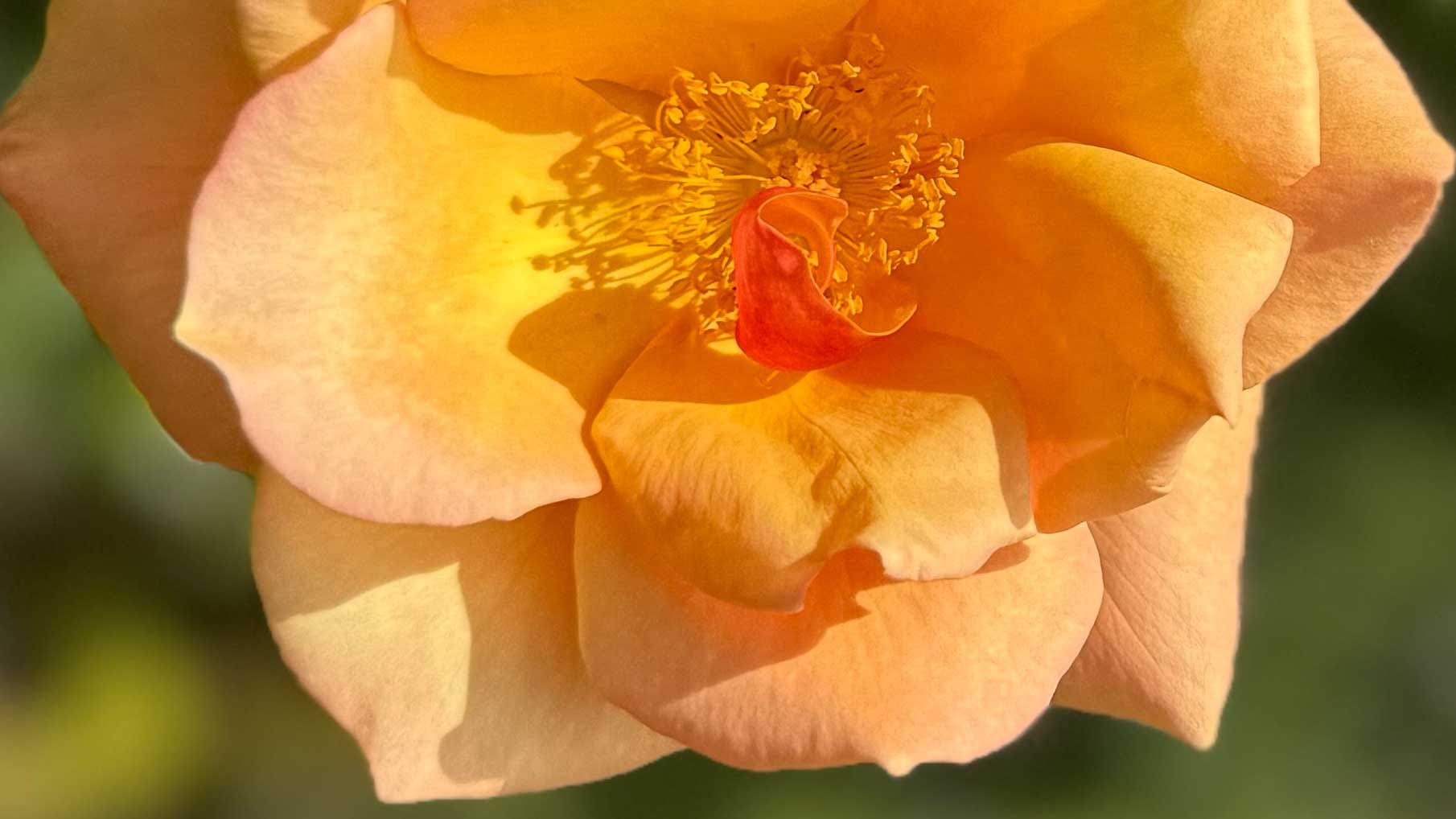
Crepe paper is crinkled, scratchy, stiff. My grandmothers’ cheeks were like rose petals — which, by the way, also have wrinkles. I’ve found the same to be true for older skin everywhere.1
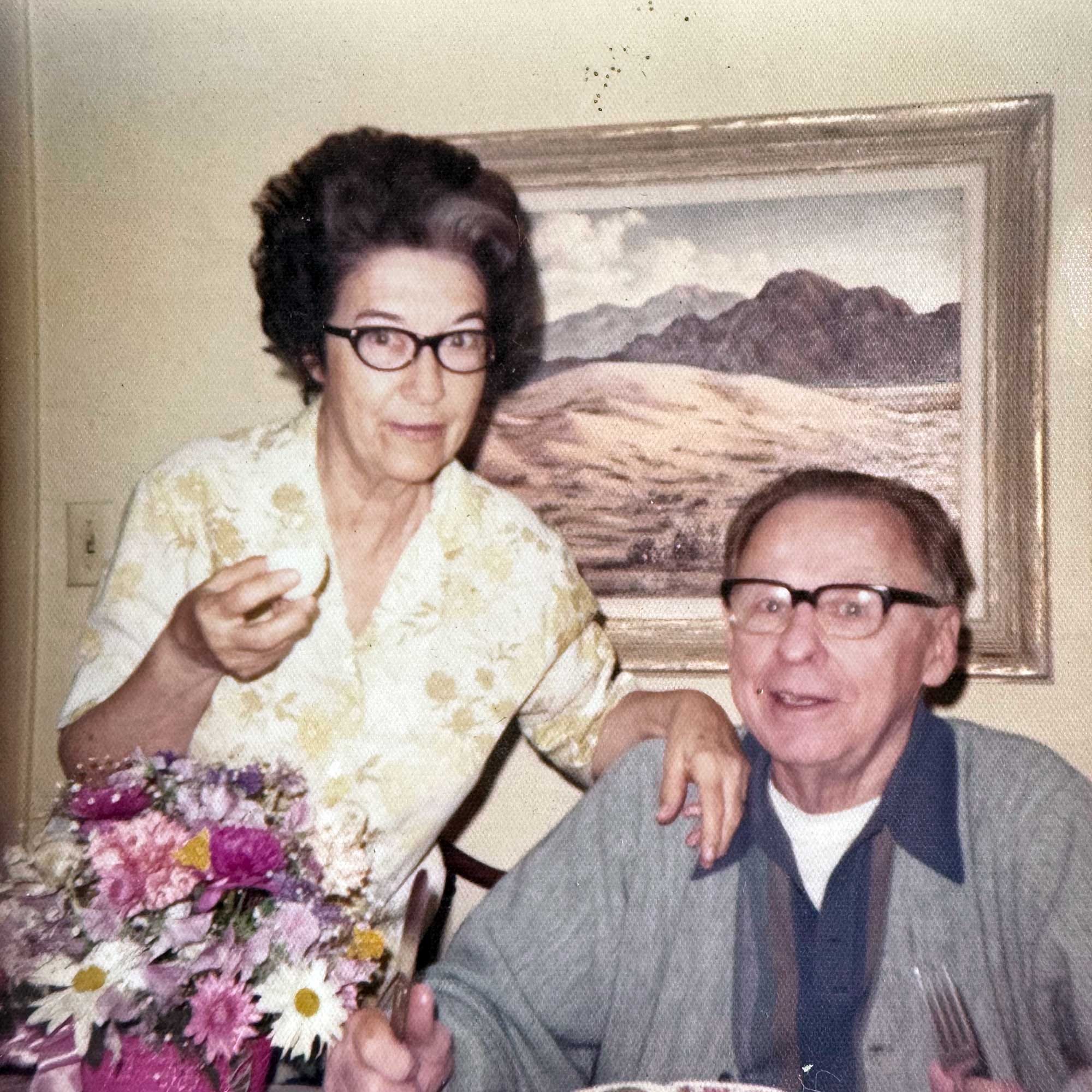
My grandmother, Hilda, whom I was closest to because she lived in Hawai’i and also the longest, had warm, dry cheeks. Mine had the silken plumpness of youth, but hers were like a love letter gone soft with years of handling, and I loved kissing them in greeting.
Her skin held stories of a life lived deeply, although I was never old enough to know the most of it. She died when I was fifteen, and she was eighty-nine. She had my father at the age of thirty-nine, which in 1947 was veritably ancient, and then she had one more after him, my aunt Michelle.
What I remember most is visiting her in my middle school and early high school years. Sometimes, I stayed with her, my cousins, and aunty because they lived closer to school than we did.
She’d sit in her chair, mu’umu’u flowing. She always wore mu’umu’u; I don’t think I ever saw her in pants, although there is evidence she wore them at some point. I’d run to the kitchen and fish out the orange and yellow floral canister of ginger snaps that was always full, grab a couple, and join her in the living room. Spine straight, glasses thick, and curly white hair in a poof about her head, she was the most proper person I’d ever met. Manners!
She’s why I know what fork goes where and never stacked a plate when clearing a table until years after her passing. And yet, she was also the person who would paddle herself across a lake to a remote cabin to fish for a week, alone — a fact I learned many years later.
I wished I had known her as an adult, where I could ask questions about her life, learn her stories and who she was as a person. I do remember her sparkle, though. She often had mischief in her eyes. I remember that glint, her intelligence, and the warm smile when I’d come through the door. I also remember my family complaining that she was difficult.
Maybe she was. I didn’t have to handle caretaking; all I had to do was love her. It’s the privilege of grandchildren and grandparents.
What I do have is a little spiral-bound book I gave her in her later years, when her decline was a sure and steady thing, called Grandma, Tell Me Your Memories. It’s about halfway filled, and the handwriting switches throughout, making me wish I’d given it to her sooner. I recognize my mother’s handwriting and my developing script. I think she dictated most of it, but a few of the entries are in her tight hand.
Every answer is a cherished morsel of who she was and where she came from, where I came from. Books like these are treasures; I’ve been carrying it around for two-and-a-half decades. I’ll carry it around for more.
Over the course of my life, my mother has repeatedly shared a conversation she had with Hilda when she was in her early thirties, and life was hard. “There will always be bumps in the road,” she’d said, “it’s how you ride over them that makes all the difference.”
Truer words.
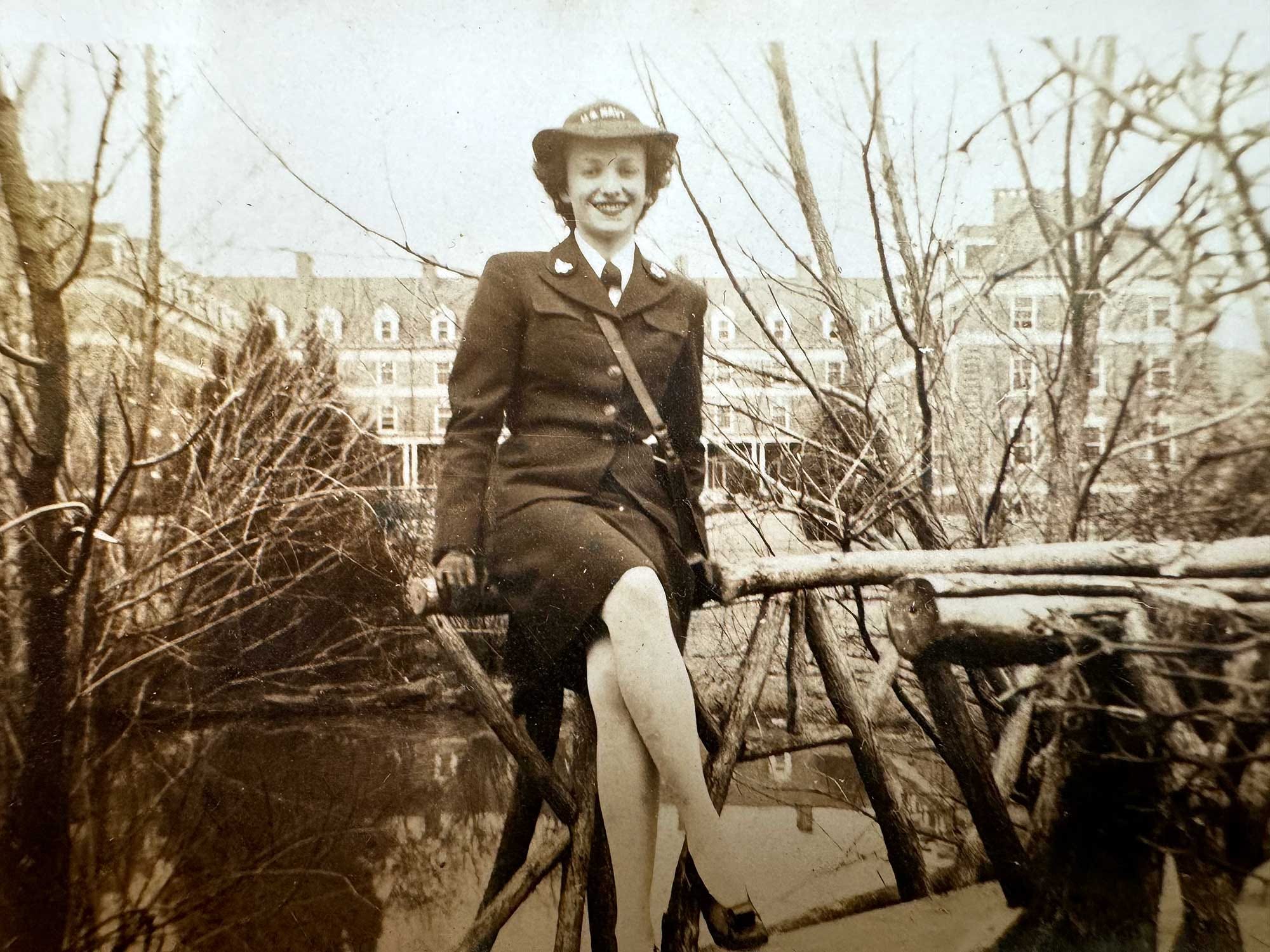
My maternal grandmother, Dorothy, was love embodied. I wish I had known her better, but I had a scant number of years when she lived in Hawai’i, and I hadn’t yet hit double digits.
As a lifelong smoker and polio survivor, she was on oxygen and not in the best of health. I remember being freaked out by the tubes, embarrassed, even, at school, hating myself for the embarrassment because I loved her. I also remember the softness of her skin under the clear tubing, the kindness in her eyes, and her hands, especially — long slender fingers that were always gentle. She taught me to paint. I am a terrible painter — no innate skill or no patience to learn — but she was an artist, and all she wanted to do was love.
She was in her early seventies when she passed; I was nine. I know so little about her. She sang in the Navy, a passion my mother and her sisters inherited — keep an eye on your hairbrush; they’ll make a microphone out of anything. She raised three daughters in Wisconsin as a divorcee in the 1950s with no money and only one working arm, and, according to my mother, always made her feel like they were loved and had enough. Later in life, she painted, and she loved photography.
I will always remember her hands, how very very soft her skin was, and the way she radiated love.
We are wild for women in my family. The men are vastly outnumbered, and the women are remarkable. They are fierce lovers, strong thinkers, adventure seekers, and tremendously creative. I am honored to be of their line.
Why do I share these memories with you? Is it to venerate the kupuna — our elders? Yes. Or to simply remember the ones who made me? Maybe. Or is it to inspire you to cherish the ones in your life who are here to tell you stories, to share their personhood with you? Perhaps to recollect the ones who have gone? Could be.
Maybe it’s all of it.
What I do know is that I hope one day someone remembers my cheeks as rose petals and shares my sparkle with strangers. They likely won’t be of my blood and bone, but that doesn’t mean they won’t be impacted or won’t remember. And if no one does, that’s okay too, because I will still have rose-petal skin and share my sparkle with strangers as long as I live to do it.
Thank you for reading Stories from Stillness. This post is public so feel free to share it.
How subversive would it be to start calling mature skin rose petal skin instead of crepey? We could at least make it harder for the beauty industry to insist we feel badly about ourselves.
Comments
Nothing yet. Say the first thing.
Sign in to join the conversation.