
“People are always trying to figure out why it’s cool. But I think what we design is the aura.”
Hayate Ichimori is walking through the new Omar Afridi store in Tokyo, where the brand’s AW26 collection is hanging on the rails. I pick up a collared cardigan with ribbed sleeves and tell him it has a cool grandad vibe. “It’s like futuristic ojiichan,” he grinned. It’s not a bad summary: picture a slightly sci-fi, auramaxxed Japanese grandad, and you might get close to the aesthetic that Omar Afridi has refined over the past 8 years.
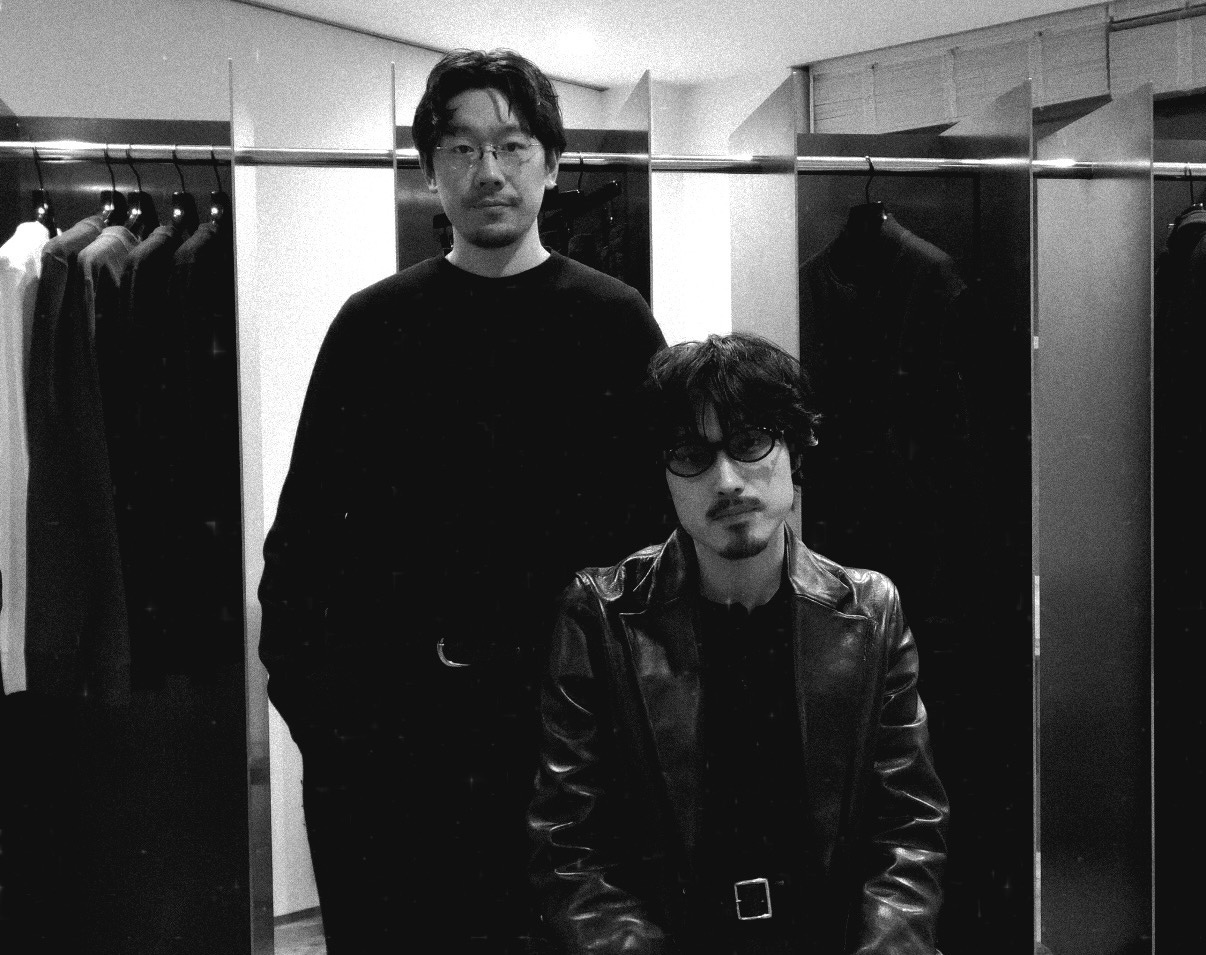
Based in London, but headed up by Japanese designers, Omar Afridi’s history is fragmented. Formerly known as Léon Bara, the brand was started by Omar Afridi himself, an Afghan national in his late forties who lives in London. Léon Bara rebranded to Omar Afridi in 2018, with design entrusted to Ichimori, who brought on his friend Jun Kikuta as creative director.
“The easiest way to say it is that he makes the outline of the collection, and then I’m like okay, let me explore the details,” Ichimori explained. “He does macro and I do micro.” Afridi, meanwhile, retains ownership of the brand and oversees operations as its CEO.
Ichimori, 31, and Kikuta, 32, first met in their early twenties while both working in Tokyo at the American brand Freeman’s Sporting Club—Ichimori in the restaurant, and Kikuta in apparel. “Because we were both part-time, they gave us the same locker. On my first day when I arrived I opened my locker and there was a bunch of stuff in there,” said Ichimori. “Jun came in and was like ‘Who are you, touching my locker?!’. And that’s how we met.” The duo realised they were the same age and both looking to move to London after graduating.
Ichimori wears round, wire-framed spectacles and speaks with a British lilt that he picked up from getting drunk and chatting, which is incidentally how I first met him at a house party not long after he’d moved to London back in 2017, where even then I remember him being the best-dressed guy in the room, wearing a floor-length coat he’d designed himself.
The designer arrived in London intending to enrol in Central Saint Martins, but changed course when he met Afridi. After studying fashion at Musashino Art University, Ichimori was recommended to Afridi by his professor, a Scottish fashion consultant based in Tokyo named Patrick Ryan who designs the brand Yab-Yum. “[Patrick] knew that Omar was looking for someone who could design and someone who knew the Japanese market,” he said.
In the years since, Ichimori and Kikuta have built the brand into a formidable if still off-the-radar business: global stockists include Road Sign in Taipei, SVRN in Chicago, Printemps in Paris, Mukta in Kobe, and from the AW26 season it will be available at Komune in NYC. In the past couple of years the brand has also opened flagship stores in both London and Tokyo, which naturally offer the most comprehensive immersion into the brand. Despite being headquartered in the British capital, the brand does half of its sales in Japan, where it has established a cult presence among stylish Tokyoites who appreciate its unusual fabrications and sleek, urban vibe.
Though it occupies the same space in menswear as intelligent, craft-forward brands like Camiel Fortgens and Lemaire, Omar Afridi has retained a kind of closed-off and cultish energy that sets it apart from nearly everything else on the market. The brand does very little press and has only held one runway show (AW23 in London), and does refreshingly little to court the algorithm, instead relying on word of mouth to spread its appeal. At the brand’s store opening in Tokyo late last year, which occupies a three-storey building in the Shinagawa business district, over a hundred friends and fans showed up. Almost all of them were dressed entirely in black clothes from the brand.
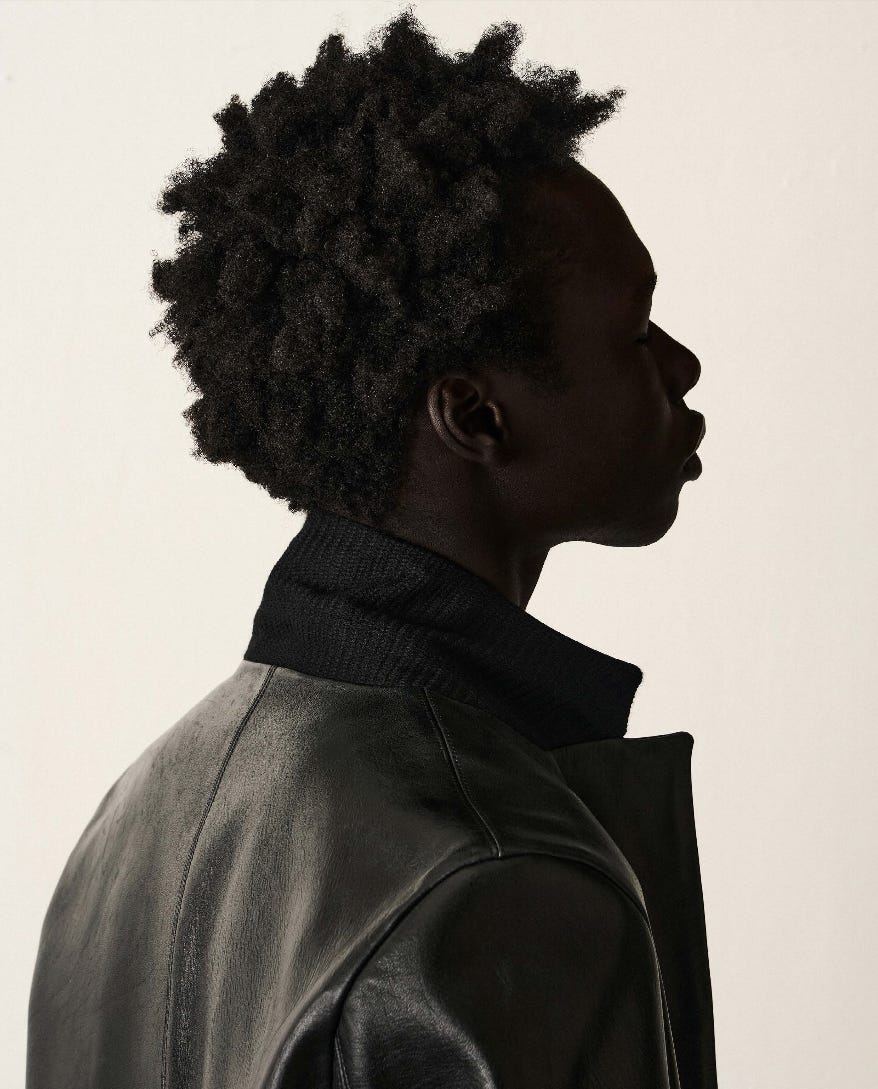
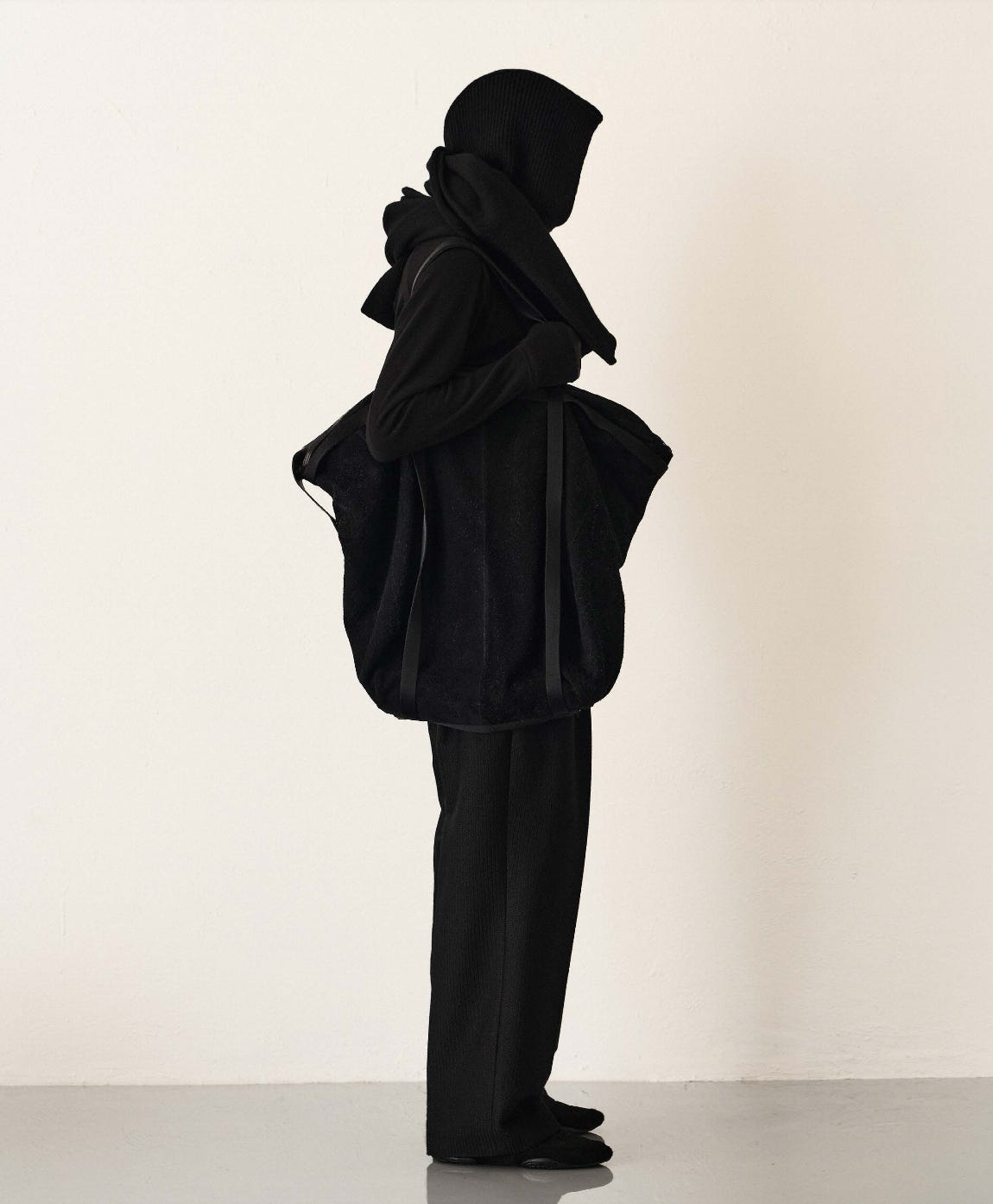
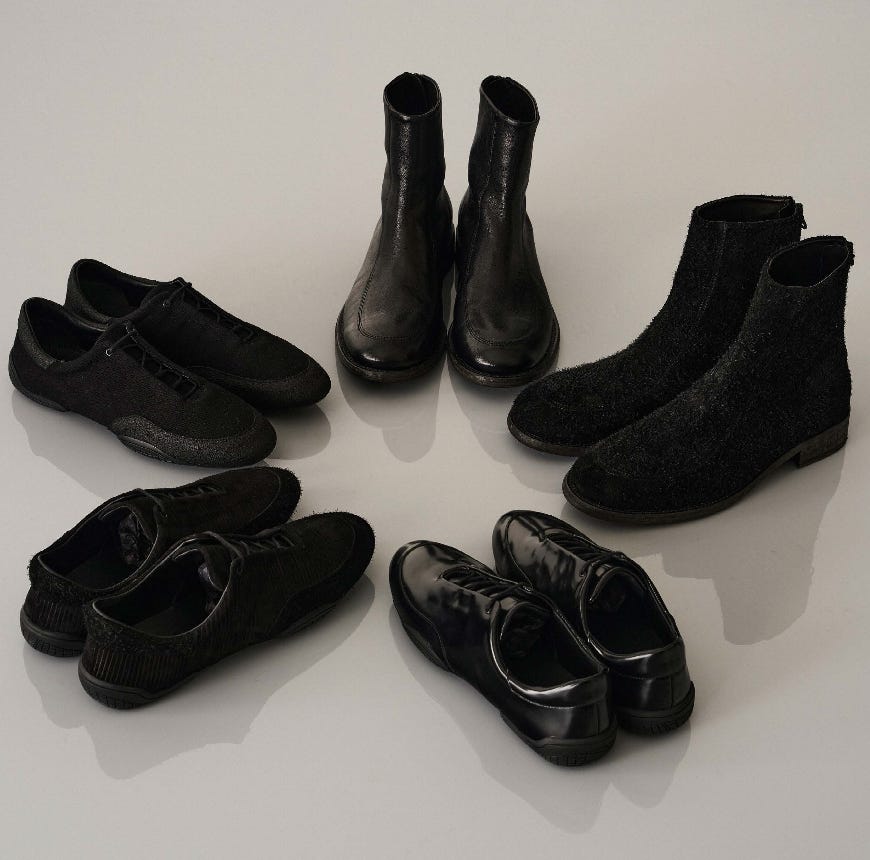
Full of austere lines and precise architectural shapes, its dark shades are punctuated by bright colours that range from baby pink to lime green, and textures that include blister jacquard and angora suede, a hairy-looking leather produced by a single artisan in Japan. The circular silver rivets which dot the pockets of its pants and the necks of its jackets are a signature, and make the clothes appear as though they have been assembled with drills and screwdrivers rather than needles and thread. Heritage fabrics, for instance British tweed or pinstriped wool, are warped into cocoon-shaped jackets or hardware-studded skirts.
Comments
Nothing yet. Say the first thing.
Sign in to join the conversation.