
By November, autumn has truly given way to winter here in Vermont. The last of the leaves blow off the trees in howling windstorms, and mornings often greet us with frozen water troughs and an occasional blanket of snow. Daytime highs are usually in the 30s and 40s, but it’s not uncommon to have stretches where we don’t break freezing at all.
This month is all about finishing the harvest, tucking away the last of the garden, and preparing for the deep winter ahead. The frantic energy of September and October slows a bit, but the work shifts indoors to cooking, crafting, and tending animals through the cold.
I often hear from readers who want a clear picture of what homesteading looks like across the seasons. Many are still in the planning stages, living in cities or suburbs, and they’re curious how the rhythm of the year unfolds once you’re settled on land.
Of course, no two homesteads are exactly alike—climate, growing zone, and personal priorities all shape the work. Still, I can share what a typical November looks like here in Vermont, where early snows, frozen ground, and short days define the month.
This isn’t every November project or every possible crop, but it’s a snapshot of the kind of tasks we tackle this time of year, year in and year out.
In the Garden
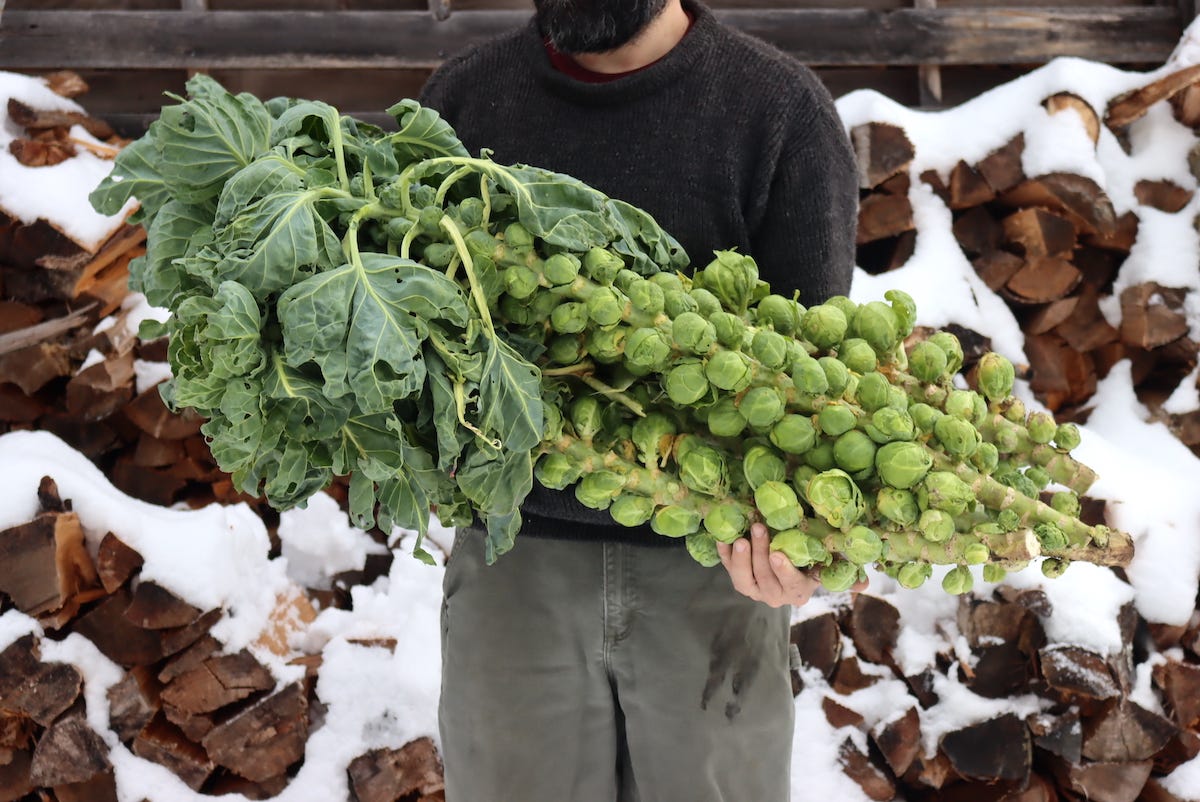
By November, most of the garden is put to bed. We’ll pull the last of the carrots, beets, and Brussels sprouts, and dig any lingering parsnips before the soil freezes solid. Hardy greens like kale and claytonia will keep producing under a low tunnel or cold frame, even when the ground outside is snow-covered.
This is also when I finish planting garlic and tuck in perennial divisions for spring.
(Somehow I’m always still planting garlic as the first snow flies…it’s tradition at this point.)
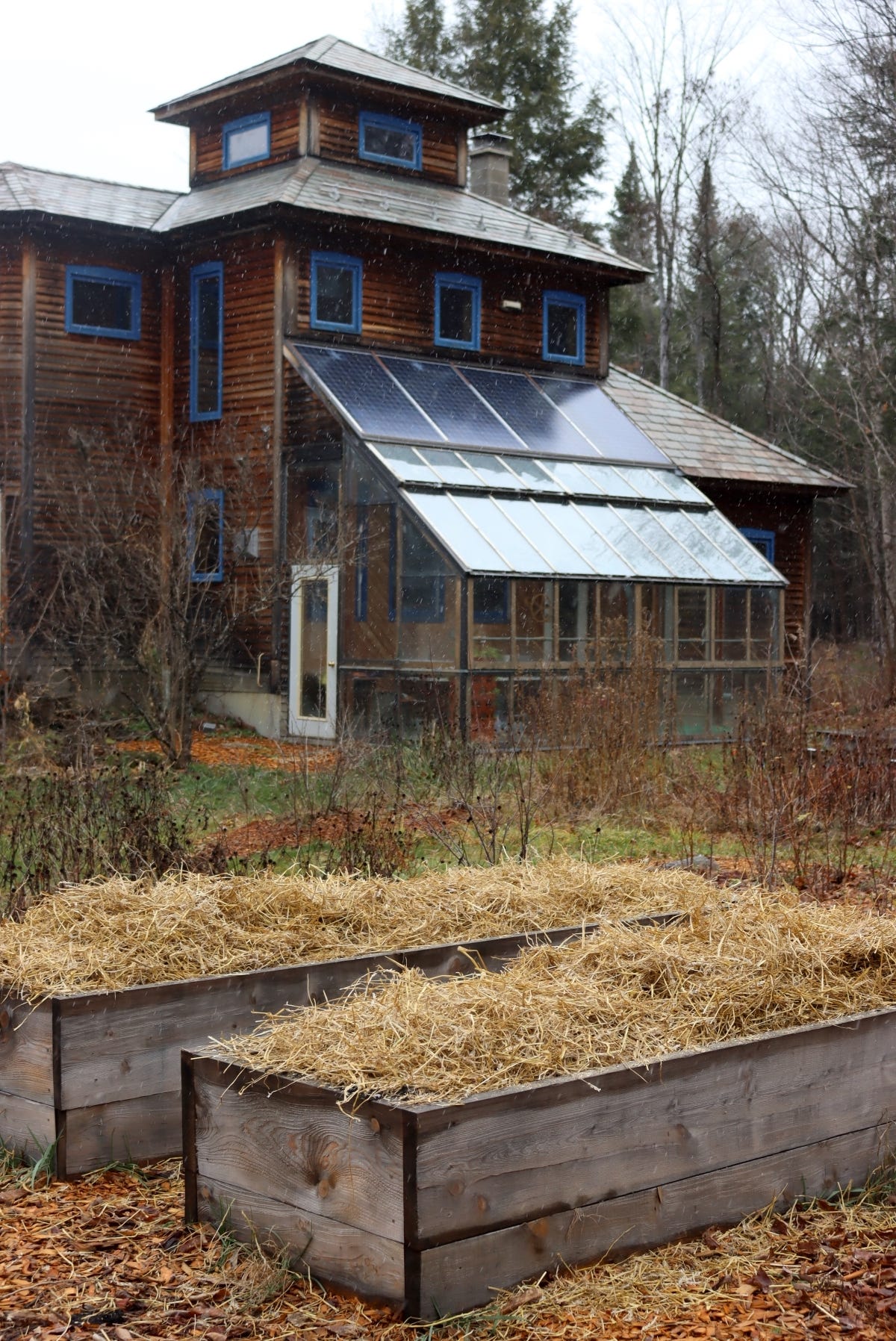
The beds are mulched, the hoses are drained, and the tools are oiled and stored until next year. It always feels bittersweet closing the garden for the season, but it’s also a relief to finally rest.
In the Orchard
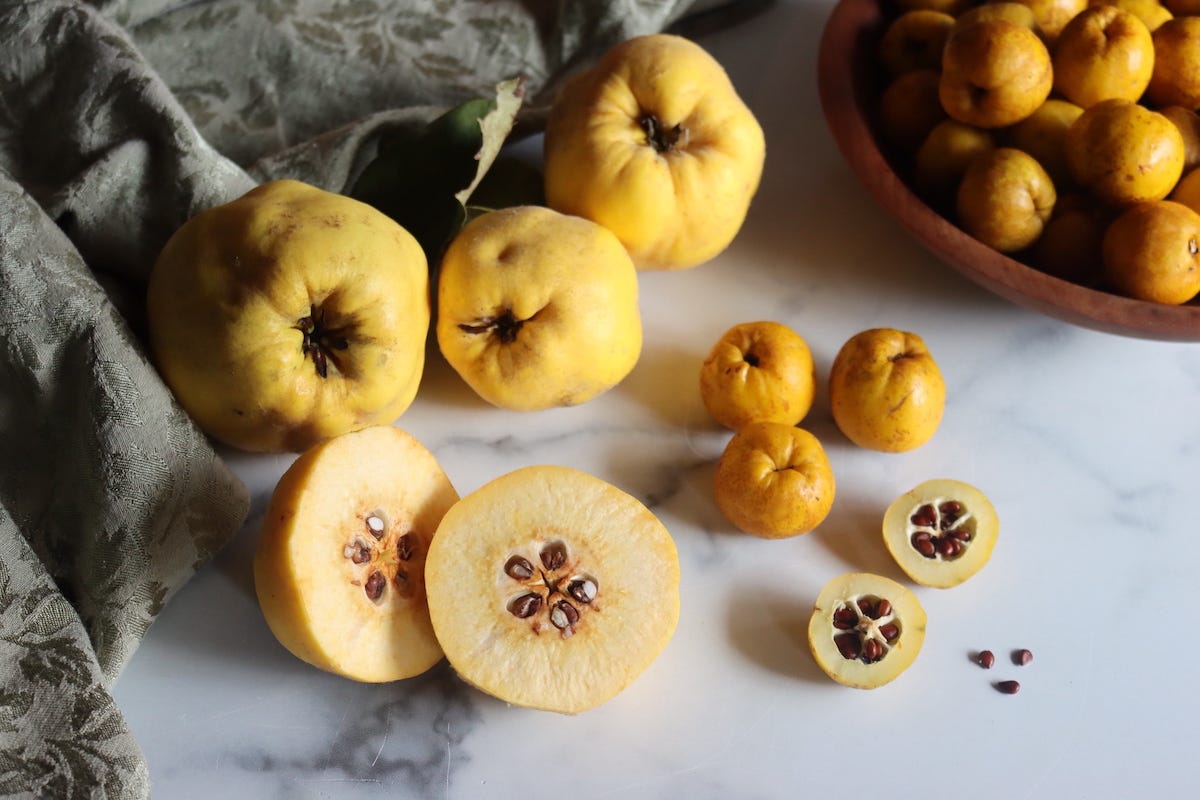
The main orchard harvest is over, but there are still late-season fruits hanging on. Crabapples, hawthorns, medlars, and persimmons (if you grow hardy types) are all at their best after a few frosts. We’ll also gather quince and any late-keeping apples that haven’t been stored yet.
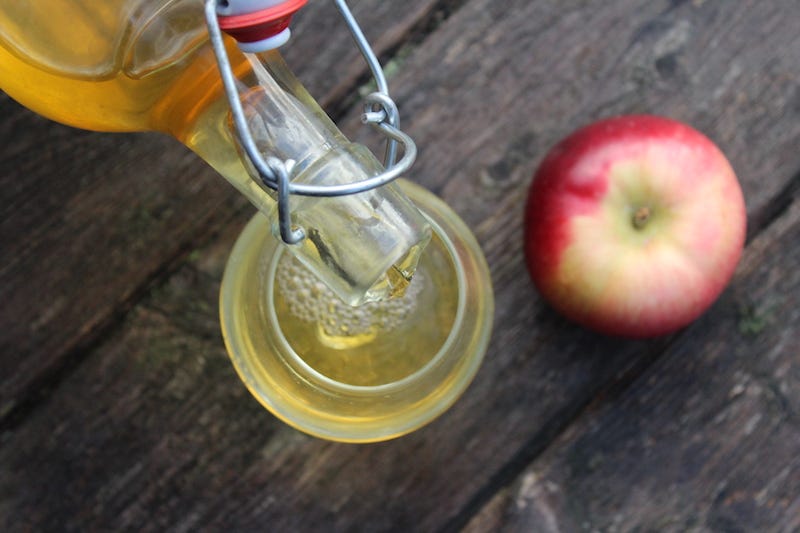
Much of November’s orchard work is about storage and use—sorting through bins of apples, checking the apple storage rack, and pressing any leftover fruit into hard cider or apple cider vinegar. Soon we’ll be taking cuttings of some of our favorite heirloom apple varieties to graft in spring.
In the Kitchen
November in the kitchen is quieter than the October rush, but it’s no less important. We’ll start using up jars of applesauce, canned pears, and canned pumpkin off the shelves to make space for new projects. This is a good month for cranberry canning recipes, too—cranberry sauce, cranberry jelly, pickled cranberries and cranberry salsa all find their way into the pantry ahead of the holidays.
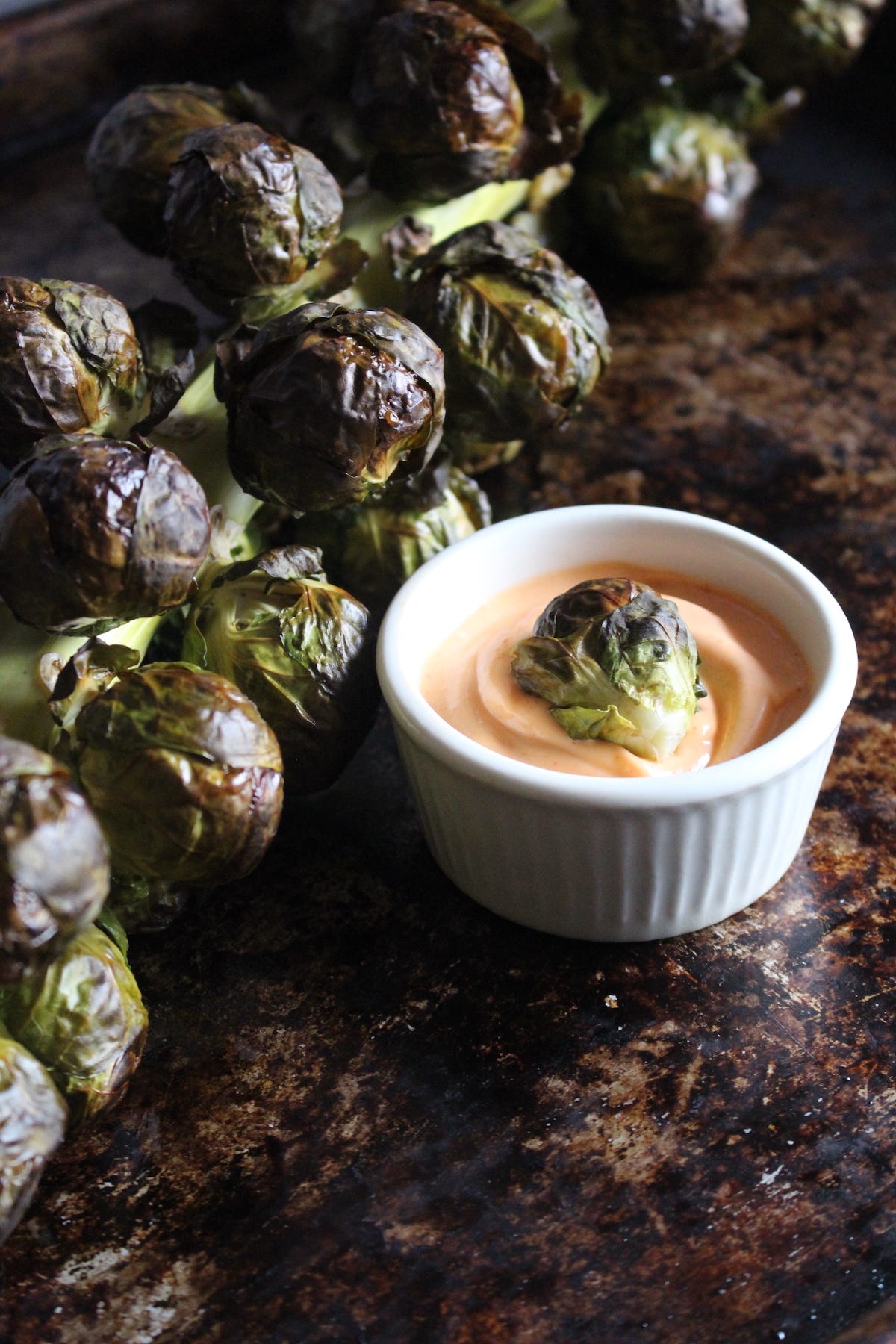
We’re putting the recent harvests to good use right away in some cases, and roasted brussels sprouts on the stalk are stunning on the table (and tasty too).
It’s also stock-making season. The cool weather means we can simmer pots of bone broth for days without heating up the house, and we’ll pressure can quart after quart of it for winter soups and gravies. November is also when we bake more—sourdough bread, holiday pies, and pumpkin recipes are all in heavy rotation.
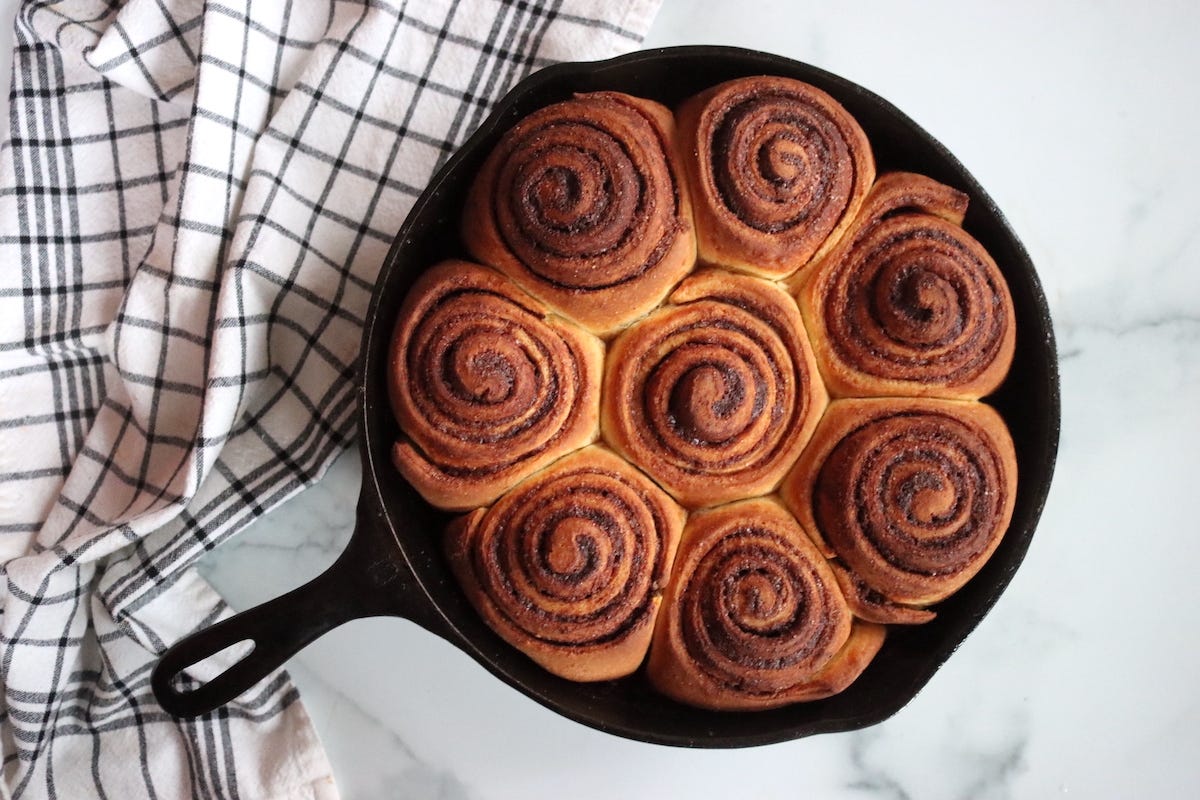
And it wouldn’t be November without one too many batches of my favorite cinnamon roll recipe…
In the Woods and Fields
November is a leaner month for foraging, but there’s still plenty to find if you know where to look. Wintergreen berries, rose hips, and highbush cranberries are all sweetened by frost and hang on late into the season. We’ll also collect the last of the black walnuts and hickory nuts, and gather pine needles for tea and syrup.
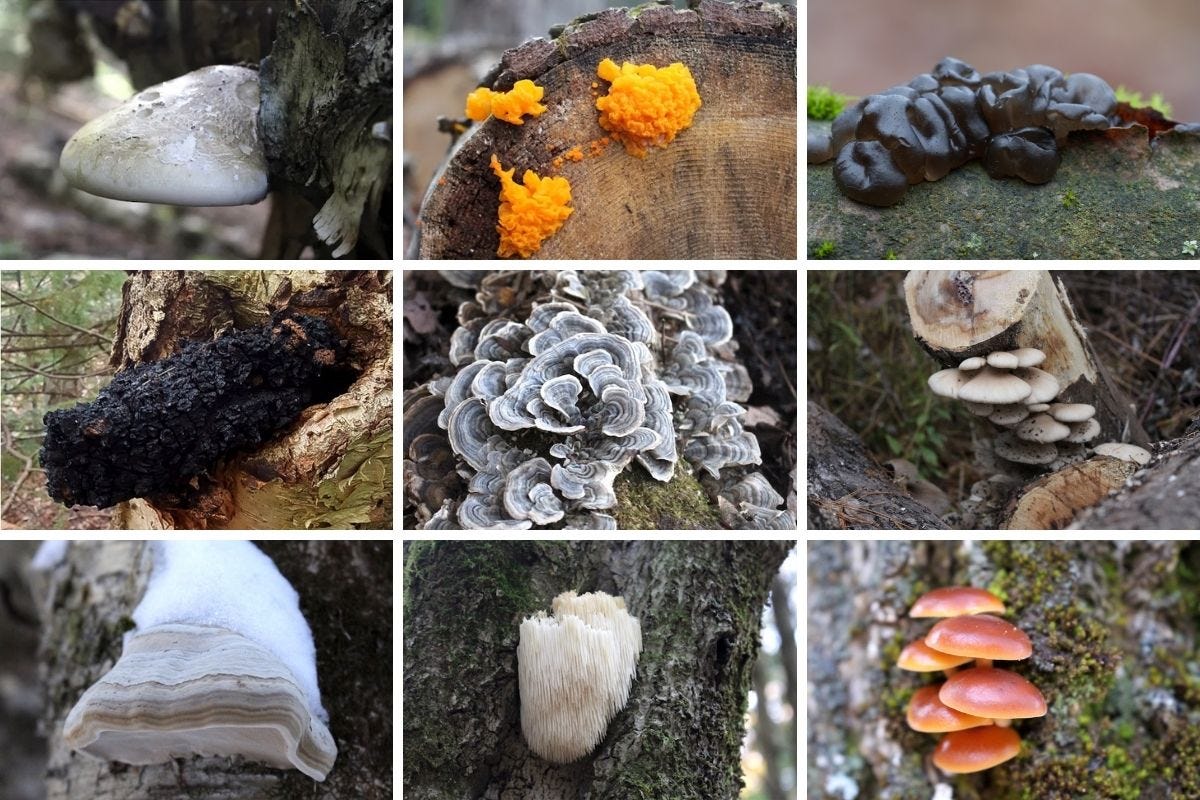
Mushroom season is nearly done, but hardy species like late oyster mushrooms sometimes appear even after snow, along with other cold loving winter mushroom species like velvet foot and chaga. I also use November for gathering birch bark and other materials for winter crafts and herbal projects. (We even make traditional birch bark flour, which is surprisingly tasty.)
In the House
By November, the house feels more like a winter lodge than a homestead base. The woodstove burns quietly in the corner, and we’re spending more evenings knitting, sewing, and working on winter crafts. The pantry is well-stocked, and it’s time to inventory what we put up—counting jars of jam, pickles, and syrups so we know where to pace ourselves.
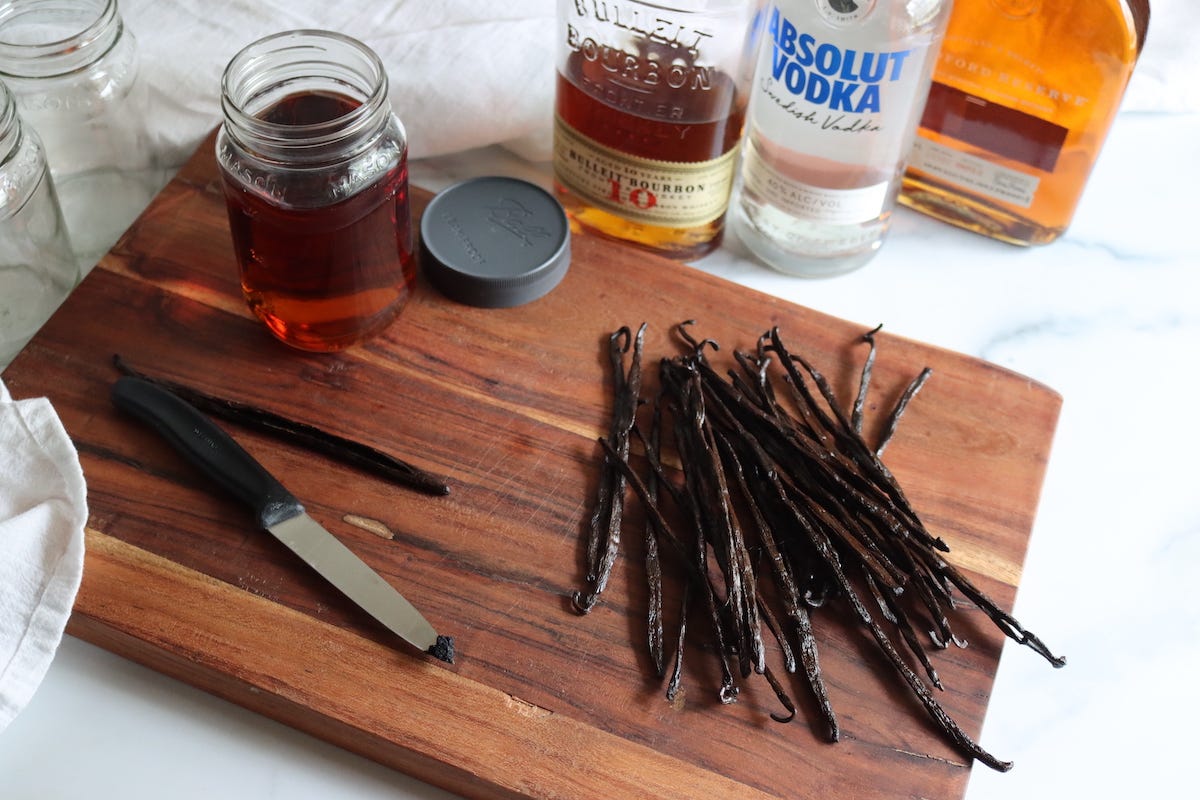
This is also when I start pulling out the holiday recipes and gifts-in-a-jar projects. Homemade liqueurs, cordials, and herbal gifts all get made now so they’re ready for December.
In the Barn
November barn chores are all about winter routines. Deep bedding goes down, and the animals are tucked into their winter quarters. The geese, chickens, and any other animals still on the farm are fed from bins and hay stored up over the fall.
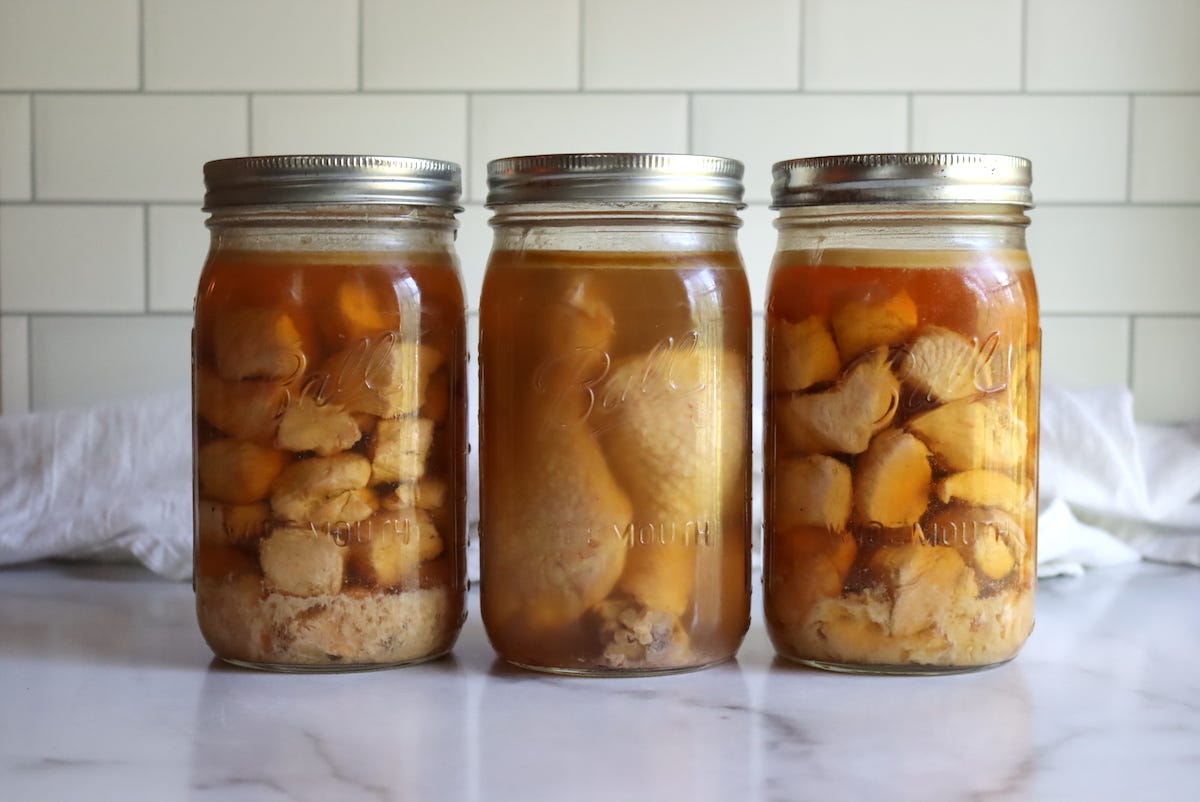
If the freezer isn’t already full, November is still a great month for home butchery and meat canning. This is when we process the last of the chickens usually, but the freezer is usually packed to the gills, so we’ll be canning chicken instead.
For the larger animals, the cold weather makes it easy to hang carcasses, and it’s the traditional time for processing pigs to salt cure without refrigeration and making charcuterie, especially new meat curing recipes before the deep freeze of December.
In the Community
November feels quieter outdoors, but it’s full of gatherings indoors. This is the month of harvest suppers, church dinners, and neighborhood potlucks where everyone brings a dish made with their homegrown food. We’ll bring jars of cranberry sauce, fresh pumpkin pie, or bottles of hard cider to share.
It’s also the season for trading—neighbors swap venison, apples, maple syrup, and late squash. The generosity of the harvest season continues into November, but with more of a focus on feasting and gratitude than on preservation.
What’s happening in November where you live?
What are you harvesting, preserving, or cooking on your homestead this week? I’d love to hear in the comments!
Until Next Time,
Ashley at Practical Self Reliance
Comments
Nothing yet. Say the first thing.
Sign in to join the conversation.