
Herbal salves are one of the most approachable forms of herbal medicine—especially if you’re just getting started with DIY remedies. They’re fast to make, incredibly useful, and store well for months (sometimes longer). And honestly, it just feels good to reach for something you made yourself the next time someone gets a scrape or bug bite.
All it takes is an infused herbal oil, a bit of beeswax, and a clean container. That’s it. You can get fancy with essential oils or blending different herbs, but the basics are simple.
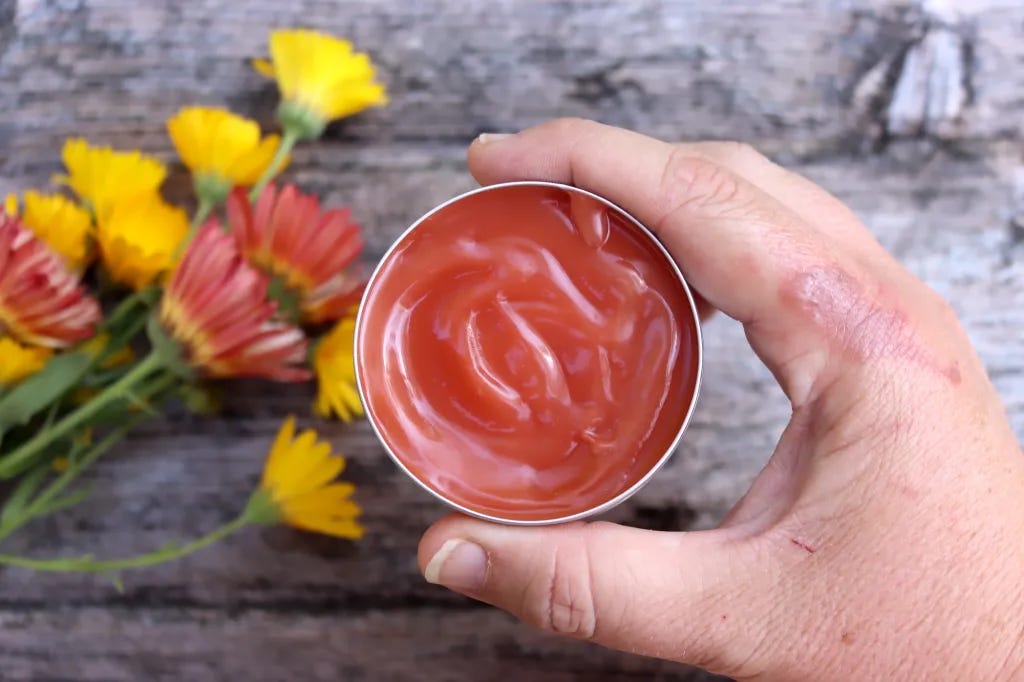
(If you’re new to it, I’ve got a complete step-by-step tutorial for how to make herbal salves on the blog. I also have a specific tutorial for making vegan salves without beeswax, and you can convert any regular salve recipe into this vegan version if you’d like.)
But what kind should you make? That depends on what you’re treating. Below I’ve broken things down by common use so you can stock your home apothecary with exactly what you need. (And here’s where you can find all my herbal salve recipes.)
It should go without saying that I’m not a doctor, nor do I play one on the internet. This should not be confused with health advice from a qualified professional, and obviously, you should always do your own research. I’m just sharing what I’ve learned through more than 20 years of research into medicinal herbs, and what works with my own family.
These are the salves I keep in the kitchen and by the back door during the summer months:
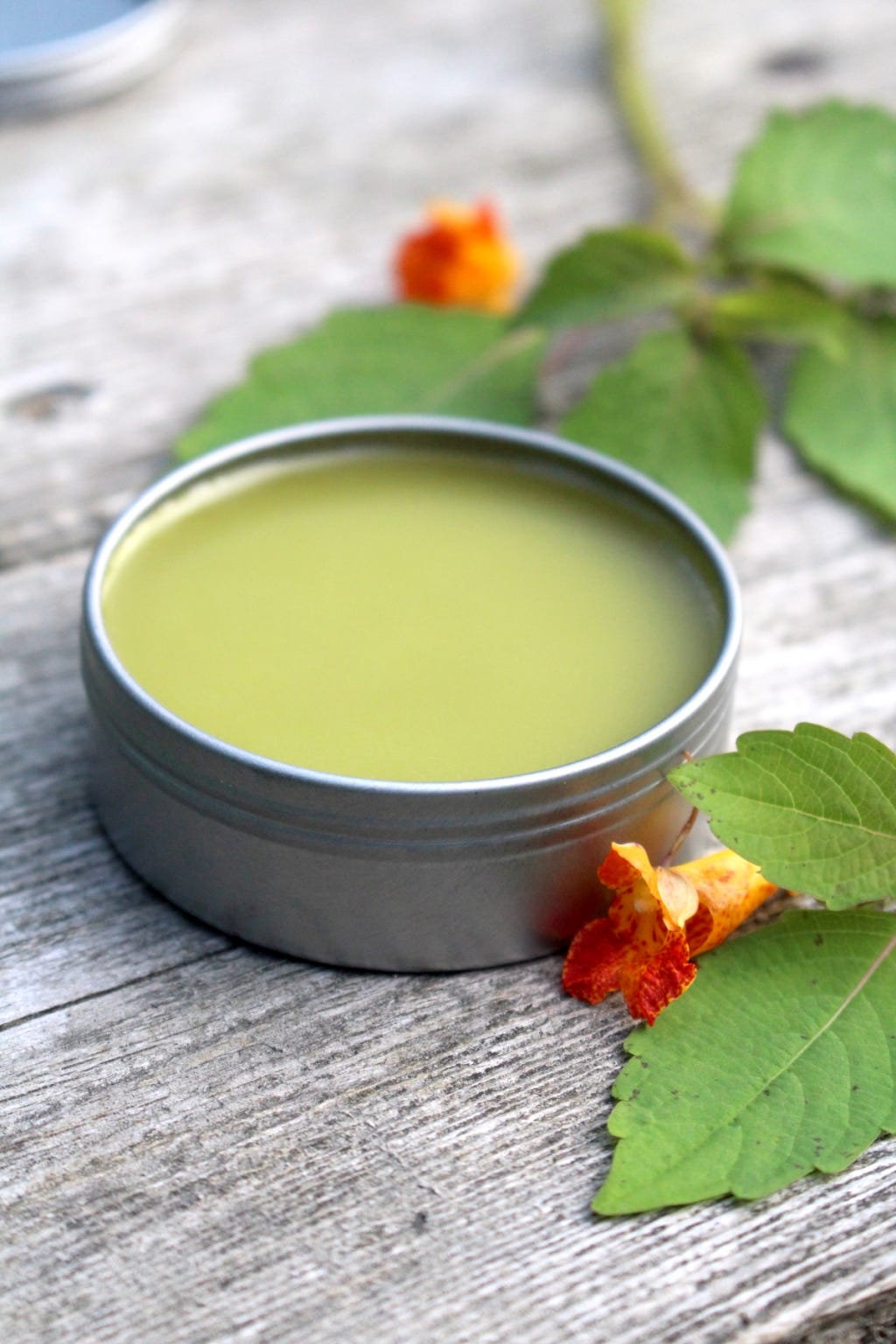
Jewelweed Salve – One of the best home remedies for poison ivy. Also great for bug bites and itchy skin.
Plantain Salve – Soothes mosquito bites, bee stings, and other minor skin irritations. It pulls out splinters and stingers too.
Calendula Salve – A gentle option that’s anti-inflammatory and safe for sensitive skin, including kids.
Chickweed Salve – Cooling and calming for hot, inflamed skin or rashes.
These are the salves I reach for when someone gets scraped up or scorched on the woodstove:
Herbal Burn Salve – My go to remedy for burns, including calendula for skin healing and st. johns wort for nerve pain and antimicrobial action, plus plantain and comfrey for good measure.
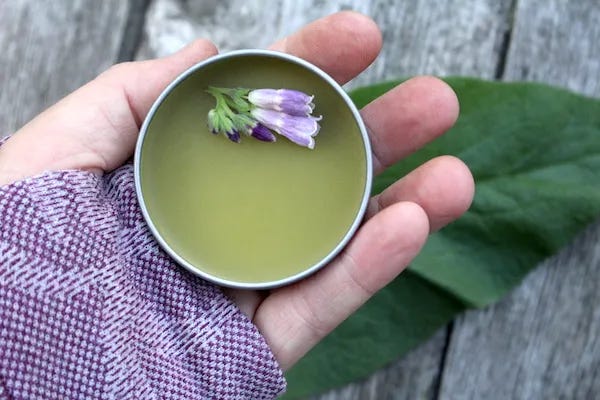
Comfrey Salve – Encourages tissue regeneration and speeds healing of bruises, sprains, and minor injuries. (Avoid on deep wounds that need to stay open to heal.)
Yarrow Salve – Stops bleeding and disinfects small cuts or scrapes. Great in a pinch when someone skins a knee on the gravel driveway.
Calendula Salve – Again! It's just that versatile. Use it on everything from diaper rash to sunburn.
St. John’s Wort Salve – Excellent for nerve-rich areas and pain from burns or deep bruising. It turns a beautiful red color when infused properly.
For sore muscles, joints, or tension headaches, these salves deliver relief:
Arnica Salve – The go-to for muscle soreness, bruises, and overuse injuries.
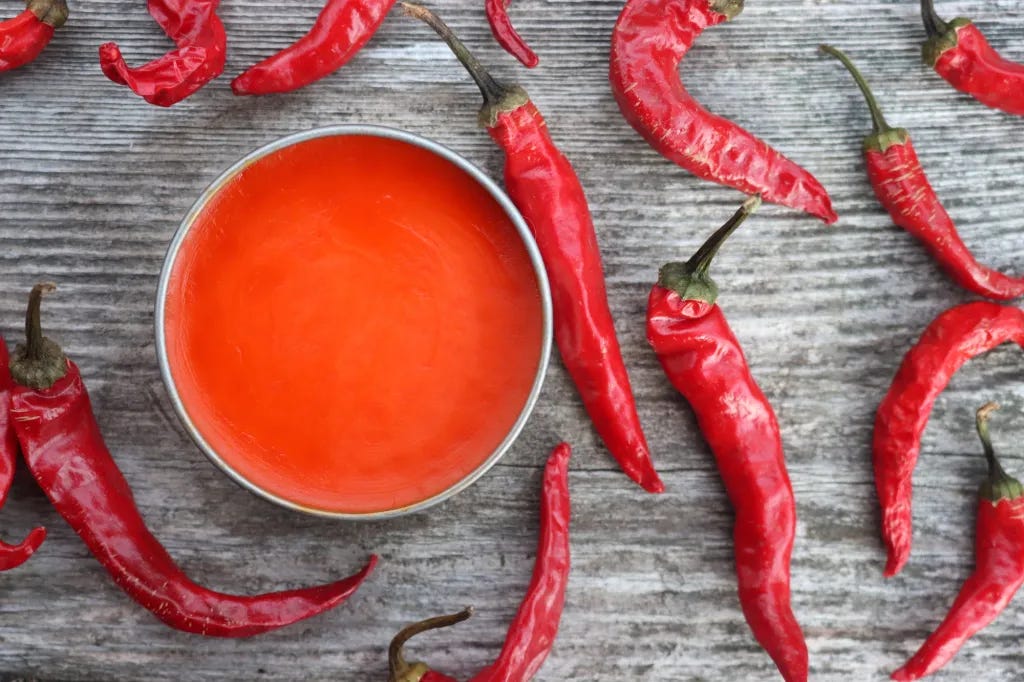
Cayenne Salve – Warms and stimulates circulation (test on a small area first—it's potent stuff!).
Turmeric Salve – Anti-inflammatory and soothing for joint pain and stiffness.
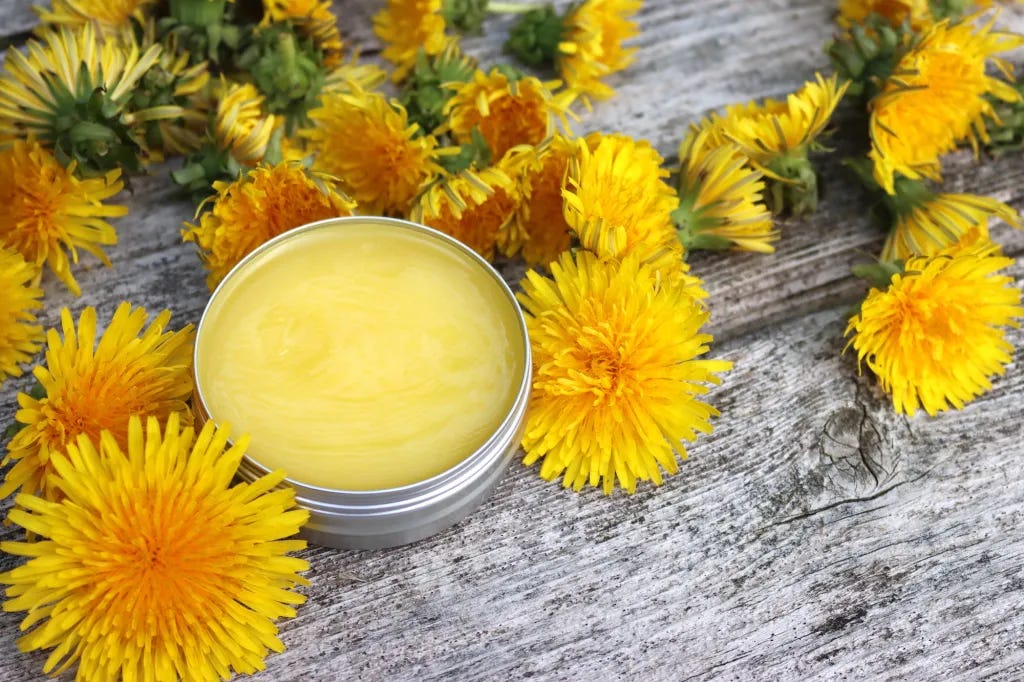
Dandelion Salve – Gently soothing and anti-inflammatory, this one’s great for stiff joints, tension in the neck and shoulders, or tired feet after a long day. It’s surprisingly effective and smells like spring.
Comfrey Salve – Known as “knitbone,” comfrey supports tissue repair and is a favorite for sprains, bruises, and overworked muscles. Just don’t use it on deep, open wounds—it works too fast for that. It’s great in combination with St. Johns Wort too.
These are great to keep in your bathroom or bedroom, especially during the dry winter months:
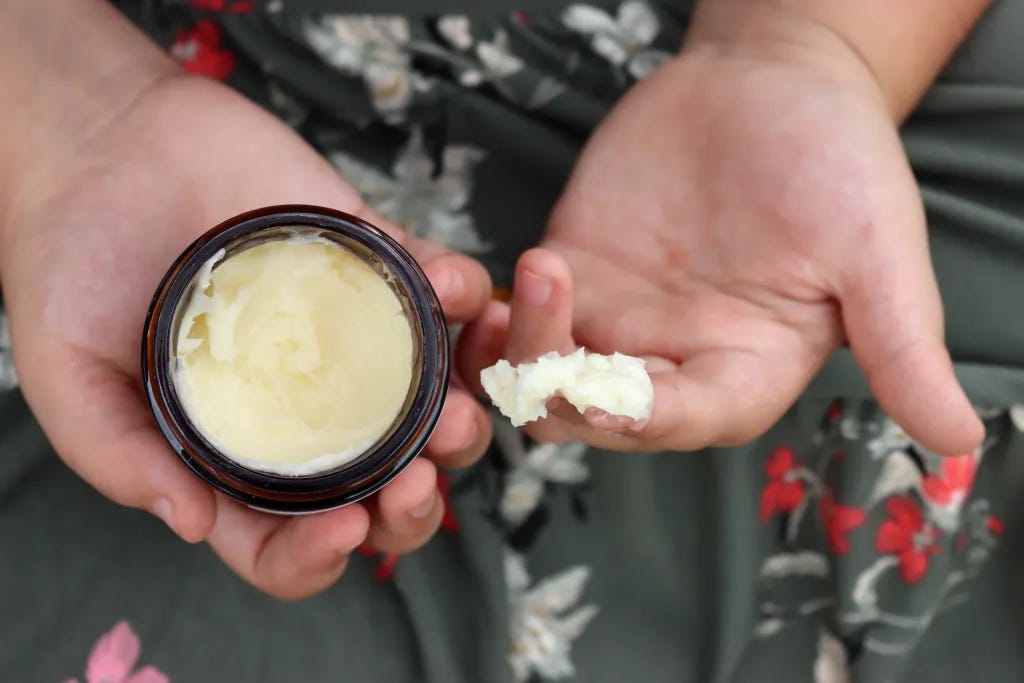
Whipped Tallow Body Butter – A bit like a salve, but without the need for beeswax to thicken and solidify it. Tallow is especially nourishing for the skin, and you can infuse herbs like calendula, chickweed, rose or lavender into the oil for added benefits.
Are you growing calendula? Drying comfrey? Making a jewelweed oil for later?
Let me know what herbal remedies you’re working on this week—I love hearing from you! Leave me a note in the comments.
Until next time,
Ashley at Practical Self Reliance
Comments
Nothing yet. Say the first thing.
Sign in to join the conversation.