
This week is a heartbreaking and important commemoration for Yazidi people. In my walk and talk, I want to offer a reflection, a bit stream of consciousness. Beyond the metronome of my walk, I hope you’ll feel this moment, and take it with you into conversations this week.
And I’d invite you to stay, here with Bodies in Resistance, and consider becoming a paid subscriber to join the comments along a copy of a chapter from my memoir.
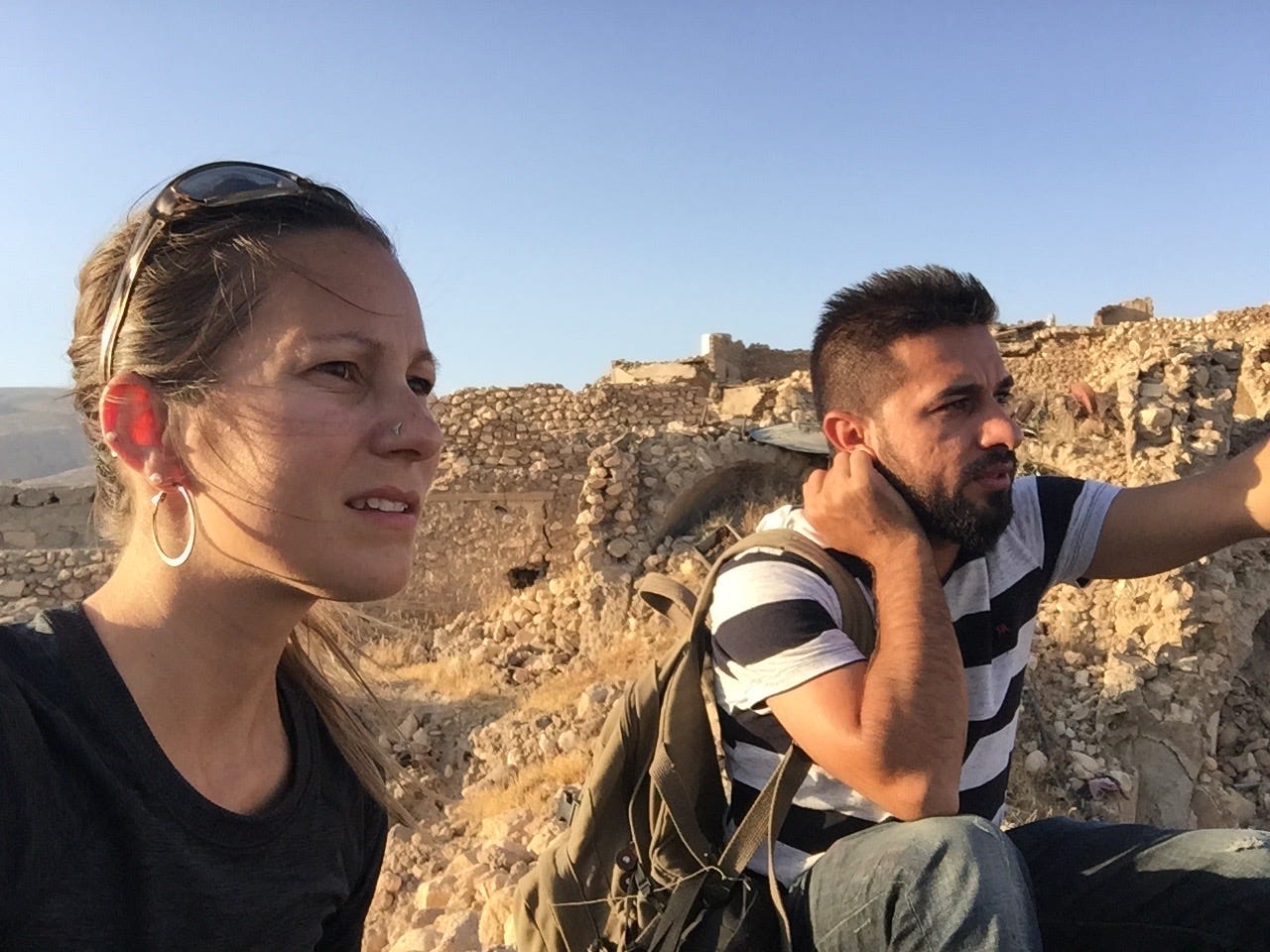
Indigenous women’s bodies matter. And I ask you to remember it with me.
3 August 2014, nearly a month after Bakr alBaghdadi ascended the steps of al-Nouri Mosque in Mosul to announce Daesh’s campaign, massacres against Yazidi began.
While Daesh was attacking Sinjar in a tsunami against Yazidi people, I was covering Gaza. A 50-day resistance ensued by Hamas against Israel’s never ending, nearly 80-year genocide project on Palestine.
Even under fire, I was fully aware of tragedy happening in Iraq and I’d been long itching to cover it. Covering Iraq was a legacy story for CNN, where I’d first launched into broadcast and multi-media. By then I was working independently, of course, but I’d been part of a circle where Iraq always lead.
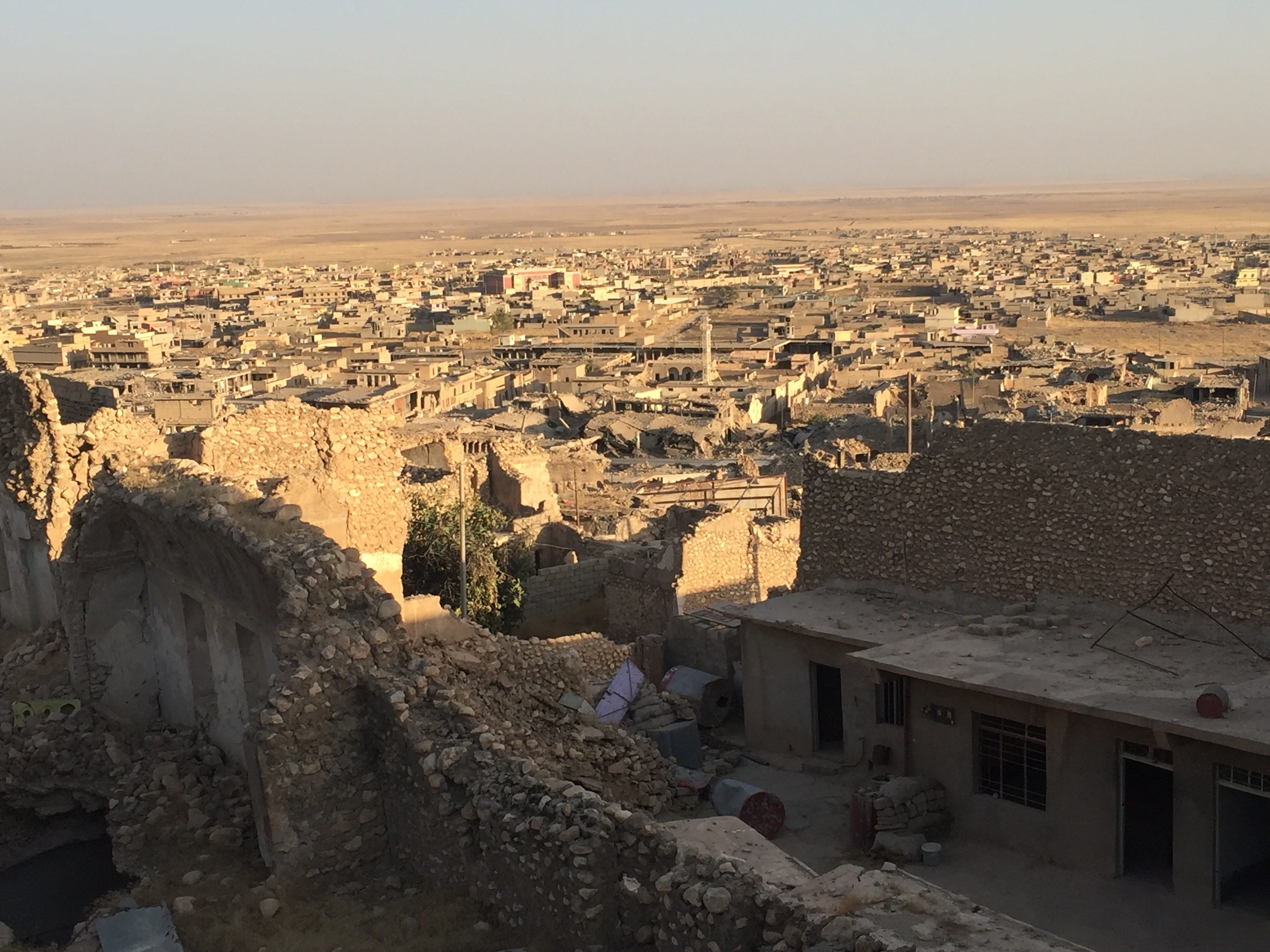
In 2016, 2-years later, I would arrive in Iraq for the first time. And on multiple occasions, I spent time with Yazidi witnesses, survivors and escapees. From Dohuk, where many of the displaced, some stayed along the outside edges near Turkey and across mostly Kurdish area camps, a few outside of Mosul.
They were not shy about their story. They needed the world to know. They still do.
December 2016, a few of my colleagues and I, went to Lalish, a holy site and village many Yazidi attempt to pilgrimage in their life time.
There, I met Asmer.
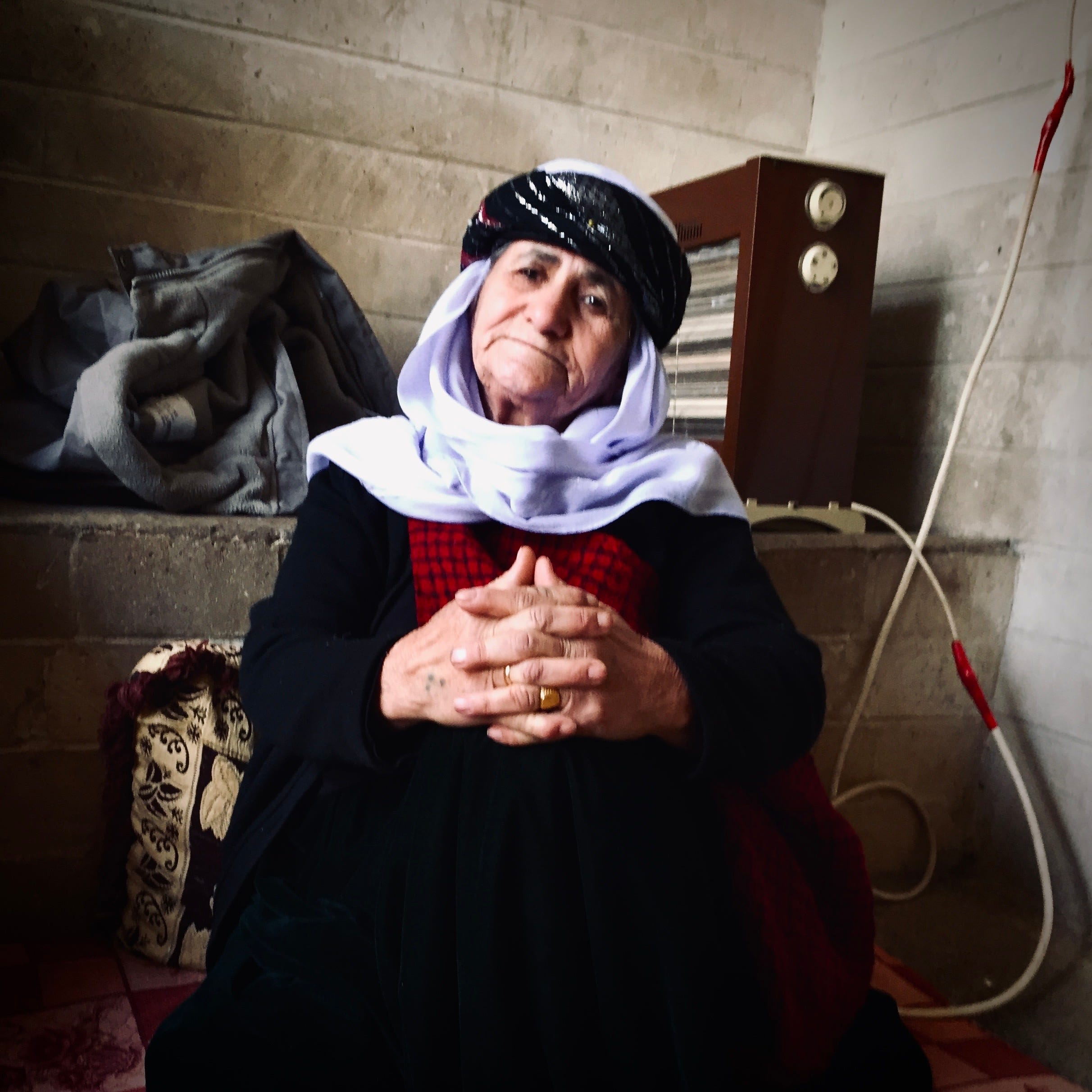
She was stationed at the bathhouse, others in her family also supported baptisms for Yazidi who made pilgrimage to Lalish, especially after escaping Daesh.
I was deeply impacted by the women whose resilience, survival and healing seeped into my bones, lessons I took with me into my own stories. Stories which became the basis for remembering how to hold worthiness and pain at the same time.
We are often missing the ingredient of ancient healing, and if you listen close, it’s in the stories.
Yazidi Survivor, Nadia Murad, and Nobel Peace Prize Winner, mentioned in this^ Substack
Paid Subscribers will have access to:
Comments
Nothing yet. Say the first thing.
Sign in to join the conversation.