
Civic Project final presentations
Upon returning from Orlando, there was less than a month before I wrapped up my entire first year at Minerva. Insane! Feels like only yesterday that I landed in San Francisco and had my eyes pop wide open while seeing the ‘not so Golden’ Golden Gate Bridge for the very first time. After the final flurry of assignments was submitted (remember, we don’t do exams here at Minerva), the final academic segment of the semester was to present our final civic project presentations and deliverables. Let’s rewind for a moment, shall we?
Minerva values practical experience and the application of classroom concepts to real-world projects and organizations. Hence, every semester, students partner with various local organizations in their rotation city and collaborate with these ‘civic partners’ on meaningful projects that are valuable to the students’ growth and learning, while also bringing valuable novel perspectives for the organization’s actions towards achieving its mission and goals. Students are encouraged to apply all the HC’s (Habits of Mind and Foundational Concepts) which they learn in the cornerstone courses to their projects, where relevant, creating that seamless bridge from classroom to real world. During our ‘symposium’, each team presented their final project deliverables and highlighted their journey of growth and struggle over the past eight months of their civic project.
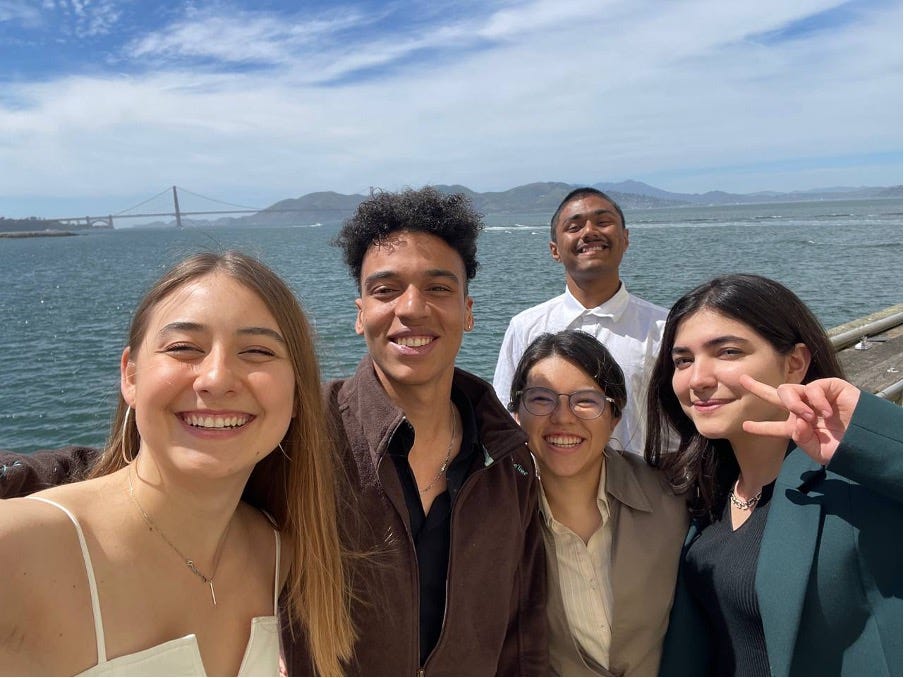
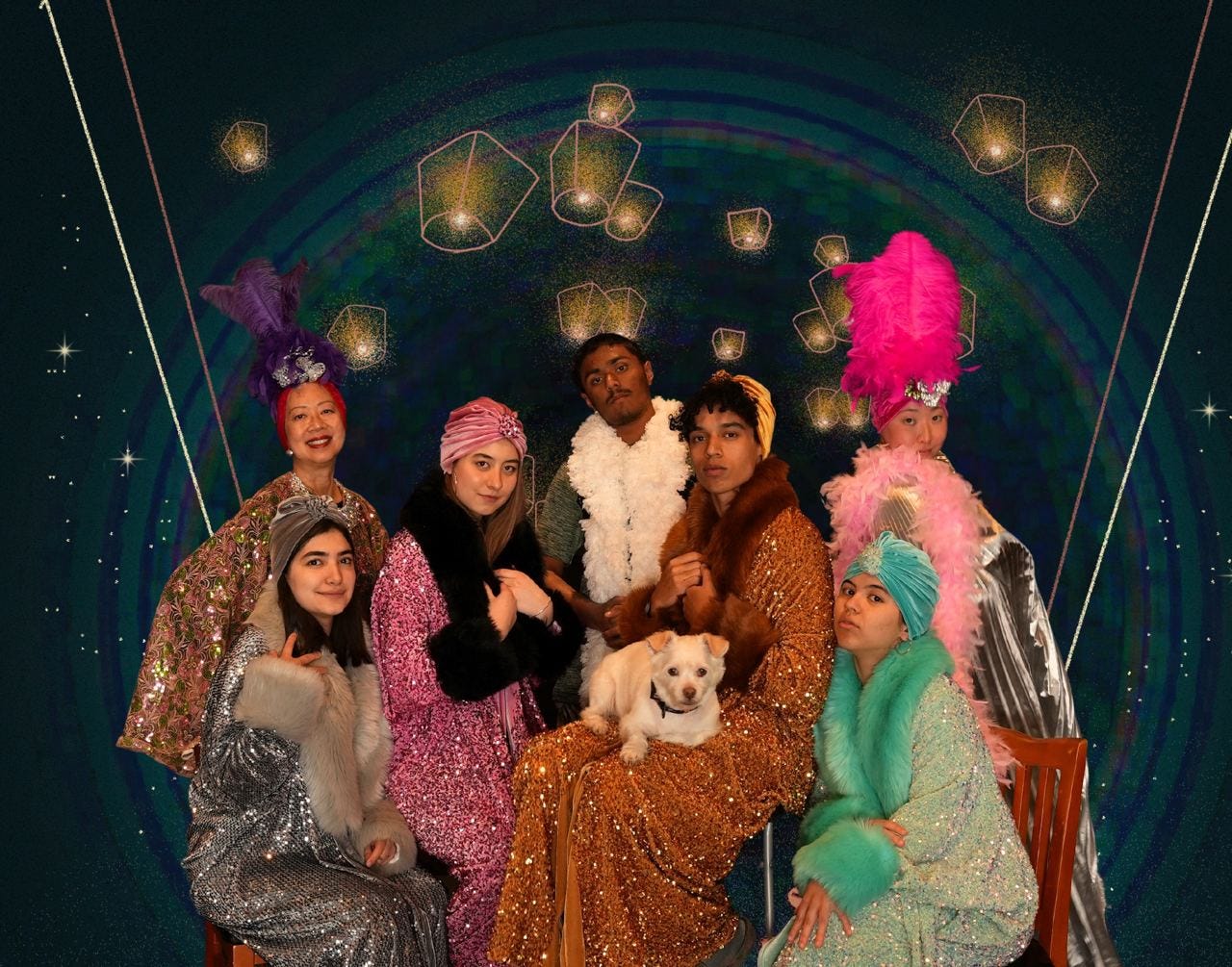
My team, being the ambitious, charismatic, over-achievers that Minervans are, decided to take our presentation to the next level by signing up to be one of the four teams who would present in front of our entire class, San Francisco student life staff team, all civic partners, and the parents and professors who managed to show up as well. Presenting on the big stage required that one level of extra finesse, professionalism and practice but we were ready to take on this challenge.
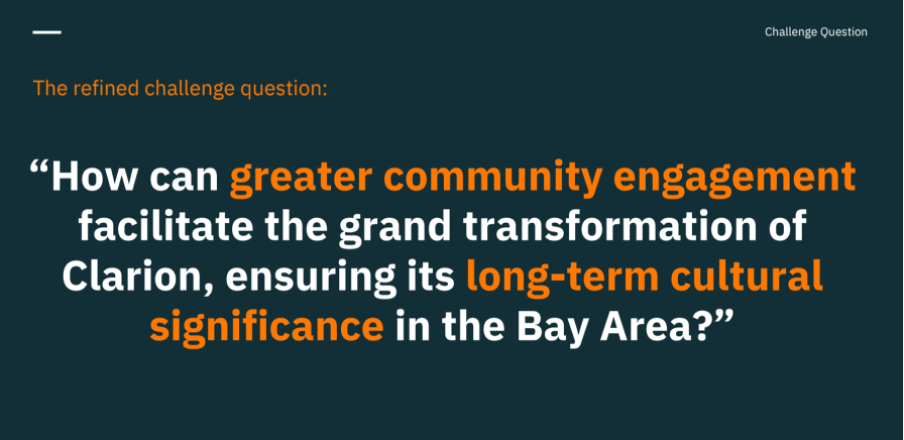
Our civic project entailed working with a local, non-profit performing arts centre in Chinatown, called ‘Clarion Performing Arts Centre’. Our project focused on designing a comprehensive promotional campaign across platforms to spread the word about Clarion’s latest initiative titled ‘Rent Free April’, where the Clarion would provide 30 days of rent-free access to upcoming San Franciscan artists to perform on the big stage, and garner the audience, support, network, and brand image that would be crucial for their upcoming artistic careers. In the process, this would draw more artists and audiences to Clarion, bringing more funding, liveliness, word-of-mouth, and potential long-term collaborators to rejuvenate the space and keep Clarion’s mission alive, of ‘empowering the Asian Amerian artistic community in the Bay Area and beyond’.
We designed flyers and posters, wrote taglines, revamped the entire webpage of ‘Rent Free April’ on the Clarion website, and designed a thorough posting schedule, calendar and template for all Clarion social media posts for April. We significantly improved Clarion’s social media engagement and promoted ‘Rent Free April’ with such passion that all the slots for artists were soon filled up. The highlight of the project was being able to witness our project in action during April, where our team attended jazz concerts, Kathak dances, stand-up comedy, film screenings and more by various local artists, satisfied to see the audiences thrilled and our civic partner satisfied with our deliverables.

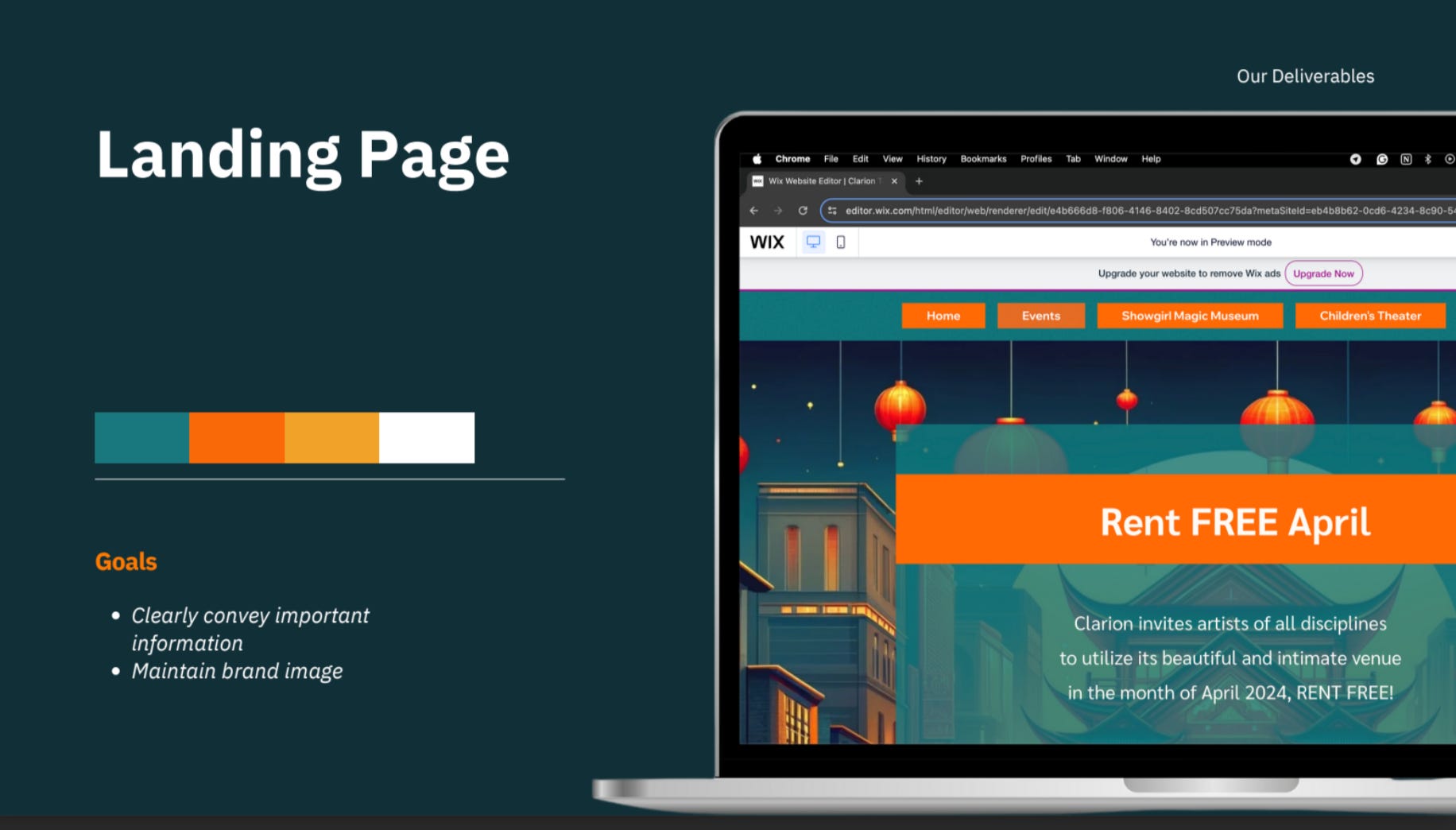
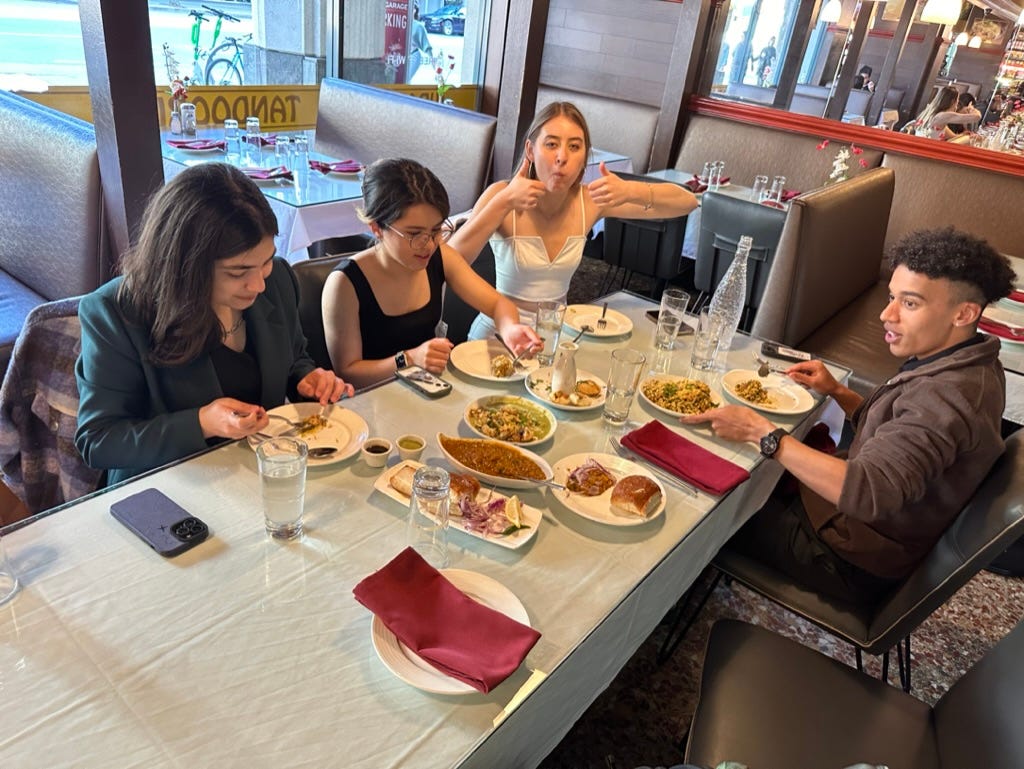
We consolidated an eight-month journey into a 10-minute captivating presentation that captured our team dynamics, prototyping process, deliverable creation, and overall takeaways from the project. It was a wonderful opportunity to overcome my public speaking anxiety and bond with my lovely teammates, who then insisted on a final moment of team bonding as we walked by the beach, chatted about summer plans, and celebrated with a hearty Indian dinner, that would ‘slightly’ trouble the digestive systems of my Japanese and Ukrainian teammates over the coming few days. Massive shoutout to team ‘Artsy Bitsy Global’ for a splendid year of art and adventure!
A week in the nation’s capital
We wrapped up the semester on April 21st, with hearty farewells, hugs, kisses, and tears, as students packed up their bags and headed to the airport, catching flights to literally every corner of the globe, which they called ‘home’. I would be returning home shortly, but not before a memorable 15-day solo trip to Washington DC and New York in celebration of my eighteenth birthday. I caught a flight to the nation’s capital, ready to finally meet Mr. Joe Biden at the White House.
The power of a fictional story
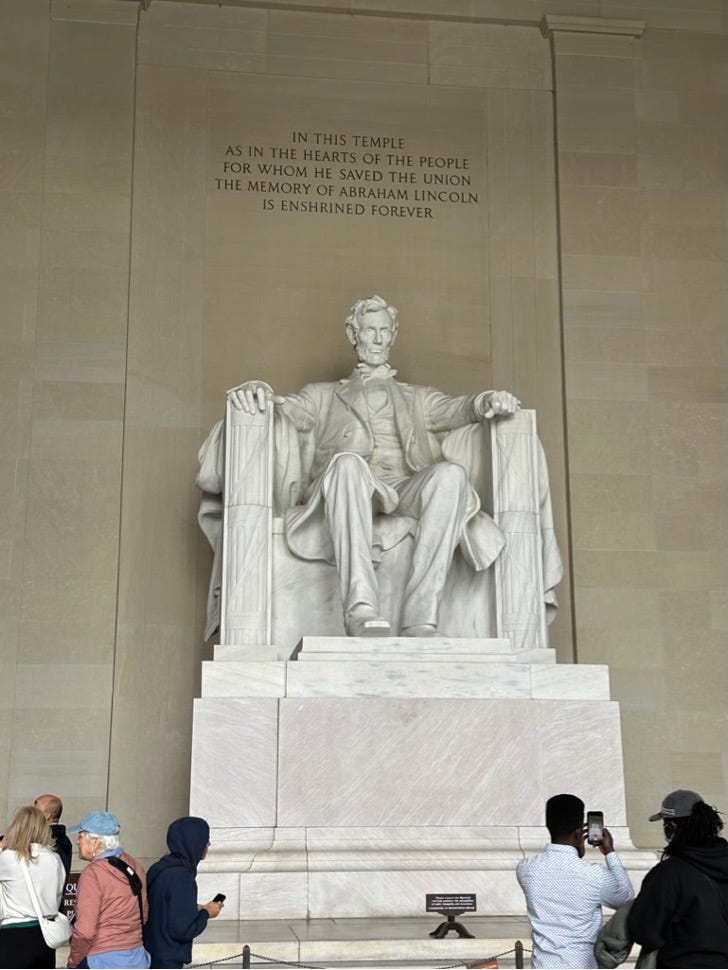
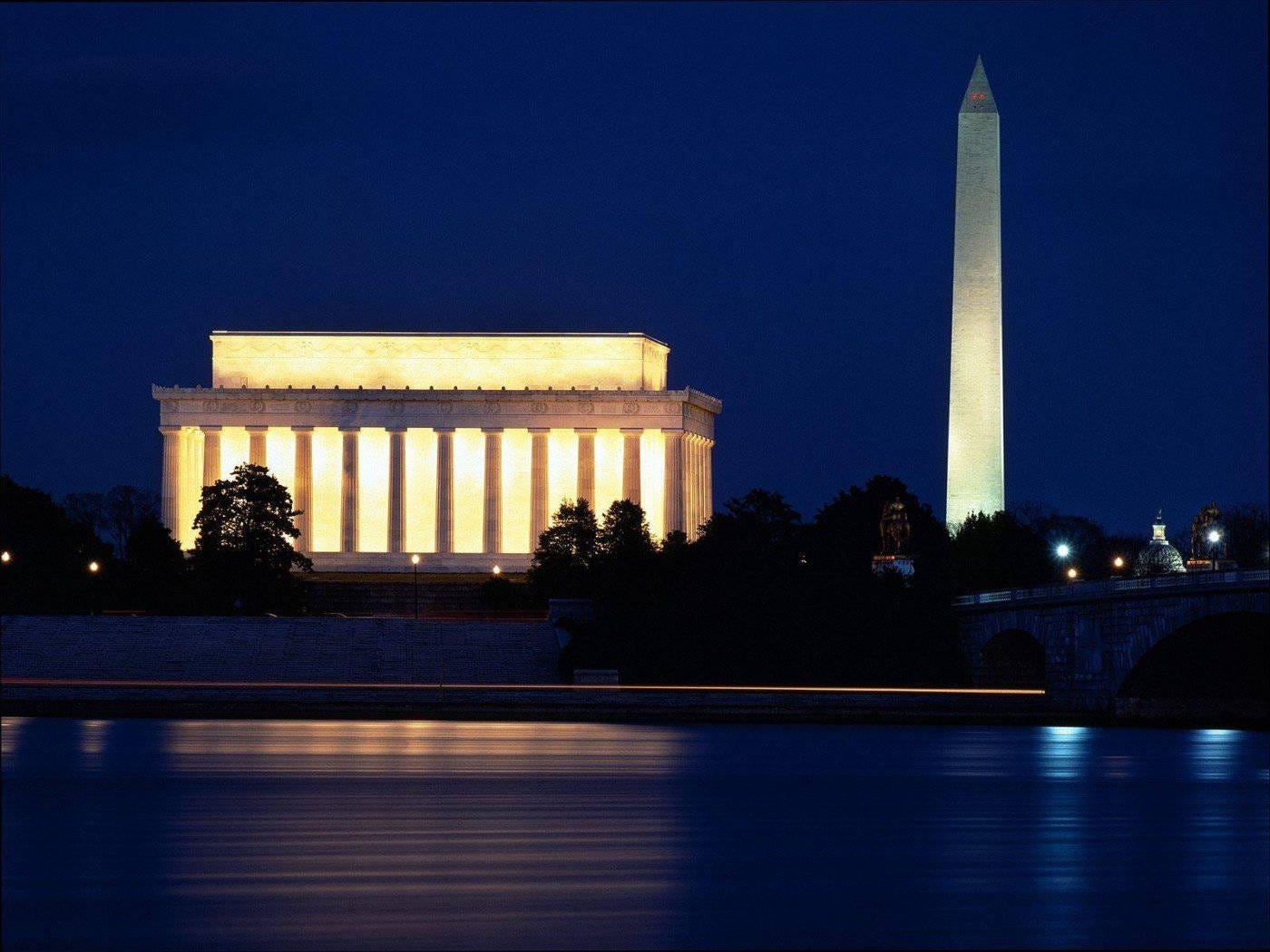
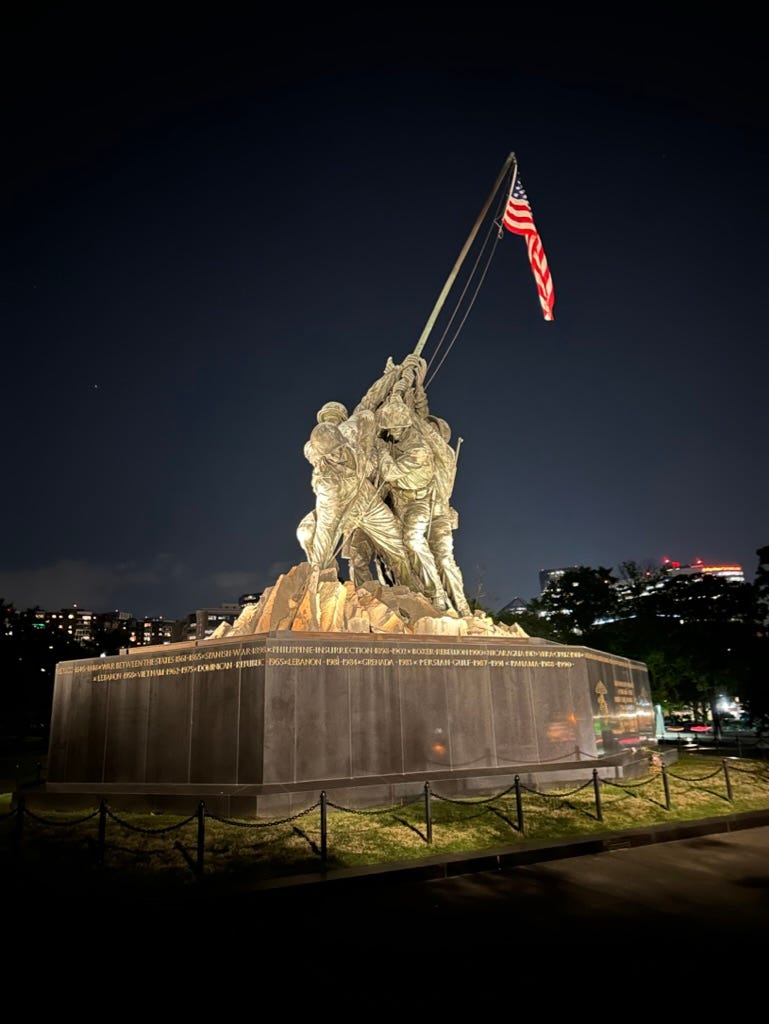
No other species on the planet has the concept of a ‘nation’. As Yuval Noah Harari reminds us, the very notion of a nation-state is fictional and invented by humans to create a bond between total strangers that encourages them to cooperate, share, support each other, and fight side-by-side for a common ideal/cause. My macro-observation from spending a week in DC was that the most powerful nations in the world today have invested greatly in sharing a compelling and detailed story of their creation, existence and journey over centuries, both with their own citizens and the rest of the world too. The entire city of Washington DC is a living, breathing testament to the power of the American narrative – in its larger-than-life statues, stunning national monuments, engaging museums, and in the passion of its hundreds of tour guides who powerfully communicate their nation’s history to both locals and foreigners. The Lincoln Memorial, the White House, the Washington Monument, the Library of Congress, and the Vietnam War Memorial serve a crucial purpose. History can be easily forgotten, re-written, and thwarted if we leave it in the minds and tongues of its people – but when we build physical structures, monuments, and inscribe facts and figures into the walls and soil of the Earth, it serves as a constant reminder of the people, moments, wars and events that we should never forget. If we allow our past to guide better decisions in the present, this consequently creates a brighter future, where we will at least make new mistakes instead of the same old.
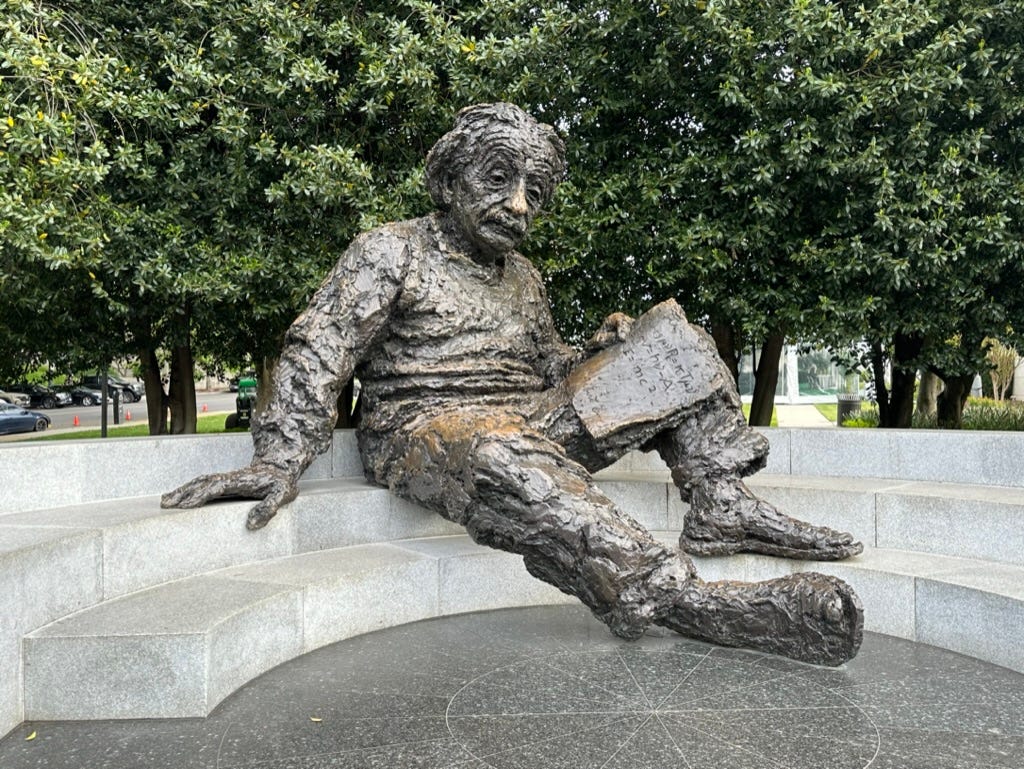
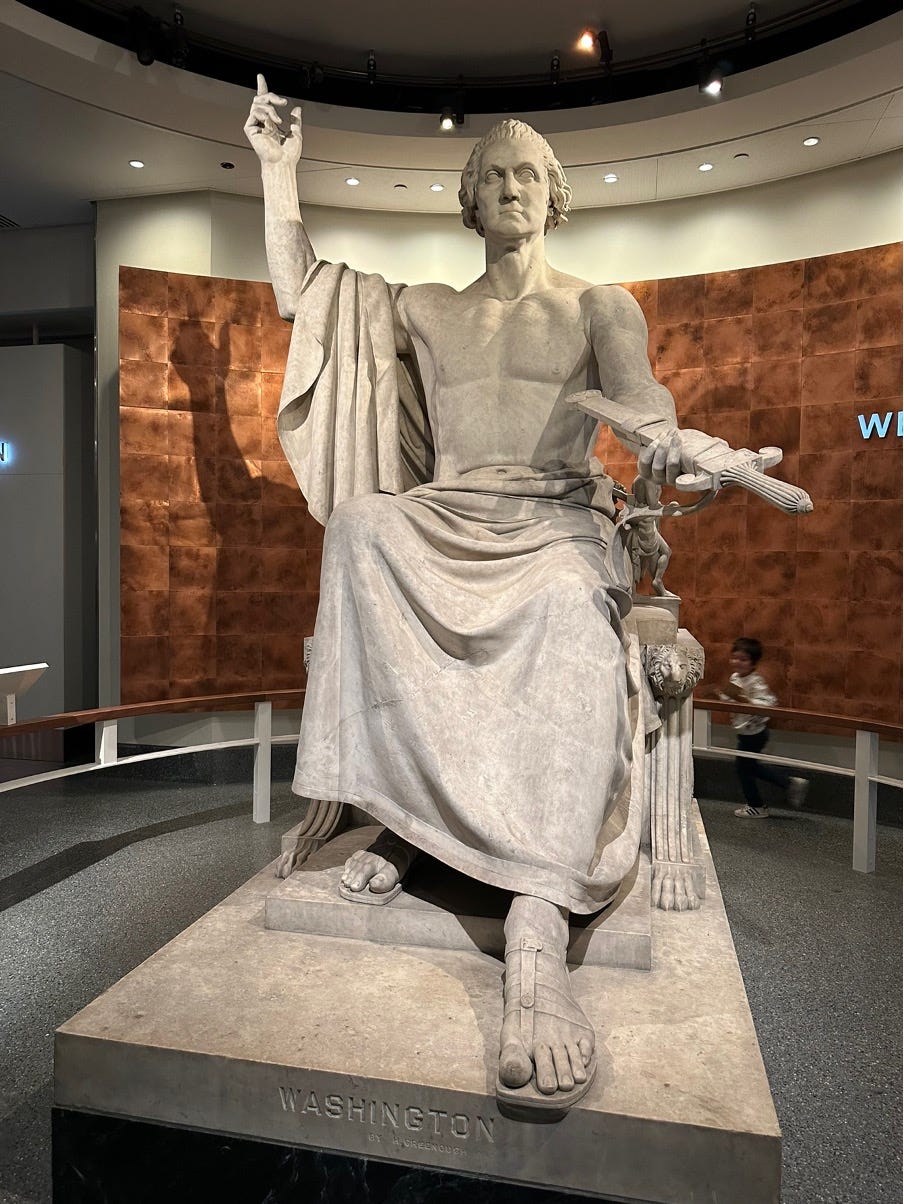
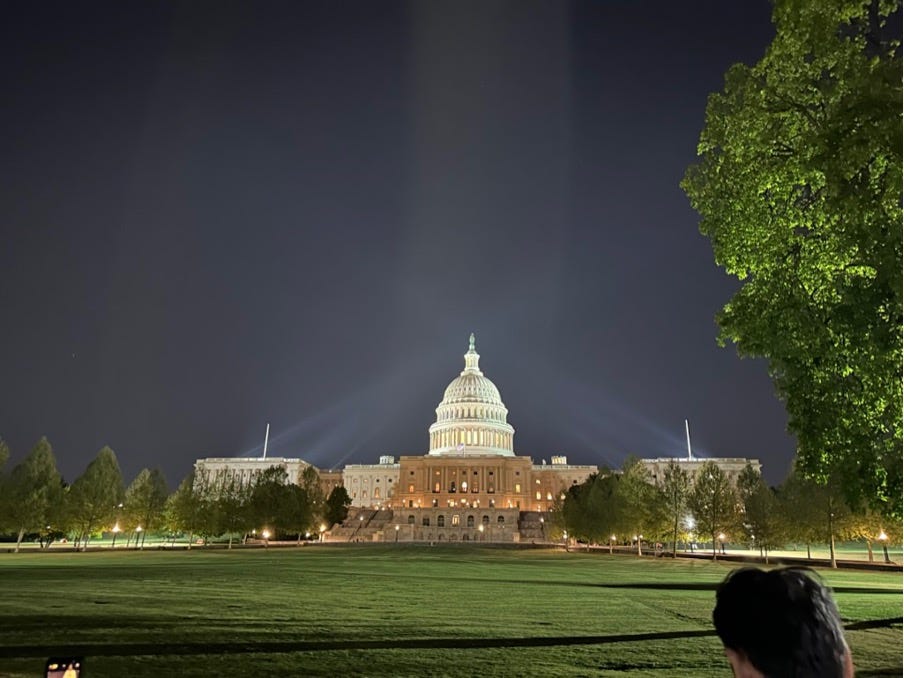
As an Indian, I reflected on the work currently being done alongside our country’s rapid holistic growth to share a more coherent, truthful and powerful narrative of our country to our 1.4 billion citizens as well as the rest of the world. The work being done to teach our students Indian history alongside world history, to make them aware of their deep historical roots. And to encourage our artists, poets, musicians, dancers and filmmakers to take inspiration from within, from close by, and not just from countries on the other side of the world, for their art. To anyone who feels passionately about giving back to their nation, I think it’s crucial to do a tremendous amount of fact-checking and critical thinking to uncover powerful hidden stories of their own nation and bring them to light for others to see. We all can play our part in better communicating the stories of our own nation to foreigners when we speak, write, and exchange ideas in any other form, by first being well-informed citizens who ‘think globally, but begin by acting locally’.
Academics at Minerva – Cornerstone Courses
HC highlights
1) Multimodal Communications – #interpretivelens
We all might see the same physical world, but oftentimes, it is through a different pair of glasses. Glasses of hope, despair, love, rage, appreciation, criticism, glasses that are tinted by our upbringing, nationality, gender, social status, beliefs, friendships and much more, cracking the frames to such an extent that few among us can confidently claim to see the world ‘as it objectively is’.
Real-world examples:
· Consuming content – Confirmation bias heavily kicks in when we read opinionated content. It is so natural and easy to search for facts and opinions that confirm our worldview and to be critical, questioning and even outright ignore any information which goes against our beliefs. Being aware of our personal opinions on crucial and contested global issues can help us consume content with the desire to seek truth over confirmation, reading statistics, statements and opinions for what they stand for, instead of ‘what we would like them to mean’. Being more neutral content consumers helps us also be more objective content producers, in times where it is crucial to set aside personal opinions and report things ‘as they are’. This is vital, especially in a world of echo chambers where we are all attempting to break free of the social media algorithms which keep pushing up content that fuels our confirmation bias and tells us ‘we are right’, which is a pleasant and comforting thing to hear, if we’re being honest.
· Conflict resolution – Empathy is difficult to put into practice, but maybe #interpretivelens has a solution for us. Much conflict arises when two people see the same situation in a different light. Opening up about how we interpret the situation and listening actively to how the other party views the situation highlights the key points of disagreement on facts which ideally should be interpreted only in one way. The acknowledgement of our interpretive lens is a humbling experience, which makes us aware of our limitations and past conditioning that is standing in the way of our objective and calm approach to a conflict. This immediately paves the way for seeking new solutions when required, like mediation, because both parties have realized the importance of a third, neutral party whose interpretive lens of the situation is less tainted, thus allowing them to see the facts through ‘clearer, cleaner glasses’.
· Artistic interpretation – As consumers of art, it is interesting to think about how each piece of art appeals to us differently than all our friends, siblings, colleagues because it speaks directly to our worldview and past experience. Why does the same piece of abstract art communicate a message of hope to one person and melancholy to the other? As artists, being aware of how our own interpretive lens shapes our art can in fact enhance it, because we can make our art personal and genuine by tapping into how we interpret an experience or moment in time. The power of the creator is to show the audience how and why he views a ‘mundane’ event or object as ‘extraordinary’. At times when we lack inspiration for our art after searching all four corners of the outside world, we may realize that the key may be locked up at the very centre of our own being.
2) Empirical Analyses – #modelling
A model is a simplified representation of the world, which makes key assumptions (that may not be entirely true!) to better understand and make predictions about a complex system that is difficult to comprehend in its entirety. Varying the inputs, parameters and assumptions in a model helps us make key predictions about how these can impact the end result, which often is the major basis for real-world policy decisions and actions regarding unpredictable future states of the world.
Real world examples:
· Climate change – Most of our current policy decisions on climate change are inspired by models of the future Earth, with varying levels of temperature rise, CO2 emissions, sea level rise, population growth, etc. These models influence the laws passed by real-world governments, organizations, and international bodies like the United Nations. It’s crucial that these models stay relevant, which is only possible by continuously updating them with the most recent data. This data can sometimes influence the underlying parameters and assumptions of the model which greatly impact the final system output. For example, today rainforests are still net consumers of CO2 thanks to an abundance of trees. However, if forests were to eventually become net producers of CO2 due to deforestation, increased wildfires and insect outbreaks, this might require significant changes in the key assumptions and parameters of climate change models that currently assume that forests are a major preventor of climate change.
· Behavioral economics – Behavioral economics is an upcoming sub-branch of economics that combines groundbreaking research in psychology and sociology to make a simple, bold claim: ‘Many basic economic models upon which the entire field has been built up on, make simplifying assumptions that are inaccurate’. Most basic economic models assume that humans are rational, self-centered, logical, take their time to make important decisions, and aren’t often prone to biases and fallacies in decision-making. Behavioural economics uses psychological theories and experiments to systematically underscore each of these key assumptions, stating instead that humans are often emotional, illogical, selfless, hasty in their decision making (System 1), and prone to a wide range of logical fallacies and systematic biases. Now, key leaders of this field like Amos Tversky and Daniel Kahneman are proposing revised economic models like ‘Prospect theory’, which they regard as more realistic and accurate than the standard ‘Utility function’ of neo-classical economics. It has become a fine balancing act between simple models that allow for powerful real-world predictions and deductions over more complicated, realistic models with lower predictive power. So, here is a ‘young’, ground-breaking field of study that challenges decades of economic theory on the basis of over-simplified models that no longer predict human behaviour truthfully.
· Covid-19 – The most recent example is modelling the spread of the COVID-19 virus to make policy decisions and implement laws like social distancing, lockdowns and mandating the use of masks. Predicting the spread of the virus helped governments to coordinate the distribution of supplies, and warn citizens of imminent local outbreaks in their localities. Most importantly, with limited time, resources and high public panic, governments could use models to simulate multiple alternate realities and thus, understand which preventative measures would be most effective, ie. with limited production capacity, whether it would be more beneficial to focus on mask vs. sanitizer manufacturing, when it is difficult to invest in both. Assumptions made by virus models are literally matters of life and death, because simplicity and accuracy are a fine balance. For example, do you assume a constant population growth rate which may not be entirely true but greatly simplifies the model, vs. being more realistic about changes in population growth rate but making the model much more complex to build, understand, interpret, and also leading to slow predictions and decision-making power?
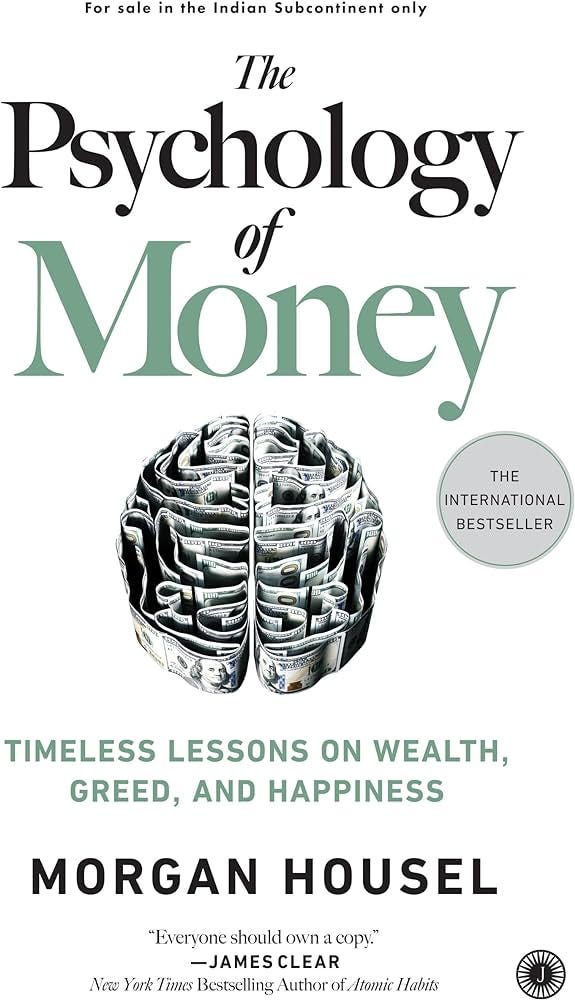
Book of the month
Movie of the month

Poem of the month
The friend I lost
The German solider
Peeking out
from behind the trench
He didn’t look
All that different from me
Tall, skinny, pale
Tired of the war
Yearning to go home
So, what if they called me ‘Edward’
And him ‘Adolf?
You wouldn’t be able
To tell us apart
If we removed our uniforms
And exchanged
If not for his helmet,
His uniform,
And the side of the trench he fought on
He could very well have been British
He could very well have been
My brother,
My comrade,
My best friend
Maybe I’d have shook hands with him,
Exchanged a few pleasantries,
Smiled, laughed, and hugged
Gotten to know him better
And shared with him
a piece of my own story
If only I hadn’t fired the first bullet
I would have come to learn
That he too had a younger sister
In grammar school
Who cried every day
When she slept on his empty bed
That he too loved horses
And his parents ran a farm
Just like mine
That he too had a girlfriend
Who he wrote to every single week
And would have married
Soon after the war ended
If I hadn’t blown his head apart
Into a thousand scattered pieces
Of Nazi flesh and blood
But he stood on the wrong side of the trench
He supported the wrong leader
And waved the wrong flag
That made him the enemy!
Maybe not my enemy
But surely the enemy of
The so-called ‘heroic’ nation
I fought for
I had orders from up above
So I shot him down
My heart aching from within
Because he just might have smiled at me
The moment before
I sent him flying into the stinking mud
Where he belonged (?),
A decision I would regret and sob over
For many years to come,
Because I knew deep within,
I had shot down
A man who just might have been,
In a better world,
A more peaceful world,
My best friend
Wow! That was long. Thank you for being patient with me and reading (or skimming) to the end.
Please subscribe to my monthly newsletter if you would like to stay updated with my monthly adventures as I travel to six global cities (San Francisco, Taipei, Seoul, Buenos Aires, Hyderabad, and Berlin) over the next four years with Minerva University! Until then, Au Revoir!
No posts
Comments
Nothing yet. Say the first thing.
Sign in to join the conversation.