
The doctor started fidgeting in his chair as cameraman Sarmad, set up the shot for our interview. Its roughly a week after US Ambassador Chris Stevens was killed along with four others at the US consulate in Benghazi in a massive attack which the US blamed on this group called Ansar al-Sharia. We were at the time still trying to piece together what had really happened and how such a massive security breach even took place. The State Department had put out a narrative that placed the blame on Stevens himself, that he has grown too complacent given his largely positive relationship with the Libyan people.
Just days earlier we had found Steven’s diary in the smoke blackened bedroom of the consulate. We did not skirt any security perimeter or sneak into the consulate. There was no security. It was open season for anyone who wanted to wander around. Plenty of looters had already been through. The diary had a hard black cover, camouflaging it from the looters. It was mostly work notes. Its last words written in what looked to be frantic barely legible writing were “never ending security threats …”
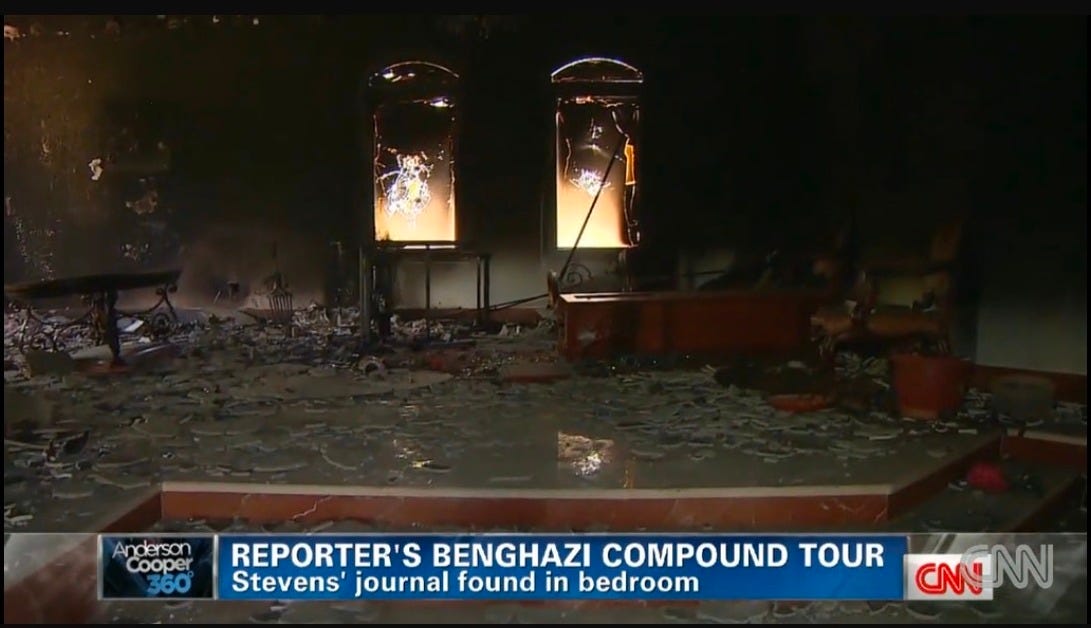
Watch: Our first report from Benghazi
Long story short it kind of blew apart the State Department narrative that Stevens wasn’t aware of the security threats since he’s constantly talking about them in the pages and writing about his growing concerns for Libya. This would later set off a whole investigation into how far up the chain did his concerns go, what happened to his requests for additional security measures and was a big part of the Hillary Clinton Benghazi fiasco into security lapses.
The State Department took CNN to town over our reporting on the contents of the diary. Vogue ended up doing a whole piece on it.
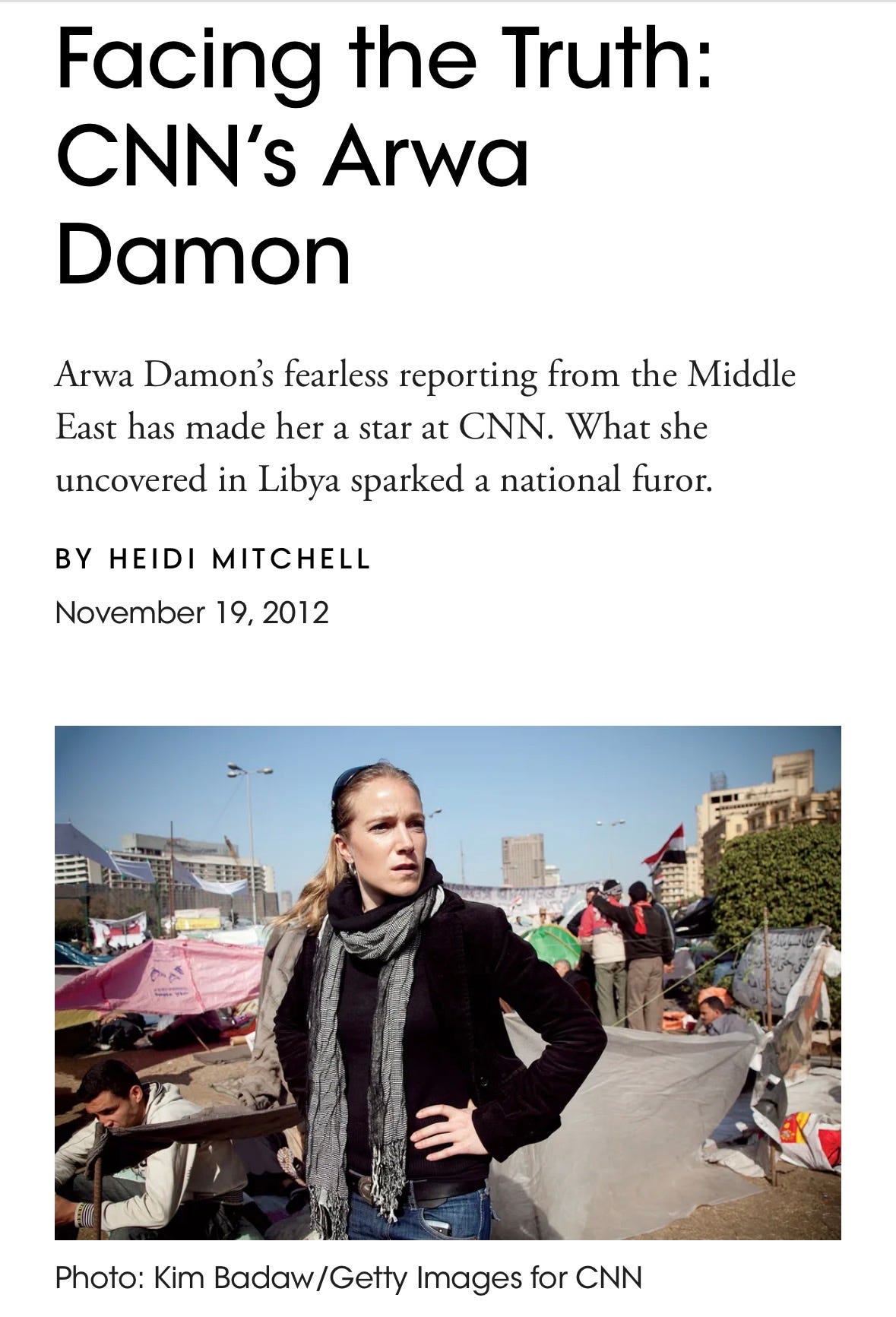
Read: Vogue article
It was not a decision that CNN took lightly. We first had to verify that the diary was in fact his by cross checking some of the dates in it with publicly known meetings and travel. I transcribed it. CNN notified the State Department that we had his diary and they asked us to hand it over to the Italians. By the way, the Italians then promptly gave Italian journalists access to its contents.
The details which we reported were very specific ONLY to his concerns about security and about how he feared that he was on a hit list. The decision was made that this was newsworthy, especially since it was a clear contradiction of the State Department’s narrative.
But back to this doctor. Remember it’s just days after the attack. Benghazi is on edge. Security is super dodgy. The CIA was both onsite at the embassy and operating out of an annex nearby. That night the annex was also attacked. It was a very badly kept secret.
I take my seat across from the doctor, ready to start the interview. He is shaking and sweating buckets. He then jumps up and bolts out of the room, running through the lobby screaming that we are CIA trying to kill him. Our security consultant (yes we had those, no they were not armed) and Libyan producer chase after him. I am chasing after them thinking “the last thing we need is everyone at this hotel thinking we are CIA”. The doctor runs through cars in the parking lot and hides behind one. I scream at our security guy to stop chasing he man who is scared of the CIA since, like many security types, he looks like he walked out of the pages of the CIA fact book.
Hilarious yes. But also speaks volumes.
Once our Libyan producer got him to calm down, reassured him that we were in fact journalists, the doctor confessed that he thought that we had some sort of a spray that would shoot out of the camera lens and kill him once the camera switched on. He was convinced we were an American team of assassins. As for why we would want to kill him? Stevens was rescued from the flames of the consulate by Libyans who had rushed to the scene once the gunfire died down. He was pulled out of the building alive, but barely. By the time he arrived to the hospital and the doctor’s care he was already dead. The doctor was terrified that the Americans would blame him for Steven’s death and assassinate him as revenge.
Prologue: We would on that trip interview Libyan guards at the compound, Libyan security forces and others whose testimonies to us continued to poke holes in the State Department narrative.
In the week after Steven’s death protestors took to the streets of Benghazi to demonstrate against the attack and declare their love and appreciation for all that Chris Stevens had done for their country. They wanted the world to know that they did not condone the attack.
We returned to Benghazi later and did an in-depth investigation into the attack, which included an interview with Ahmed Abu Khatallah, a key suspect, who was wanted by the US. The interview was audio only and took place in a hotel lobby. Suffice to say both the State Department and the CIA were super pissed that CNN interviewed a guy they were looking for.
Watch: Our interview with Abu Khatallah
Sarmad and I won the Investigative Reporters and Editors Award for our coverage, along with the rest of the CNN team.
Sarmad, may he rest in peace, died suddenly of natural causes two years later. He was one of the most talented cameramen I’ve ever worked with. His images were utterly ethereal. He was also one of the funniest people you’ll ever meet.
Ahmed Abu Khatallah was captured in June of 2014 and brought to the US for trial. He was sentenced to 22 years in prison. In 2024 he was sentenced to another 28 years.
No posts
Comments
Nothing yet. Say the first thing.
Sign in to join the conversation.