
Happy Sunday,
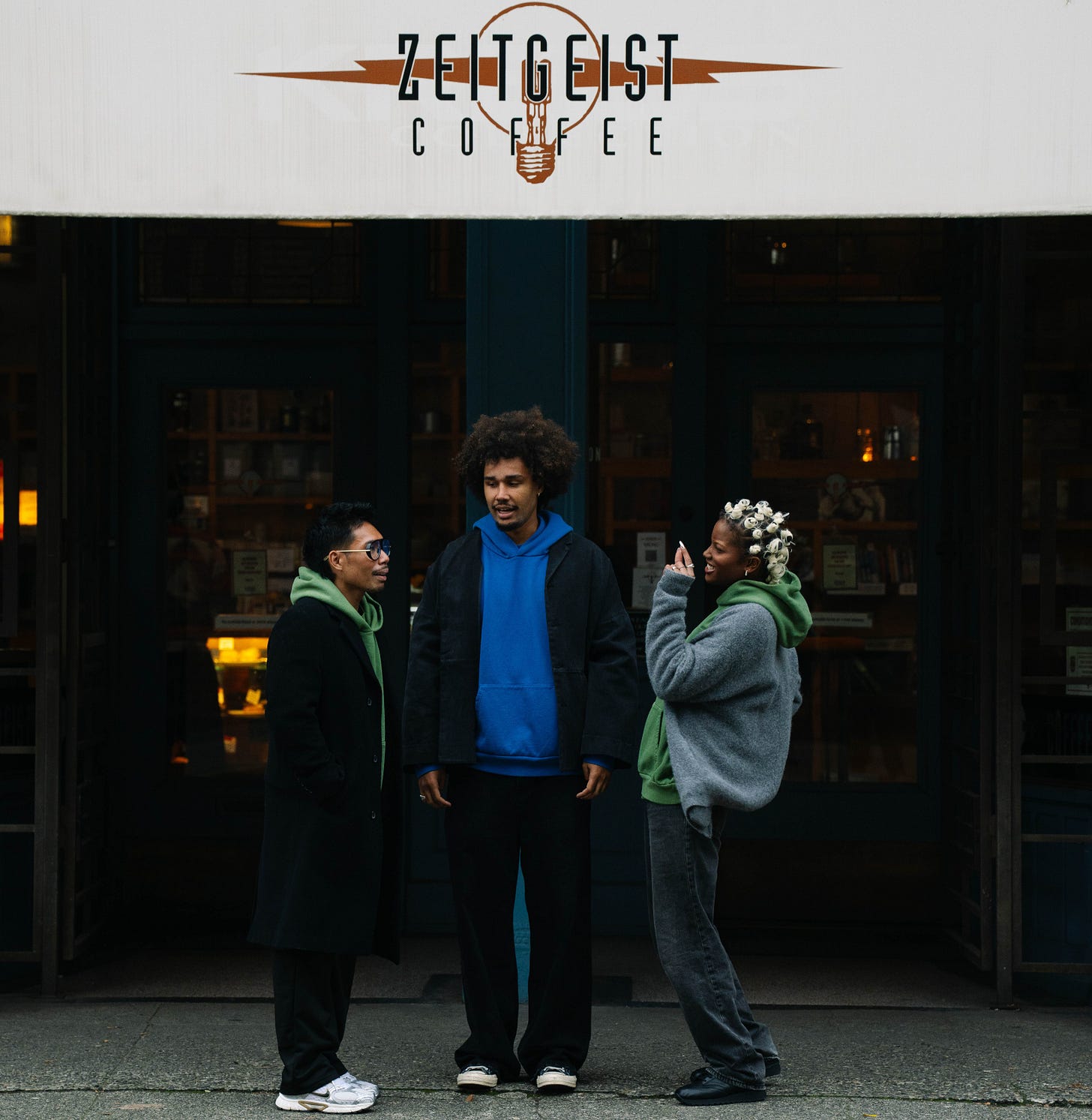
We dropped a new apparel capsule this week, and it’s made in the USA. A few folks asked what that actually means in apparel. Fair question. In simple terms, clothes are born from yarn that becomes fabric that becomes a garment, then it’s finished. Dyed, washed, printed, or embroidered, and finally shipped. In our industry, “Made in USA” can mean a lot of mixes: imported fabric that’s cut and sewn here, or fully domestic from yarn to finish.
Our capsule leans into the second path. After years of hunting, we partnered with a vertical Los Angeles factory that does it all under one roof: knitting and weaving, cutting and sewing, and garment dyeing on site using domestic and imported yarns. That kind of setup is rare here, which is why we’re so excited about it. The results are exactly what we care about: quality, comfort, fit, and a hand feel that lands right on day one, and only gets better.
Why go this route now? Because it lets us control the details without playing sourcing ping-pong. Shorter transport, tighter QC, fewer surprises. Trust us, it would be a lot cheaper to just buy imported blanks. When you pull on a tee or hoodie from this batch, the drape is balanced, the seams are clean, and the fit is dialed for everyday wear. This is the best-basics lane we’ve always promised, just closer to home.
It also pairs exactly how we like to build a kit: made-in-USA apparel up top, premium socks made in Portugal down low. Our socks are knit at family-run factories we’ve worked with for years, using soft, durable recycled-cotton blends and considered finishes.
We’re not here to reinvent the wheel. We make elevated essentials that feel great and earn their space in your rotation. If a material or finish doesn’t make the product better, we skip it. If it does and, by chance, also lowers impact, even better. This is our version of responsible design: build things you actually reach for.
If you’re new here, we’re hyper-focused on Made in USA tees and fleece, garment-dyed in Los Angeles, and premium Portuguese socks that disappear on foot. If you’ve been with us, this capsule is more of what you already like: refined fits, premium fabrics, and simple pieces that work with everything.
Please try it out and let us know how you like it. Check the collection out here.
As always, thank you for reading! Enjoy the news below, and we wish you a great week!
Hope you enjoy today’s Clean Up. We would love to hear from you. Comment here on Substack, hit us on social, or email us at info@arvingoods.com. Have a great week. Cheers,
Stories Of The Week…
Design
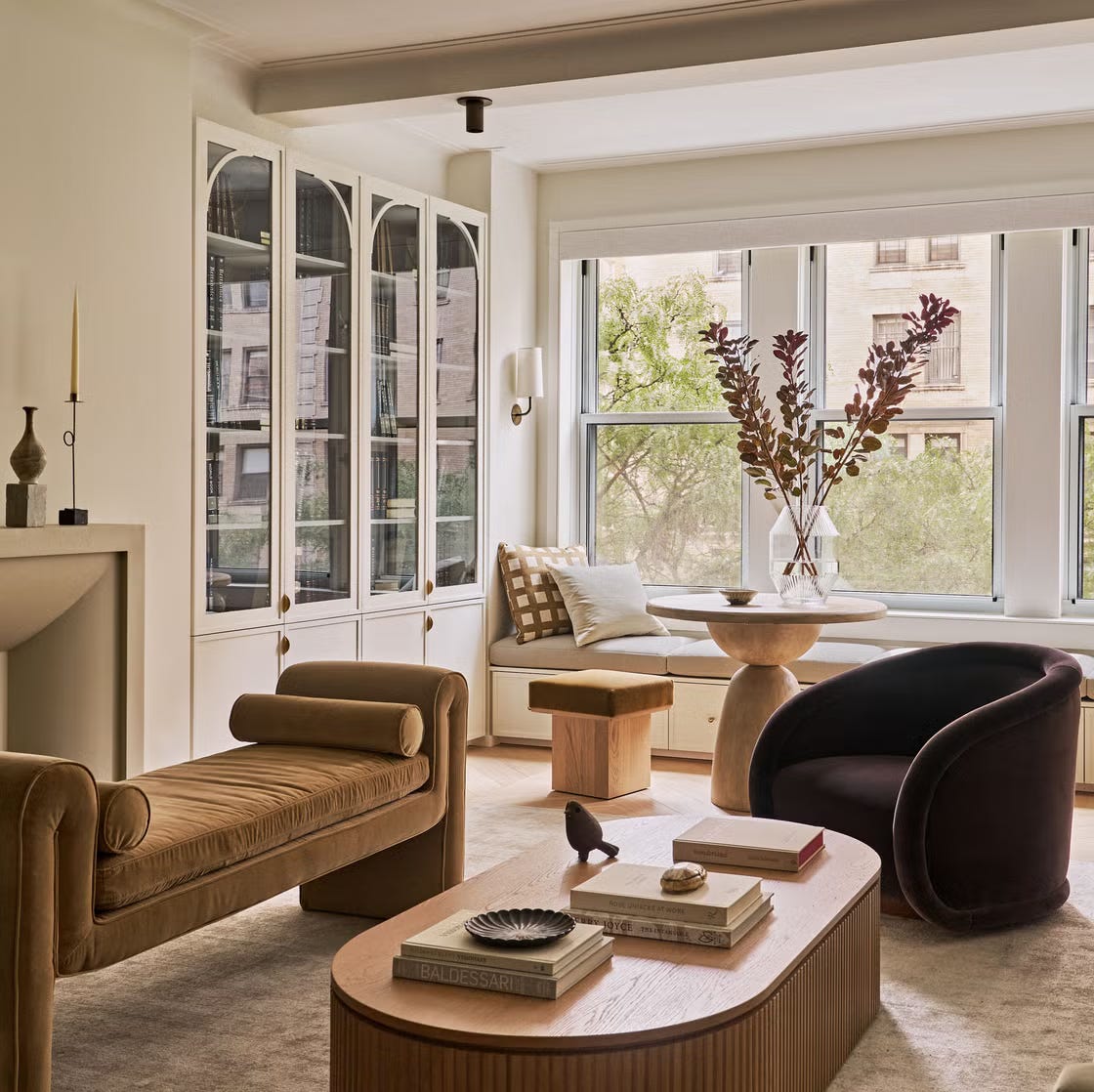
10 Design Trends From 2025 You’ll Still See Everywhere in 2026, According to Experts - House Beautiful
So many home design trends made waves in the industry this year. Whether they were years in the making or found their way into the spotlight thanks to social media virality, these interior elements helped visually define 2025.
For starters, there was dopamine decor and the messy girl aesthetic, as well as the very recent Ralph Lauren Christmas trend and the pattern-drenching look. And let’s not forget about the rise in chrome decor or “grandma” things!
While some of these trends may have peaked months ago and won’t be coming into the New Year with us, others may be sticking around for a while. Thankfully, design pros know a lot about timeless design, and they’re sharing their wisdom with us ahead. We asked interior designers about the 10 trends they think will move seamlessly from 2025 into 2026—here’s hoping that your impulse home purchases (or full-blown renovation choices) made it onto this list.🏠🖼️
Photo

In photos: Flooding in Western Washington state forces thousands to evacuate - NPR
Back-to-back atmospheric rivers brought heavy rains, strong winds and catastrophic flooding to parts of Northwest Oregon and Western Washington state this week. Flood watches and warnings remain in effect in Western Washington after days of heavy rains.
According to KUOW, “tens of thousands of Washingtonians remain under evacuation advisories, including about 78,000 people in Skagit County’s flood plain.” Visit their live blog for more updates.🌧️🛶
Industry
2026 Global Trade Report: Tariff turbulence is elevating strategic role of trade departments - Reuters
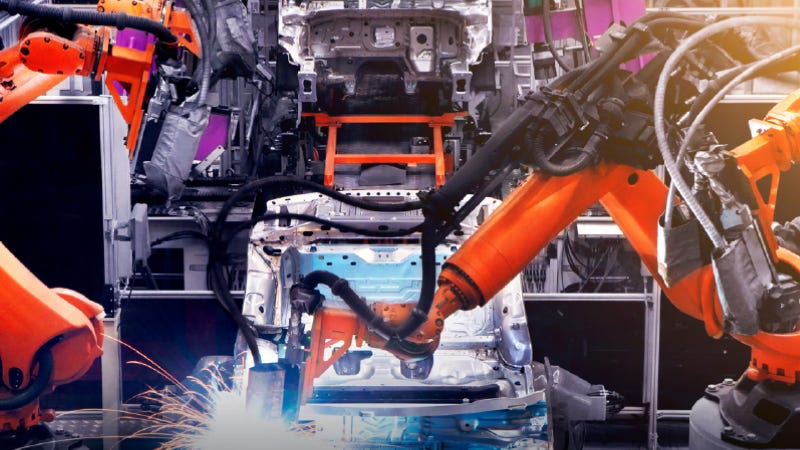
For decades, corporate trade departments have operated in relative obscurity, being viewed largely as cost centers that manage compliance and transactional paperwork. Over the past 12 months, however, there’s been a dramatic change. Corporate trade departments are emerging as a strategic business function within their organizations, due mostly to the unprecedented wave of tariff volatility that is forcing businesses to fundamentally rethink how they view trade management, according to the Thomson Reuters Institute’s 2026 Global Trade Report.
Entertainment
hiphop and rnb mix at Japanese lantern shop l Miles Medina l The Shoten 011 l city pop r&b chill - YouTube
Chōchin, or traditional Japanese lanterns, have kept Japan’s nights alive for centuries. Built from washi stretched over split bamboo ribs, they compress, expand, travel, and endure. Their structure is simple, yet innovative: a spiral of bamboo shaved thin enough to flex, a paper skin that breathes with humidity, and a frame that folds instantly to be brought anywhere. Even each brushstroke on a chōchin mattered. Characters were drawn in bold Edo lettering to be read from afar while crests and symbols announced lineages. Before neon, before LED, these glowing symbols of the night lit everything from temple paths, merchant stalls, traveling performers, and night watchmen on patrol.
At the center of that tradition stands Namidabashi Ōshimaya, a lantern workshop founded in 1913 in Minami-Senju, Tokyo. For over a century, they’ve shaped and painted chōchin by hand, preserving Edo-style lettering, family-crest motifs, and playful traditional illustrations while still adapting the craft to the ever-changing city. Today, the third and fourth generation carry that legacy forward in their studio, lined with drawers of brushes worn smooth by time, painting names, crests, dedications, and scenes onto three dimensions of washi. They evolve to keep the craft alive, creating modern reinterpretations, collaborating with designers, and even offering workshops where visitors can paint their own lanterns and feel the history behind every movement. Through their efforts, Ōshimaya’s chōchin remind us what human light feels like in a world overrun by cold digital brightness: warm, imperfect, intentional.🔊🎧🏮
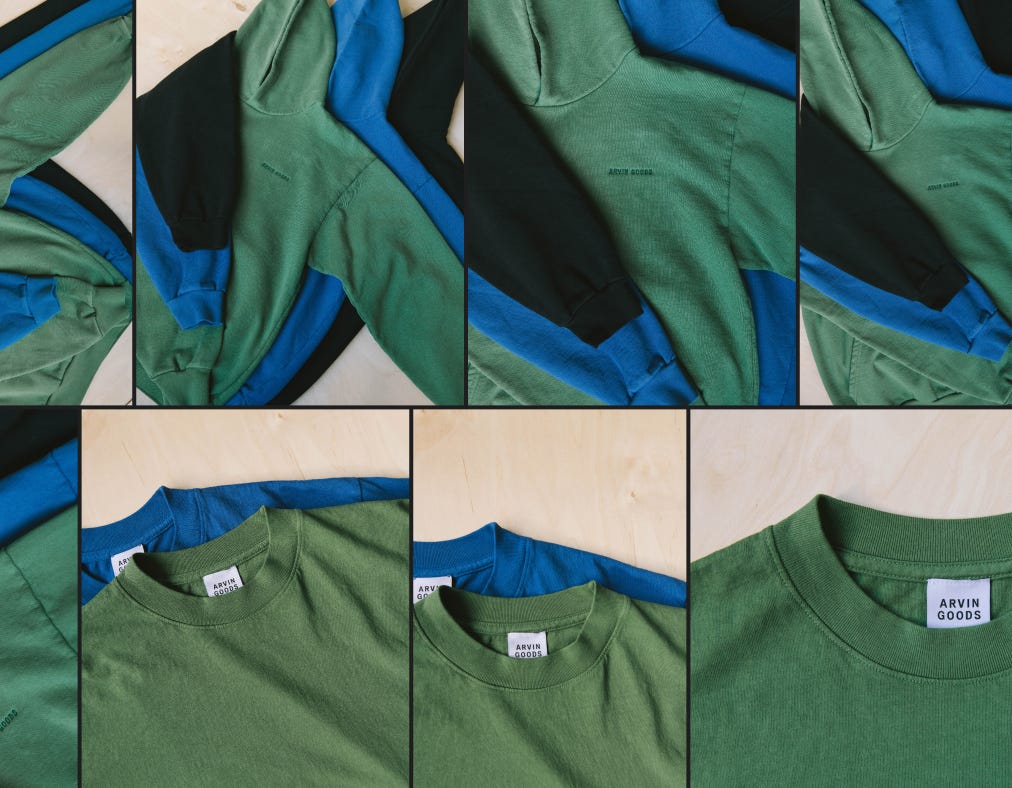
'The Clean Up' is a weekly newsletter that mixes in some Arvin Goods news, products, as well as stories we saw during the week that are worth a share. From books to podcasts, sustainability to business news, we try to keep it interesting, and fun. If you are not a subscriber, sign up and join everyone who receives The Clean Up directly in their inbox every Sunday.
Thanks for supporting Arvin Goods. Subscribe for free to receive new posts
Comments
Nothing yet. Say the first thing.
Sign in to join the conversation.