

By Daniela Ginta & Cheryl S. Grant
August 28, 2026
You may consider taking magnesium glycinate supplements if you have low magnesium absorption or higher requirements due to diabetes, inflammatory bowel disease (IBD), alcohol use, or certain medications. Pure Encapsulations Magnesium may be a good option for people wanting to try supplements.
Magnesium glycinate combines magnesium with the amino acid glycine, making it highly bioavailable compared with forms like magnesium oxide.
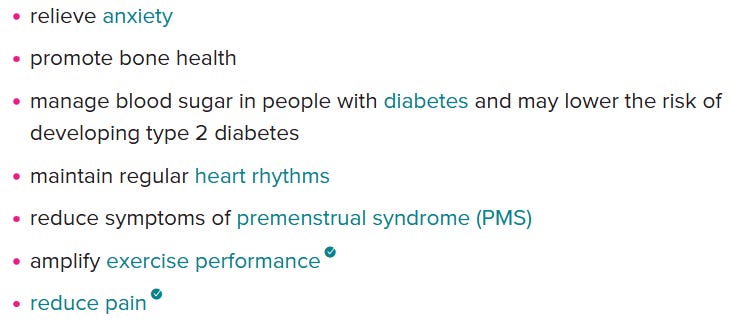
Magnesium glycinate may support anxiety relief, bone health, blood sugar management, regular heart rhythms, premenstrual syndrome (PMS) symptoms, and exercise performance. However, it’s important to ask a healthcare professional about dosing and interactions.
Many people in the United States consume less magnesium than they should.
However, symptoms of low dietary intake are rarely seen because your kidneys limit how much magnesium you excrete.
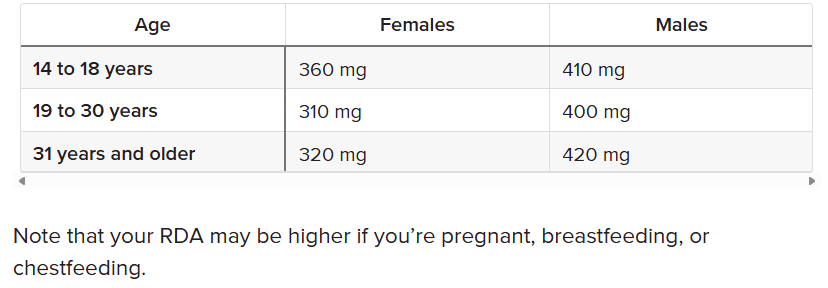
The Recommended Dietary Allowance (RDA) for magnesium depends on your age and sex, but a healthy range is about 300 to 420 mg/day for most adults.
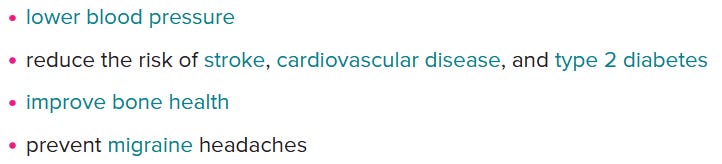
Through diet and supplements, magnesium may help:
One supplement people with magnesium deficiencies use to help boost their levels is magnesium glycinate. It’s usually well tolerated and easily absorbed by your body.
Many types of magnesium supplements are available on the market.
Magnesium oxide is the most affordable, but your digestive system doesn’t absorb it well. It’s most commonly used to relieve heartburn or constipation.
Magnesium glycinate is formed by combining elemental magnesium with the amino acid glycine. This form of magnesium is highly bioavailable, meaning the magnesium is easily absorbed through your small intestine.
Magnesium glycinate has been shown to have a variety of benefits, including helping to:
According to a 2021 research review, magnesium supplements may help treat fibromyalgia.
And an older 2016 analysis of studies notes that they might help reduce the risk of stroke, heart failure, and diabetes.
Research suggests that about 60% of people in the United States have a magnesium deficiency.
The typical RDAs for magnesium are as follows:
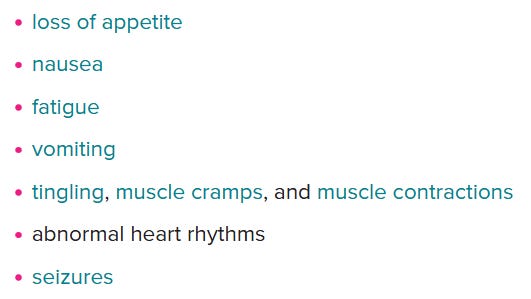
Symptoms of magnesium deficiency may include:
Common reasons for magnesium inadequacy can include:
alcohol use
excessive urination from diabetes that’s not well managed
malabsorption from celiac disease, and inflammatory bowel disease
some medications
In some cases, a healthcare professional may recommend supplementation for those with low magnesium absorption.
Magnesium glycinate supplements are widely available in pill or powder form.
Like other supplements, it’s best to take them with food to help reduce stomach upset.
If you’re taking medications, speak with a healthcare professional or pharmacist. They can advise you on possible interactions between your medication and your magnesium supplement.
Excessive magnesium levels aren’t typical in healthy people because your kidneys usually eliminate the excess.
If you want to monitor your magnesium intake while taking supplements, you can keep track of the magnesium content of various foods you eat.
Some key symptoms of excess magnesium include:
hypotension, or low blood pressure
nausea
vomiting
irregular heartbeat
cardiac arrest in severe cases
Magnesium is found in various foods.
The best sources of magnesium are unprocessed foods such as:

When possible, opt for foods grown in healthy organic soils. These soils contain the highest concentration of nutrients and minerals.
Produce is often grown in soil that doesn’t contain important nutrients. As a result, some fresh produce may lack minerals, including magnesium.
Although magnesium supplements are generally safe for healthy adults, you could consult a doctor before supplementation.
They can help determine the appropriate daily dose for your needs.
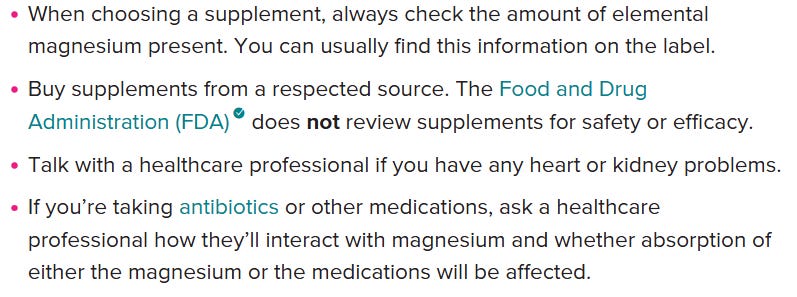
Here are some precautions to follow when considering taking supplements:

Your support is crucial in exposing fake news and in helping us defeat mass censorship.
No posts
Comments
Nothing yet. Say the first thing.
Sign in to join the conversation.