
I met Dian when I lived in Oklahoma City and was working at a museum there. I think Dian had stopped by and we got to chatting about Harold and told me her reasoning for wanting to write about him and show the world. I was hooked immediately because who doesn’t like a story that involves royalty, Warhol, Dali, and a kid from the Oklahoma sticks. 7 years later and everywhere I look it seems like there is something on Harold. I know that Dian has spen countless hours/days to help carry his legacy and she’s done an amazing job. More from her below…..
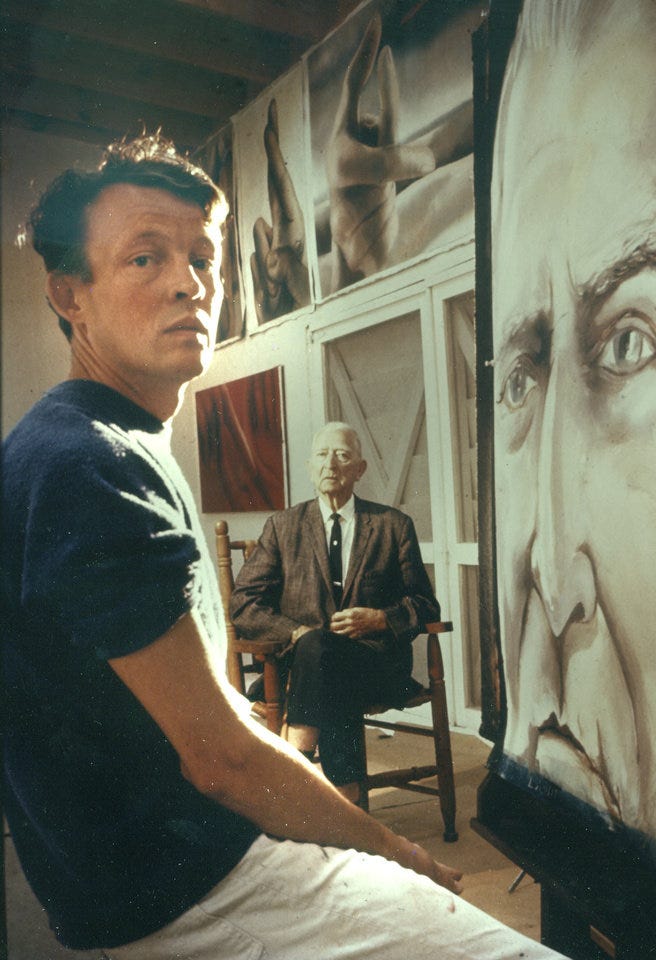
Can you just talk a bit about how you became synonymous with Harold Stevenson? And wanting to make sure his story was told….
DJ: Harold was someone I knew of for most of my life. My cousin is married to a relative of his. Also, another relative of Harold’s was the public librarian where I was a kid – that kid that spent lots of time in the library. Mrs. Stevenson was there for years so I knew her well. Harold was someone in the back of my mind as “that artist that paints a thumb.”
Having grown up in rural southeast Oklahoma – the same environment Harold grew up in – art museums and galleries were not a part of our life. I’d never been to a “real museum” until I was grown. As a child, the school took us to the Indian Museum. It was a Choctaw man’s home. We all paid him a quarter, and he let us look at his artifacts and arrowheads. That was my only exposure to the arts.
The real connection with Harold began when I was working on my Ph.D. in sociology and qualitative statistics. I had an oral history assignment to “go interview someone interesting in your community.” For some reason, I decided to see if Mr. Stevenson would consider it. His number was in the phone book. I cold called him and he enthusiastically replied, “My darling – I’d be delighted to visit with you!” It was supposed to be a one-hour interview. When I arrived at his home, a small log cabin in the woods, south of Idabel, OK, he was sitting on the front porch waiting for me.
After a bit more than hour, I realized this was a lost super star. He was personal friends with British royalty, an Egyptian prince, movie stars, wealthy investors, UN ambassadors, US Senators, military officers, philanthropists – everyone. It was fascinating to hear little snippets of his life. He once brought Lord Tony Snowden to his home in Idabel for the Fourth of July rodeo because Snowden wanted to photograph an honest to goodness piece of Americana - cowboys.
Harold told me how he met Andy Warhola [sic] in the fall of 1949 – the year they both arrived in New York. They remained friends until Andy’s death. Harold starred in Andy’s film, KISS, paired with Marisol. He was in Screen Tests with Andy and Gerard Malanga. One of the funniest stories Harold told was when Callie Angell published Andy Warhol Screen Tests, she included the first film of Andy’s. Harold read the book, said that’s not correct, and wrote her a letter. He said the first film was Harold. Callie wrote back. In very professional and with kind words essentially said, “Okay, Harold, prove it. What was Andy’s first film?” Harold replied and included the exhibition announcement dated January 5, 1964. For the second edition, Callie acknowledged Harold was right.
It was so many stories like this that compelled me to find the absolute truths about Harold’s art. At first, I considered being from southeast Oklahoma with zero art or art history background that I was not equipped to give Harold the attention he deserved. In the end, after years of meticulous research, and many stumbles, I’m convinced that not having a bias of any kind has served me well.
I know you had some special moments with Harold before his passing but were you as into the work before meeting him and becoming friendly? How did you first come upon his work.
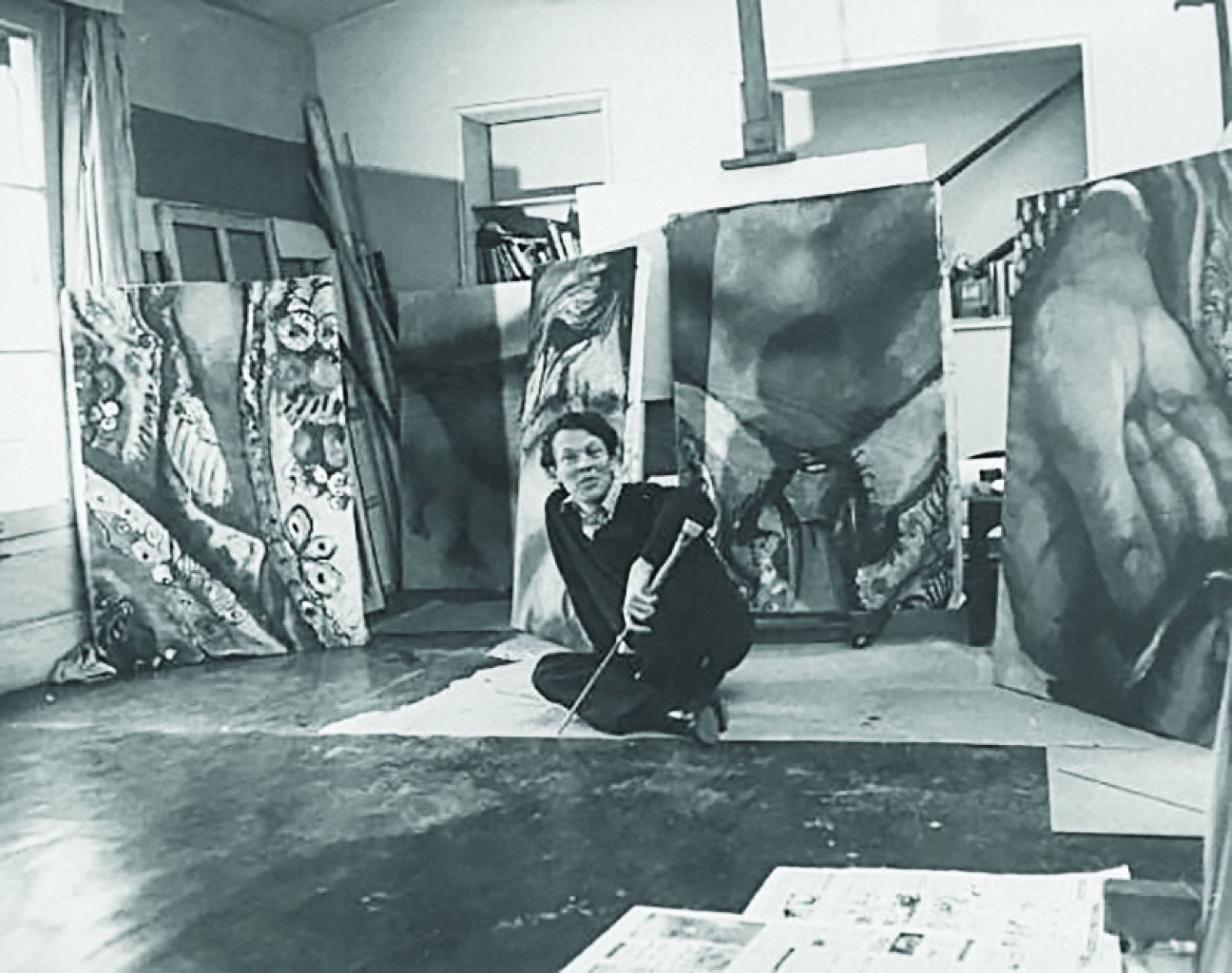
DJ: Not at all. Before meeting him, I had only seen his work a few times at local venues where we live. Even toward the end of my time knowing him personally before he passed in 2018, I was not such a big fan of Harold’s strange art and body parts. The more I learned about Harold and read his diaries and letters, it all began to make sense in poignant ways that can move me to tears. I have documented about a thousand pieces that span his career of eighty years. The paintings he did at age eight and ten to the paintings he did in 2012 all encompass Harold’s story and what was happening in his world at the time.
What’s next for you and for Harold?
DJ: I’m working on phasing out things that have been interfering with my ability to focus on Harold’s legacy. I retired from teaching at the University in December of 2023. I completed a two-year term as Mayor of Hochatown this past April, although I still serve on the board of trustees. In December of 2024, I became the Executive Director of the Harold Stevenson Estate. Now, we can strategically think about how to best curate Harold’s legacy.
Many days it feels like drowning, time is running out. There are a few more people I desperately want to interview. Two are in their late 80s and both live outside the United States. They are core characters in Harold’s story. I have created a 501(c)3 – the Harold Stevenson Foundation in hopes of garnering support to continue the work. A few more interviews, the archives need to be organized and digitized, the people in the photographs need to be identified. Sharing Harold’s biography has been an epic journey. 2025 has been the start of giving Harold the attention he merits.
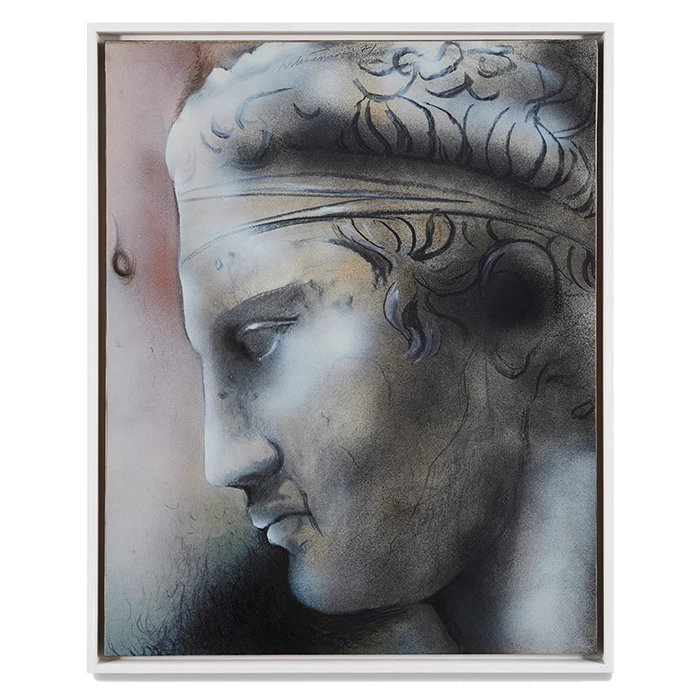
I recall us meeting in 2018 and you were absolutely clear in your vision for Harold in the years to come and well, I’d say you were 100% right. Why now though? He had the resume and his work being held by serious collectors etc.
DJ: You’re absolutely right, Garrett. I knew the first day I met Harold, in 2012, that his story needed to be told. My advisor gave me some of the best advice, although I didn’t like it at the time. She counseled me not to write my dissertation on Harold. “It’s too big of a story. It will be a lifelong project. If you start on Harold, you’ll never finish your Ph.D.” She was right about a couple of things. One – the story is really big. The other thing was, over the years, I have been able to carve out time to visit with the people who actually knew Harold. I interviewed his elementary school classmates and hometown neighbors. I interviewed the woman who rented the Paris flat below his when he hung the El Cordobes on the Eiffel Tower in October 1964. The more people I contacted, the snowball effect occurred. Each one had someone else I should visit with. Many of these people were in their 80s and even 90s. They were of an era of letter writing. Several gave me faded ribbon tied packets of letters and photos. What I learned from the research and interviews was the primary reason Harold was not as well known as he should have been was because he openly challenged the establishment, creating barriers between him and the public. Without the traditional path of support, Harold cultivated private collectors all over the world, especially in Europe in Asia, rather than museums and institutions.
Today, artists have direct access via social media. They can tell their stories and share their art in ways Harold was not able. Additionally, the establishments no longer control the messaging. Anyone can become an art influencer if they have the passion for it. This younger generation think about art and collecting differently. This past year has proven that Harold is relevant. People will know who Harold is without having to find their way to rural, southeast Oklahoma.
Who should we have on next? - For an Oklahoma artist, I’d reach out to Nicole Poole. She has a similar story of single-handedly saving her father, O Gail Poole’s legacy as an artist. https://www.instagram.com/ogailpoole/.
Another interesting choice is Choctaw artist, Dg Smalling. He has collaborated on multitude of projects. https://www.instagram.com/dgsmalling/. If you’ve seen any photos or interviews with Oklahoma City Mayor, David Holt, that’s a Dg buffalo on the wall behind his desk.
Where can we go to keep up to date on your future endeavors and Harold’s legacy/future shows etc. ?
DJ: I’ve mostly learned how to peck through Instagram. People can always see what’s going on there. Also, although I’m no web guru, I keep a website for Harold www.HaroldStevenson.com.
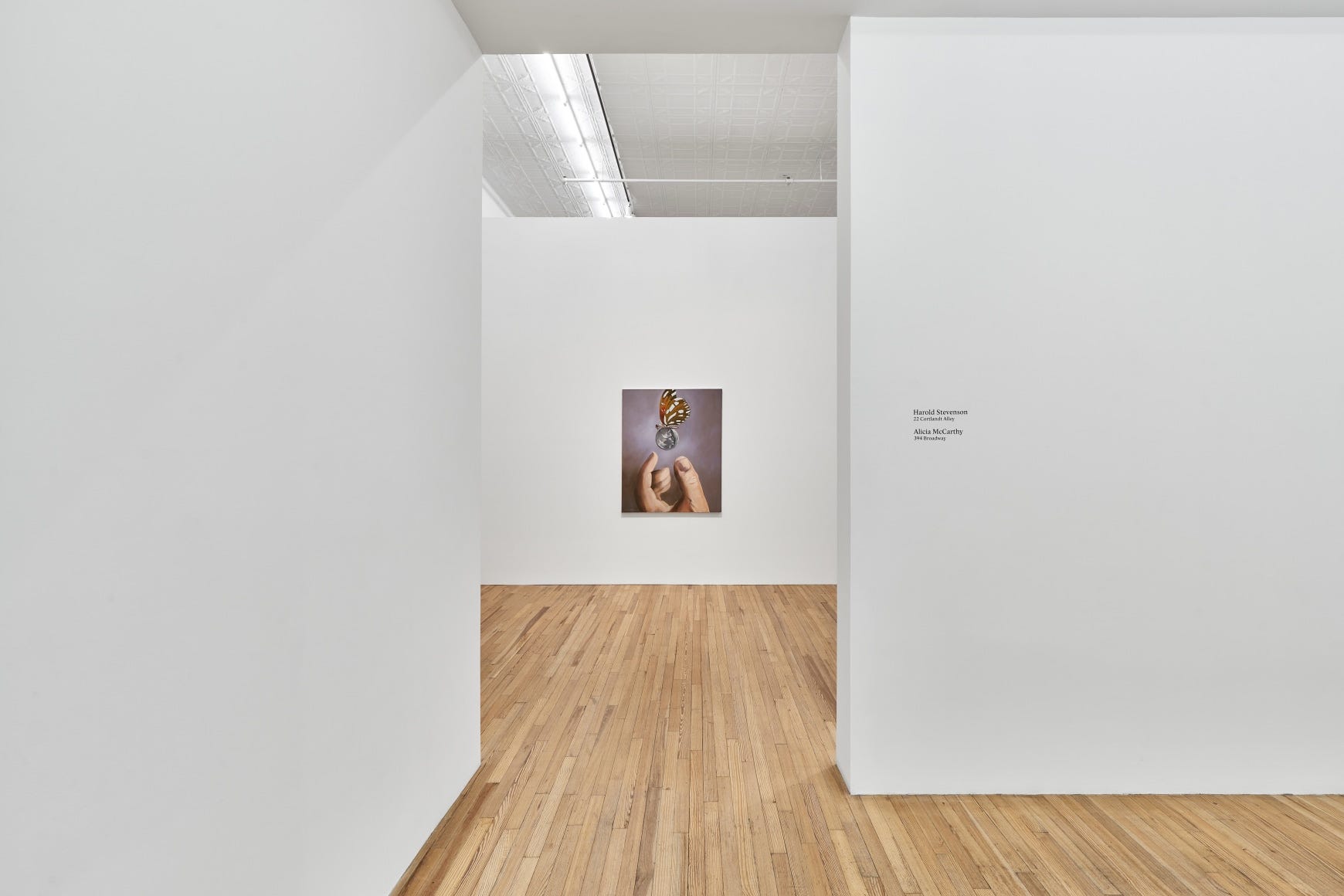
Harold is currently on exhibit at Art Omi, in Ghent New York through October 26, 2025. https://artomi.org/exhibition/harold-stevenson-less-real-than-my-routine-fantasy/.
Harold attended Art Students League New York (ASL) in 1949. Winning a national scholarship propelled him out of Oklahoma and funded his way to New York. ASL is celebrating their 150th year and are releasing an anthology, 150 Stories: Lives of the Artists at the League. The book, which includes Harold will be released on September 19th. https://www.artstudentsleague.org/events/legacy-in-every-page-150-stories-book-launch
Harold goes on exhibit at The Whitney Sept 24, 2025–Jan 19, 2026 https://whitney.org/exhibitions/sixties-surreal. They will be including Harold’s The New Adam. I could write an entire book on the sixty year saga of this one painting, a forty foot long and eight foot tall full frontal nude of Sal Mineo.
No posts
Comments
Nothing yet. Say the first thing.
Sign in to join the conversation.