
Want to sponsor this thing? Send us an email at hello@artplacegroup.com
Hi all,
It’s March. How did that happen and where did February go?
Last week, we had the opportunity to speak with the glorious Sonya Yu about her historic donation to New York’s MoMA PS1, which has enabled the museum to waive its entry fee and make it free for anyone to visit.
As we look ahead at what March has to offer, in London there’s only one thing on everybody’s minds: The London Sales.
Next week, Sotheby’s and Christie’s will host their first marquee auctions of the year. Following on from sales in New York last November, which seemed to indicate the start of a market uptick after a couple of cautious years, these upcoming sales will be the first real temperature check of 2026.
While browsing the lots online, one piece at Christie’s in particular got the cogs in our brains turning and thinking differently about blockbuster masterpieces.
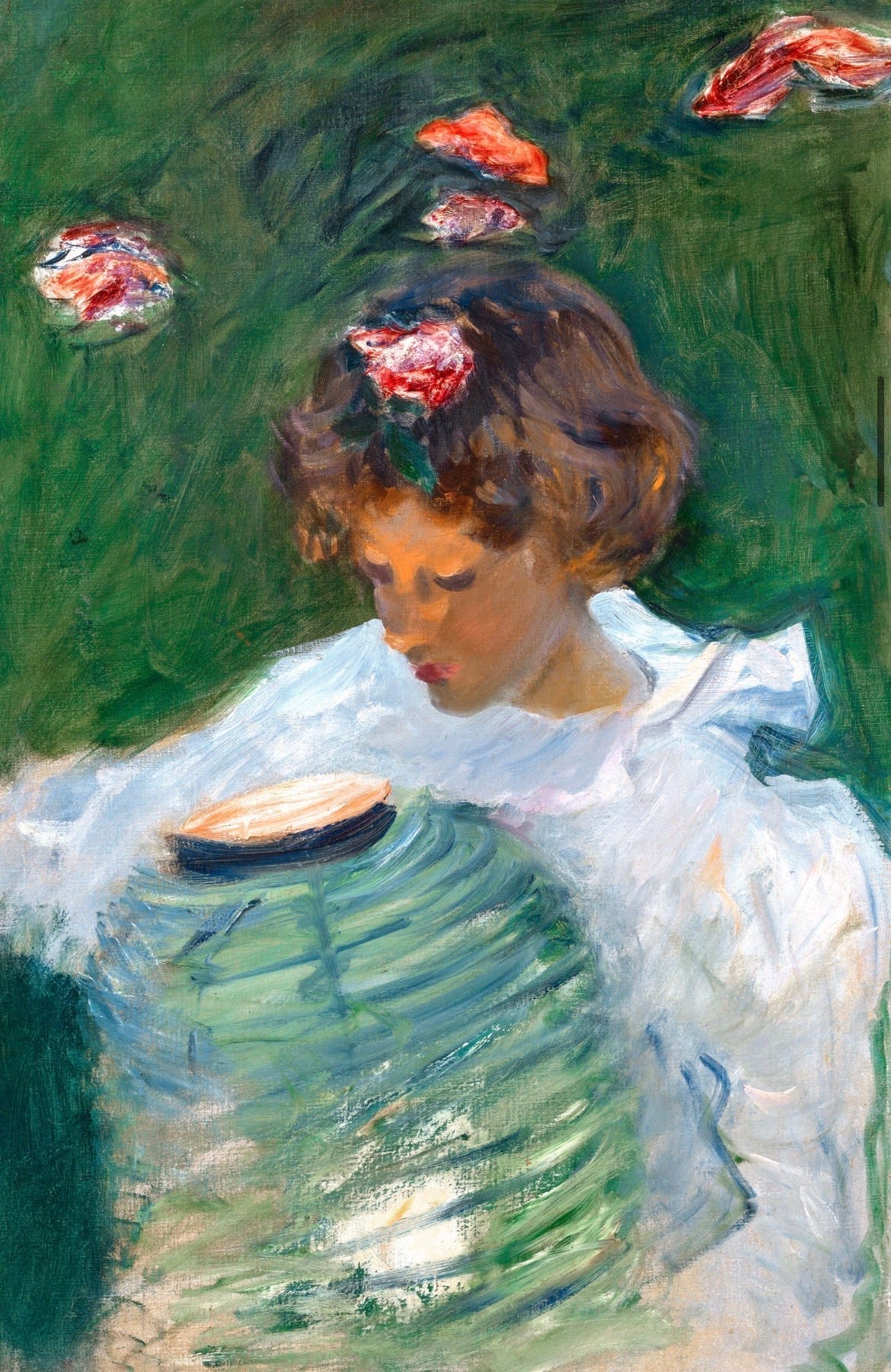
This is a study for one of John Singer Sargent’s most famous paintings: Carnation, Lily, Lily, Rose (1885) and it will be offered at Christie’s Evening Sale next Thursday with an estimate of £3—5 million.
It is so striking as a standalone piece that it got us thinking about the very nature of preparatory works.
How important are they to an artist’s process?
Are they perhaps more interesting than the final painting?
Can we find other studies of famous masterpieces?

We look at preparatory works tied to beloved paintings by artists including Leonardo da Vinci, Michelangelo, Peter Paul Rubens, J.M.W. Turner, Paul Cézanne, Berthe Morisot and David Hockney.
Comments
Nothing yet. Say the first thing.
Sign in to join the conversation.