
One of the most human experiences is enduring the loss of a loved one. It unites us all in the cycle of life, and the impermanence of ourselves.
I have many friends who are now coming into this chapter of life, or can feel it coming and quietly dreading it.
This is for all of you:
It’s lonely when it happens. Really lonely. We can never “be ready,” no matter how much we see it coming. And we are not alone — in fact, we are more connected than ever.
If you haven’t already, please read Thank You, Mom — the essay I wrote five years ago, the spring after my mother passed. The rest will make more sense with full context :)
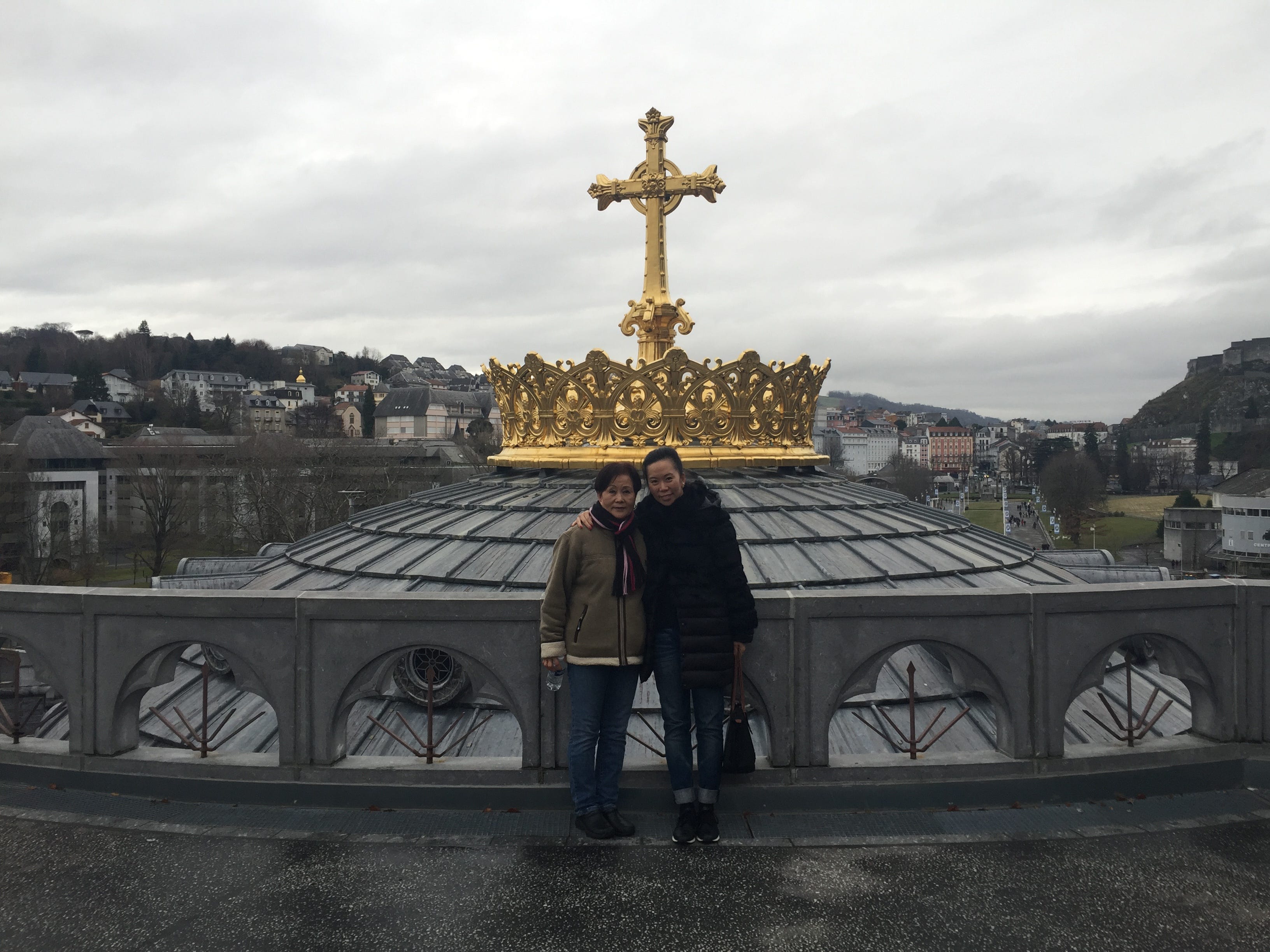
Five years later, what I notice now is how much of what my mother taught me only became legible after she was gone. The things she modeled — the garlic, the kimchi, the suit worn to the chemo appointment, the refusal to waste a single minute — I understood them intellectually when I wrote that essay. I’ve lived them since.
I lost my dad at 29, my mom at 40. Each time it really couldn’t have been a more critical time in my development as a person. At 29, I was graduating business school and supposed to be stepping into my adulthood. At 40 I was learning how to be a mother. The lost of my anchors at each stage really felt like the rug was just pulled from me, right at the time that I needed them the most.
When the generation ahead of us is gone, there is no one left to absorb our uncertainty. We become, whether we’re ready or not, the person people look to when they need to believe things will be okay.
I was not ready. I want to say that plainly, because I think we don’t say it enough:
You can be called to a role and still feel completely unprepared for it.
The transition to becoming the matriarch was a jolt. A sudden, unwanted promotion to leader of something I never campaigned for.
As kids, we push back. We don’t want to listen to our parents, take their advice, follow their rules. And yet — when a parent leaves this world, none of that matters anymore. Whether we fought or agreed, whether we were close or complicated, we feel the same thing. The person who brought us into this world, our living connection to everything that came before us, is gone. There is less past now. There is just us, today, in the present. And if we have children, a thread runs forward — from what came before, through us, into what comes next.
That reorientation changes something fundamental. I can only speak for myself but I certainly began to feel myself as part of something much larger for the first time. Think of the night sky — every star is needed to make it what it is. Which star matters more? None. And yet all of them together create something breathtaking. That’s what I’ve come to understand about grief, and about hope: we are all connected — the good, the bad, the ugly — and it is precisely our differences, our losses, our rough edges, that make the whole thing beautiful. A perfectly consistent landscape doesn’t move us to tears. Rawness does, because it is pure.
In the months after my mother died, I had a newborn, a pandemic, a firm, a family — and not a single person on earth who loved me the way only a parent loves you. Unconditionally. Irrationally.
What I didn’t expect was how loud that silence would be. Not the grief — I had braced for grief. But the absence of someone who was simply, always, on your side. Who held your history. Who remembered you before you knew how to perform. When that person is gone, you realize how much of your confidence is borrowed from being known that deeply. And then you have to find out, for the first time, whether you can generate it yourself.
What I found on the other side surprised me. That confidence — the kind I’d been looking for in external validation, in permission from someone who loved me — was inside me all along. Placed there quietly, over decades, by two people who lived with integrity and purpose and courage. I just didn’t access, it until I had to.
The ability to do hard things teaches us that we can do hard things. The only way to know is to do them, and prove it to yourself. And there is something else, something I didn't expect: you can't have a connection to another world if you aren't forced to reach for one. When a loved one leaves this life and you can still hear their voice, still feel their presence, you realize they aren't gone at all. They are everywhere. That expands our reality beyond what we can see and touch, into what we can feel and imagine. That has given me an immense amount of strength and hope.
Last year was the year of the snake — shedding what no longer fits, what we’ve outgrown, what needs reinvention. This year is the year of the horse — energy, motion, conviction, purpose. I wish I could run home to my mom and tell her my big wins or heartbreaking losses. But if she were still here, my days would be spent by her bedside through chemo, surgeries, through the slow erosion of her body. No one can move fully into the future when we are held by the past. Letting go is hard. But we cannot open our hands to what’s new without releasing what’s already there.
I never said “goodbye” to my mom. That last day, we both knew. And I just held her hand, leaned close to her ear, and said what matters:
I love you. Thank you. We’ll be okay.
I also said: See you soon.
This morning I told my daughter to listen carefully today. That she might hear Halmama talking to her. She asked, how? I said, I don’t know — you’ll have to just listen.
I hope she hears it in the rustle of the wind, the song of the birds, the beating of her own heart. I hope she knows those are all the people who have loved us and left this world, saying hello from somewhere better.
If you’re in this chapter of life — losing your parents, becoming the eldest generation, stepping into a version of yourself you didn’t ask for — I want you to know:
Groundlessness doesn’t mean you’re falling. It means you’re finally standing on your own.
It’s terrifying. It’s also, eventually, the most clarifying thing that will ever happen.
Comments
Nothing yet. Say the first thing.
Sign in to join the conversation.