
For a long time, the path felt clear.
Get a gallery.
Build a relationship.
Wait your turn.
That was the system. And for a certain type of artist, in a certain kind of art world, it worked.
But that version of the art world is no longer the only one that exists.
Because right now, there are artists building real income, real audiences, and real leverage without being signed to anyone. Not because they’ve rejected the system entirely, but because they’ve realised something that’s becoming harder to ignore:
The system was never designed to move at the pace of the artist.
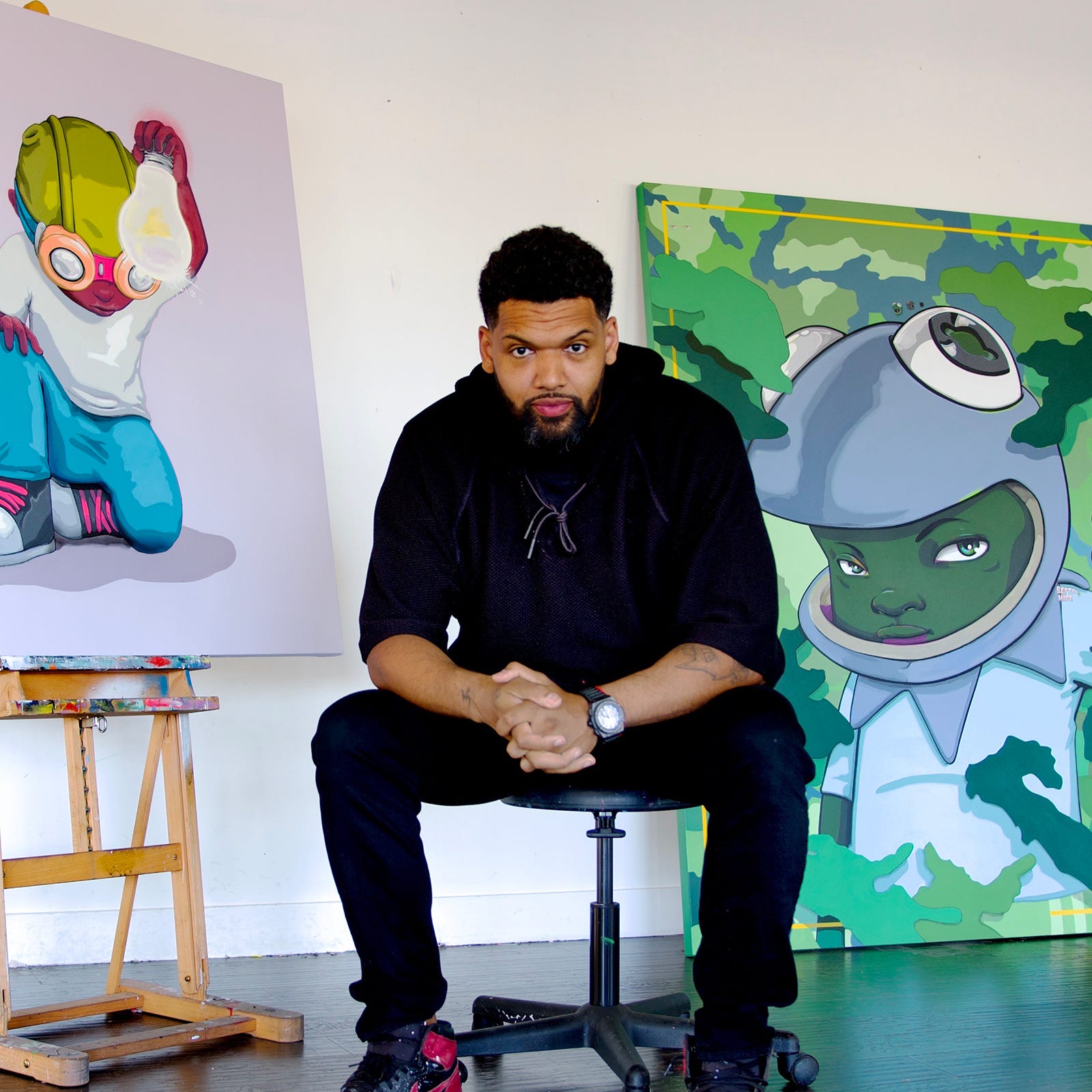
What’s changed isn’t the relevance of galleries.
It’s the dependency on them.
The idea that validation has to come before income is starting to feel outdated. Especially when collectors are discovering artists the same way everyone else is, through culture, through platforms, through moments that travel faster than any private view ever could.
An artwork doesn’t need to sit in a white cube to exist anymore. It can move through a feed, a drop, a conversation that begins online and ends in a sale.
And that sale doesn’t feel secondary.
If anything, it feels more direct.
There’s a different kind of artist emerging now.
Not just someone focused on making work, but someone aware of where that work sits, and how it moves.
They understand attention.
They understand timing.
They understand that scarcity isn’t just about how many pieces exist, but how and when they’re released.
You see it in the way some artists approach drops. Not announcements. Not exhibitions.
Drops.
Quiet build-ups that turn into immediate sell-outs. A model borrowed more from streetwear than from the traditional art calendar.
It’s not about replacing the system.
It’s about realising there are other ways to operate within it, or around it.
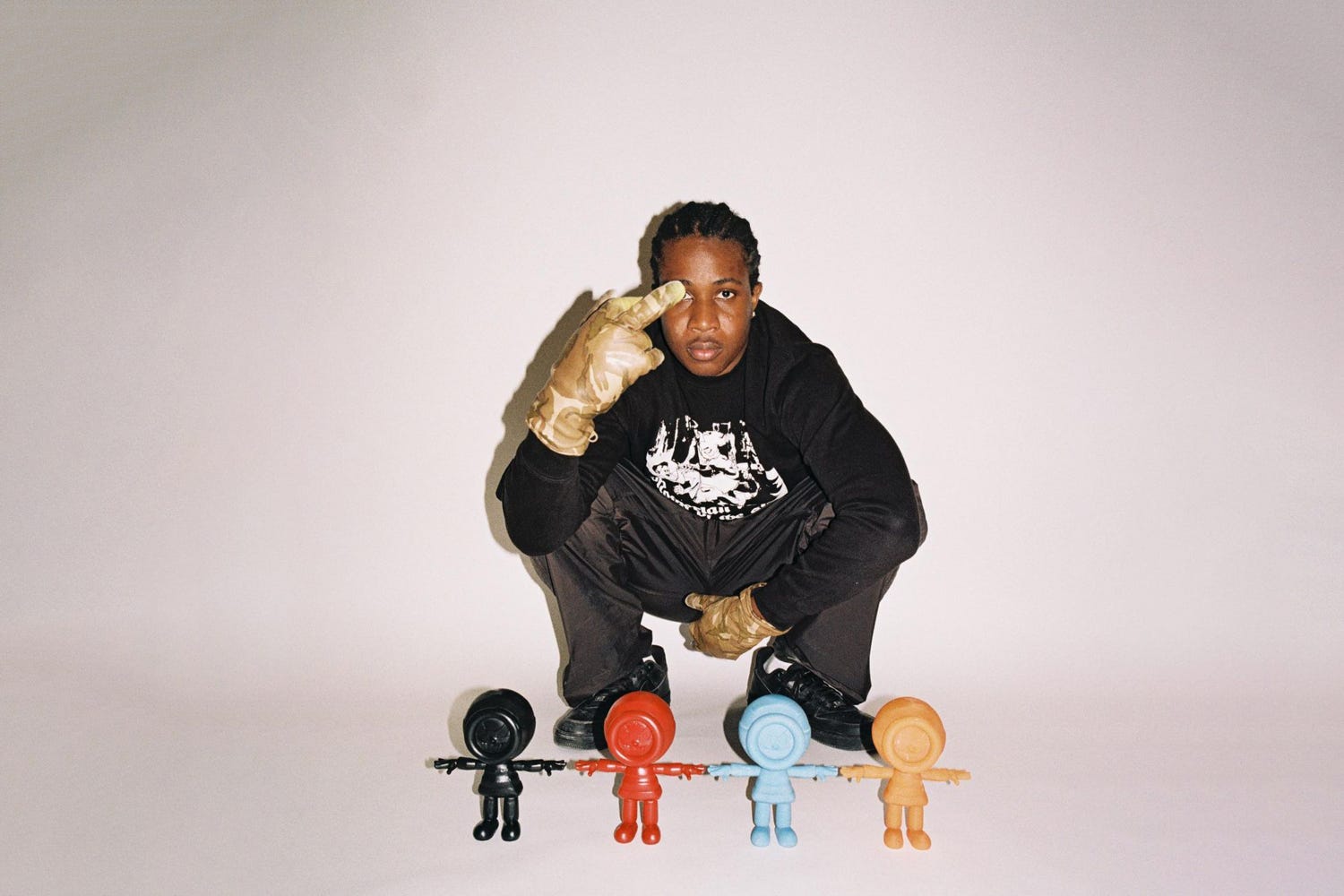
And this is where the shift becomes more structural.
What’s emerging isn’t just independence.
It’s infrastructure.
Artists are building systems around their work that don’t rely on a single gatekeeper. Direct relationships with collectors. Controlled release strategies. Owned platforms. Multiple entry points into their practice.
Things that used to sit behind galleries are now being built in front of them.
In real time.
Being signed used to feel like progression.
Now, for some artists, it’s starting to feel like a ceiling, a structure that can limit how fast and how far the work can move.
Not always. Not for everyone.
But enough to question whether it should still be seen as the default goal.
Because once you build your own infrastructure, the dynamic shifts.
You’re no longer waiting to be positioned.
You’re already in motion.
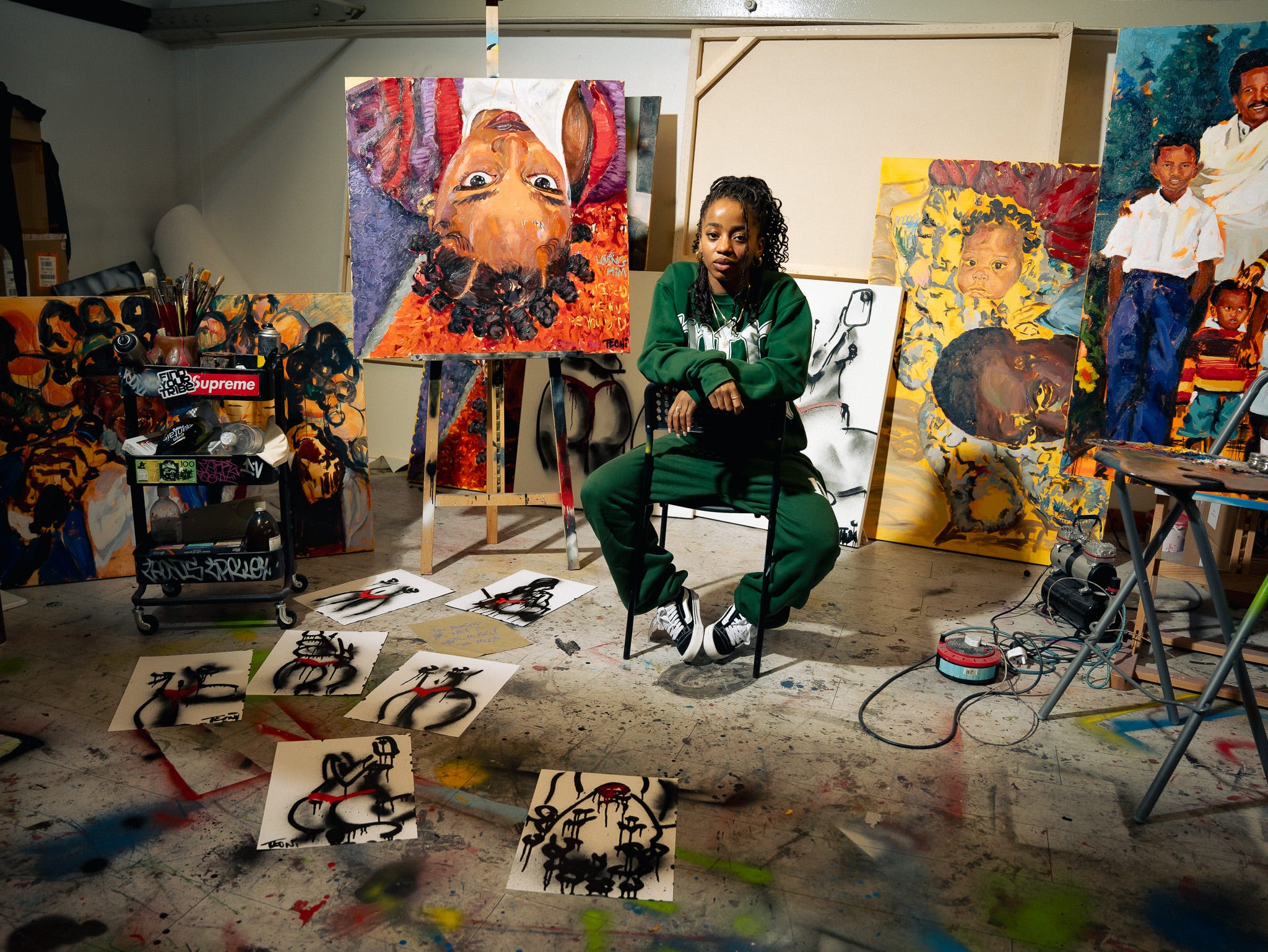
There isn’t a single model that artists are following.
What’s becoming more common is a combination of approaches, a set of systems that sit around the work and allow it to move in different ways.
If you step back, a pattern starts to appear.
Before anything converts into income, there is usually a period of visibility. This doesn’t necessarily mean scale, but it does mean consistency. Sharing work, process, and perspective in a way that allows people to understand what sits behind the final piece. Collectors, collaborators, and brands are all discovering artists in similar places now. Without that initial layer of visibility, most other opportunities tend not to form.
Once attention exists, there needs to be a clear way to act on it. For some artists, this is a structured website. For others, it’s a more informal approach through social platforms or direct conversations. The shift here is control. If someone is ready to engage with the work, the pathway shouldn’t depend entirely on a third party.
Original works remain central to an artist’s practice, both creatively and in terms of long-term value. At the same time, editions have become a way of extending that work outward. They allow for different entry points, without replacing the significance of the original. Many artists are now thinking about how both can exist together, rather than choosing between them.
A growing share of opportunities sits outside of traditional art spaces. Brands are increasingly working with artists not just for visuals, but for perspective and cultural alignment. This can take different forms, campaigns, collaborations, and installations, but the underlying shift is that artists are operating within a wider commercial landscape, often on their own terms.
Commissions continue to be an important, if less visible, part of many artists’ income. These don’t only come from private collectors. Interior designers, property developers, and hospitality spaces are all active in this area. In many cases, these opportunities exist entirely outside of the gallery system.
Workshops, talks, and live sessions have become a natural extension of many practices. They offer a different kind of engagement, one that is less about ownership and more about participation. For some artists, this becomes a consistent and meaningful part of how they sustain their work.
As an audience builds, so does interest in the process behind the work. Some artists choose to respond to this through structured digital offerings, whether that’s tutorials, courses, or subscription-based content. This isn’t essential for everyone, but where it fits, it adds another layer to the overall system.
What becomes clear across all of this is that no single approach tends to carry everything.
Income moves.
One period might lean on sales. Another on a commission. Another on a brand project.
Over time, it’s the combination that creates stability, a structure that allows the work to continue without depending on a single outcome.
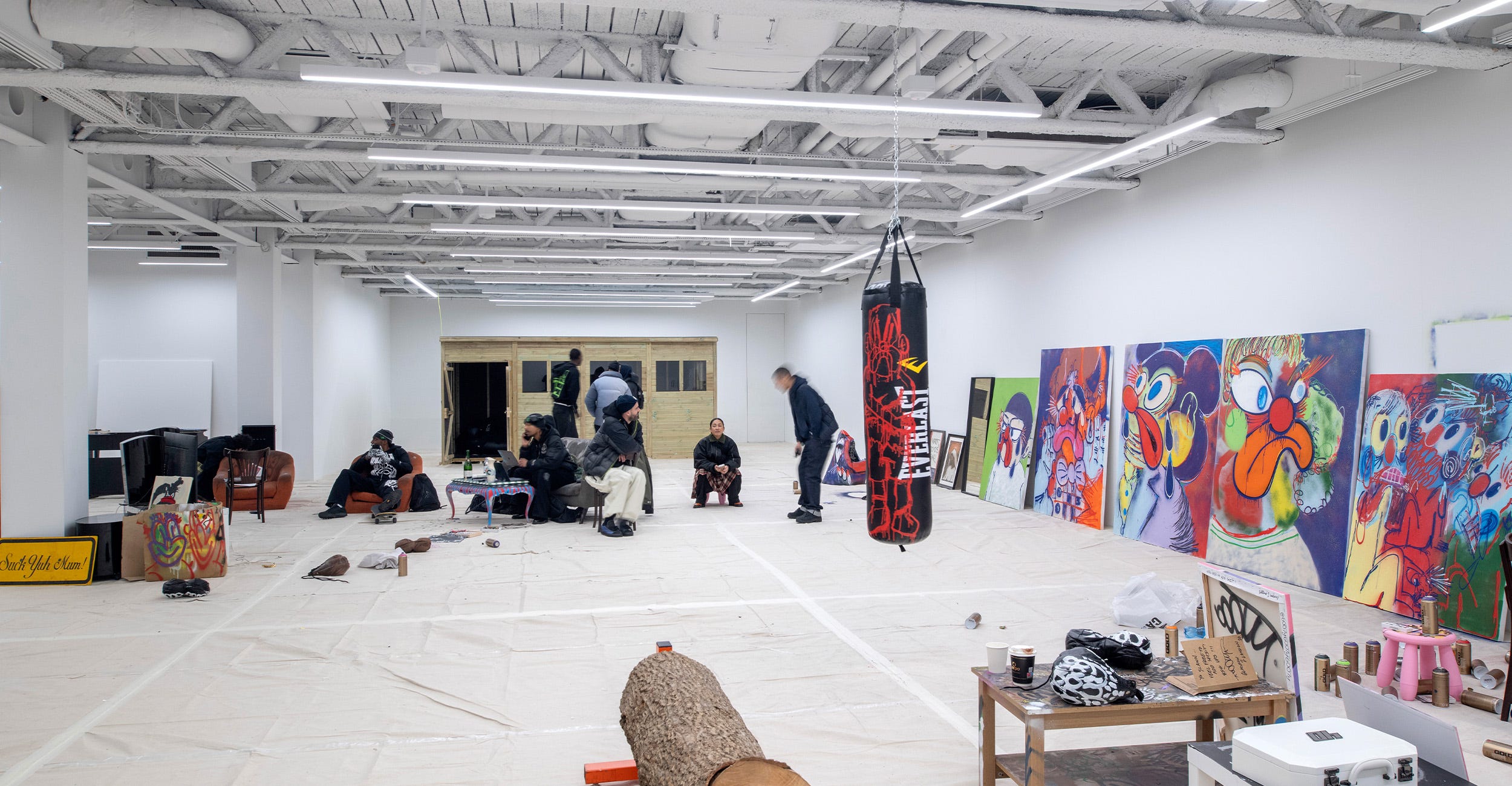
There’s also a growing gap between where art is traditionally sold and where money is actually flowing.
Because while galleries are negotiating placements, brands are allocating budgets.
And those budgets are increasingly looking for culture.
Artists sit at the centre of that, not as decoration, but as collaborators. Shaping campaigns, building visual worlds, influencing how ideas land across audiences that extend far beyond the art world.
For some artists, one project in that space can outweigh months of traditional sales.
Not because it replaces the work.
But because it expands the ecosystem around it.
At the same time, income is becoming less tied to a single outcome.
Original works still carry weight. They should.
But they’re no longer expected to carry everything on their own.
Editions create access.
Commissions happen quietly, often outside of public view.
Workshops, talks, and live sessions build proximity.
Content builds attention that converts later.
It’s less about one breakthrough moment, and more about consistent movement across multiple points.
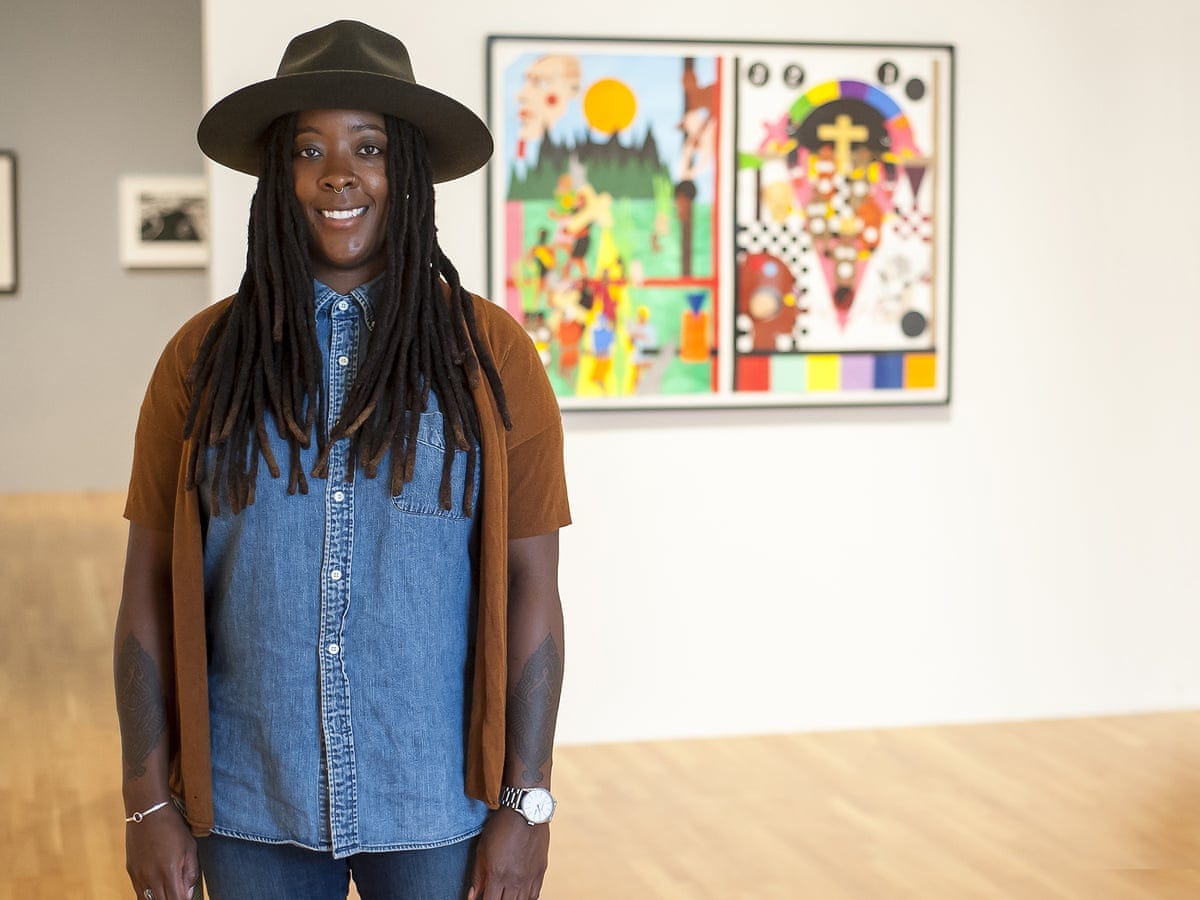
There’s also a shift in where value is created.
It’s not just in the object anymore.
It’s in proximity.
Being in the room.
Understanding the process.
Access to the artist, not just the outcome.
That’s why experiences are starting to sit closer to the centre. Not as additions, but as extensions of the work itself.
Spaces where the line between artist and audience becomes more fluid, and more valuable because of it.
None of this means the traditional system disappears.
It still matters. It still holds weight. It still works for some.
But it’s no longer the only structure worth building within.
And for a growing number of artists, it’s no longer the starting point.
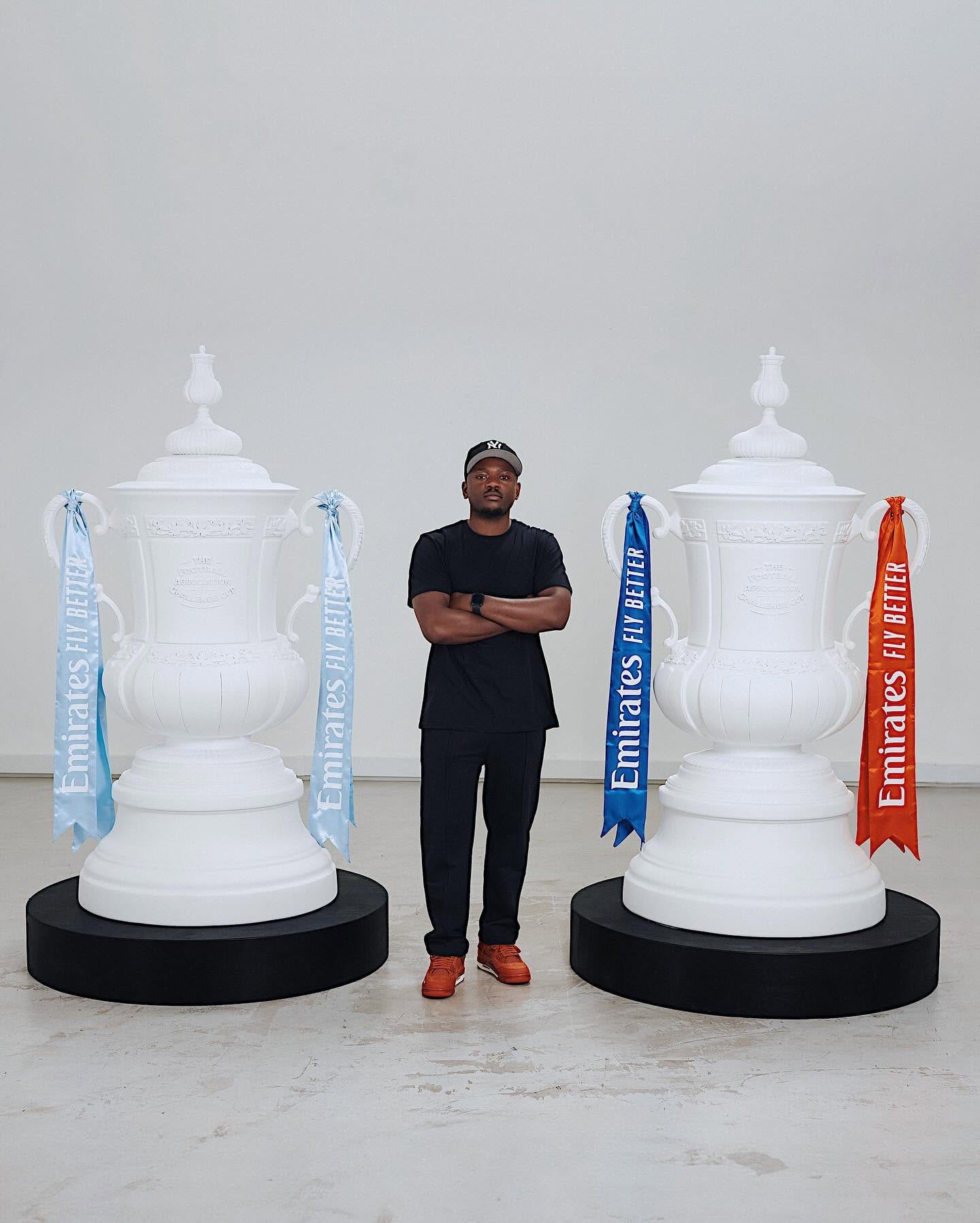
The question isn’t whether you get signed.
It’s what you build before that moment comes, and whether you still need it when it does.
Because the artists who are moving now aren’t waiting to be chosen.
They’re building systems that don’t require it.
And in doing so, they’re creating something that feels closer to what this was always meant to be:
Not just creative freedom.
But control.
No posts
Comments
Nothing yet. Say the first thing.
Sign in to join the conversation.