

This is our final installment of this year’s Art’s Open Door Advent Devotional, “Advent Songbook.” Check out the other posts on beautiful Advent music here on Substack and here on Artists for Joy podcast.
Today’s carol is an intentional shift in tone (!), and I hope it makes you smile and move with joy, even if/when you don’t feel like you can!
It was 2016. Christmas Eve. 11:30 PM.
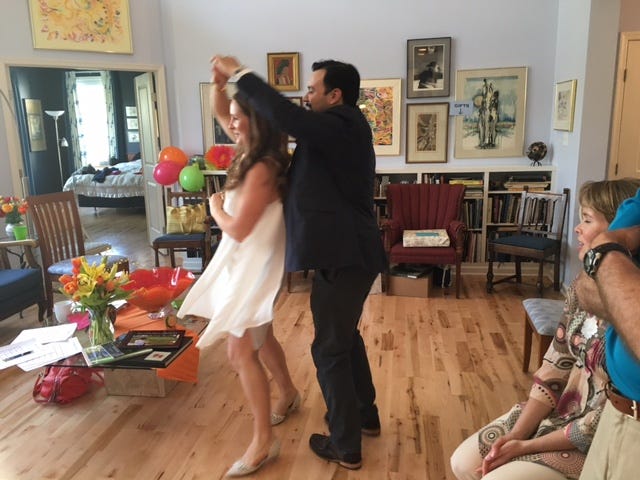
I screamed over the music to my mother-in-law, “How’s this?”
She watched me and my new husband, her son, dance. She laughed with wise kindness.
Then, much to my surprise, she grabbed my hips and attempted to get them to sway more demonstratively from side to side.
“Relax, gringa!” She yelled with joy over the contagious Latin rhythms and children singing.
I looked at Edwin. His eyebrows raised. He flashed his trademark smile.
I never considered myself a great dancer, to be sure. I wrongly believed that, as a musician, I at least had a little rhythm.
But, here I was: my first Nochebuena (Christmas Eve) with my new Latin American family, and as the Patron Saint of Dance Music, Shakira, reminds us… the hips don’t lie.
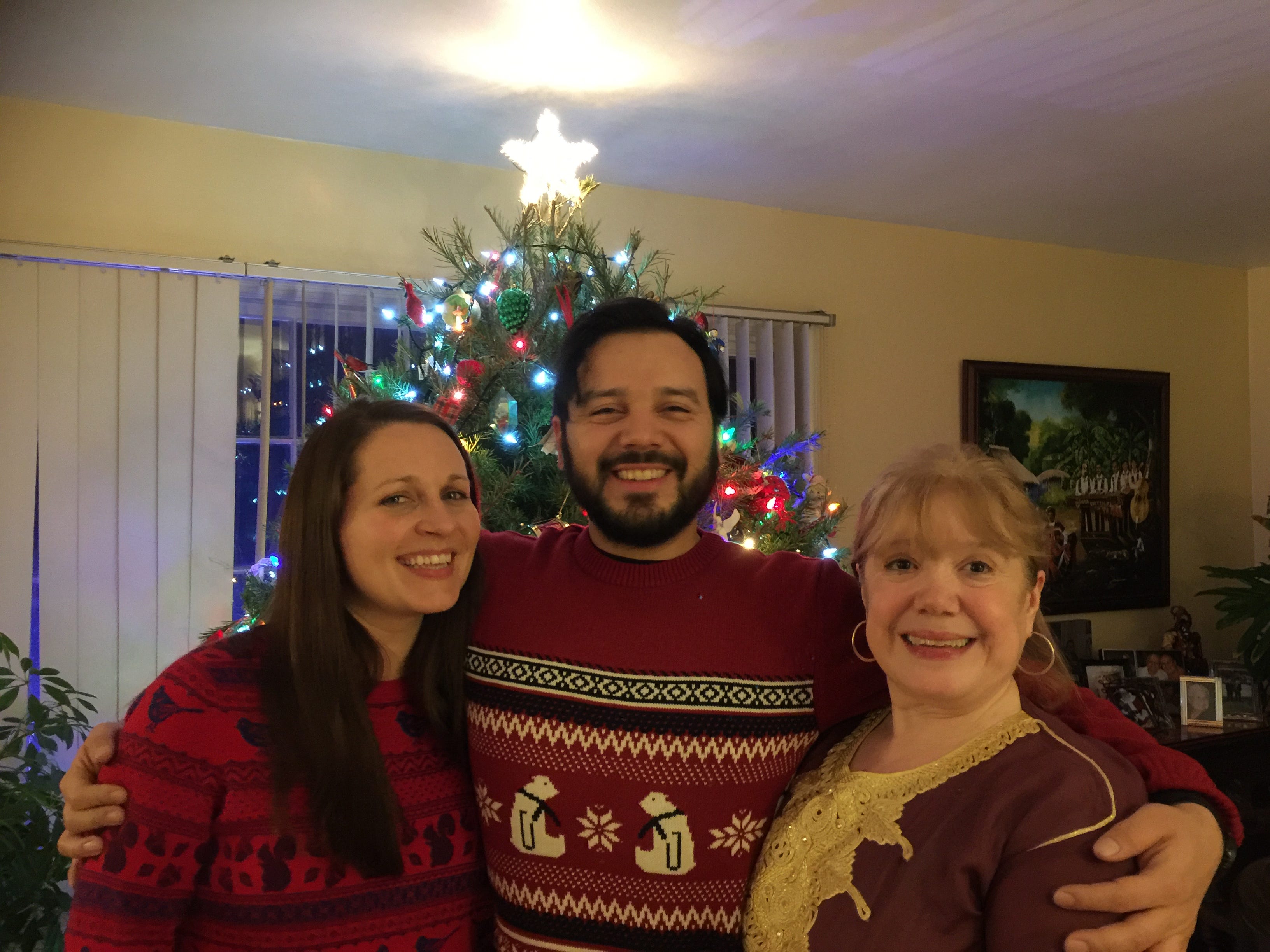
At the Hite house growing up, by midnight on Christmas Eve, we were very much tucked into our beds, the smell of extinguished candles and struck matches still lingering in the family room. The only light would be from the towering Christmas tree brushing the top of the 16-foot ceilings of my family’s historic Victorian home.
It’s not that we didn’t dance. We did at weddings and such occasions, like the average American family. But between watching my parents in their dance of choice—the South Carolina shag (think 70s beach music)—my debutante cotillion, and Mrs. Lottie Jean’s School of Dance in Abbeville, SC—nothing prepared me for Christmas Eve with the Estevez family.
That first year we were married, Edwin was pastoring a church within a few hours of his home, and so, when we arrived at 11:00 PM, we found the music blaring, the children wide-eyed (some of them, anyway), and the tamales and coquito flowing. Edwin told me later that the celebration that year was a far cry from the party they used to have when he was a kid, but to me it felt like a rager.
When we walked into that party—I’ll never forget it— it was “Mi Burrito Sabanero,” playing. This instantly contagious Latin American Christmas staple, a Venezuelan villancico (Christmas carol), tells of a young pilgrim traveling through the savannah on a donkey to see the baby Jesus in Bethlehem. The music is in the aguinaldo style, featuring a brisk tempo and traditional instruments like the cuatro, maracas, and drums. Throughout the song, the singer chants “tuki tuki tuki tuki” imitating the sound of hooves, all while urging the little donkey to hurry up so they can complete their holy journey.
The first time I heard “Mi Burrito Sabanero,” I was walking into my first Nochebuena, willing my hips to relax (and failing), laughing at myself as the joy of new traditions washed over me.

Christmas Eve traditions are not the only thing on which Edwin and I differ.
In fact, one thing many people don’t know about us is how truly opposite we are.
A few examples: His favorite color is green; bright, springy, and full of hope.
Mine is midnight blue: deep, layered, and basically black.
Once, I came around the corner and found him staring at the lawn, longingly. He said, as he often does, “I’ve got good news, and I’ve got bad news.” I, of course, requested the bad news first.
“We have sewage leaking into our yard.”
“Ok, what’s the good news?”
“Our grass looks fantastic.”1
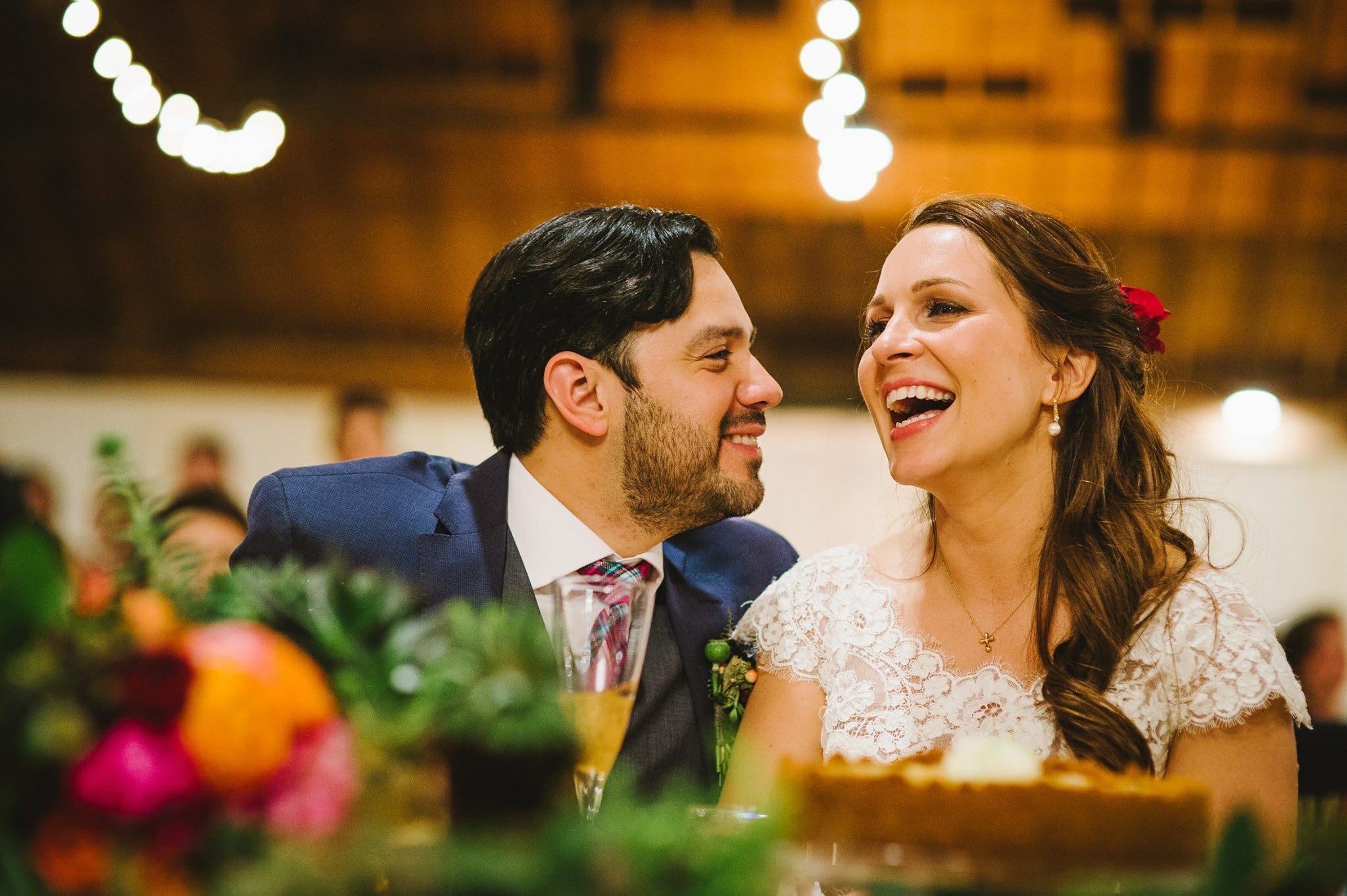
If you’ve followed along so far here in this “Advent Songbook” series, you may have noticed that all of the music I’ve chosen to write about this year is…well… kind of sad.
The Britten’s Harp Interlude invited us to consider solitude as a practice this Advent, as there are things we must do alone.
“Comfort Ye” from Handel’s Messiah spoke of music and God’s “withness,” a companion in the darkest days.
Paul Mealor’s “Spotless Rose” invited us to put down the highlighter in search of answers and instead embrace the holy mystery.
With "What Child is This," we explored how tender questions can open us in times of uncertainty and waiting.
Lauridsen’s “O Magnum Mysterium” reminded us to celebrate the mysteries, to listen for the ways the alleluias sneak in.
And last week, I explored how Silent Night and its creation during a major organ malfunction remind us that sometimes mishaps have to happen for the masterpiece to come through.
It’s no surprise to you, then, that I am drawn to the sadder, nostalgic, contemplative side of Christmas. There, I said it.
And, while Edwin, the merriest of husbands, does enjoy mournful music on occasion, as joyful as he is, he never makes me feel bad about my pull to the sadder side of Christmas and of life.
He doesn’t bemoan my melancholic nature, but here’s what he does do: he invites me to dance.
Every family has their share of hardships. The Estevezs have had theirs. But what “Mi Burrito Sabenero” does for us as a family is simple. It makes us stop whatever we are doing and dance in the midst of sadness and grief. The joy doesn’t discount the melancholy; it doesn’t make the hard things disappear. The rhythm is an invitation to choose joy even when you’re tired, even when it’s been a long day, a long year, even when things feel different and new and scary.
That invitation to dance is, perhaps, the most fitting way to end our journey toward the manger. Just like the little donkey in the song, we are all travelers navigating a long, dusty road, sometimes weary from the weight of our own stories and the melancholy of the world. But the rhythm of "Mi Burrito Sabanero" reminds us that the destination—the arrival of a tiny, holy Light in the middle of our ordinary lives, in these dark days—is worth every "tuki tuki" step of the way.
In the end, the Christmas story itself is the ultimate union of opposites: the heavy reality of a long journey and the ecstatic joy of a savior born; the quiet of a stable and the loud, rhythmic song of the angels. So, whether we are swaying perfectly to the beat or still trying to get our "gringa" hips to move, we are all invited to hurry toward Bethlehem, choosing to dance in the light of the morning star that promises we are never traveling alone.
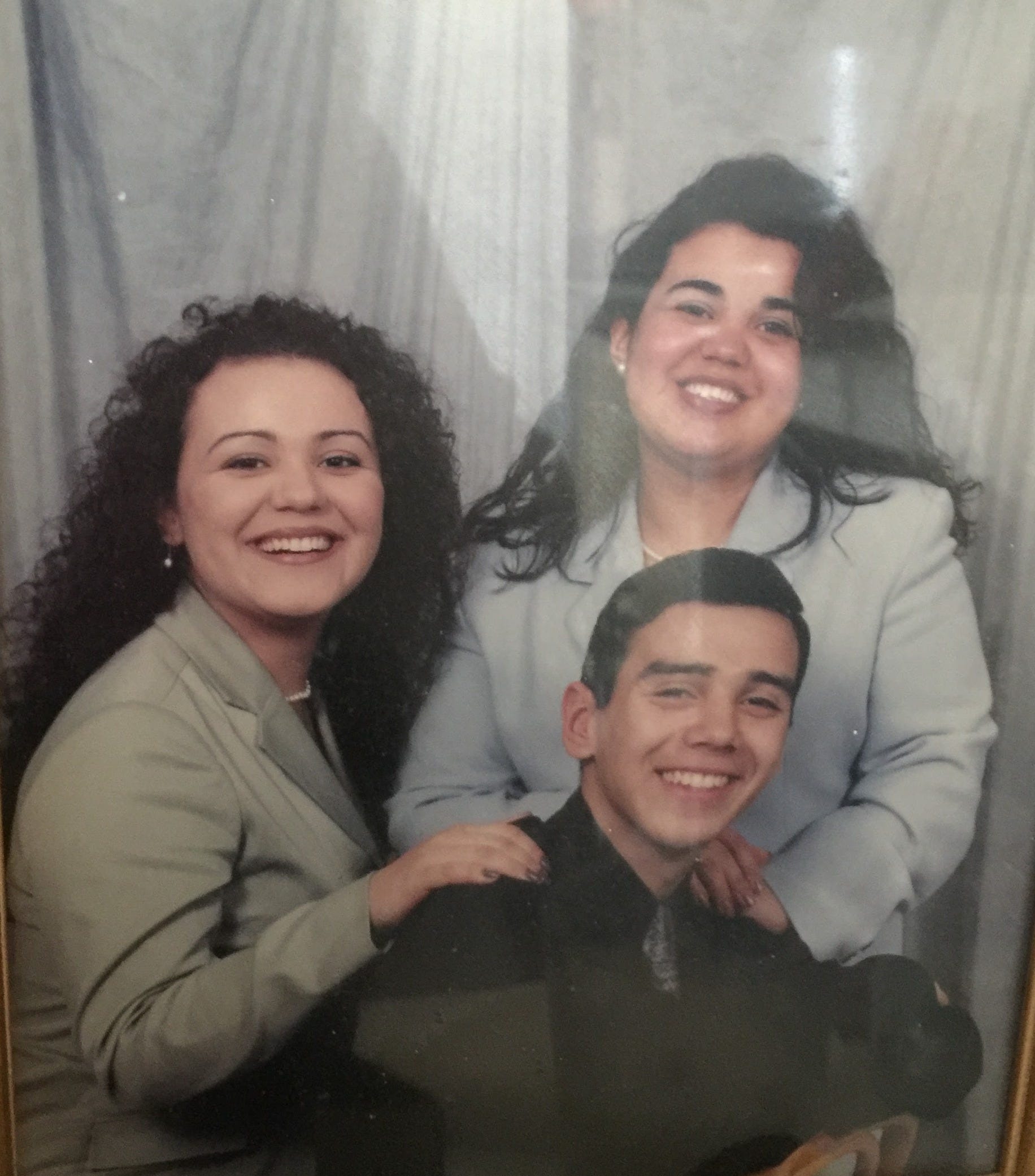
This one is simple. Play “Mi Burrito Sabanero” and move.
Whether you were born into the rhythm of a Latin American home or, like me, you were lucky enough to marry into one, whether you have no rhythm or body-awareness at all, I want to invite you to dance this Christmas.
Don’t worry about the technique or if you’re with the beat; let dancing become a spiritual practice of being present and awake to the joy that is right here.
May the music carry you through the good news and bad.
May midnight find you dancing in the midst of the longest, darkest nights.
May you trust that even the clumsiest steps are leading you home.
Merry Christmas 🎄
Thank you so much to those who have been following along here and on the podcast during “Advent Songbook.” I had a lot of fun writing and recording it. 🎙️👩🏽💻
If this series has resonated with you, tell me in the comments or via email at hello@artistsforjoy.org.
I’m so grateful for everyone who takes the time to read and listen.
For those with knowledge of the Enneagram, you can probably guess that he’s a 7 and I’m a 4!
No posts
Comments
Nothing yet. Say the first thing.
Sign in to join the conversation.