
When I was an art teacher in an elementary school, first pushing a cart from one room to another and later occupying a damp (but beloved) trailer in the parking lot, I planned each group’s “art lesson” the way I had been taught. First, decide on a project and outcome. Then, decide on the materials. Next, decide how the process would go and what skills and content I could jam into our 40-minute sessions together. And finally, decide how to assess and grade these projects, even for 5-year-olds. I did this for a while, but it always felt… off. Sure, there were some playful elements to these 40-minute sessions. I tried to keep my instructions light, fun, and gentle. I know many children loved art class, but I still had a single end in mind, and I still required children to complete the activities according to my plan, with little room to step outside the box. But then I started thinking about the incredible learning opportunities that are entirely missed when we do all the deciding. And when we do 99% of school in this way, children are learning skills and ways of being that might leave them woefully unprepared for life now and in the future.
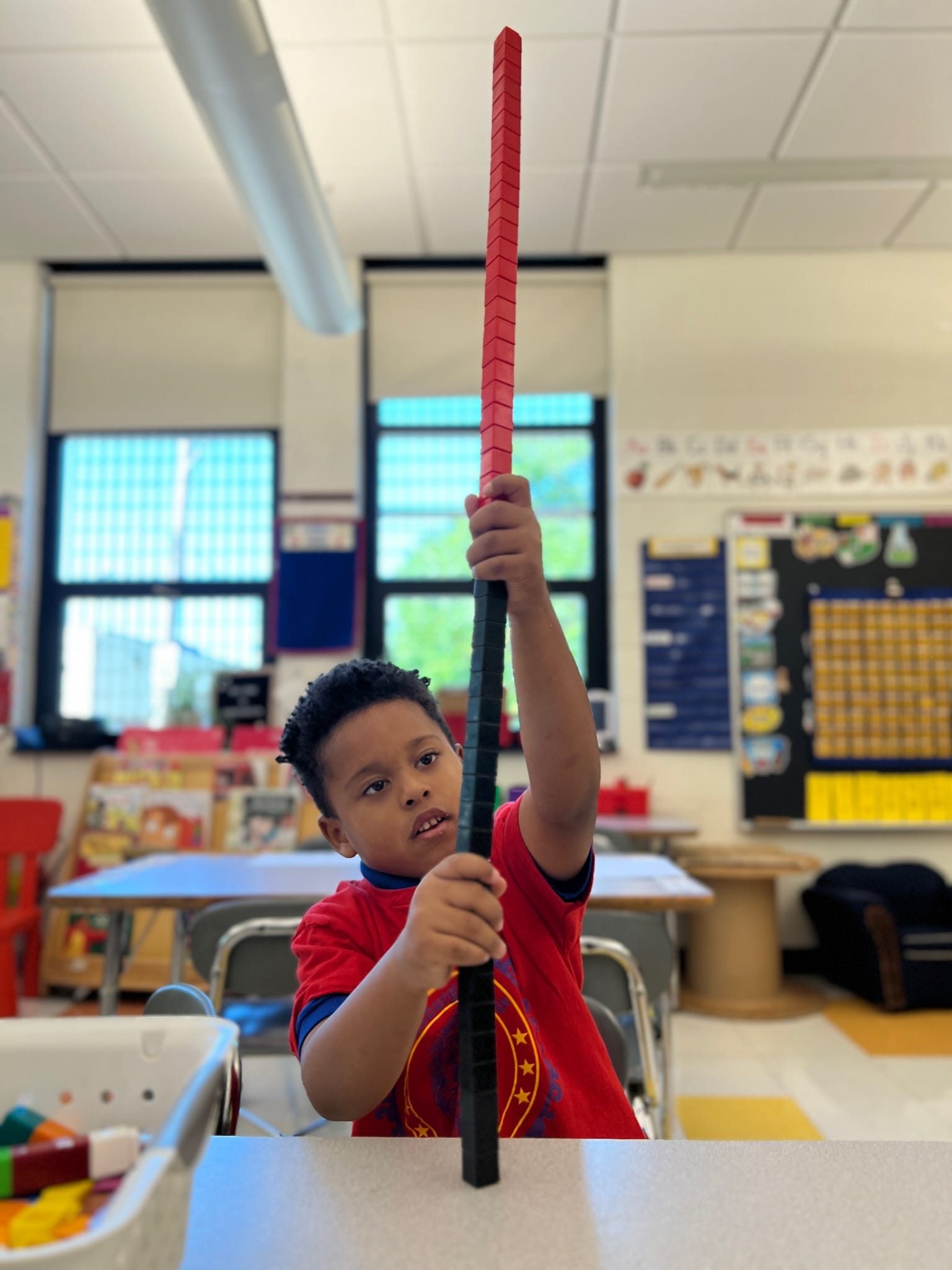
It took leaving this setting and opening a children’s art studio and working closely with Bar to create resources for our TCP community for me to really be able to see what children are capable of and what they can do when we allow room for them to decide what they’ll make, what materials they’ll use, and how they’ll be in the space. Simultaneously, for the past several years, I have worked closely with my local public school district to imagine what child-led free play could look like even in the most structured of contexts and classrooms. At times, we have struggled to share just how essential, how valuable, how important child-led play is. Many still believe that play is a nice extra, a maybe, a privilege. But for the person standing in front of us selecting materials at age 4 and the adult person she will become — creative, confident, iterative — play is critical. And play is a chance to practice human skills that AI simply cannot replace. Not a day goes by that a new article pops up about what researchers think will be necessary skills, habits, and ways of being in our very uncertain future. They never include knowing everything there is to know about painting owls. So, today, we thought we could share just one skill and how we nurture it through creative play.
Comments
Nothing yet. Say the first thing.
Sign in to join the conversation.