
Are all hands-on experiences automatically considered play? What’s the difference between a playful activity and real creative play? An activity can look and feel playful — it can involve paint, glue, cardboard, sensory materials, loose parts — and children can absolutely enjoy it (or not). But real creative play, at the direction of children themselves, is something different entirely. We’ve been hard at work behind the scenes, revising our summer camp guides to reflect our commitment to creative play. Today, we wanted to share what we see as some of the differences and how to gently move the needle for yourself, shifting from an activity to real creative play. There’s room for it all, but we know that increasingly, true opportunities for children to make decisions, to have agency, to let an idea evolve into reality are becoming more and more rare. And guess what? Creative play is way more fun to facilitate, anyway!
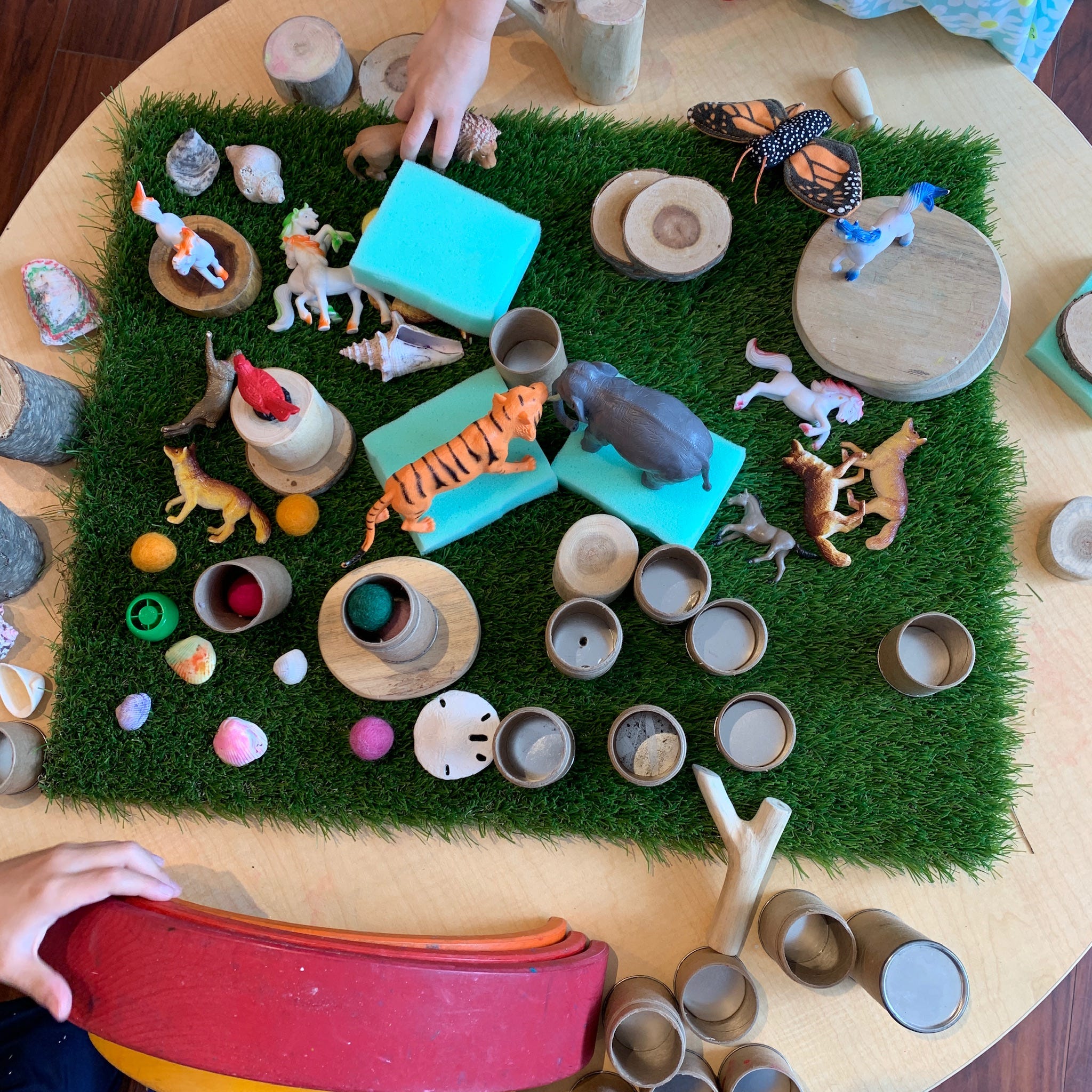
Adult-led playful activities are usually designed around a predetermined outcome. There are directions, expectations, samples, and often a “right way” to use the materials. Even in the most beautiful, well-intentioned activities, the adult is still steering the experience toward a destination. Are children learning? Yes. Is it playful? Yes. But if we adults already know the beginning, middle, and end of an experience, there isn’t much room for children to take on the real work — the play. Many educators have been taught to always have the end in mind. To make sure everyone has participated or has something to show for their time spent. Adults understand the “learning value” of a playful activity and feel reassured because the learning is visible and tangible. The expectations for children are clear, and the praise comes quickly: Good job. I love it. That’s so cute.
Everyone’s end product looks basically the same.
The adult has made a model or sample ahead of time and shown it to the kids.
Children are waiting for the next step or directive.
Not everyone is engaged. Or, you may notice behaviors like insecurity (mine isn’t good enough), comparison (she copied me), avoidance (I don’t want to).
The adult is feeling pressured or stressed to ensure everyone has a finished product, or frustrated that children are disinterested.
In our many years of facilitating creative play, we know how incredibly capable children are and what they can do when given the time, space, and materials. Children generate the ideas, transform the materials, negotiate with one another, experiment, abandon plans, start over, and invent new possibilities as they go. With practice, they are less personally attached to perfection and are much more willing to influence and inspire each other instead of hoarding materials, ideas, or space.
In real creative play, the adults, environment, and materials don’t tell the child what to think or what to make. They spark curiosity, creativity, and connection. They are there as an invitation. In real play, children are not just participating in someone else’s idea. They are practicing having ideas of their own. They’re building problem-solving skills, flexibility, collaboration, persistence, and creative confidence. They’re learning to trust themselves instead of constantly looking outward for directions or approval. Creative play is for everyone.
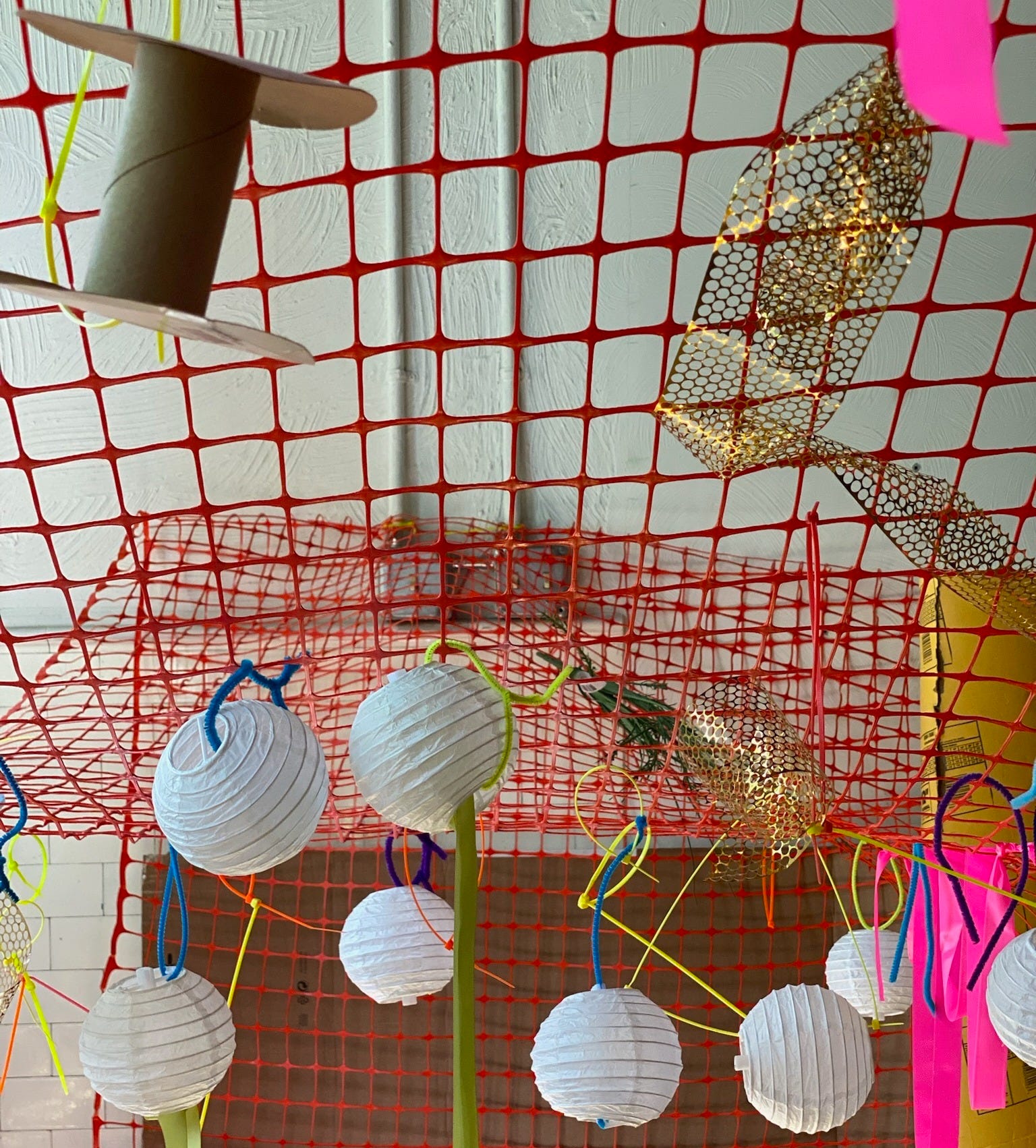
Children choose how they participate, if they participate, and what they make of the materials
The “end product” may not exist at all, it may be completely unexpected, it may not be conventionally appreciated (think a smushy brown painting, a handful of tiny bits of paper), and each one looks different.
The process is organic and fluid, and ideas transform quickly.
The adult might have an idea in mind, but is open and flexible to where things may go. When the pressure to manage every move is removed, adults breathe a sigh of relief.
We know children can feel the difference between being managed and being trusted. And while there’s certainly a place for planned, intentional playful activities, childhood has become so scripted and structured that many children are losing opportunities to practice generating ideas for themselves. And yet, there are many hours in the day, and sometimes kids need a little spark. This summer, instead of asking, "What activity should I set up?” maybe the better question is, “What materials could I offer that leave room for possibility?” You’ll find that this more open and flexible way of thinking will energize you, too.
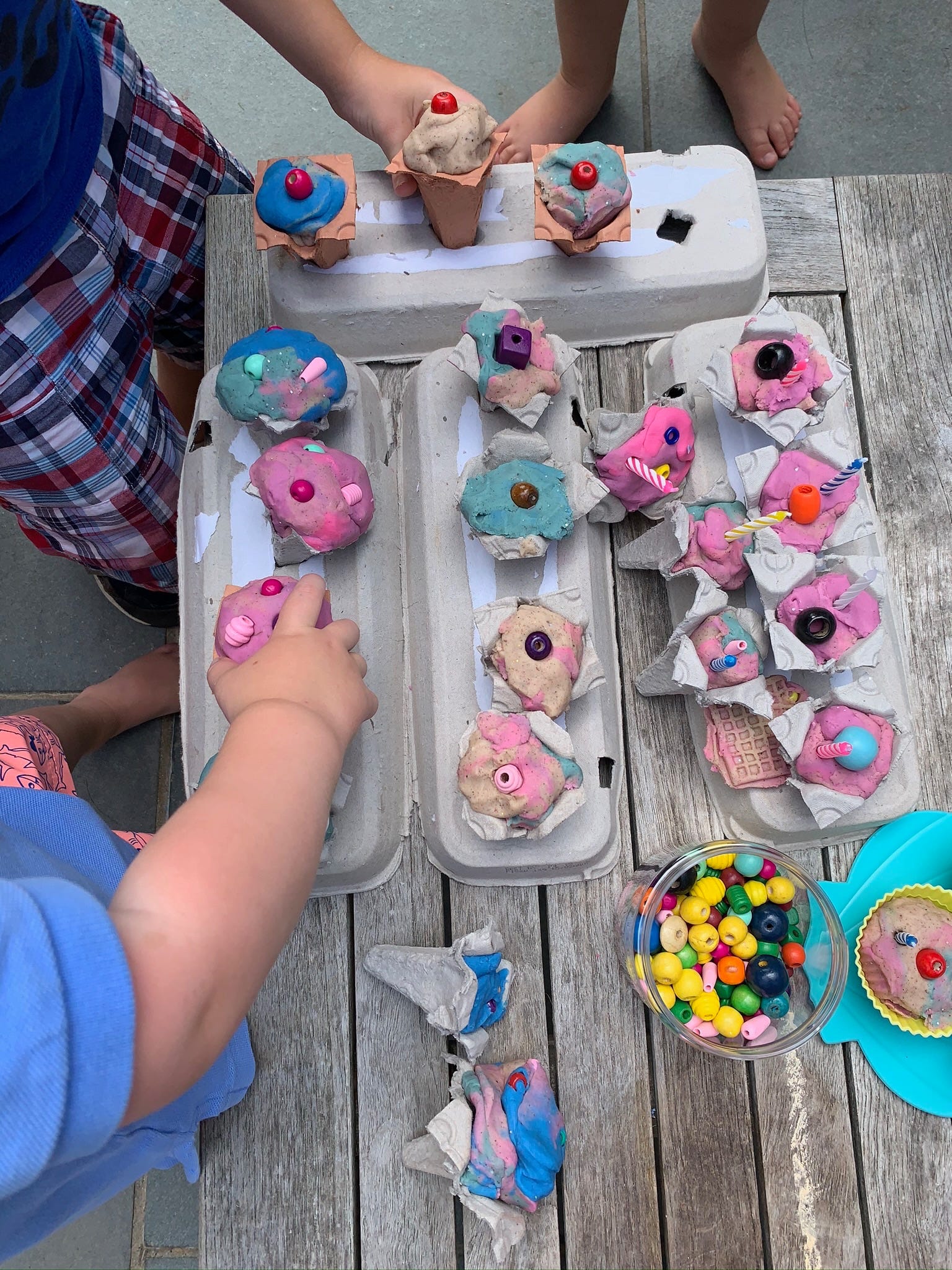
1. Ice Cream Shop
This can be your intro to creative play. We’re starting with an adult-generated idea, then using it as a moment to practice flexibility. We shared about our love of egg cartons that can be used in every way possible, but who doesn’t love ice cream? The pointy pyramid shape of the egg carton dividers inside looks so much like an ice cream cone. Cut them out and off with playdough and little bits like paper shreds, cut paper straws, beads, anything you have available. Add some real ice cream scoops (real tools make everything more playable) The players might see it as an ice cream shop, but if they don’t, just step back and watch as they take the idea in a completely different direction!
2. Watercolor Exploration Basket
Once you’re feeling comfortable setting things up and seeing what happens, how about creating a self-serve watercolor station? We shared about watercolor a few weeks ago, so make that available in a way that makes sense for you. You could set up watercolor paint boxes to take outside or switch things up by offering unexpected surfaces inside, like bark, shells, fabric scraps, paper bags, coffee filters, cardboard, wood pieces, rocks, or recycled packaging.
3. Cardboard Construction Zone
Now you know just how capable kids are! Create a small area with those egg cartons, small boxes and packaging, masking tape, and maybe some colorful dot stickers. We recommend having a station like this set up all summer, whether you’re at home or facilitating a summer camp. If kids need a nudge, just keep restocking this area with interesting finds and materials, like wire, rubber bands, even a hot glue station, and they’ll return all summer long.
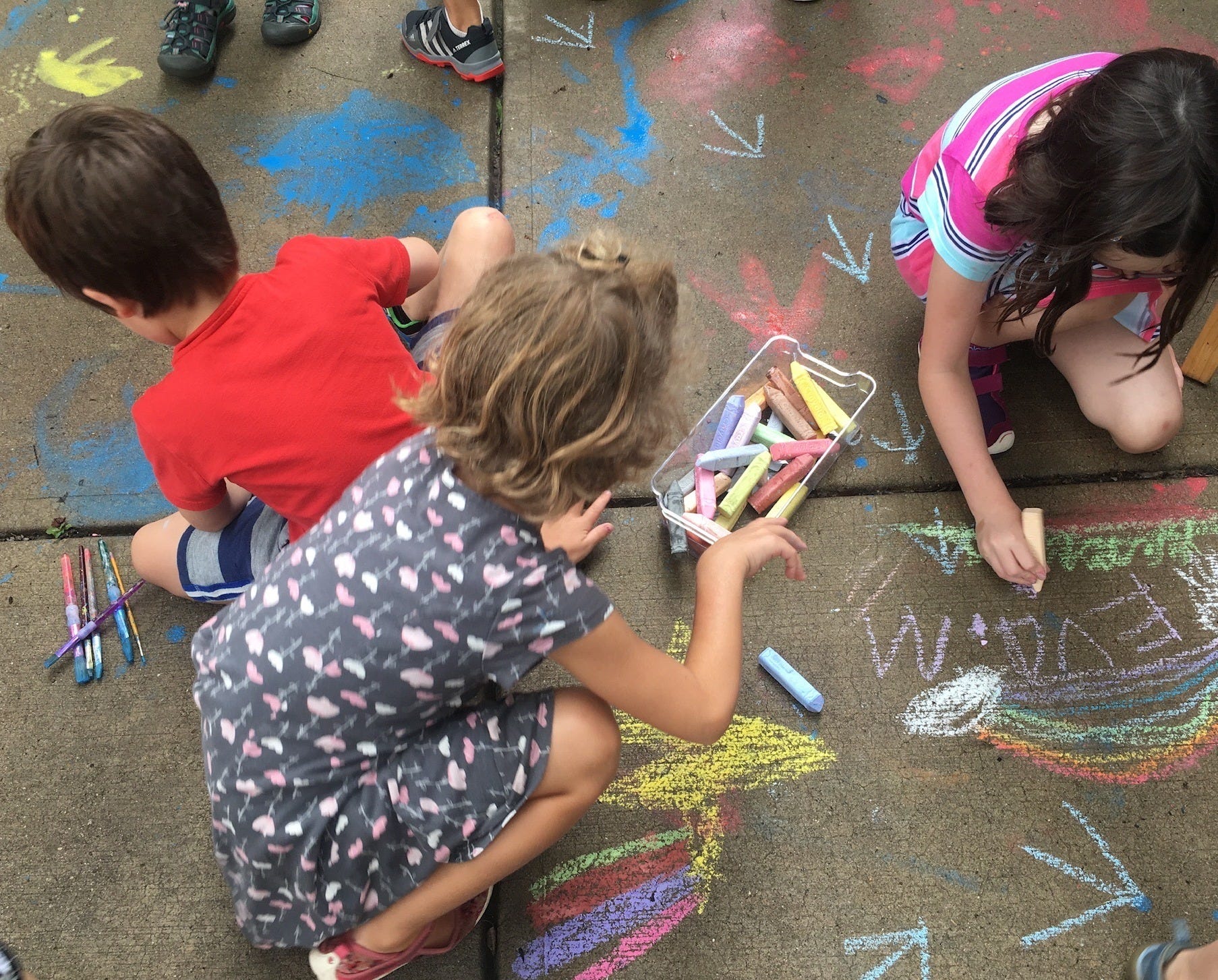
If you’re reading this, chances are you work with children in some creative capacity. We want to let you know that we’ve been spending the last several weeks working on two new summer camp workshops that unpack our approach to prioritizing open-ended creative play and revising our 6 summer camp guides that ground an experience in a big idea while offering so much room for interpretation, decision making, and real creative play. Sign up for our TCP mailing list if you haven’t already, because we’re launching all of this ASAP! Happy playing!
Comments
Nothing yet. Say the first thing.
Sign in to join the conversation.