AI model poisoning covers attacks that corrupt training data, model weights, or update pipelines so a model behaves incorrectly or maliciously. This guide separates confirmed real-world incidents from controlled research, and walks through detection, layered prevention, and incident response for security, machine learning, and risk teams evaluating AI systems.
MITRE ATLAS gives security teams a shared language for how adversaries actually attack AI systems, from data poisoning and prompt injection to agent tool abuse. This guide breaks down its 16 tactics, real case studies, and a step-by-step way to put it to work.
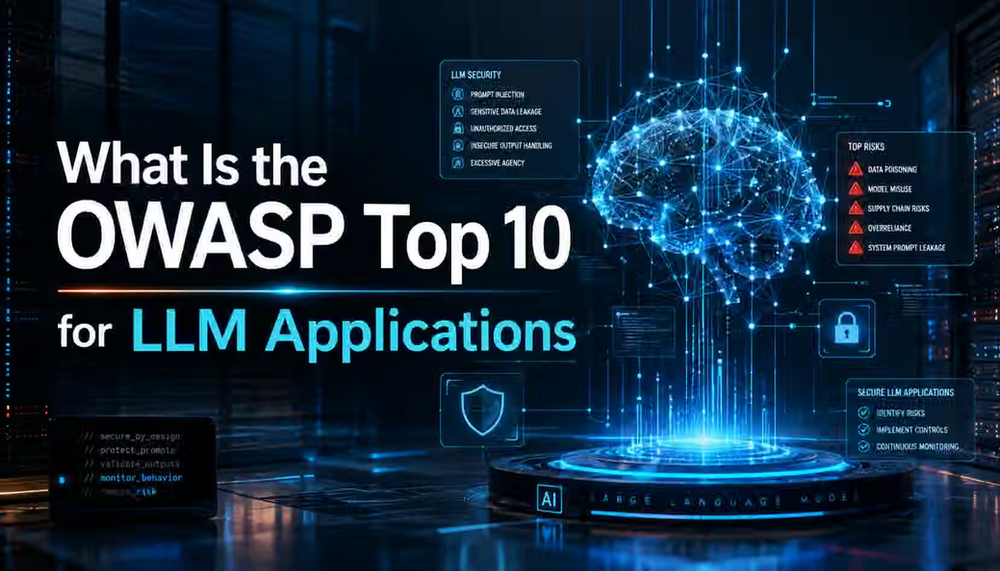
A complete guide to the OWASP Top 10 for LLM Applications 2025 (v2.0): all ten risks explained in plain English, from prompt injection and sensitive information disclosure to vector database weaknesses and unbounded consumption. Includes real-world examples, layered mitigation strategies, role-based checklists, and a practical roadmap for securing prompts, RAG pipelines, and AI agents across the…
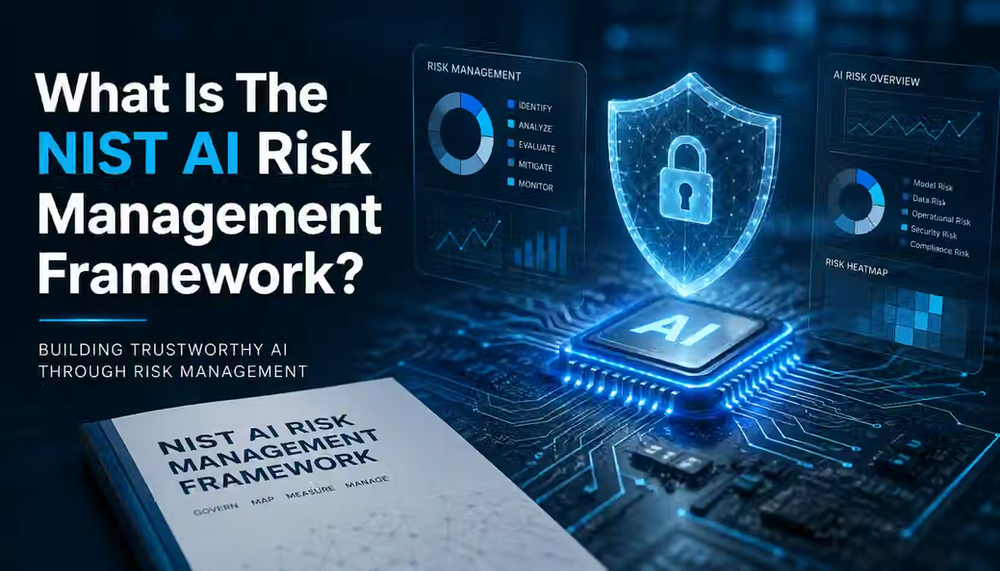
The NIST AI Risk Management Framework helps organizations manage AI risk through four functions: GOVERN, MAP, MEASURE, and MANAGE. Learn its 2026 status, the seven trustworthy-AI characteristics, generative AI guidance, and a practical implementation roadmap.
Agentic AI security protects what an AI agent sees, remembers, and does, not just what it says. Here is the OWASP Top 10 for Agentic Applications, MCP and prompt-injection defenses, and the architecture that keeps agents safe in 2026.
A practical guide to AI security frameworks: what they protect, the leading standards like NIST AI RMF and ISO 42001, and how to build one step by step.
AI risk management means identifying, assessing, and treating the risks AI systems create at every stage of their lifecycle. This guide covers the NIST AI RMF, current EU AI Act deadlines, practical risk assessments, generative AI risks, and how to build a working program, even with a small team.
AI agents can read your email, call APIs, and take real actions, which means a single manipulated input can cause real damage. This guide explains AI agent security: the core risks like prompt injection and excessive agency, and the identity, architecture, and monitoring practices that keep autonomous agents safe in production.
An AI adversarial attack is a deliberate manipulation designed to fool a machine learning model into making a wrong prediction or leaking data it was never meant to reveal. This guide breaks down how these attacks work, the real research and case studies behind them, and the detection and defense methods security teams use in 2026.
AI data poisoning corrupts the data a model learns from, retrieves, or remembers, so it behaves the way an attacker wants. This guide covers how the attack works, real research versus hype, warning signs, detection methods, and practical defenses security teams can use in 2026.
AI guardrails are the technical, procedural, and governance controls that keep an AI system's behavior within safe limits. This guide covers every layer, how they work, real risks, and how to design a program that actually holds up under testing.
An LLM jailbreak is a prompt engineered to bypass a language model's safety training, distinct from hacking a server or stealing model weights. This guide covers how jailbreaks work, how they differ from prompt injection, why they matter more once AI agents can act, and the defense-in-depth practices organizations use to reduce risk, backed by OWASP, NIST, Anthropic, and OpenAI research.
AI model security means more than protecting weights. It covers training data, APIs, agents, and identities across the AI lifecycle. This guide breaks down the real threats, from prompt injection to model theft, and the practical defenses that keep AI systems safe in 2026.
Machine learning security protects the data, training pipelines, and models behind ML systems from theft, poisoning, and misuse. This guide covers major attack types, lifecycle defenses, and the NIST, MITRE ATLAS, OWASP, and CISA/NCSC frameworks that guide secure AI development in 2026.
A clear, evidence-based guide to how deepfake detection works across image, video, audio, and provenance methods, its real limitations, and a practical verification workflow.
Mini-batch gradient descent trains models on small groups of examples at a time. This guide explains the math, the trade-offs, batch-size selection, and working NumPy and PyTorch implementations.
Generative AI security protects models, prompts, data, tools, and outputs across the full AI lifecycle. This guide covers prompt injection, RAG and vector database security, agentic AI risk, and model supply-chain threats, and shows how to build layered defenses using NIST, OWASP, and MITRE ATLAS guidance.