
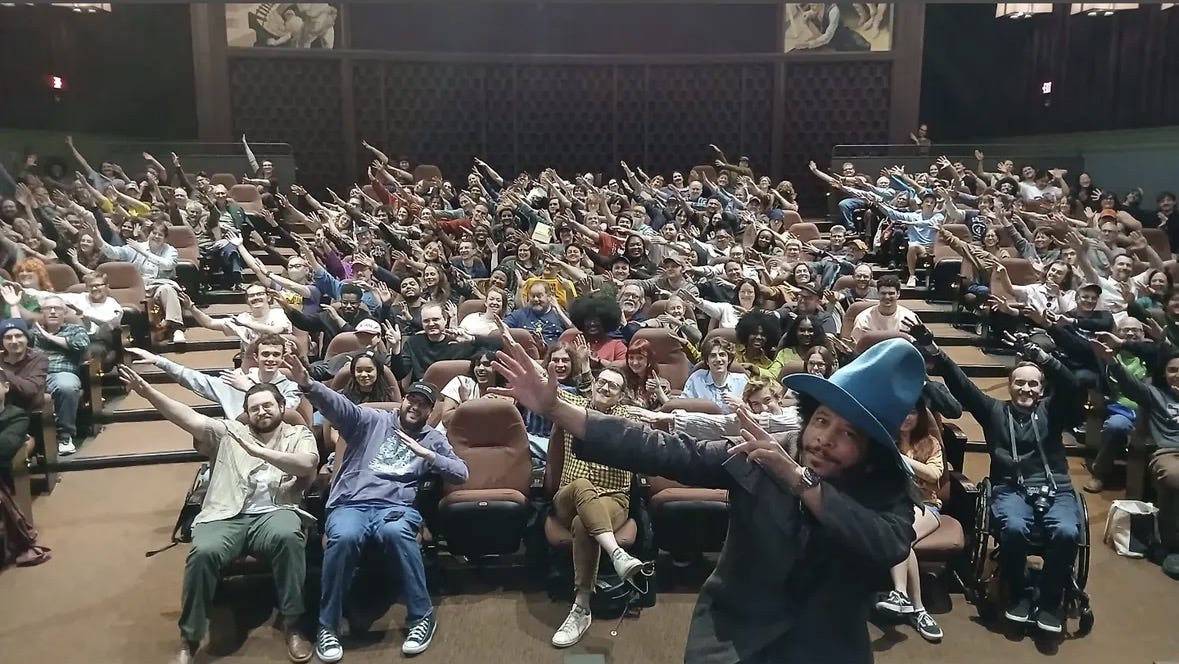
Having recently spent a week with 750+ art house cinema and film festival workers at the excellent Independent Film Exhibition Conference (IND/EX), presented by Art House Convergence (AHC)1 and Film Festival Alliance (FFA), I find myself struck by two intertwined realities. The first is the independent exhibition industry’s deep commitment to theaters and festivals as third spaces for cultural exploration, community building, and artistic development. From mobile movie theaters to film camps; from video rentals and lending libraries to discount ticket prices for EBT/Snap cardholders; from film education for all ages to renowned festivals, it’s no wonder that audiences feel a meaningful connection to their local art house as not just a movie theater, but as a vital cultural hub for their community. It follows, then, that a recent national survey of art house patrons report feeling “a deep emotional connection to their theaters…nearly three-quarters say they are ‘very’ or ‘extremely’ important to their overall quality of life [and] understand that their theaters have profound effects on themselves and their cities, towns, neighborhoods or areas; core to this experience is art and learning, fun and community connections.”2
The second is the consistent way these organizations center independent art house film at their core. Unlike other countries—notably France and other European nations—the U.S. has never had a comprehensive definition of “art house film;” rather, the term has been notoriously malleable across decades. In the 1950s, “art house films” were a shorthand for anything with subtitles; in the 1970s, art house theaters would just as easily program the latest French New Wave film alongside a Blaxploitation title, the new Cassavetes, and pornography. In the 1980s, art house films were as likely to come from the New York underground and the L.A. Rebellion as they were the drive-in.3 It was the 1990s boom in U.S. independent filmmaking that helped to shape what we mean when we say “art house films” today as, first and foremost, anti-mainstream—a kernel that, arguably, has always been at the heart of art house theatrical curation, but which became synonymous with the IndieWood, ‘90s Sundance culture of U.S. independent film. But the critical and financial success of U.S. independent art house films did not go unnoticed by mainstream chain theaters, and soon films that had solely been the province of art house theaters were regularly appearing on multiplex screens.
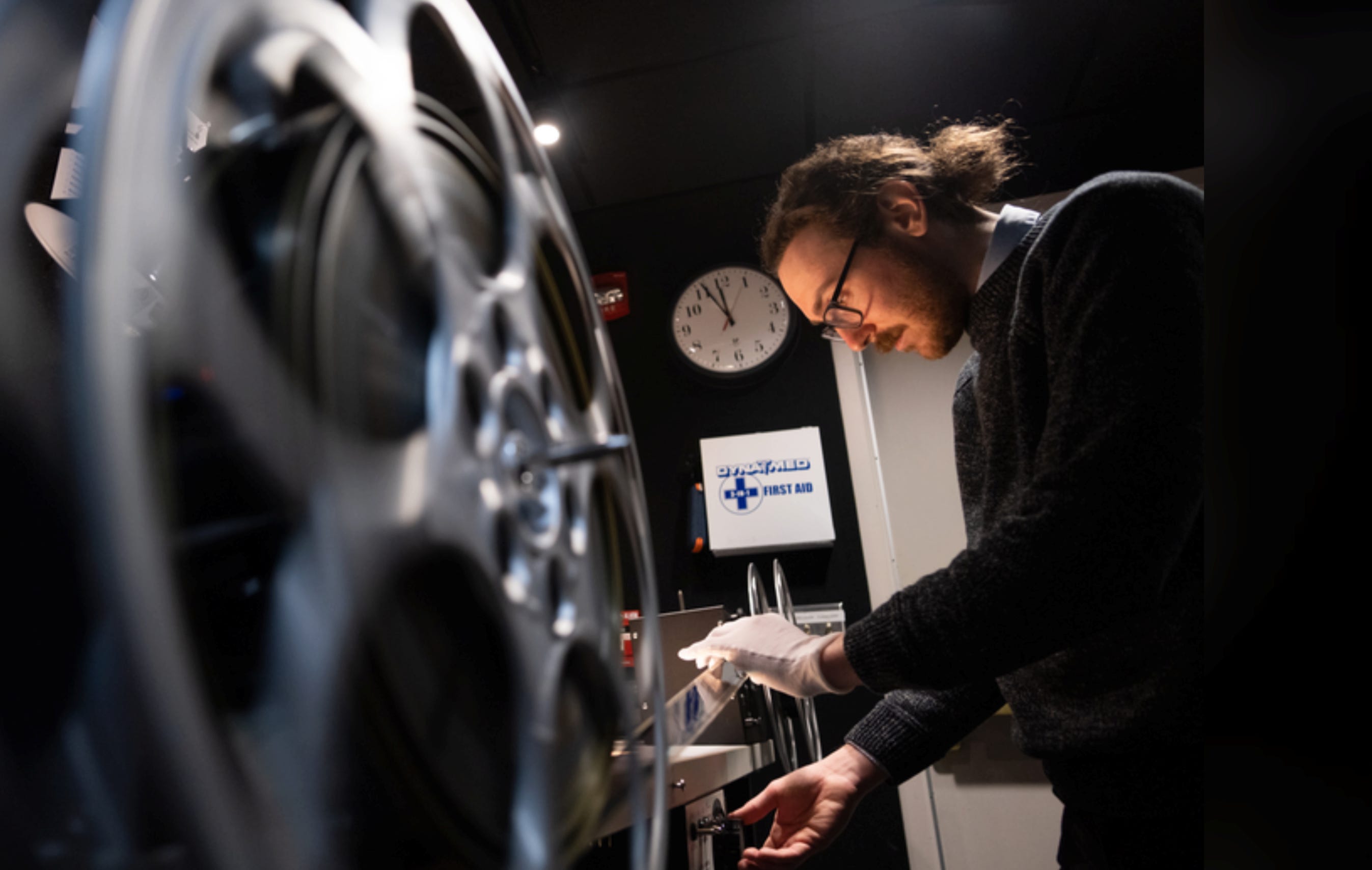
As I’ve written about previously, the breakdown of the boundaries between art house films and mainstream theaters was and is bidirectional, as art house theaters have—for many years—incorporated some films into their programming that decades ago would have only screened at mainstream theaters.4 But it would be naïve to assume this is a simple cash grab or an easy path to ticket sales when, in fact, the variables that combine to bring mainstream titles like Barbie (2023, Greta Gerwig), Disclosure Day (Steven Spielberg, 2026), and more to art houses are myriad. So, let’s get into it.
Firstly, many distributors that specialize in what could be considered traditional art house films are spending less money on film marketing. This puts an increased burden on art theaters to not just market their programs, but to first build basic awareness that these films even exist in our cultural landscape. With some minor exceptions, art houses are not staffed for this type of work, and they certainly aren’t budgeted for it.
Secondly, when art houses do put in the time and effort to market art house films—which happens weekly—they are hampered by the fact that the number and type of marketing assets provided by distributors is shrinking precipitously. AHC is currently conducting a research project that, in part, surveys exhibitors around marketing issues related to art house films; early results show a detrimental decline in many distributor provided-marketing resources.5 For example, art house exhibitors report being provided with a single still image to help sell a film; that film posters don’t arrive until a week before scheduled screenings; and that restrictive access to screeners disallows programmers and marketing staff from understanding what audiences they should be focusing on building for each title.6 While decreases in marketing assets fail to provide theaters with the materials necessary to build quantitatively meaningful audiences, the good news is that there are a core of distributors still committed to partnering with theaters on marketing, and part of the research AHC is conducting includes suggestions for scaling what is working across the distributor-exhibitor landscape and offering other potential solutions to these problems.
Thirdly, audiences report being more connected to their local art houses than mainstream chain theaters, with 88% art house patrons reporting they see their local art house as the cultural hub of their community, and 66% noting they choose to attend their local art house because of its sense of community.7 What sets art houses apart as valuable cultural assets is their programs’ responsiveness to their audience. If there are mainstream releases their patrons would like to see, and they don’t judge those films as antithetical to their mission, why wouldn’t they program them alongside their non-mainstream titles?
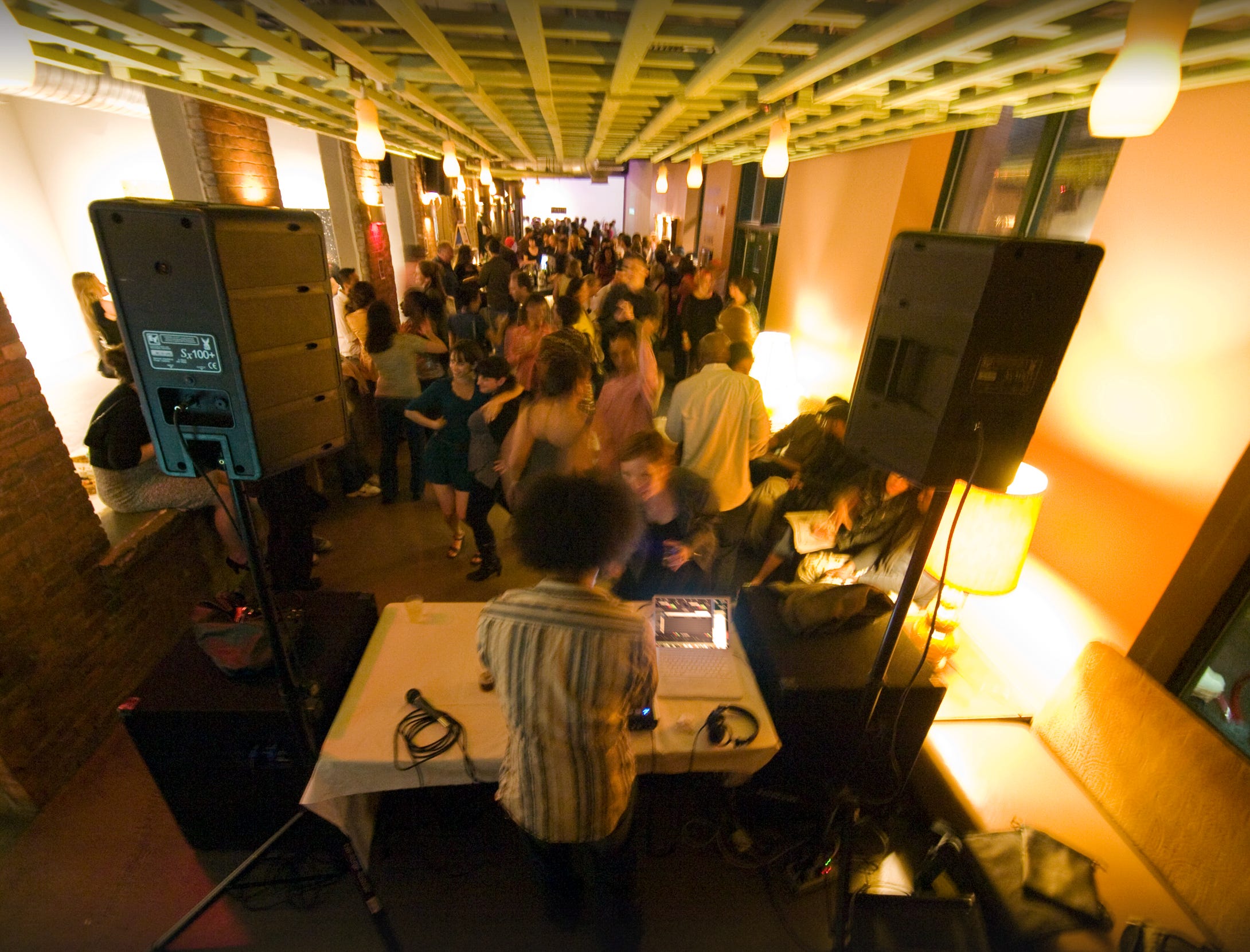
Fourth, it’s no secret the screening experience at most mainstream chain theaters is well below par. Lived experience and reporting has qualified that watching a film at a mainstream chain theater is simply a bad time—and has been for a while.8 In an effort to retain patrons and increase revenue, mainstream theaters have invested heavily in luxury seats, expansive menus with in-seat service, gaming centers, 20-30 minute pre-show content stuffed with advertising, and other ancillary experiential components while disinvesting in a theaters’ primary function: excellence in projection and the theatrical experience. I know from personal experience that patrons of my art house wait until we are screening a film to see it rather than go to the local chain. And who can blame them? The local chain theater is old and unclean; has terrible projection; is a 12 screen multiplex that regularly has only one working bathroom; boasts an HVAC system that cannot run when the outside temperature reaches past 85 degrees, resulting in the theater routinely shut down in the summer; and it has no true projection staff, so its regular on-screen issues cannot be resolved in real time to the detriment of the audience experience. Unfortunately, for the hundreds of mainstream movie screens outside of most urban centers, theaters like this are the norm, not the exception. We know from survey data that 78% of art house patrons cite they watch movies in theaters because the experience will be better on the big screen9, and simultaneously, we know that art houses offer a superior theatrical experience. Providing a diverse programming roster of art house, repertory, experimental, and yes mainstream, titles alongside a better viewing experience is yet another extension of art houses’ community commitment.
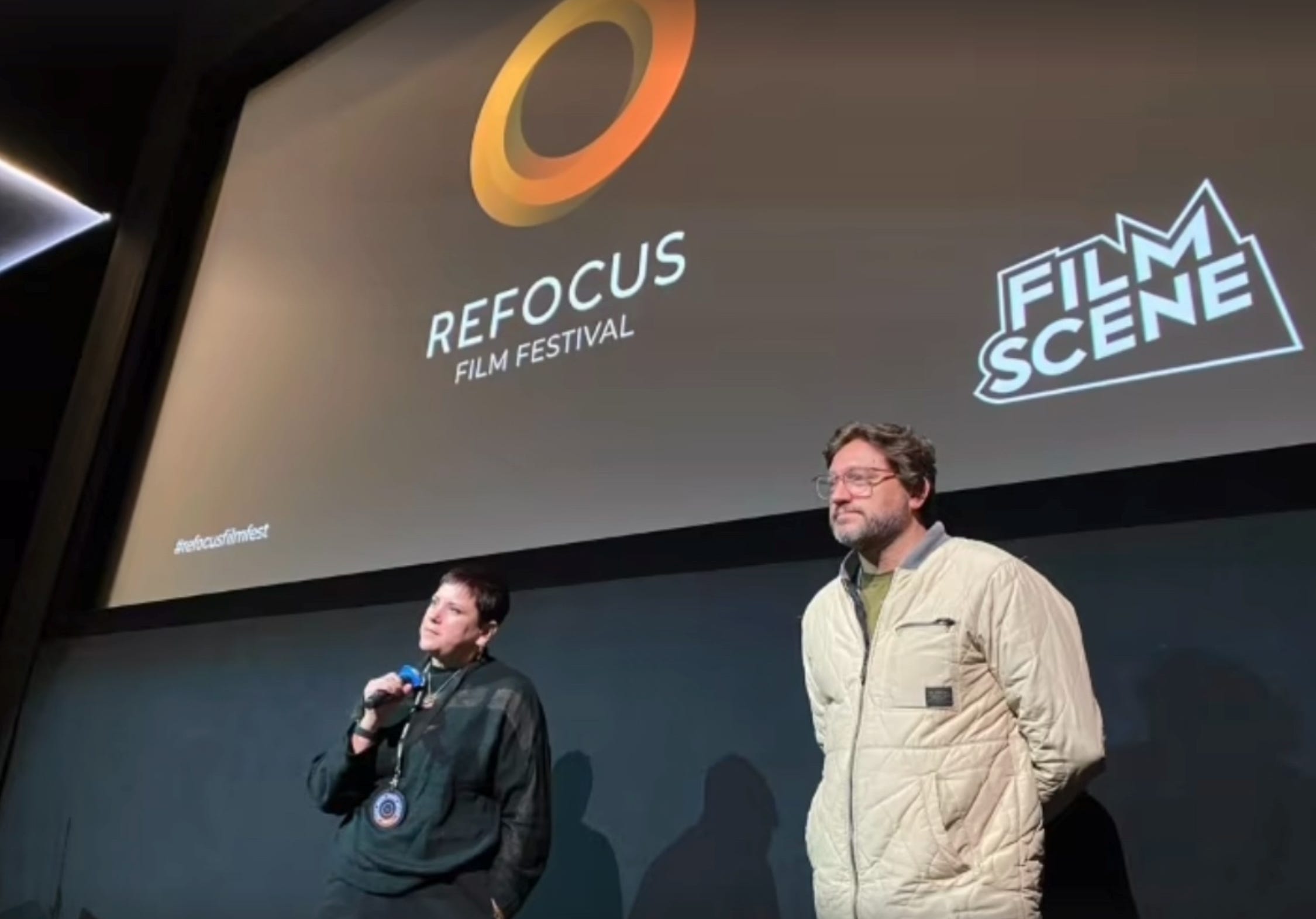
Fifth and finally—for while there are more variables to add to this list, you’ve indulged me for too long already—claims that art house theaters are deprioritizing art house films is news to art house patrons. 86% of art house audiences report attending their art house theater specifically because they screen “more films that are outside the mainstream.”10 While the relationship between art house theaters and art house films is strained by a broken distribution model, art houses and independent filmmakers have found inventive ways to partner to keep “traditional” art house titles on screen. Simply look to examples like the award-winning documentary WTO/99 (Ian Bell, 2025) or Annapurna Sriram’s Fucktoys (2025) which, both with no distributor, have been screening at art houses across the country consistently for close to two years thanks for direct-to-filmmaker booking. Or consider The Popcorn List, a yearly list of the best films from festivals with no distributor. For the past two years, The Popcorn List has curated a series of films in their “Fresh, Hot Summer” program that allows art houses to bring the best in independent films to their screens through direct-to-filmmaker booking. This year to date, the 7 films in the series have been booked 62 times in 19 theaters.11 Another example is the AHC and Kinema partnered program The Booking Fair, a month’s long process that educates a cohort of indie filmmakers without traditional distribution on how best to work with art houses to get their films on screen. The success of initiatives like these would not be possible if it wasn’t for the trust in programming art houses have built with their audiences. The end result of the process – the combination of programming trust, audience building, education, and alternative models to a broken system – is that art house films are playing on art house screens to art house audiences and art house filmmakers are getting paid for their work while gaining the visibility necessary to continues in their career. And what’s more art house than that?
In full transparency, I am the Vice President of the Art House Convergence Board of Directors. Regardless of my role in the organization, I can say with full confidence that IND/EX was, indeed, fantastic.
Art House Convergence and Avenue ISR 2026 National Audience Survey, June 22, 2206, https://arthouseconvergence.org/reports-and-data. This survey includes responses from 27,500 art house patrons ranging in ages between 14 and 98 and representing all 50 states and the District of Columbia.
There is, of course, too much history to recount in a Substack post. I recommend Barbara Wilinsky’s Sure Seaters: The Emergence of Art House Cinema (University of Minnesota Press, (2001) for a detailed history of art house exhibition and art house films in the U.S., Joan Hawkins’ Cutting Edge: Art-Horror and the Horrific Avant-Garde (University of Minnesota Press, 2000) for a stellar examination of the false boundaries between “high” and “low” film cultures that art houses would—knowingly or not—curate as the core of their programming, and Gerald Butters’ From Sweetback to Super Fly: Race and Film Audiences in Chicago’s Loop (University of Missouri Press, 2015) for an account of how changes in exhibition, demography, film culture, and moviegoing habits transformed a local exhibition economy.
See Alicia Kozma, “Gendered Labor in the Neo-Art House,” Media Industries vol. 8, no, 1 (2021), https://journals.publishing.umich.edu/mij/article/id/1253/
A full report on this project will be publicly available in the coming months.
In perhaps the most egregious example, many exhibitors report one distributor in particular who provides a folder titled “Film Still” (singular) for most of their films.
Art House Convergence and Avenue ISR 2026 National Audience Survey, June 22, 2206, https://arthouseconvergence.org/reports-and-data.
See Alex Billings, “The State of Cinema: Poor Projection Quality is Here to Stay – Unless You Make a Difference,” FirstShowing.net, December 8, 2007, https://www.firstshowing.net/2007/the-state-of-cinema-poor-projection-quality-is-here-to-stay-unless-you-make-a-difference/; Lane Browm, “Bad Projection Is Ruining the Movie Theater Experience,” Vulture, March 2, 2023, https://www.vulture.com/2023/03/movie-theater-projector-amc-regal.html; and John Anderson, “Oscar’s Best Directors Say You’re Getting Ripped Off at the Movies,” Time Magazine online, December 13, 2023, https://time.com/4237779/movie-projection-technology/.
Art House Convergence and Avenue ISR 2026 National Audience Survey, June 22, 2206, https://arthouseconvergence.org/reports-and-data.
Art House Convergence and Avenue ISR 2026 National Audience Survey, June 22, 2206, https://arthouseconvergence.org/reports-and-data.
I served as a guest curator for the 2026 Popcorn List “Fresh, Hot Summer” series, but I have no input on what films are booked by what theaters.
Art House Convergence (AHC) is a 501(c)3 arts service organization that connects, amplifies and advocates for mission-driven, community-focused independent cinemas and exhibitors within the film industry, and arts and cultural sector. We provide professional development, and capacity and network building for the independent exhibition workforce; and advocate for independent cinemas in the greater, and ever-changing, exhibition and film landscape. Copyright, Art House Convergence 2026
No posts
Comments
Nothing yet. Say the first thing.
Sign in to join the conversation.