
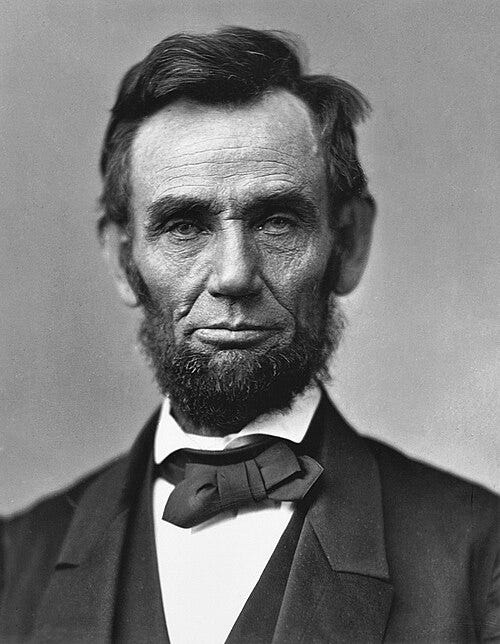
Leadership in a Time of National Crisis
Abraham Lincoln is often remembered for preserving the Union and ending slavery, but what made him exceptional was not only what he achieved. It was the distinctive way he led. In an era of national collapse, Lincoln developed a leadership style that combined humility, moral clarity, patience, and an unusual willingness to learn while in power. His leadership did not resemble the commanding style of many political figures of his time. Instead, it rested on emotional intelligence and quiet strength.
Humility as a Source of Strength
One of Lincoln’s most unique qualities was his humility. Unlike leaders who sought to appear infallible, Lincoln openly acknowledged uncertainty. He often admitted when he did not have all the answers and was willing to revise his thinking as circumstances changed. During the American Civil War, he entered office with limited military knowledge, yet he gradually became an effective wartime leader by studying strategy and asking questions. Rather than pretending expertise, he learned in public, which made him more credible, not less.
Building a Team of Rivals
Another defining feature of Lincoln’s leadership was his ability to surround himself with strong personalities, even rivals. Many leaders prefer loyal followers who rarely challenge them. Lincoln did the opposite. He appointed political opponents to his cabinet because he believed talent mattered more than personal comfort. This “team of rivals” approach revealed a remarkable confidence. He understood that leadership was not about dominating every voice in the room. It was about bringing together competing perspectives and finding a path forward through them. This gave his administration a depth that many governments lack.
Emotional Discipline and Patience
Lincoln also possessed extraordinary emotional discipline. He was known for his habit of writing angry letters that he never sent. When frustrated, he would express his feelings privately, then reconsider his response. This habit showed a leader who understood that impulsive reactions can damage trust. His restraint allowed him to remain calm in moments when the nation itself was losing its composure. That emotional steadiness gave others confidence during a period of fear and uncertainty.
At the same time, Lincoln balanced patience with moral conviction. He was not reckless, but he was not passive. He understood that lasting change often requires careful timing. His decision to issue the Emancipation Proclamation was rooted not only in moral belief but also in strategic judgment. He knew that leadership sometimes means waiting for the right moment to act decisively.
Leading Through Empathy
Perhaps most importantly, Lincoln led through empathy. He had an unusual ability to understand the pain of others, including those who disagreed with him. His speeches rarely sounded vindictive. Even toward the end of the war, he spoke of healing rather than revenge. That empathy did not make him weak. It made him capable of imagining a future larger than conflict itself.
The Lasting Power of Quiet Leadership
Lincoln’s leadership style remains unique because it was built not on force, but on character. He showed that a leader can be humble without being weak, thoughtful without being indecisive, and compassionate without surrendering authority. In a world that often rewards loud leadership, Lincoln demonstrated the enduring power of quiet greatness.
Comments
Nothing yet. Say the first thing.
Sign in to join the conversation.