
We’ve all been there—you want to sketch or paint, but you have a time limit and are stuck at your desk or table (or even in bed next to your napping kid). You need to find your subject quick so that you don’t waste precious creation time.
You might choose to work from an old drawing, or from memory, or from a sticker. A lot of us, though, at this point in the process, will turn to the internet to find a subject.
But an image search can quickly devolve into a rabbit-hole dive to learn about, say, whale menopause. Obviously, learning something new isn’t a bad thing. If you sat down to sketch, though, it’s not ideal to find yourself spending 30 of your 40 minutes finding out about the importance of grandmothers in some cetacean cultures.
Or, maybe this is exactly what you want to be doing instead of sketching. I probably should have chosen a less compelling example. sure makes whale-painting look fun.
But most of us don’t regularly encounter whales, and so: the image search. If you want to make the most of your painting or drawing window, I have a suggestion that can steer you clear of these rabbit holes.
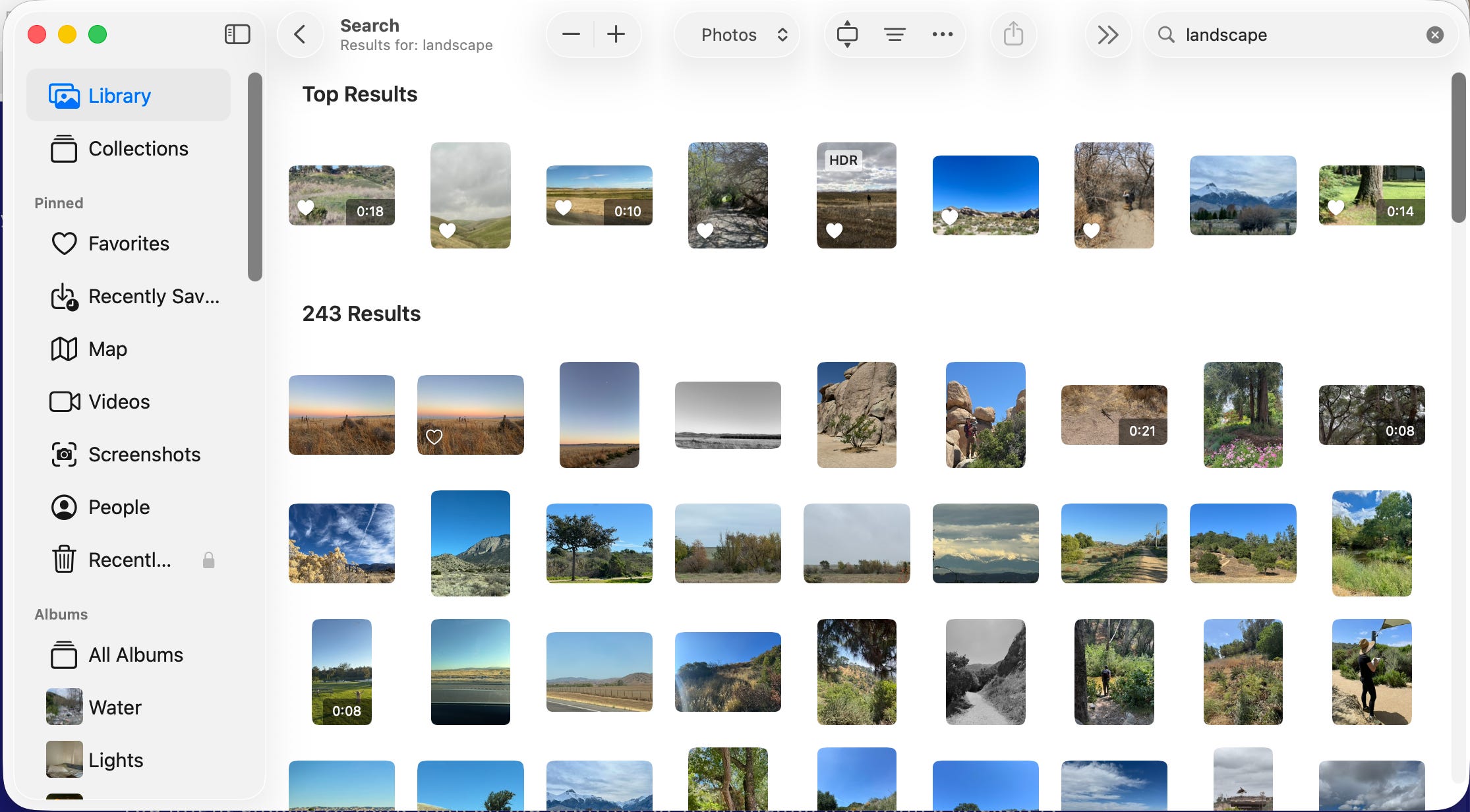
I have a library of images I’ve taken on my phone and set aside specifically because I think, sometime, I might like to draw or paint from them. When I’m stuck for a subject, or just want to be able to get right to working, this library—rather than Pinterest or Google—is where I turn. The pictures there are mostly of the sky, fruiting or flowering trees, hills and mountains, bodies of water, fence-lines, orchards, and insects. I have been meaning to photograph the vases and jars around our apartment to add those to the album too.
Building your own visual library in this way can give you much from your own world to feel inspired by.
Your own photo album isn’t a diving board (usually) from which to spring down deep into some as yet unknown subject. It will inevitably be filled with pictures of things and places you have actually seen, even if just for the moment it took to snap the photo. This has a secondary advantage.
Say you want to paint some mountains. You might put this into Google and get some generic mountain pictures of unspecified places, such as the one I got in my search and pasted below:
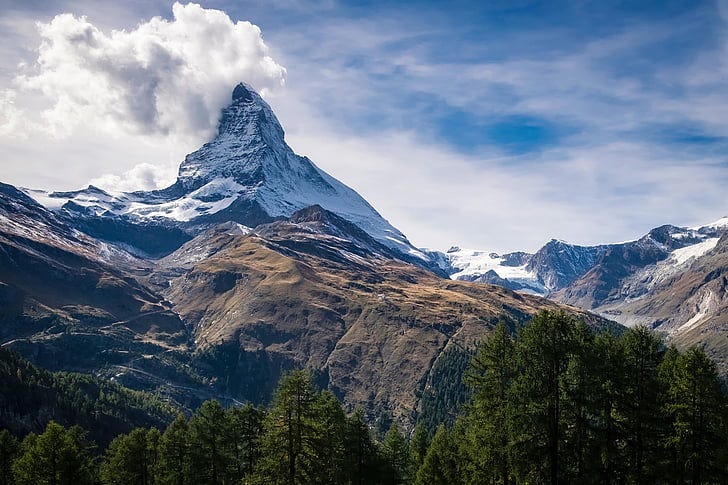
This is a beautiful mountain, clearly in a beautiful place. But, since it’s not my photo, I don’t know if it’s been edited or AI-generated. I know nothing of the surroundings, the feel of being there, or what the local people are like.
Now, if I go into my own album and look for something, I get a very different result (and if you’re using relatively up-to-date tech, you can term search in your library). When I searched for “mountain” in my own photo album, this is one of the things that came up. It’s a picture I took of these wild rock formations my family and I saw on our drive to Table Rock Campground in 2023.
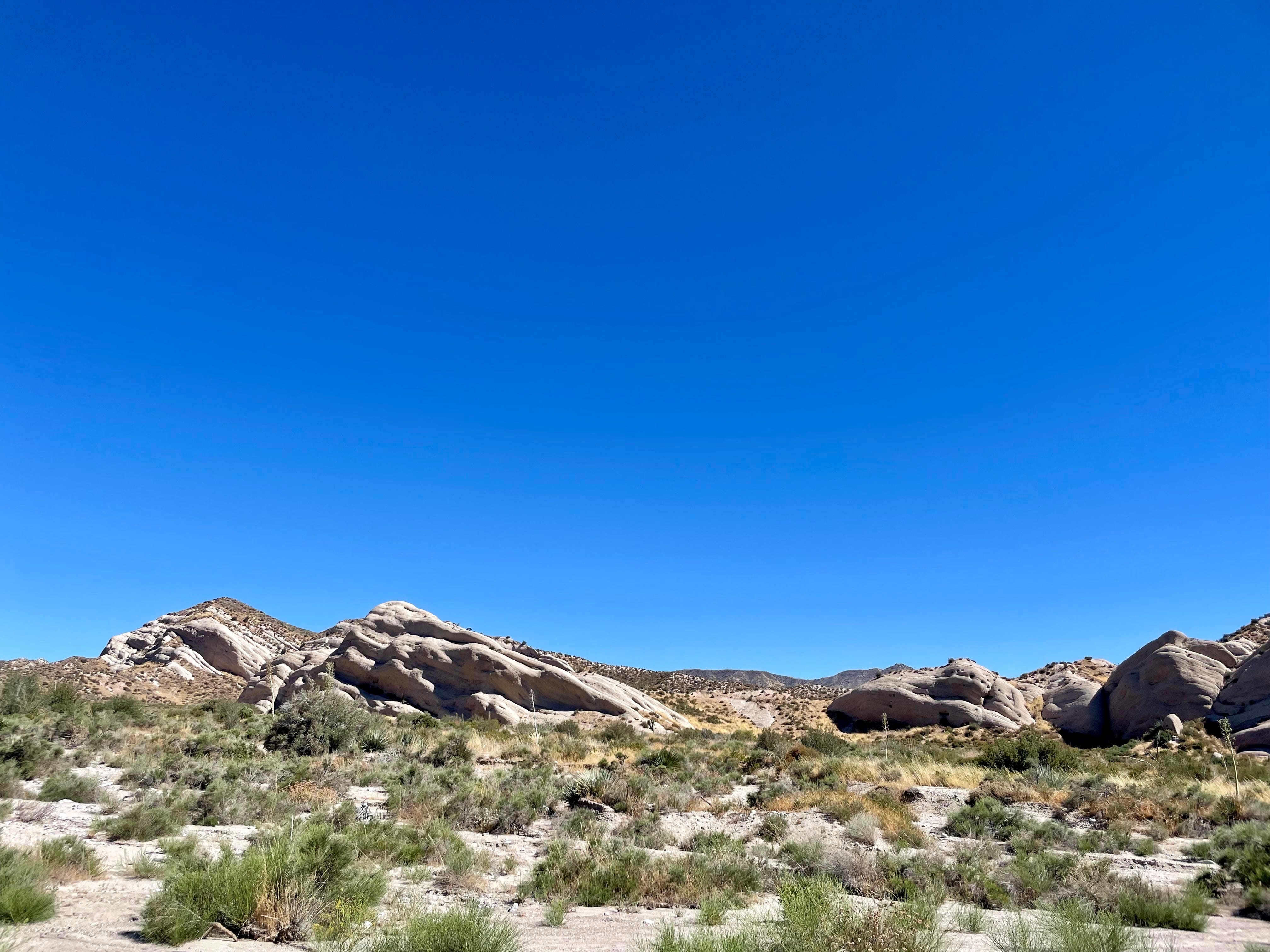
The landscape was stunning, but it was also very hot and dry, and there were discarded diapers and water bottles full of urine on the side of the road where we stopped. It was our first camping trip with our then toddler, and it was strange to go from our norm—hiking 10-15 miles sometimes in a single day—to barely making it around the campground.
All these memories are connected to the picture, and though what I make depicting this place may include none of those details, the knowledge of place will shape my work. Other artists, for this reason, say to paint what you love. I would broaden that injunction to paint what you have feelings about—not in a gushy way, but as in, paint what you have sensual experience of, what you have memories about, what you have experienced.
Building your own photo library to work from is a way to bring voice into your work, both because of these connections you’ll have to what you’re painting, and because you are the one who chose to take the picture, how to frame it, what to include, what to leave out. You own it, from beginning to end.
This has been my approach this month when choosing images to paint from for my gouache value studies. I took each of the reference photos myself and, for that and other reasons, the resulting paintings all feel connected—to me and to each other.
What do you think? Will you make such a library for yourself, of your world? Do you already do this? If not, will you start to?
Comments
Nothing yet. Say the first thing.
Sign in to join the conversation.