

My family and I live in graduate student housing on my university campus, which means we share a laundry room with dozens of other people. It has also meant that sometimes, when life gets hectic and we forget that we started a load, we’ve had our clothes taken or thrown away. This just recently happened, and the load had almost all of my older child’s favorite dresses in it.
My spouse and I did everything we could think of, once we realized the things were missing and that this meant we had left them in the wash. We checked the laundry rooms, asked maintenance staff, checked garbage cans, and visited our complex’s reuse store. Nothing. We were both so upset, knowing how much our four-year-old loved those clothes (many of which were too well-worn for anyone else to want). As we frantically — really, there was a lot of sweating — tried to make up for our failing (we were the ones who left the clothes in the washer), I started to wonder: What actually is my responsibility, in this kind of situation, as a parent?
I began to really think this through because, even as I tried everything in my power to shield my child from the great disappointment of discovering many of their favorite clothes to be gone, I had another nagging feeling that I was missing an opportunity. It can feel like we aren’t doing our jobs as parents when our kids get upset or face disappointment. Like, if we were doing the parenting thing well, they would always be perfectly happy, all needs met.
Happiness isn’t just the peak concern for parents who love their kids. Worry over happiness plays into everything else—it is part of why we want to know if our kids have eaten, if they are being treated well, if their clothes still fit. It is probably why adults invent games and go to the trouble of making art in refugee camps—sparking joy in a child means something key is still alive.
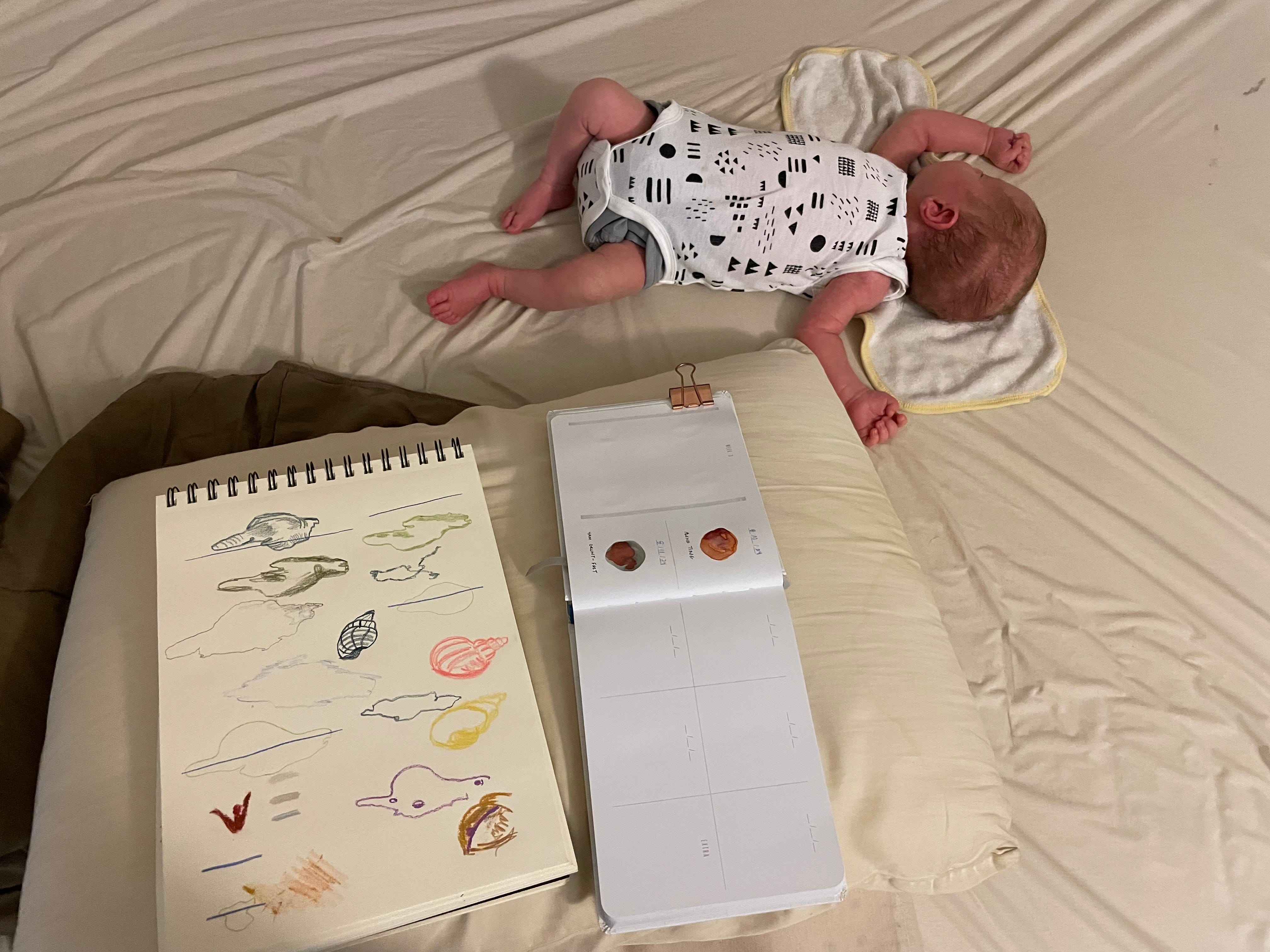
This impulse to try to keep one’s child happy is maybe a result of what babyhood makes us think is possible, and why so many people miss it so intensely when it’s gone: that the needs are numerable. It is easier to run through the list—diaper, food, sleep, cuddles—than it is to figure out the source of upset for a 3-year-old, or to prevent a 7- or 12- or 20-year-old from experiencing disappointment, frustration, or pain.
But actually, what this situation with the laundry showed me was that this expectation of always preserving perfect equilibrium for my children doesn’t align with my values as a parent, which aren’t to shield my child from experiences that will cause them negative feelings, but to show them how to live with both negative and positive feelings and experiences.
This laundry situation was also a chance to let them in on the great secret of childhood: that their parents, too, make mistakes.
Ron Charles recently wrote about the work of Dr. Dana Suskind in a post that asked the question: “Will Human-Raised Children Become a Luxury Product?” In his post, Charles noted that Suskind is worried about the growing quiet of kids in her waiting rooms with everyone in them, little people included, absorbed by the screens in their hands.
“Suskind notes that ‘learning to be human is friction-filled’ — and should be,” Charles writes. “But those little irritants, delays, compromises, and negotiations are the very things that AI is designed to eliminate.”
The same technology that is reducing friction for children in wealthy countries is being used to kill families elsewhere. This coincidence isn’t accidental. Making life easier for one group of people has frequently come at a very high cost for much of the rest of the world. (Think about consumer culture’s relationships with plantation slavery, sweatshops, and extraction mining.)
The laundry being taken or thrown away by one of our neighbors was very irritating, and I wouldn’t have chosen to have it happen. But, it gave us the opportunity to do what I most aspire to as a parent, and help my children learn what it means to deal with difficulty. This time, it’s lost clothes, which may not seem like a big deal, but clothes are a very big deal to kids just forming their identities. Next time, it’ll be something bigger, like a breakup.
We have already, unfortunately, had the privilege of guiding our child through grief and loss. We already are — in small steps — making them aware of the many ways that the world is unfair and horribly sad. We talk candidly about racism, sexism, the ways people hurt each other, hierarchies, and so much else. As they get older, we will not only share information, but resources and our own ideas about how they can work against these very bad things.
One big thing that is missed, I think, when we assume our job as parents is to take the negative out of life, reduce the friction, not talk about the hard or uncomfortable things with our kids, is the chance, too, to experience the joy of overcoming, of figuring out what lies ahead, though we’ve been surprised by an obstacle or hurt by an experience. We miss the opportunity to see our kids all the way through growth. And by not walking with them through disappointment, sadness, anger and everything else, we show them that those aren’t topics they can approach us with.
I don’t know about you, but I want my kids to come to me even when they’re no longer children. I want deep and lasting bonds with them built on trust and shared humor and love.
Do you think talking about the difficult things is a way to get there? What did your parents do? What are you doing, or what have you done, in your roles as a caretaker?
Comments
Nothing yet. Say the first thing.
Sign in to join the conversation.