
I’ve juried a couple of exhibitions now, and always find the process endlessly fascinating. Getting to look at hundreds of artworks is such a dream job. While looking, I can find merit in each artwork. Since not every artwork can be included in the final curation, I focus instead on instincts, quality, and whether the work fits the curatorial theme I’m building in my mind.
Below are the final two sections of my curatorial text, part of my exhibition for Site: Brooklyn. You can read the previous sections here: Part 1 | Part 2
Below the paywall, I include some observations from jurying this exhibition and how to stand out in a sea of quality artworks.

Site: Brooklyn Curatorial Essay (Sections 4 & 5)
The world is full of texture, and these landscapes bring this tactility to the forefront.
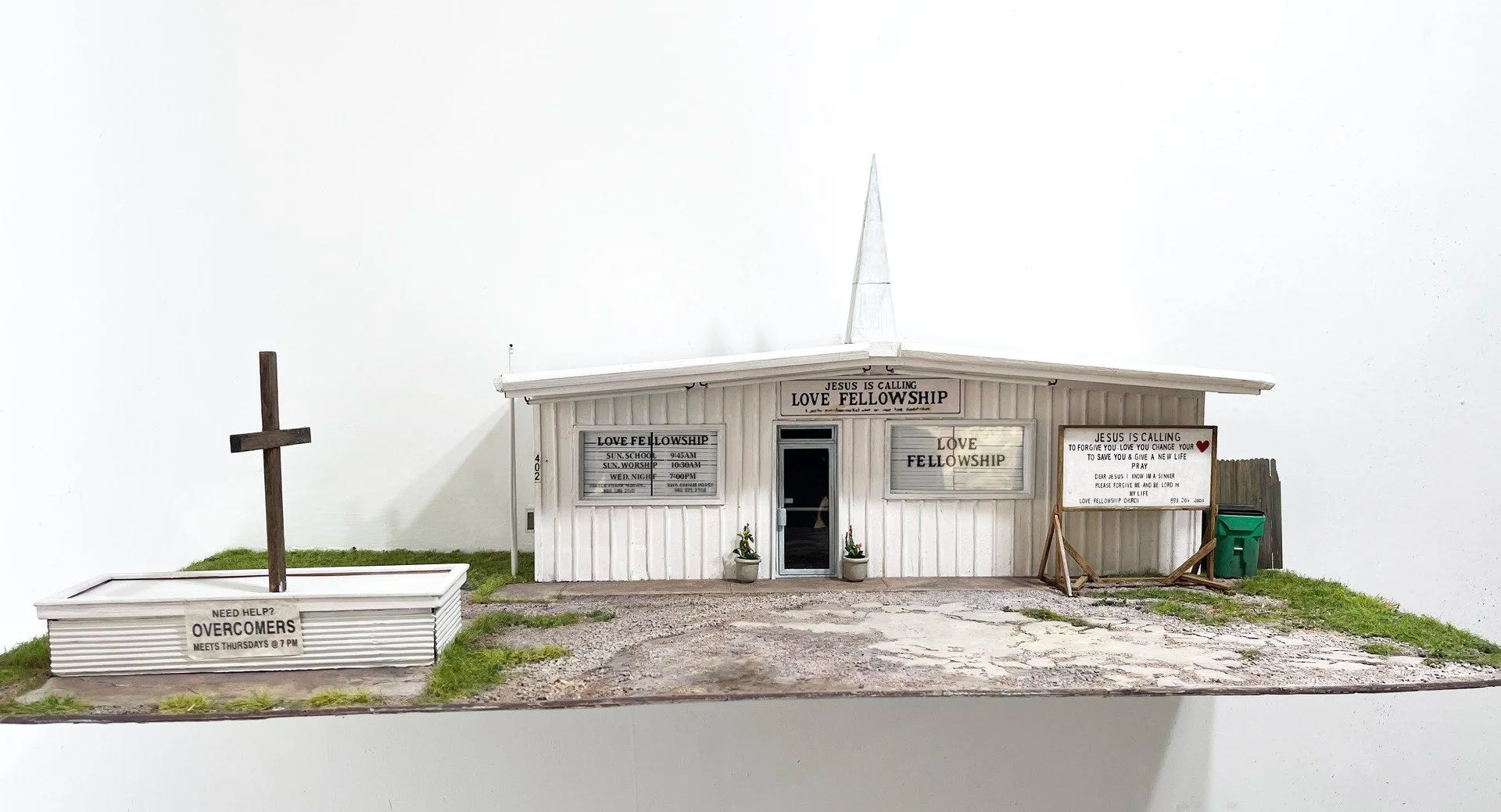
The three dimensions of Will Rothfuss’s diorama, part of The Texas Church Project, allow the viewer to fill in the surrounding landscape on their own. “The surrounding landscapes and expansive skies are edited out, leaving intimate and concentrated architectural spaces,” writes Rothfuss. Wherever the sculpture is placed, the landscape is formed by the space it inhabits, bringing the viewer’s attention to their own surroundings while at the same time egging on their imagination
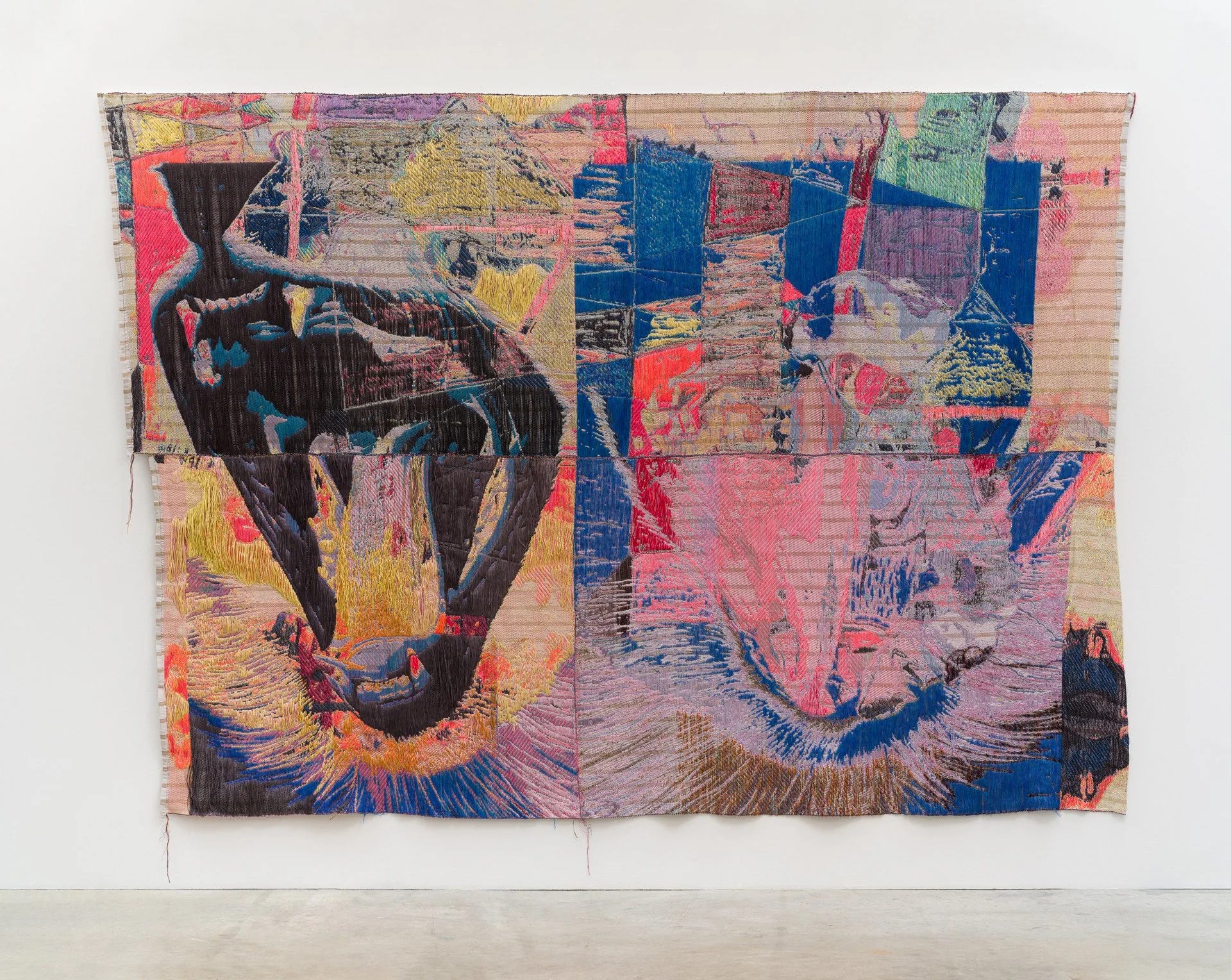
For other artists, texture and process are ways to connect artists physically to the landscapes they’re depicting. “My practice merges ancestral textile technologies with contemporary computational systems to create drawings, woven paintings, and installations; forms that operate as material artifacts, and techno-mystic interfaces,” writes Shelley Socolofsky. “Working at the intersection of craft, code, and cosmology, I consider hand work and weaving as a way to think, remember, and speculate.”
Perhaps the art itself is the landscape.
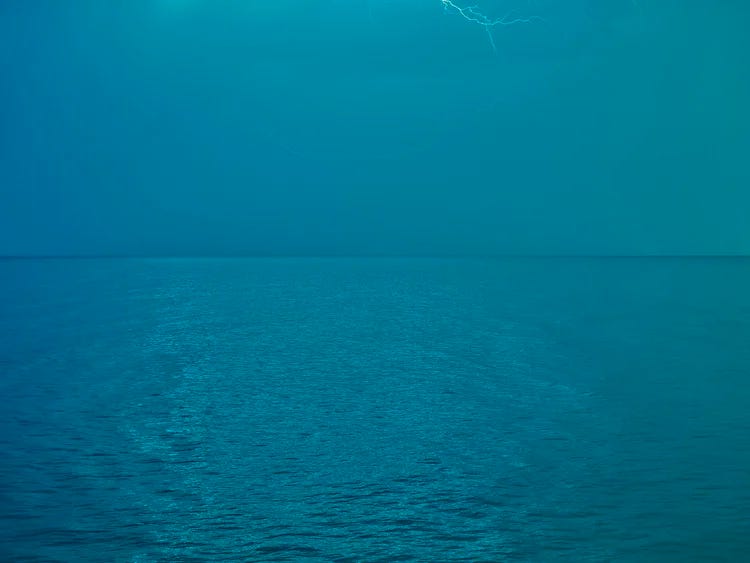
In this series, texture is depicted not only through three-dimensionality but also by drawing attention to the subtleties of the landscape itself. This is seen in Filippo Brancoli Pantera’s photograph, which forces us to look closely to distinguish the line between sea and sky, the only difference being a slight change in texture across an expanse of blue. Texture teaches us to look at the world around us, understanding the vastness through the nuances in feel and touch.

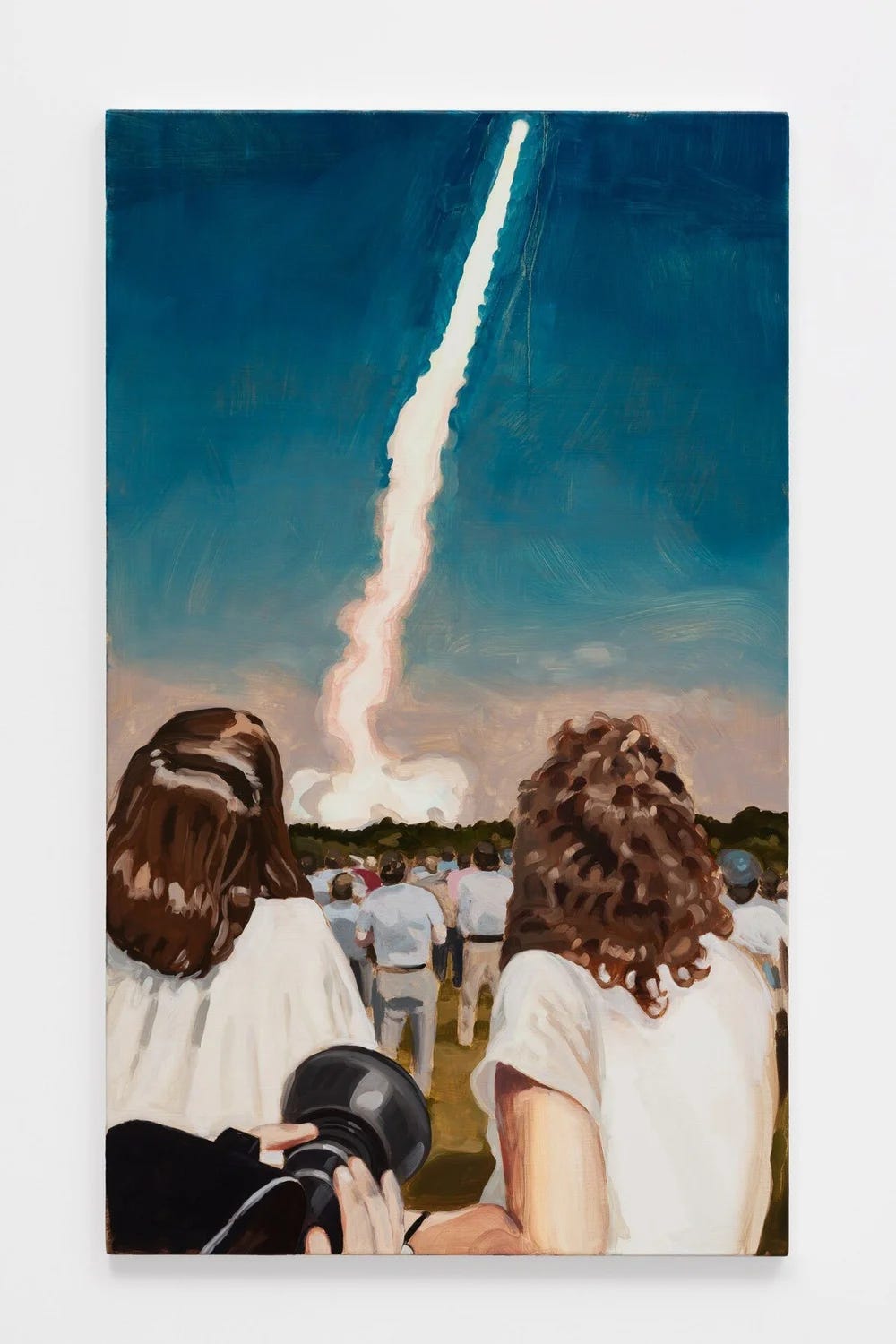
As I was going through the submissions for this exhibition, four astronauts were floating in space on a monumental trip to the moon. I watched interviews with them, with an endearing time-lapse that made it seem as if they were deeply thoughtful (I’m sure they are!). I saw photos they shared of the Earth surrounded by only blackness. I also couldn’t help but think of all the space tragedies, and had trouble concentrating until they were home safe.
What is our fascination with space? Can we really understand the gravity—some pun intended—of what it means to live on earth without seeing it from above? Is the globe the ultimate landscape?
These landscapes are imbued with equal parts anxiety and hope. They prominently feature the moon, sun, and planets—nudging us to understand our own magnitude within infinity.
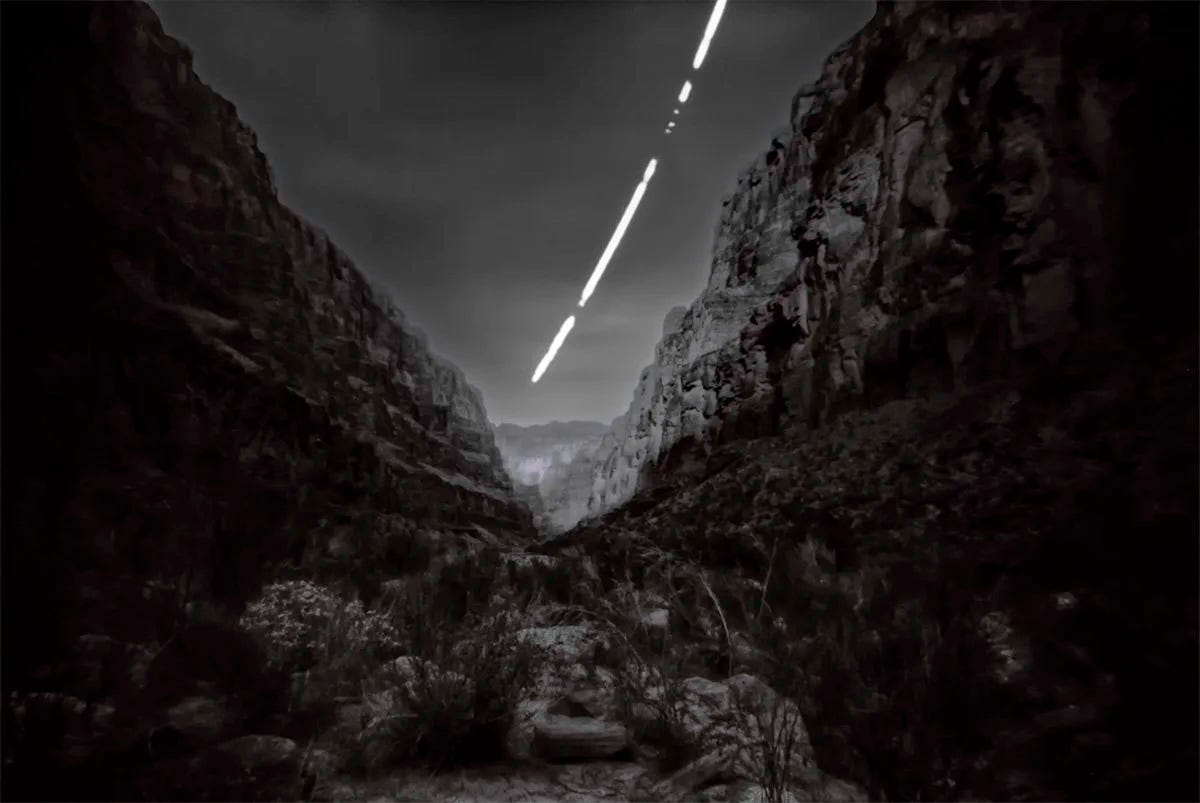
In his Moon Streak series, Robert Crifasi traces the moon, a task not without its challenges: “The greatest difficulty I face in creating these images is accessing the scene at the correct phase of the moon and being lucky enough to have a mostly cloudless sky. Consequently, this is an inherently slow photography process that produces only a few good images per year,” he states.
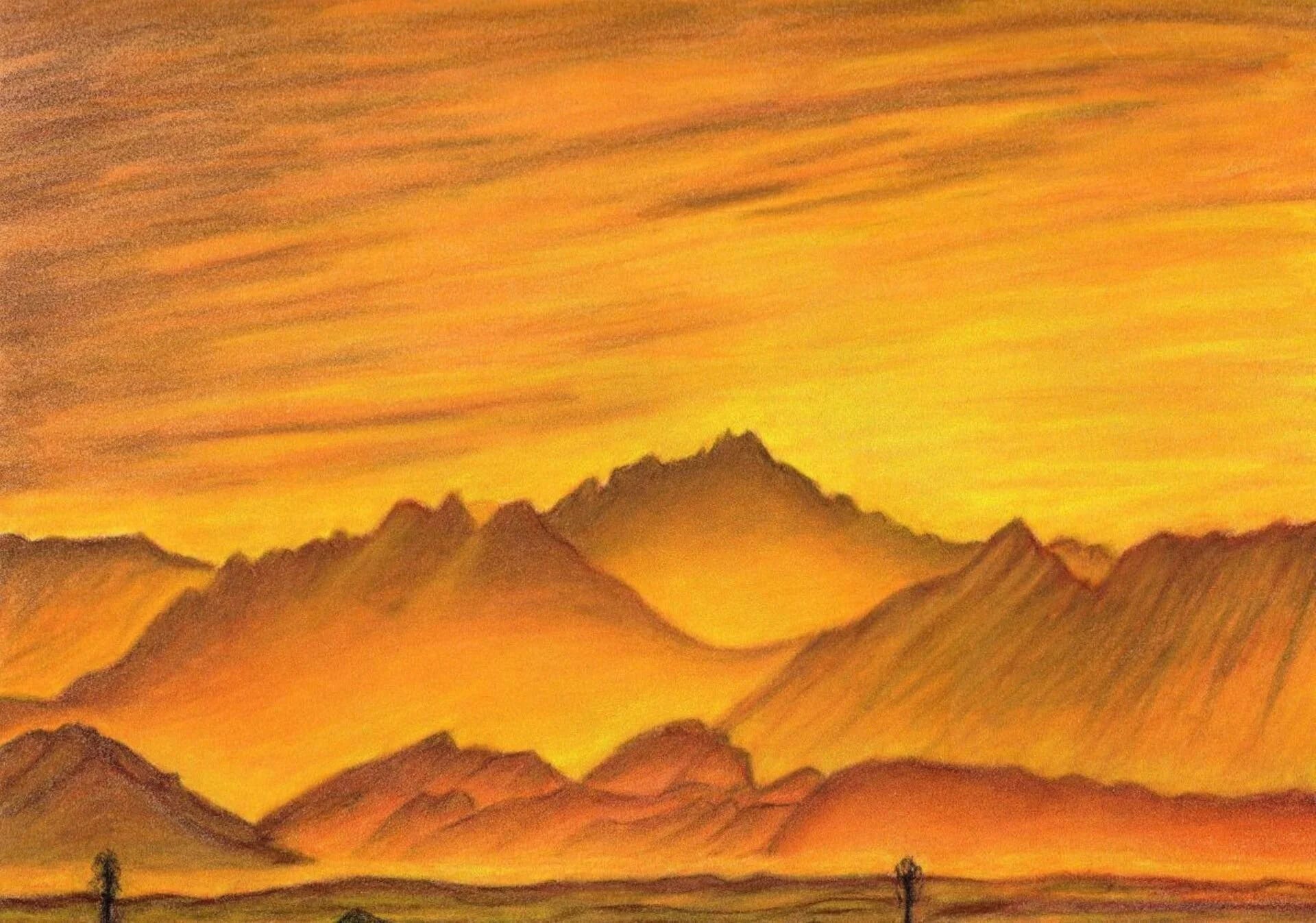
I’d like to admit that not all these works actually have anything to do with space. Take Cindy Cowley’s painting of the desert, for example. “The stunning Southwestern desert is nothing short of breathtaking. The captivating beauty of this landscape has deeply touched my heart and my life,” writes Cowley. Here, I let my imagination run wild. What if the Southwestern desert might actually be Mars? How beautiful is the world that a landscape can be so many things at once?

Comments
Nothing yet. Say the first thing.
Sign in to join the conversation.