
Being the official court painter to King Henry VIII of England eventually lead to a particularly unique role for Hans Holbein the Younger.
Of course, throughout his time in England, he was commissioned with all the usual projects one might expect for a royal artist; from portraits of the King himself, to decorative projects inside the Royal palaces, and sketches of many of the other most prominent individuals within the Tudor court.
But it was some time in late 1537 or early 1538 that Henry would summon his favourite artist with a highly unusual request.
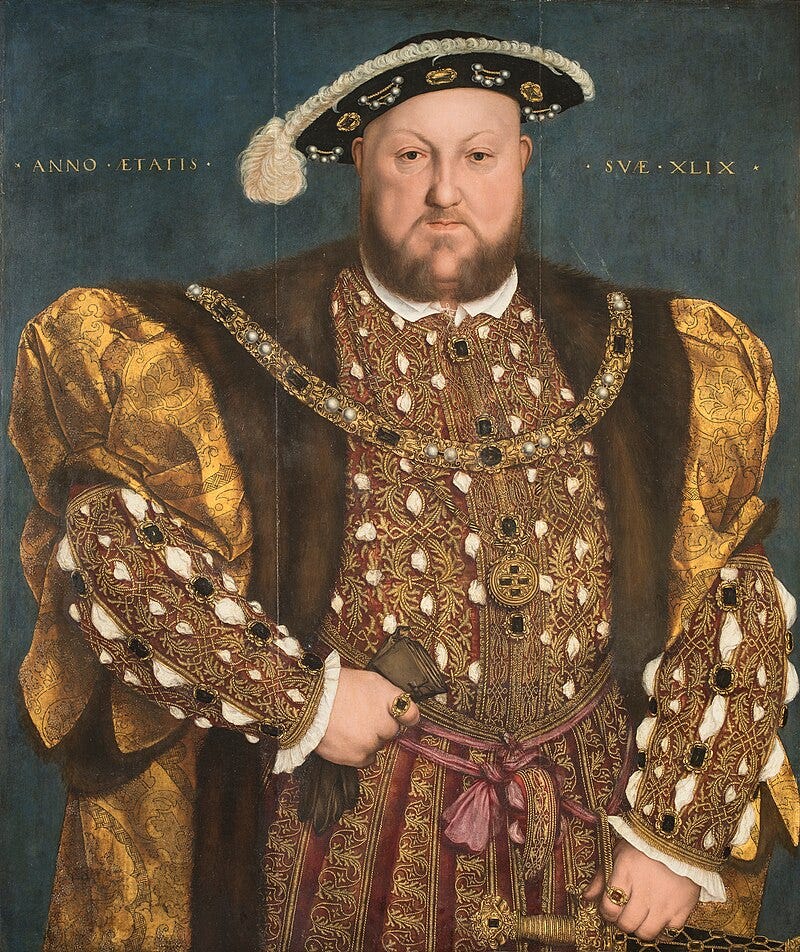
You see, the King was looking looking for a wife. . . or, more specifically, he was actually now looking for his fourth wife!
His first marriage had ended in divorce.
His second marriage ended with him ordering his Queen to be beheaded.
And his third marriage lasted only a year, before that Queen tragically died due to complications after childbirth.
So, with a track record like this - suffice to say, the aging, balding, and borderline obese Henry was not exactly an “eligible bachelor” by most standards.
But still, he was a King who needed a Queen. And this time, he was determined not to simply marry one of his mistresses (or, in the case of his first wife, marrying the woman who had originally been betrothed to his own brother)
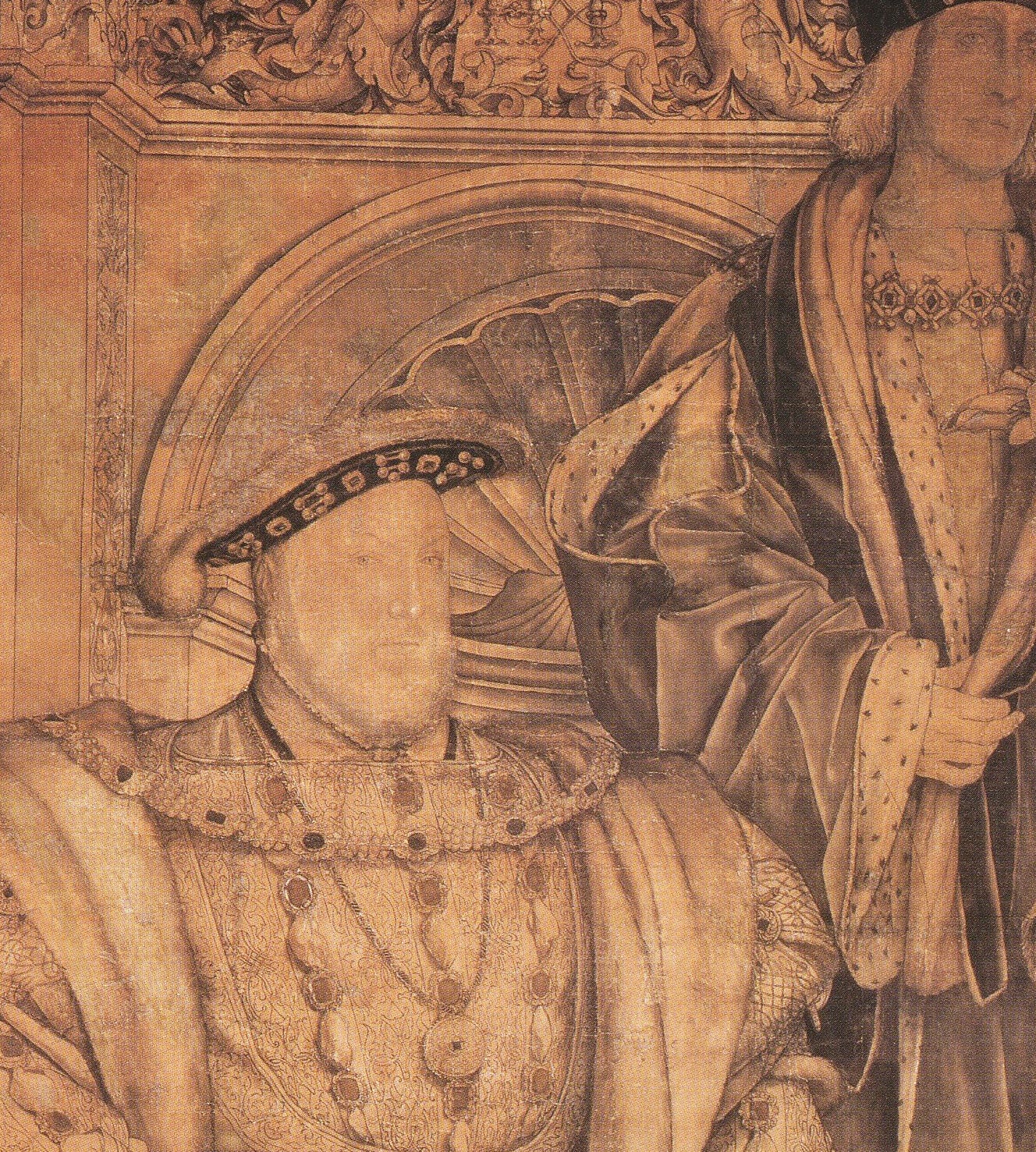
In fact, Henry was already quite set on the idea of marrying a woman from elsewhere in Europe . . . convinced by his ambassadors and royal visitors that there were a whole host of beautiful young ladies in Royal courts all over Europe who were just dying to meet him.
However, with long distance travel being too difficult for him due to poor physical condition - he knew that there would have to be some other way of judging who might really be beautiful enough to be his fourth Queen.
And this is when he decided to call for Hans Holbein!
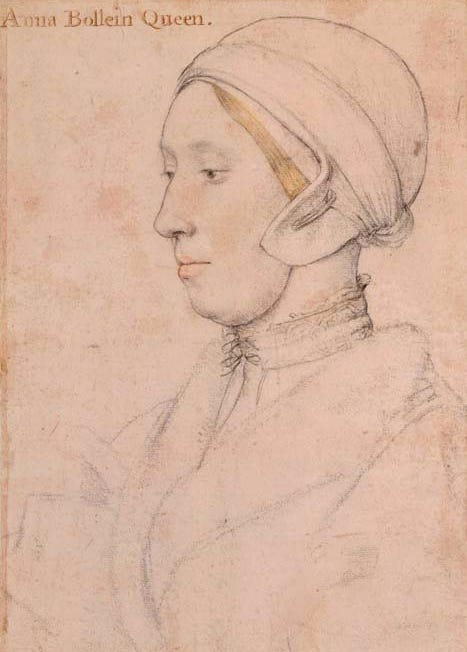
Henry knew that if there was anyone he could trust to capture someone’s physical likeness . . . Holbein was the man!
And so, instead of going to all the grand expense of inviting all these different women and their families to England in order to judge their suitability for marriage . . . Henry came up with the idea of simply sending Holbein out to meet them instead.
That way, the artist could travel Europe - paint their likenesses - send these images pack to England “at the greatest haste” - and, from there, the King could decide which of them he was most keen to actually invite over for an in person meeting.
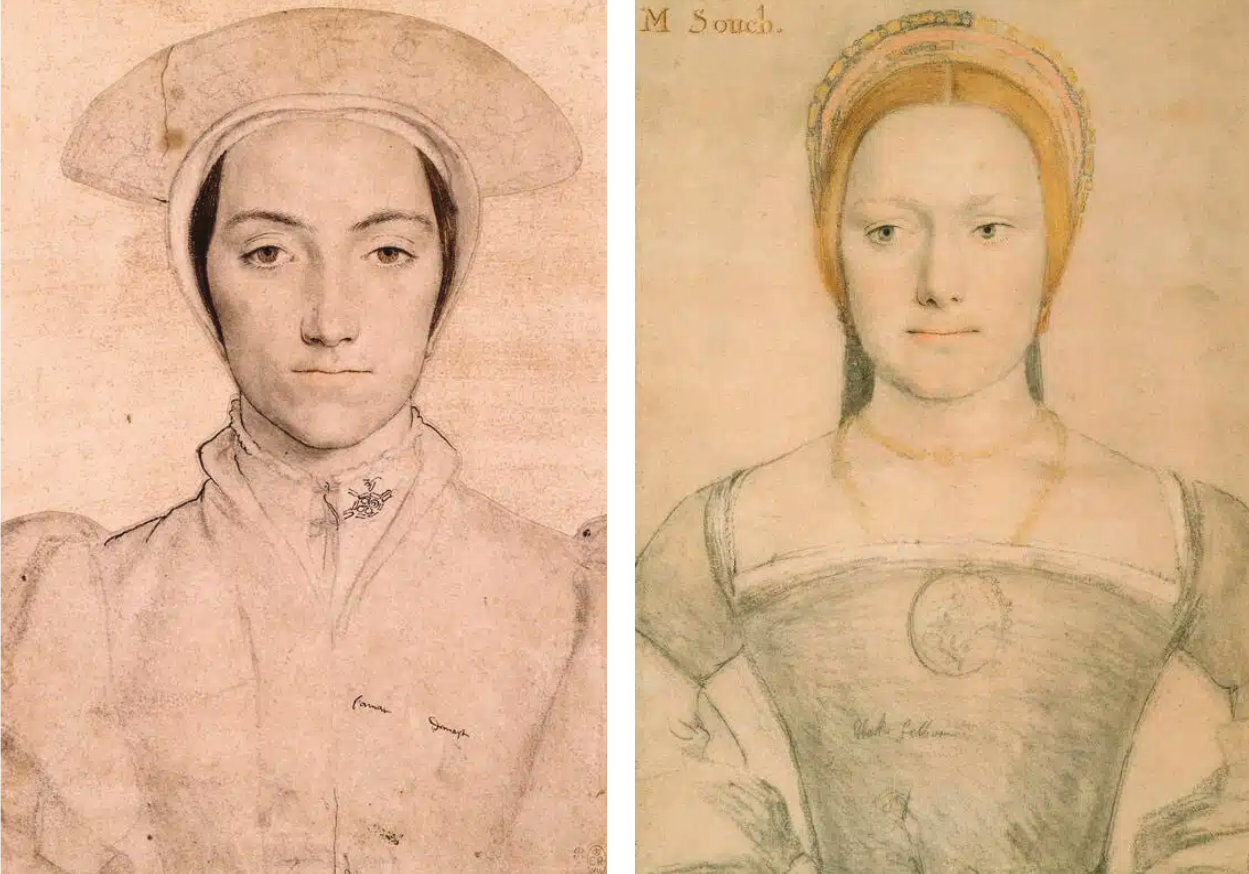
Now, of course, this is a stunningly insincere strategy for finding romance.(though perhaps no more so than the dating apps of our modern age)
But naturally, no-one was going to question the desire of the king.
Thus, Holbein was quickly sent off with his paints and brushes - and, over the coming months, spent his time moving from one royal court to another, making portraits of all the women on Henry’s list.
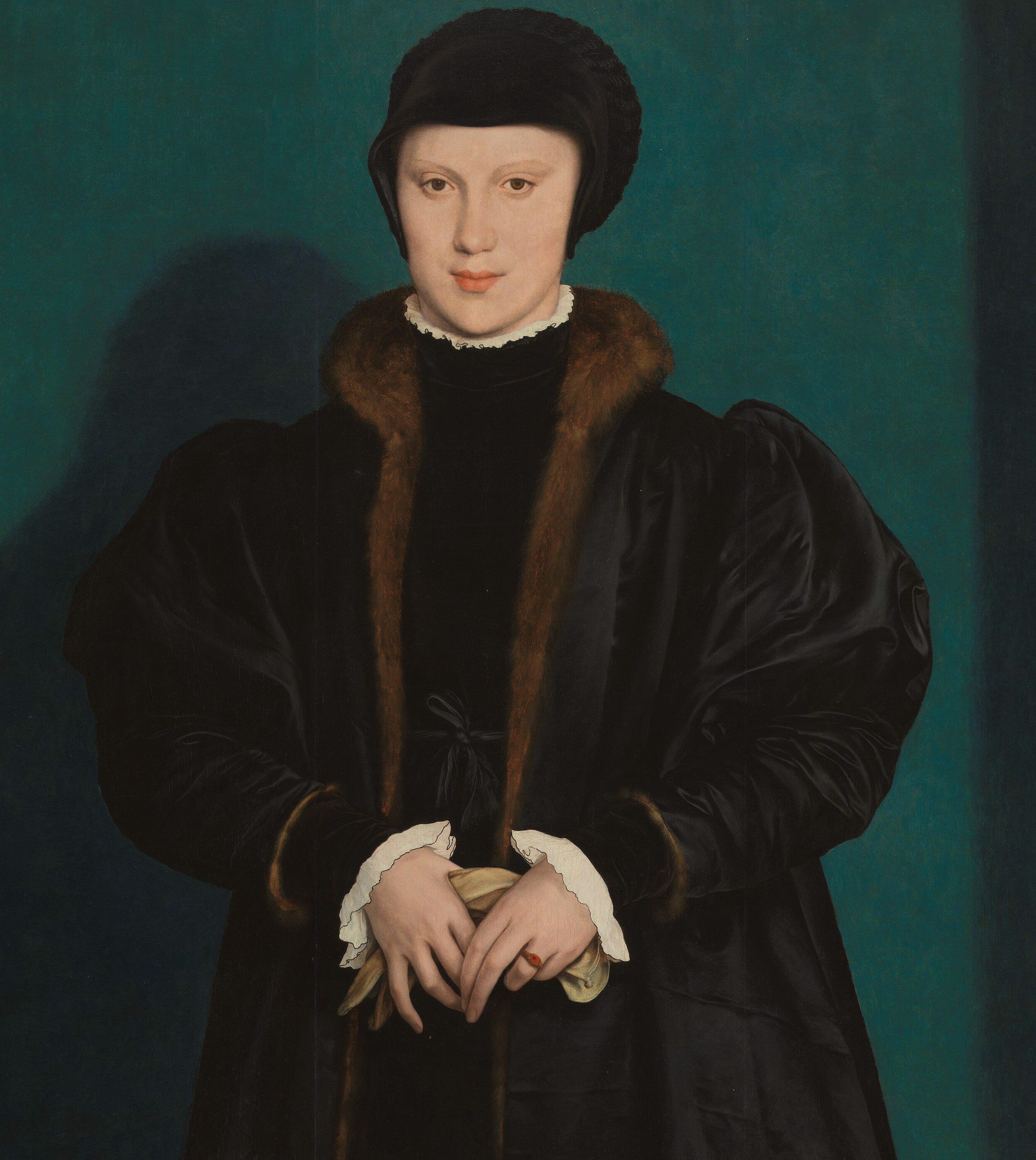
Among the most famous candidates was the young Christina of Denmark (seen in the painting above)
However due to a large age difference (and her knowledge of what had happened to three previous wives too), she politely declined the King’s invite to England.
So, after a little more searching, the next portrait that really enchanted Henry happened to be of another woman named Anne, who lived in the German town of Düren.
_
Thankfully, she was much more open to idea of marriage. And from here, it did not take very long for arrangements to be made for her visit to England, with her destiny to be the next Queen already pretty much secured.
But no sooner had Henry welcomed his new love to England, than the king realised he may have made an error.
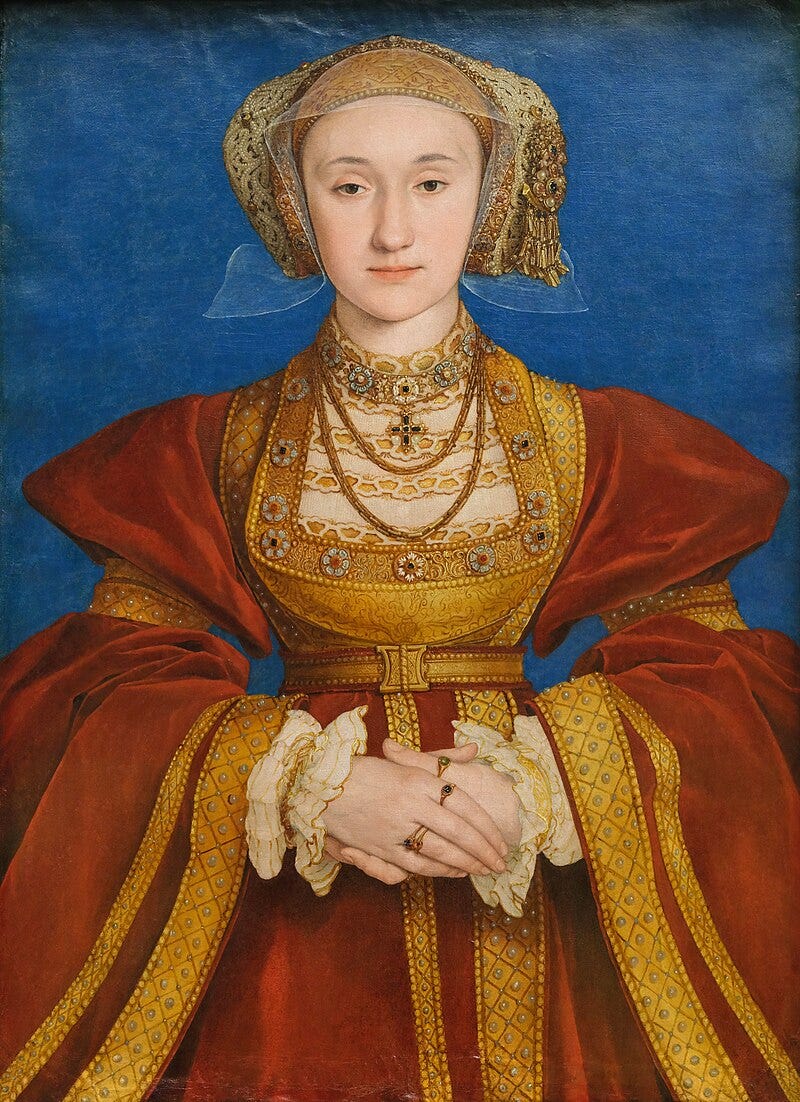
In short, Holbein’s painting captured a wonderful likeness of Anne . . . but, with all respect to her, he had perhaps been a little too generous in terms of her beauty.
And according to Henry’s first impressions after their initial meeting - he is said to have complained that she was “not as fair as she hath been reported”.
(Although, for a bit of balance- I have no doubt Anne herself might have felt something very similar on finally meeting the King too!)
_
So, I suppose the main lesson to learn here is that no-one is ever quite as beautiful as they might appear in a portrait.
And incidentally, while Henry did still press ahead with the marriage to Anne - suffice to say, it did not last very long.
The two of them exchanged vows on January 6th 1540 - but were finalising their divorce by July 12th of the same year!
After which, Henry began yet another search search for wife number 5 . . .
And then, two years later - after organising yet another beheading - for wife number 6!
Thank you for reading Art Every Day.
No posts
Comments
Nothing yet. Say the first thing.
Sign in to join the conversation.