
When I work with a larger brand, the onboarding usually includes a direction guide meant to last three to five years. It sets the vision every campaign is supposed to hold to. With one brand I received 3 of these in the span of 1.5 years, can you believe it? Each was send described as the long view, and each was replaced the moment it stopped matching what people wanted in that exact moment.
I’ve stopped considering that as a failure of planning, it’s the actual condition of the job. A campaign shot in March lands in September. A collection designed now reaches anyone in eight months. Whatever you make will enter a culture that has moved by the time it arrives, you are always directing for an audience that doesn’t exist yet.
That distance is the whole difficulty, and we mostly behave as though it isn’t there. We judge an idea by how the current audience responds, which feels like staying close to culture and is actually staying close to the past. A reaction tells you people recognised something. It can’t tell you whether you are looking at something new or something familiar wearing a new coat. So art directing for the reaction in front of you, the thing every feed trains you to do, is the one habit worth breaking.
This is what we are talking about today.
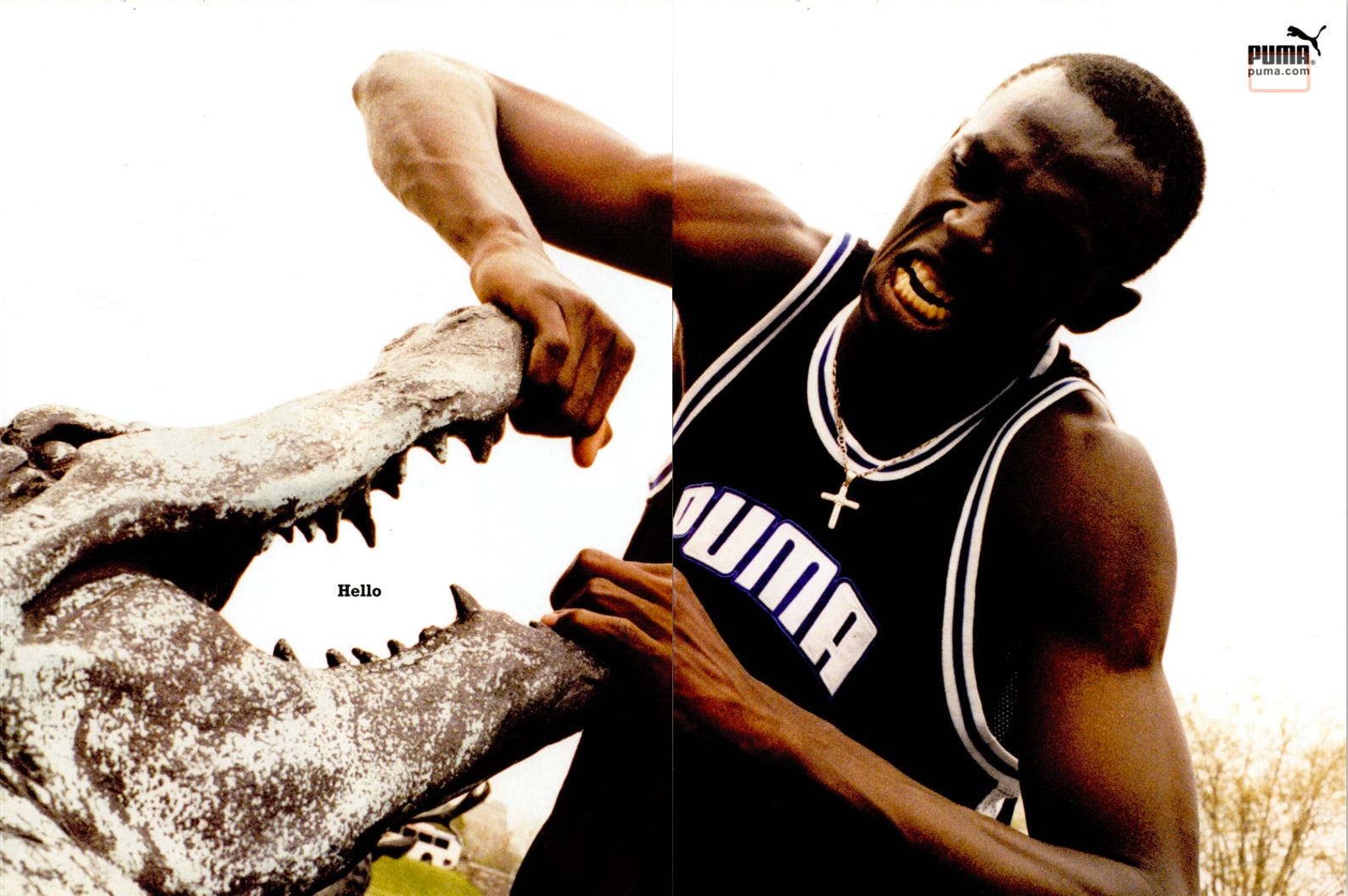
Nowhere is this clearer than on a moodboard. Every reference you pin is a small forecast, a bet that the thing will still feel right by the time the image or film gets published. A look starts appearing in your feed, then everywhere, and the sheer volume of it makes it feel current and like it is THE thing you want to act on. By the time you’ve built a shoot around it, the reference is spent. The image is published in a culture that has already seen it a 100 times, and recognition curdles into fatigue.
The cultural critic Raymond Williams gave me the distinction I use most to rationalise this. In his 1977 book Marxism and Literature he splits culture into layers that all run at once, and one of those splits does real work on a moodboard, the revived set against the surviving. The archaic is something recognised as belonging to the past and worn, on purpose, as period costume. The residual is something that never actually died and is still doing work in the present. On a moodboard they look identical, but in culture they behave in opposite ways. One is a costume you can date the moment it’s over and the other still has somewhere to go.
Most of what feels fresh is the dominant look refreshing itself, the same power in next season’s clothes. The residual is the one we should be chasing, but it is actually the hardest to see because it never shows up as ‘new.’
The reason we get this wrong is that familiarity feels like quality. When we respond well to something fast, it’s usually because it reminds us of something we already like. So work built for an immediate response tends to be built on resemblance, and it goes invisible the moment its moment passes. It was only ever legible as now, and now expires
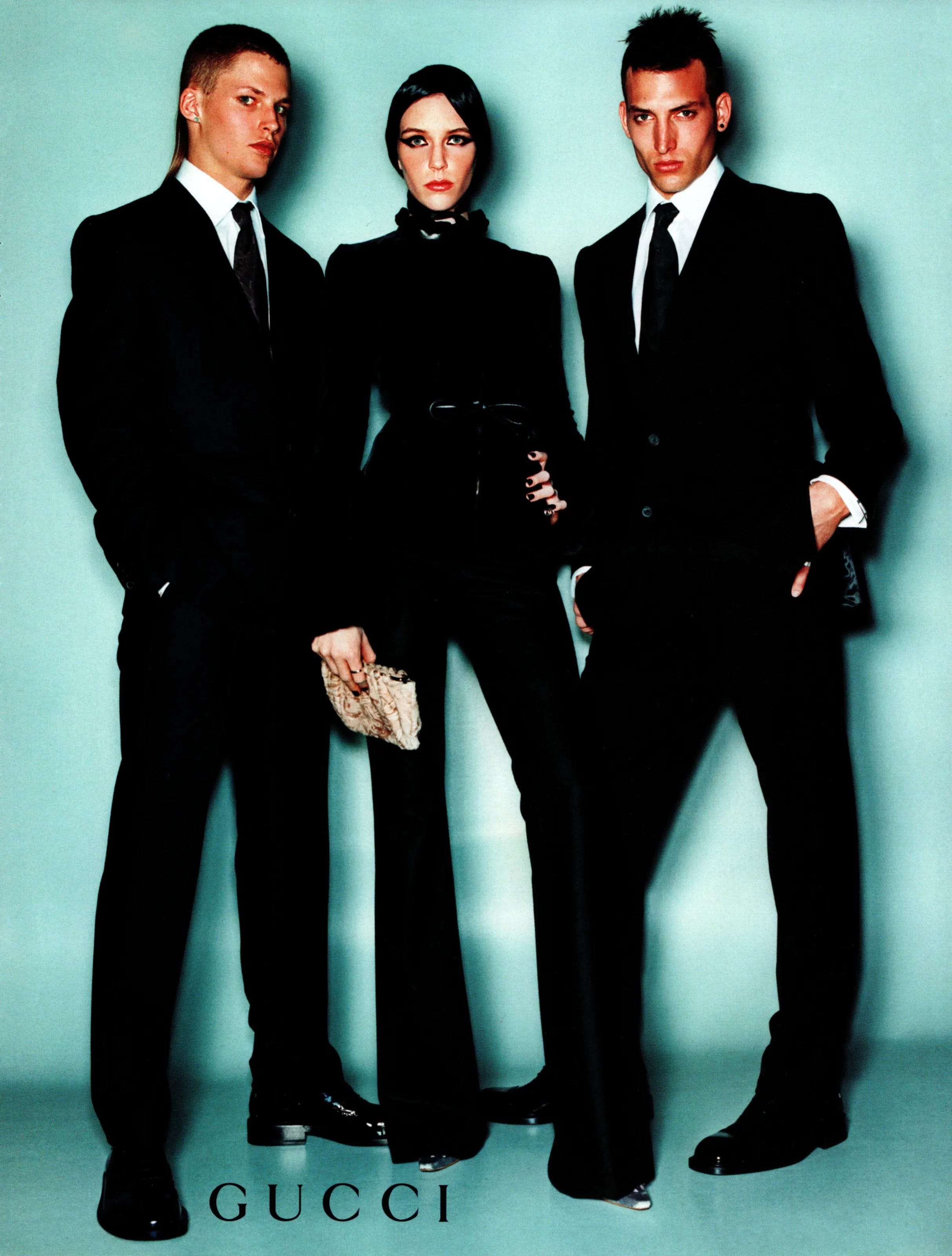
The clearest example of applause getting it wrong is a painter almost nobody thinks about now. It was Ernest Meissonier, who was the most celebrated painter in nineteenth-century France. Napoleon III paid sums for single canvases that ran to years of a worker’s wages. He was twice president of the Académie and the first artist given the Grand-Croix of the Légion d’honneur. Crowds around his paintings needed a policeman to manage them. He was as famous as Michael Jackson was!
Within a decade of his death his reputation was gone. The obsessive historical detail that had been the whole basis of his prestige became the reason to discard him, while the Impressionists he outsold and outranked now define the period.
He wasn’t wrong about his audience, he actually read it perfectly. That was the problem.
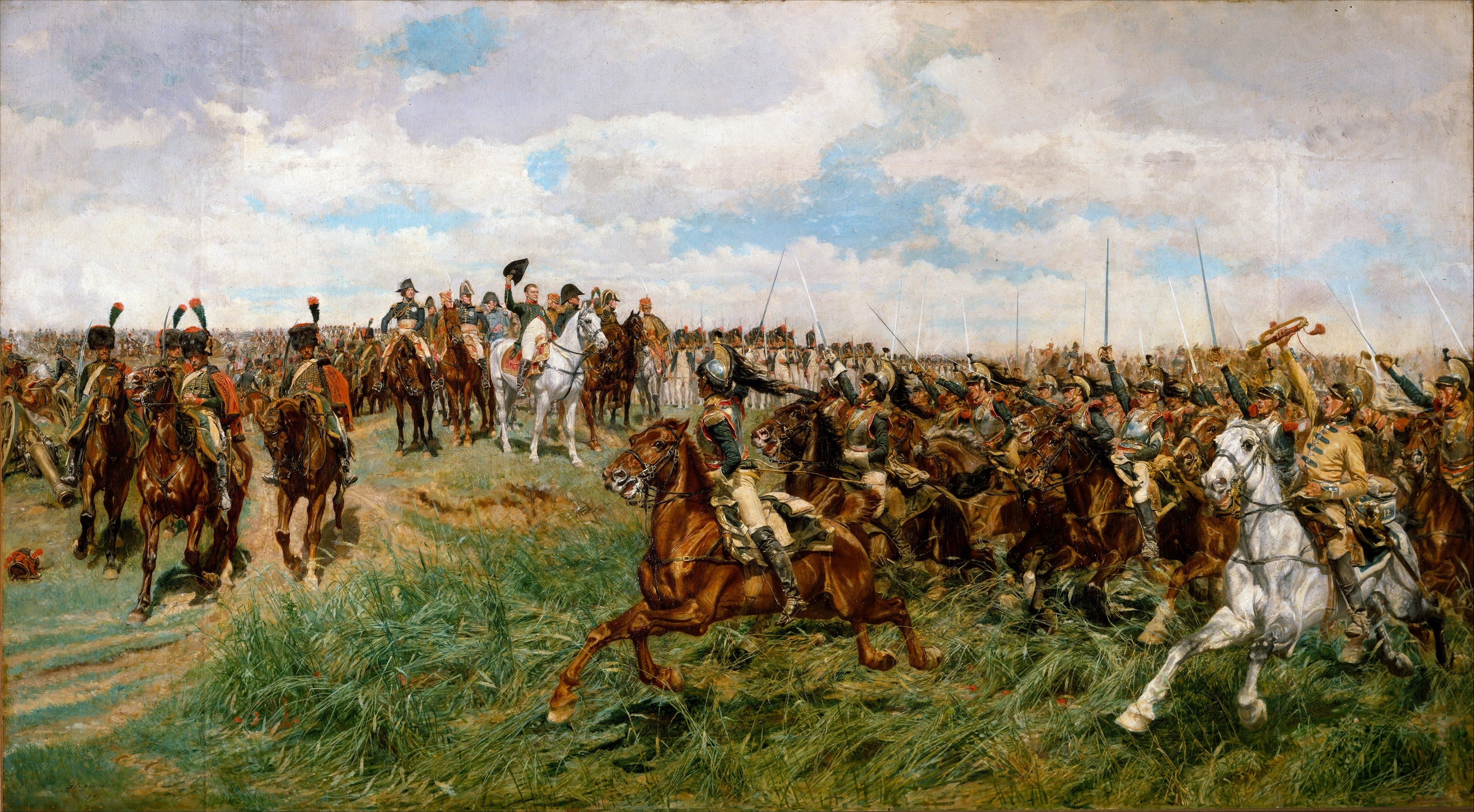
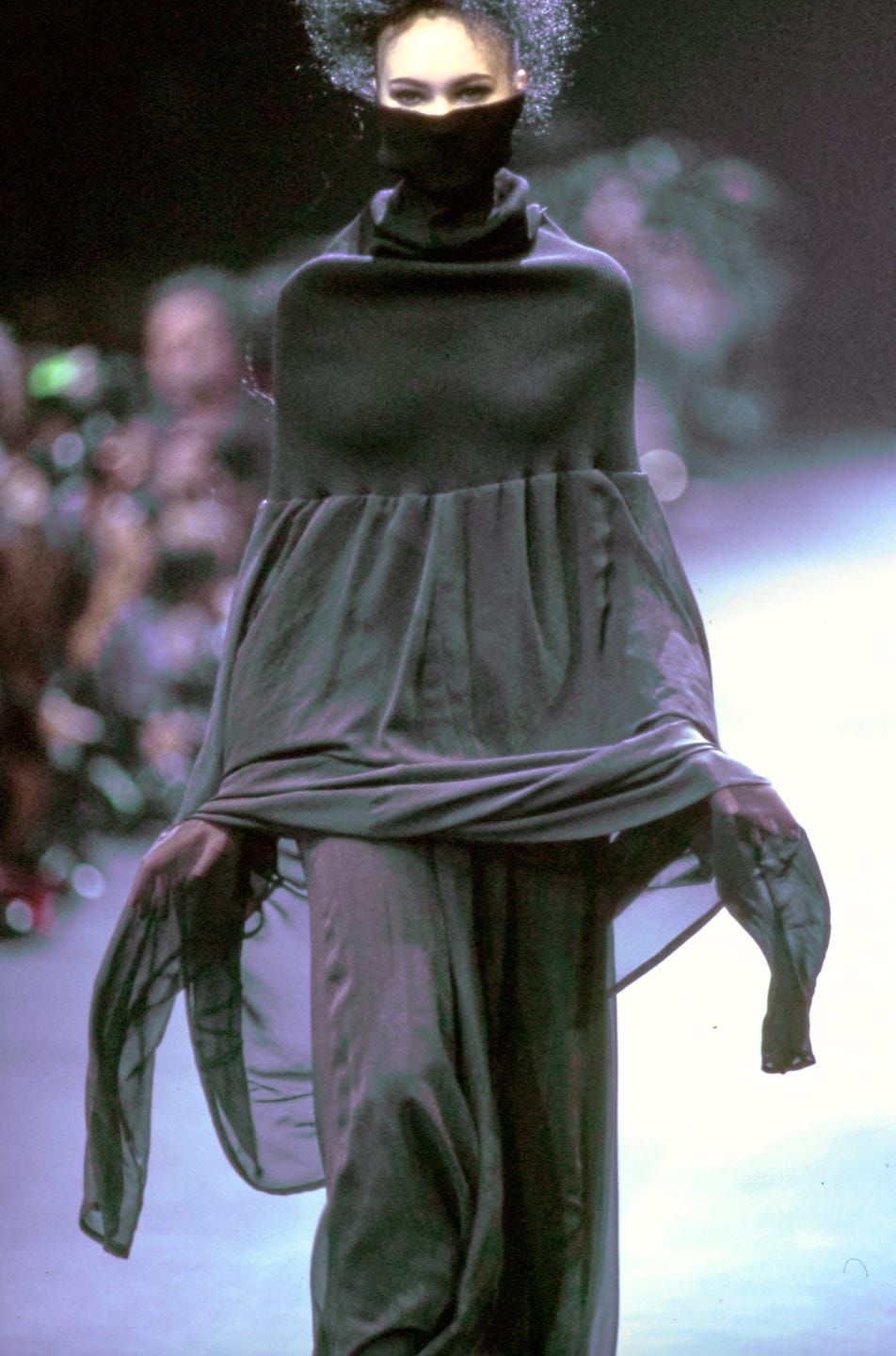
Fashion has its own version of this, but it’s interestingly told backwards. The Comme des Garçons debut in Paris in 1981 is remembered as a scandal, but the scandal came later. Rei Kawakubo’s first show was thinly attended and barely talked about in the press. The hostility, the bag-lady lines, arrived in 1982 and 1983, once the work was visible enough to be worth attacking. Indifference first, then hostility, then a monographic show at the Met in 2017. The phrase everyone quotes about that period, the one about Hiroshima, is the one that circulates with total confidence and no source I could ever find, which is its own small lesson about how this industry decides what it knows.
Indifference is the useful part and funne enough the immediate response didn’t even file the work as a thing worth an opinion.
.
You might think drops and see-now-buy-now solve this by closing the gap. Newsflash: They don’t! (They do add stress on creatives) A shorter gap doesn’t remove the forecast, it only shrinks the horizon, which makes today’s reaction feel safe to use as your instrument. All it really buys you is being wrong faster, with less time to notice.
As you know, I always like to add a little framework to my posts so I had to think of one of this one:
Ask what the image will look like in 18 months, out loud, before you commit to creating anything for a brand (or for yourself in that matter) Not whether it will perform, but simply if it will look dated. You don’t want to be too influenced by trends, that’s not creating from your heart.
Watch saturation, not necessarily the popularity. A reference appearing constantly is a reference whose window has already closed. It’s worth trusting if something turning up in 2 or 3 unconnected places. That’s a beginning and not yet the peak.
Sort your moodboard into 3. For each image, ask whether it’s the dominant look refreshing itself, a costume revival, or something residual that never left. Keep the residual.
Separate a flat response from an early one. They feel the same and need opposite reactions. The tell is who responded. If the eyes you trust most liked it and the wider response was quiet, you were early.
Directing for later means making work that underperforms on the day. Some of your best images will pass unnoticed at first, and you’ll have to hold your nerve while they do. The alternative has a shelf life of about a week, and a career built from it never accumulates, because every piece was made to be current, and current expires by definition. You must be in it for the long game to create a genuine body of work that you still feel proud of years later.
Love,
Zoë
Little house update: The ART DIRECTION chat is now open to everyone again! <3
Feel free to use this space for anything related to art direction or your creative career — whether you need help with something, want to connect with collaborators, ask for advice, exchange ideas, or share something you think could inspire or help others.
One small thing: please keep the chat promotion-free. That means no promoting recent Substack posts, asking people to subscribe, selling something, etc. I really want to keep this a space for genuine conversation and exchange rather than have it turn into a promotional or spam platform. Repeated self-promotion may therefore result in being removed from the chat.
I’ll also remove posts that are completely unrelated to art direction or creative careers, just to keep the space useful and relevant for everyone.
Hope you understand <3 Ultimately, I want this to be a genuinely helpful, generous and supportive community where everyone feels comfortable asking questions and sharing what they know.
Please be considerate of the ‘rules’, I really do want to keep this chat open but had to close it for only paid subscribers for a while because I was constantly monitoring spam..
Comments
Nothing yet. Say the first thing.
Sign in to join the conversation.