
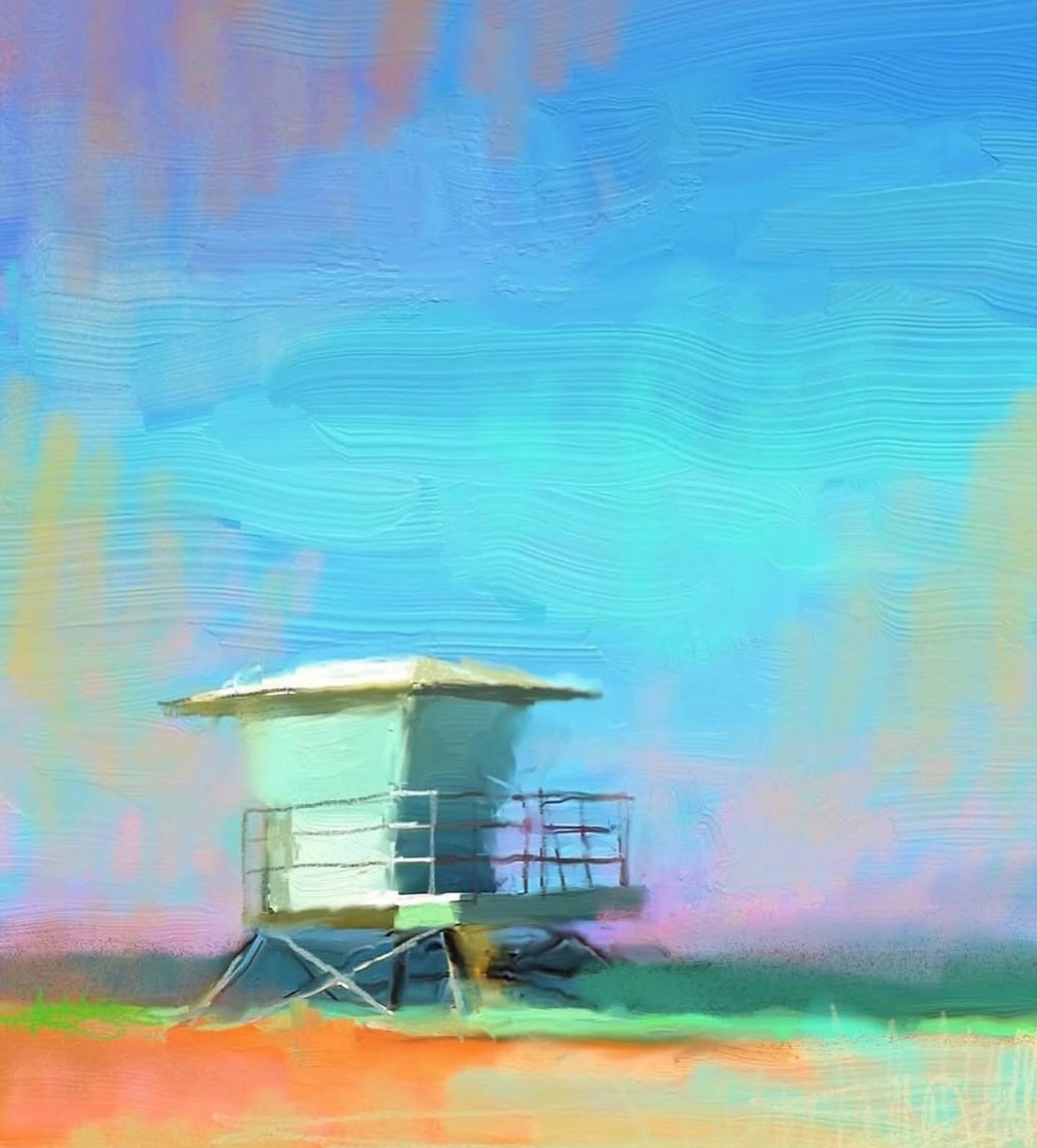
Andrew Faulkner is a contemporary landscape painter who describes himself as a “colorist”. For me, his wild approach to color aligns with Fauvism, the short-lived art explosion that dates from about 1905 to 1908.
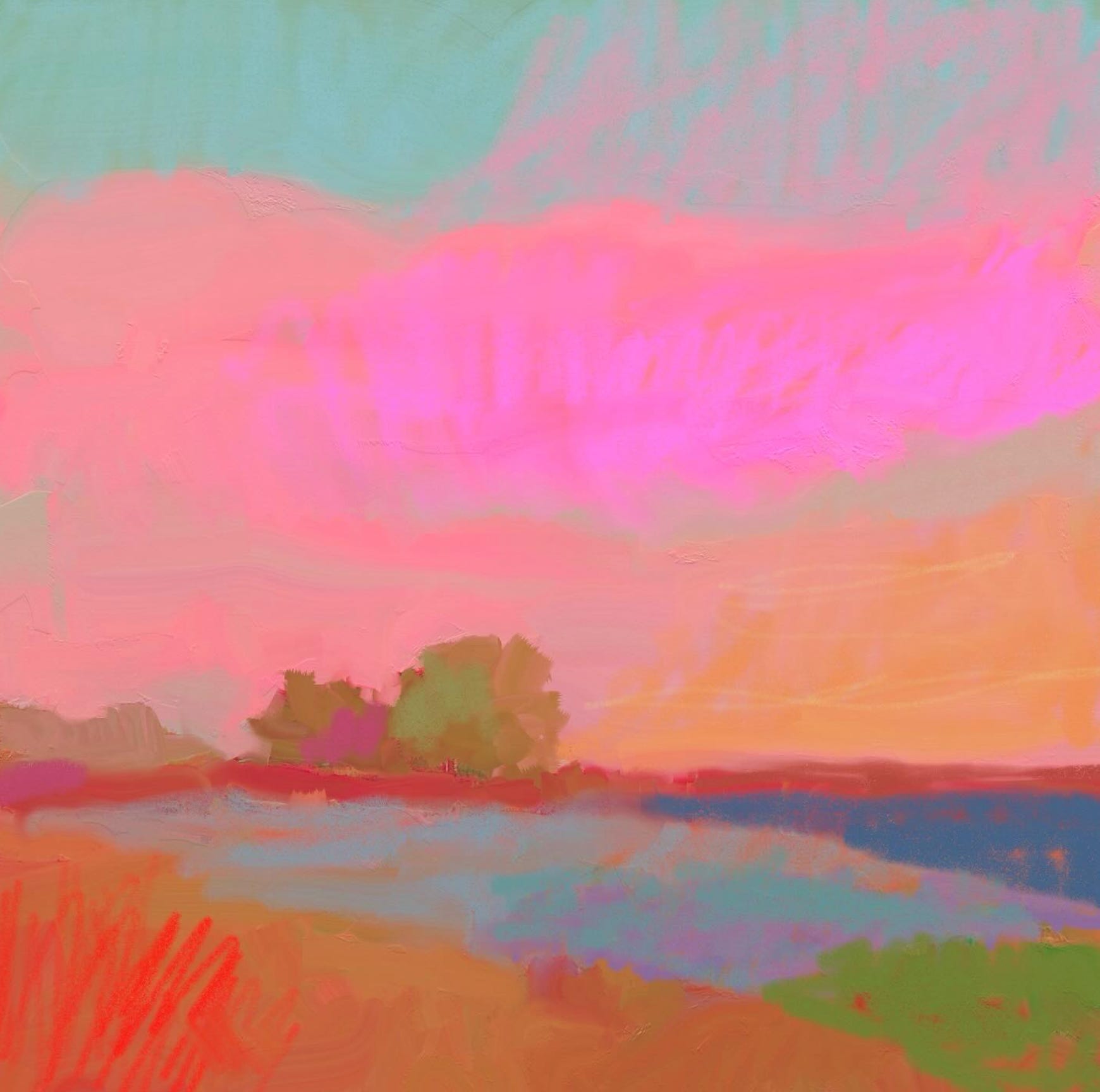
Faulkner comments about this painting on Instagram:
Tell me if I’m taking it too far. (And then I’ll know I’m on the right track 😂)

Henri Matisse, André Derain, and Maurice de Vlaminck were among the artists called “fauves” (wild beasts), and they were widely criticized.
Fauvism grew out of Post-Impressionism (Van Gogh) and Pointillism (Seurat). The leader of the movement was Matisse.
But Andrew Faulkner also credits these contemporary artists for his outrageous color expression:
Wolf Kahn, David Hockney (my hero) and the king of wild color, Richard Mayhew!
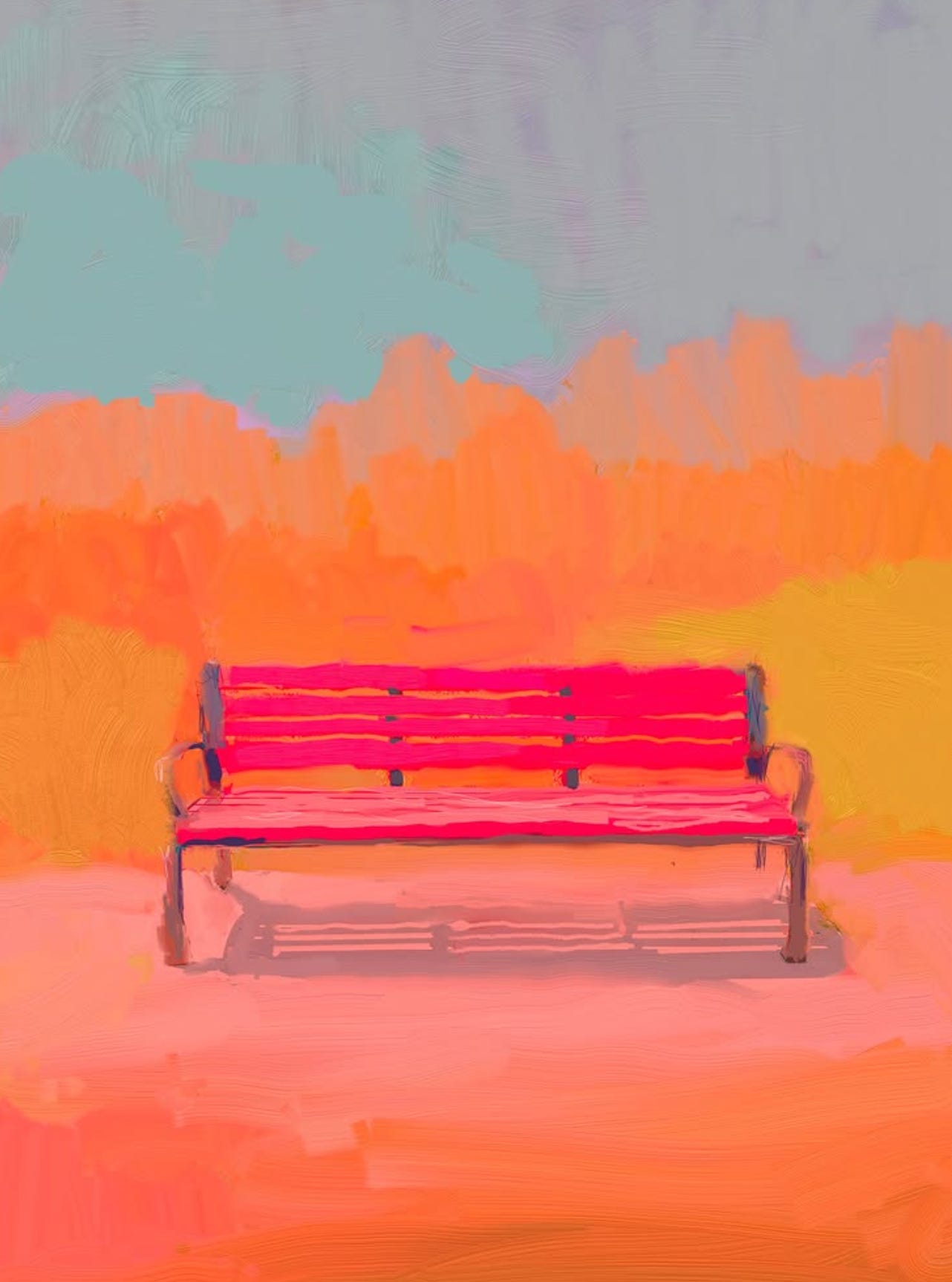
Faulkner writes about this painting (above) on Instagram:
A simple bench in a quiet park inspired me to go a little wild with the color.
The actual bench was brown.
We fixed that.
In a Fauvist painting, color is vivid and pure, and it provokes an electric shock in the viewer. The original Fauvists used wide, flat areas of bright, often unnatural colors, and their subject matter was highly simplified, verging on abstraction.
The term “Fauvism”, from the French “wild beast”, is attributed to the art critic Louis Vauxcelles, who wrote about a sculpture that was in a room where Matisse and Derain were exhibiting.
In the center of the room, a child’s torso and a small marble bust of Albert Marque, who models with a delicate science. The candor of these busts surprises in the middle of the orgy of pure tones: Donatello among the wild beasts“.
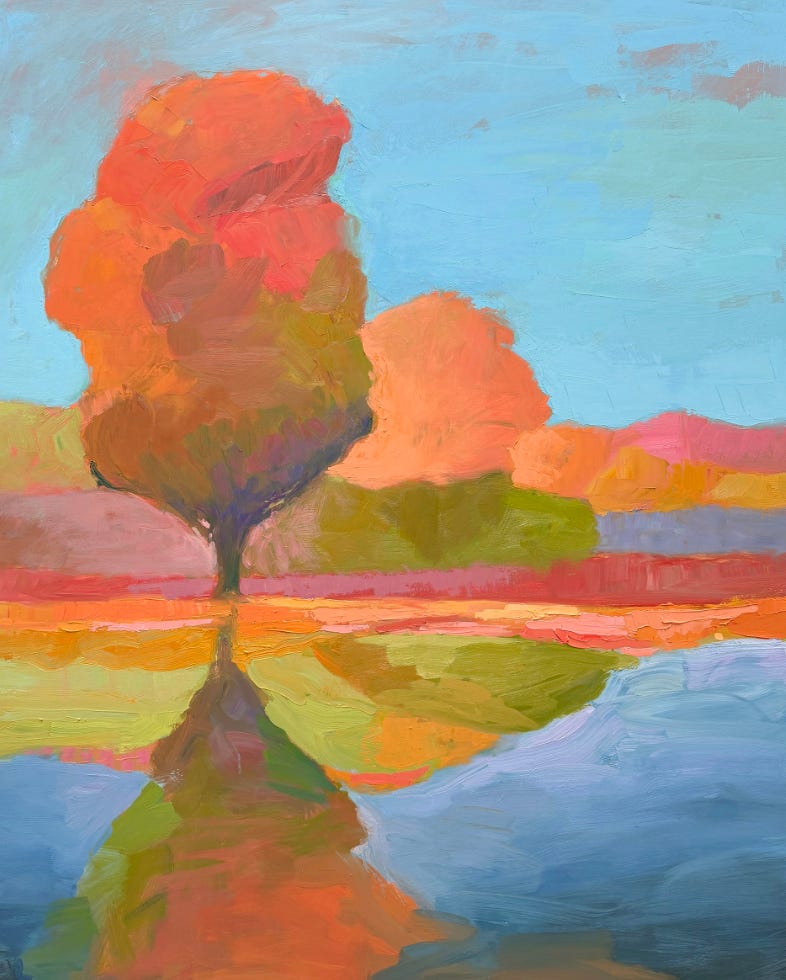
Faulkner writes:
A reflection on color, atmosphere, and the way a landscape can dissolve into pure paint when you get close.
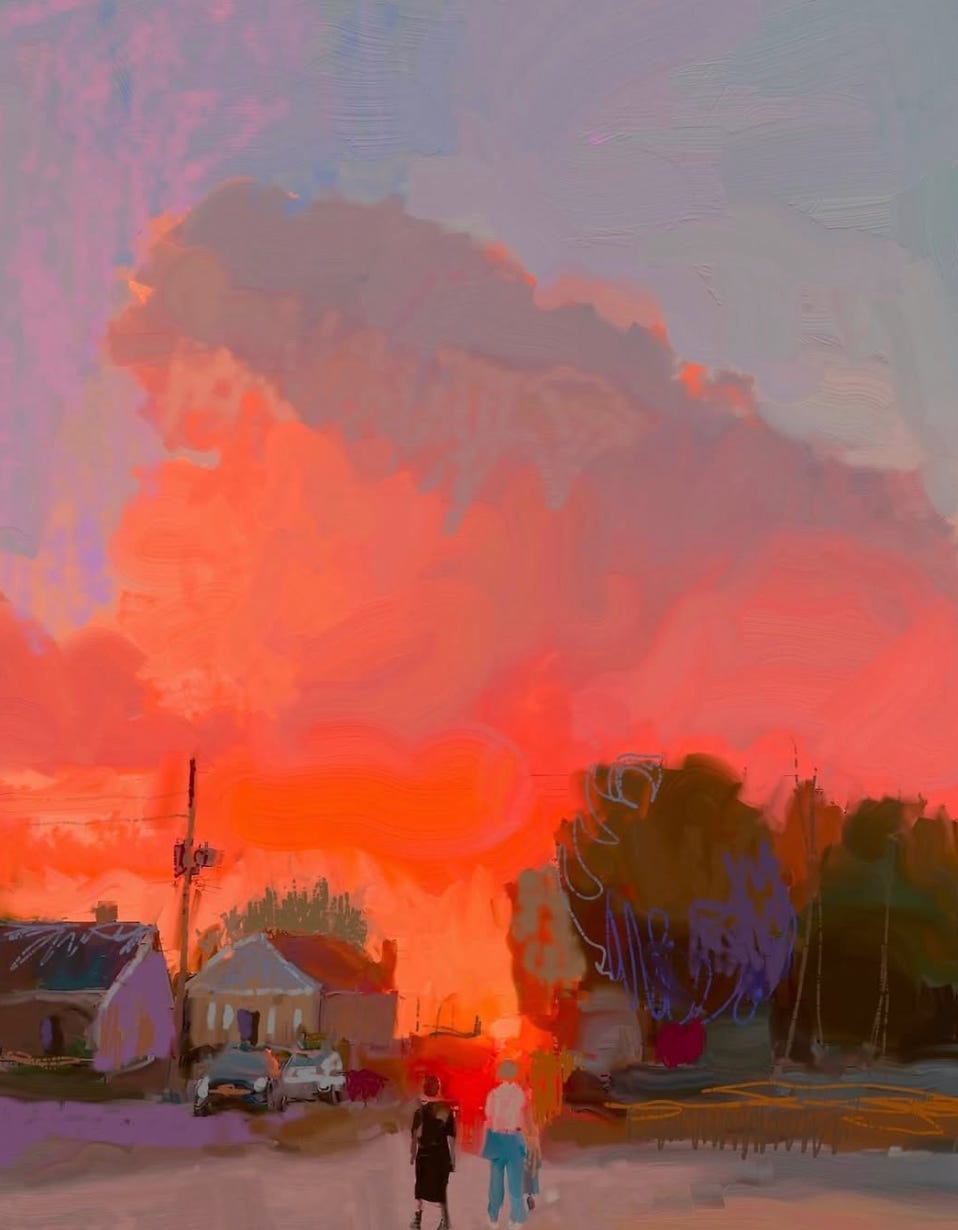
Faulkner works mainly in oil and digital media
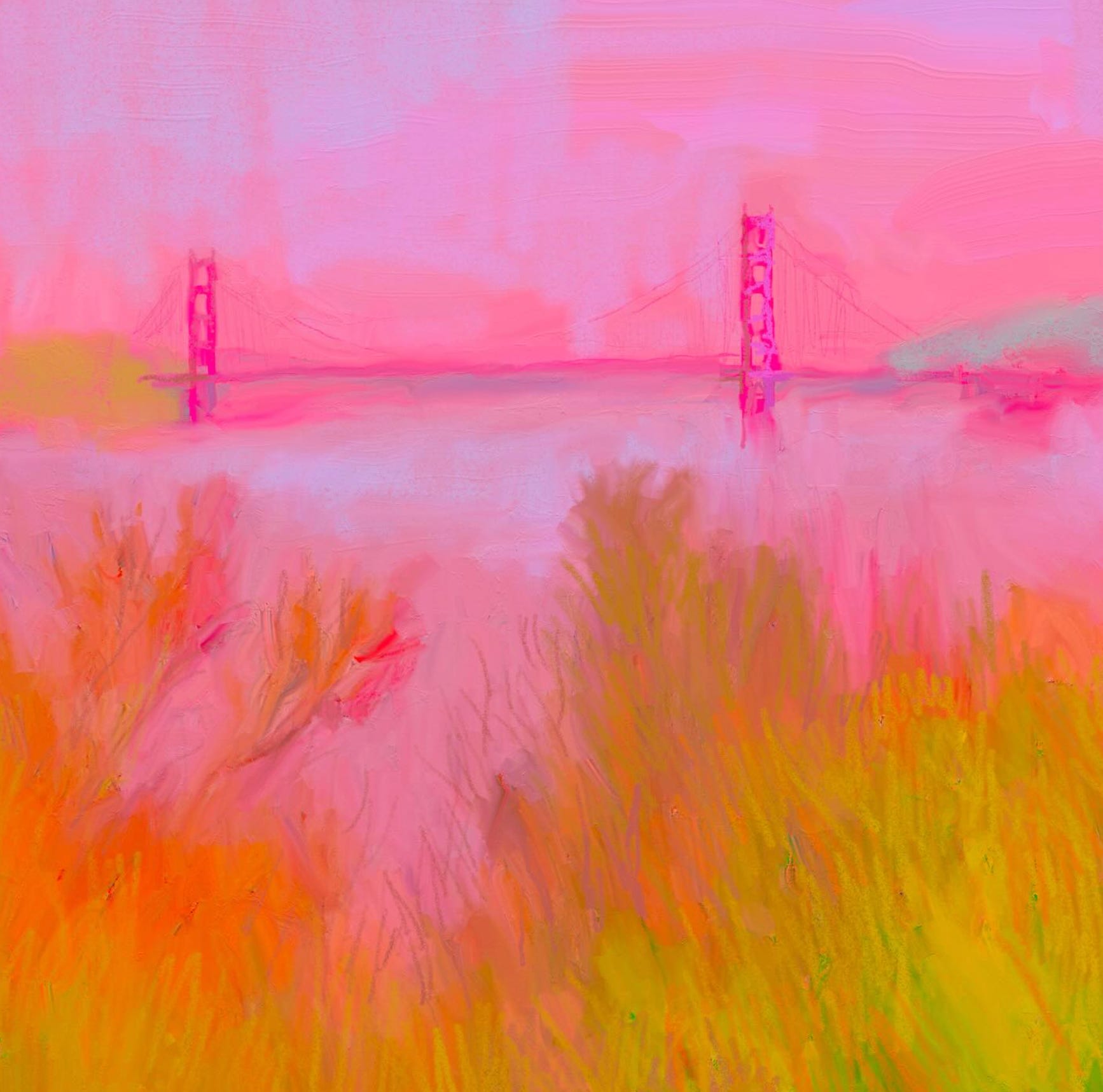
Yes, it’s the Golden Gate Bridge, but Faulkner writes on Instagram:
Walking along a golf course in San Francisco, I caught this view of the bridge and wondered how it might look through my ‘Electric Light’ palette. Thinking of calling it ‘Magenta Gate.’
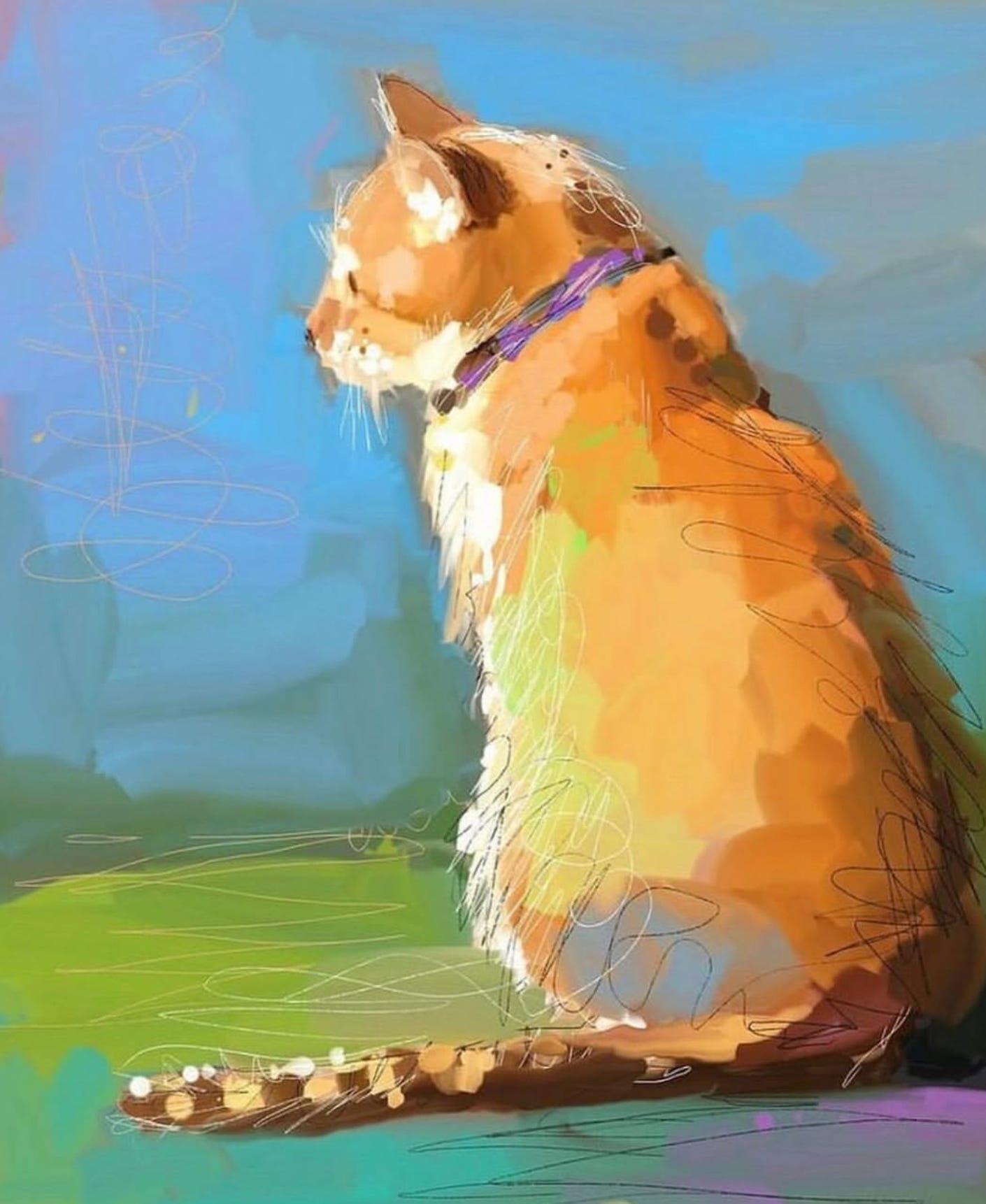
A memorial to Faulkner’s deceased cat:
After 22 wonderful years we had to say goodbye to our sweet orange tabby, Lily, today. 😔 August 9, 2024
By 1908, most of the main artists had moved away from the expressive nature of Fauvism. With the work of Paul Cézanne came a renewed focus on a more analytical approach.
Georges Braque abandoned Fauvism and, along with Pablo Picasso, invented Cubism. But Matisse continued his use of Fauvist principles for the rest of his career.
And many painters of our day prioritize color and shape, whether or not they adopt the label “Fauvist.”
Andrew Faulkner exhibits widely and is a beloved teacher and workshop leader. I’ve shared just a tiny taste of the breadth of his work. See much more:
I’ve been working to get my chops back for self-portraits. Here’s an egg tempera self-portrait in different stages: I think it is too dark now - I need to build up some highlights. What do you think?


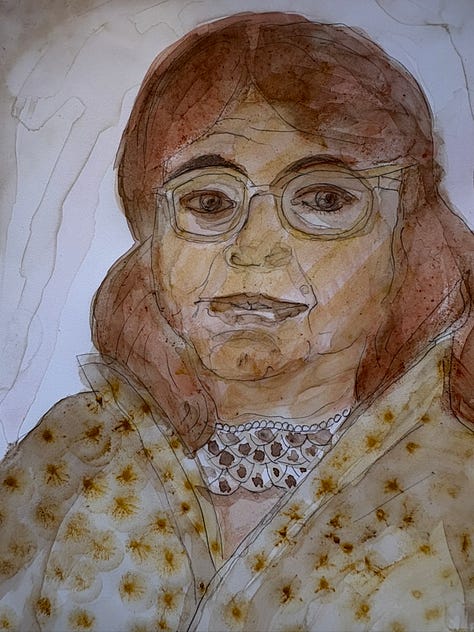


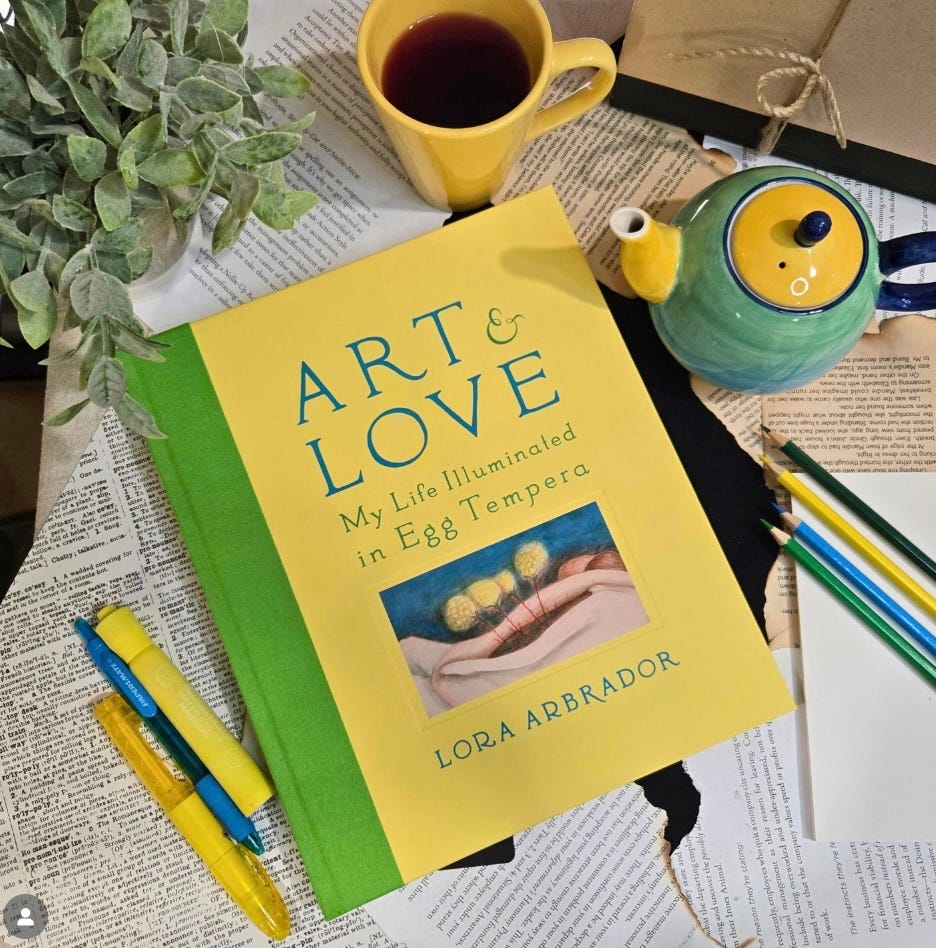
I was delighted to join an art book club based in Santa Fe, New Mexico. They chose Art & Love for their May book selection. One member demonstrated the egg tempera technique, and the group asked many questions. It was fun!
If you have a book club that might be interested in Art & Love, I’d be honored to participate in person or online.
You can buy Art & Love on my website or order it at any independent bookstore, Bookshop.org or Amazon. It’s available as an ebook, paperback, coffee-table hardcover and audiobook.
You can read some of the reviews on Amazon, and if you’re inspired to write one, I would so appreciate it.
It’s also available on Libby, Hoopla (audiobook) and the San Francisco Public Library.
Catch Amos at the Union Street Fair on June 6th and 7th. He designed the poster!
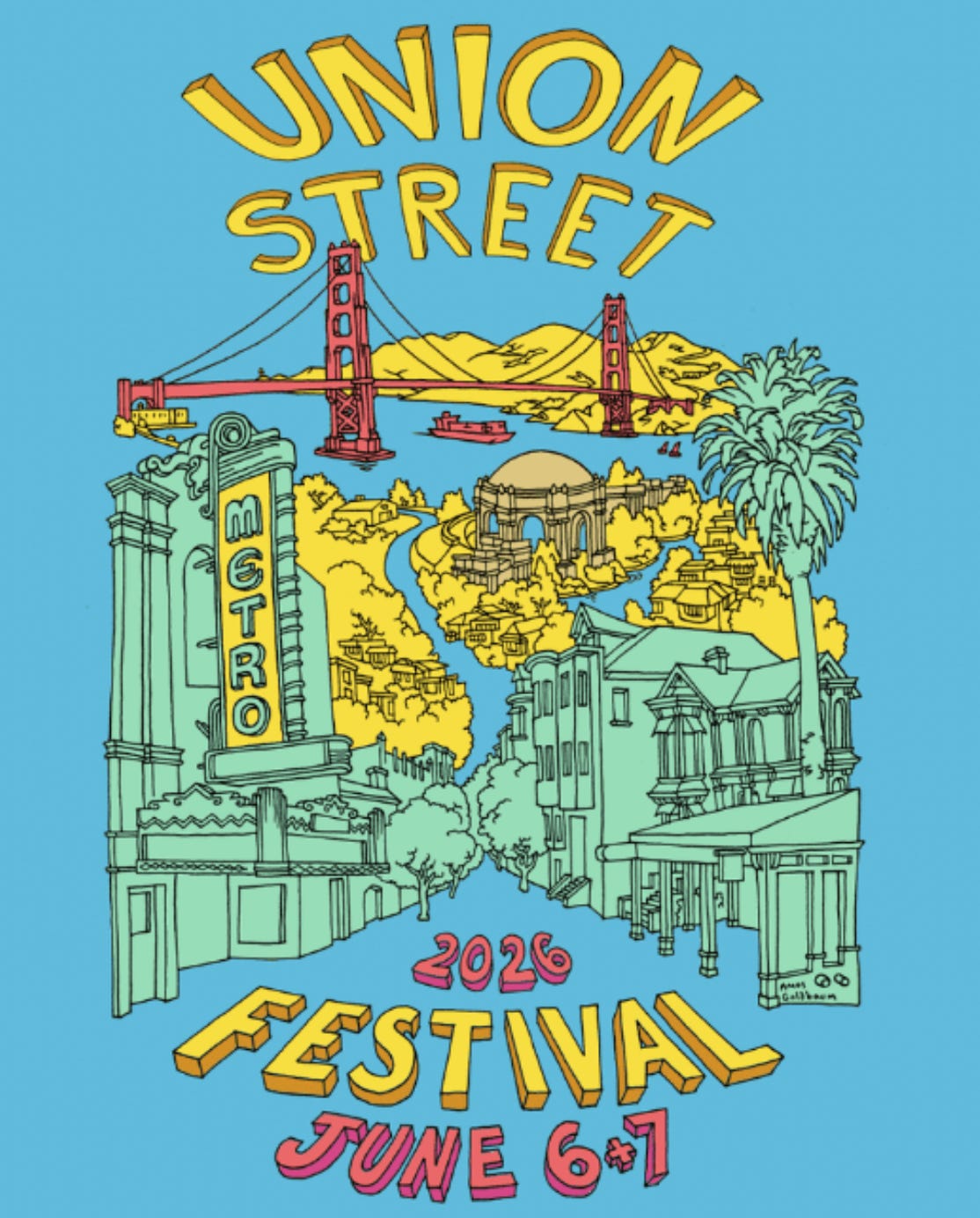
The 48th annual Union Street Festival takes over Union Street from Fillmore to Gough on June 6 and 7, 11 AM to 7 PM. Two days of local makers, Bay Area food vendors, craft brews from Fort Point and beyond, live music, dancing, and the iconic Waiters Race on Sunday at 12 PM. Free and fun for all ages.
“Bewitched, Bothered and Bewildered” It’s the closest song I could find that references “wild”: “I’m wild again…beguiled again…”. It was written in 1940 by Richard Rodgers (music) and Lorenz Hart (lyrics). I love this Linda Ronstadt version.
Do you have a friend who might enjoy Art Blotter Plus?
I love reading your comments - if you click on “leave a comment,” others can read and respond to your comment. But replying to this email is great too!
NOTE
The Great American Songbook is not an actual book — it’s the body of popular songs from the 1920s through the 1950s, written for Broadway and Hollywood.
Comments
Nothing yet. Say the first thing.
Sign in to join the conversation.