
Hi Everyone,
Welcome back to The Art & Artists Report.
Thank you all so much for subscribing and for your great feedback on the last two weeks’ posts (on books and institutions).
Before we get into this week’s subject—content—just a reminder that this project is self-supported. If you like what you are reading, please consider a paid subscription or become a Founding Member.
Now onto the third question of the survey:
“Name 2-3 important topics of art content that are compulsory to know about in the contemporary art world right now and which you believe will be relevant in 5-10 years.”
You might recall that over the past few weeks, there has been increasing consensus in respondents’ answers. There was little consensus regarding book recommendations and more regarding institutions. This week, there is even further agreement about the contemporary art world’s most important topics.
A few reflections on this question before I share the results…
First off, I think I influenced the results. After I asked the above question, I provided three examples that I assumed would be popular. I wrote: “(e.g., LGBTQIA+ awareness and rights, Climate Change, Artificial Intelligence (AI)).” And these three examples just happened to become the most-picked options. This may just be the reality—that my examples evinced larger art world trends—but I probably shouldn’t have provided a leading question.
Secondly, these answers were provided in the late summer and early fall of last year—before the U.S. Presidential election. It’s possible that responses may have shifted with the knowledge that Donald Trump would be our next President.
The following were the most frequent topics chosen (and the number of times they were mentioned is in parentheses). Again, these are not big surprises, as they are arguably among the top issues in U.S. news today:
AI (20)
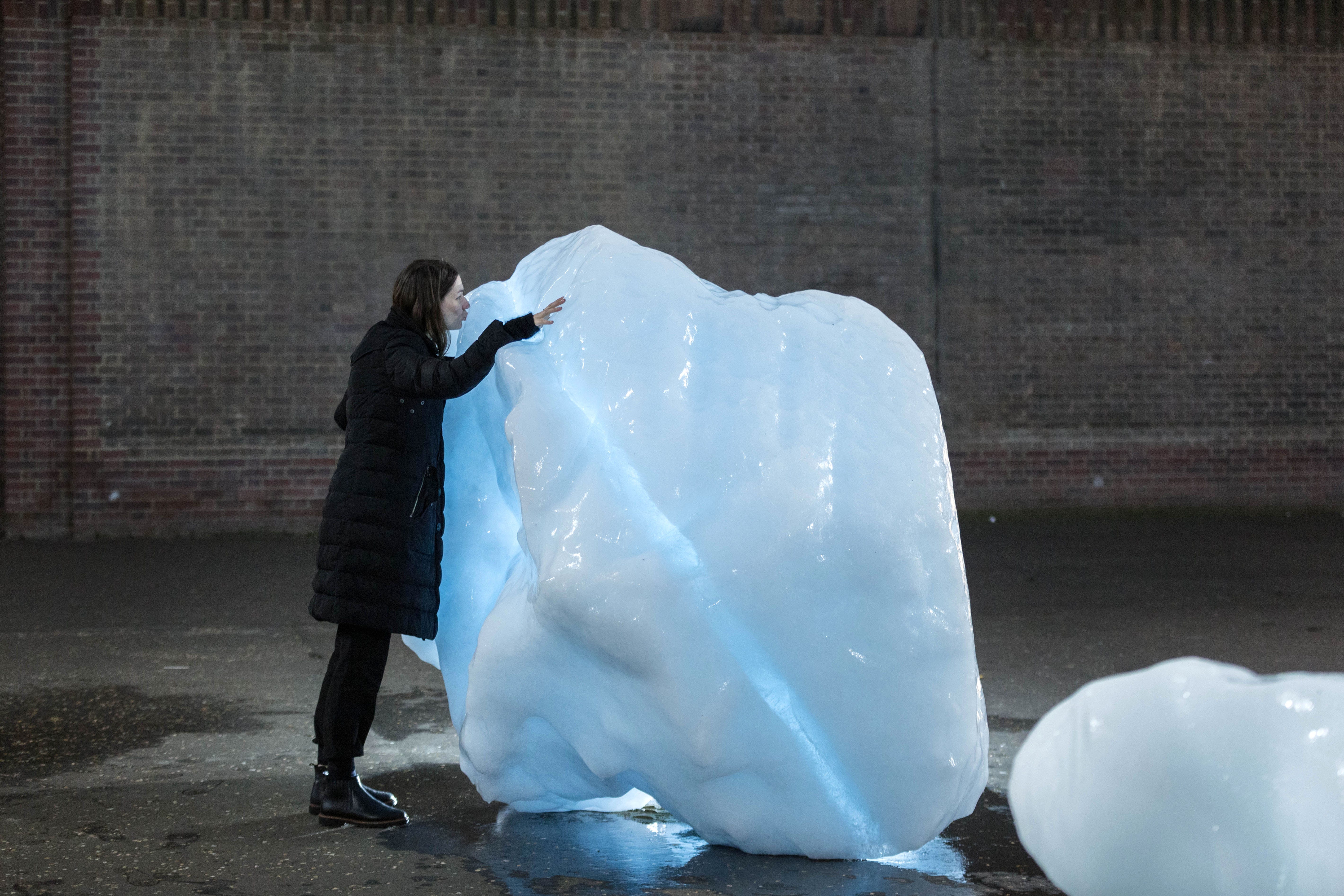
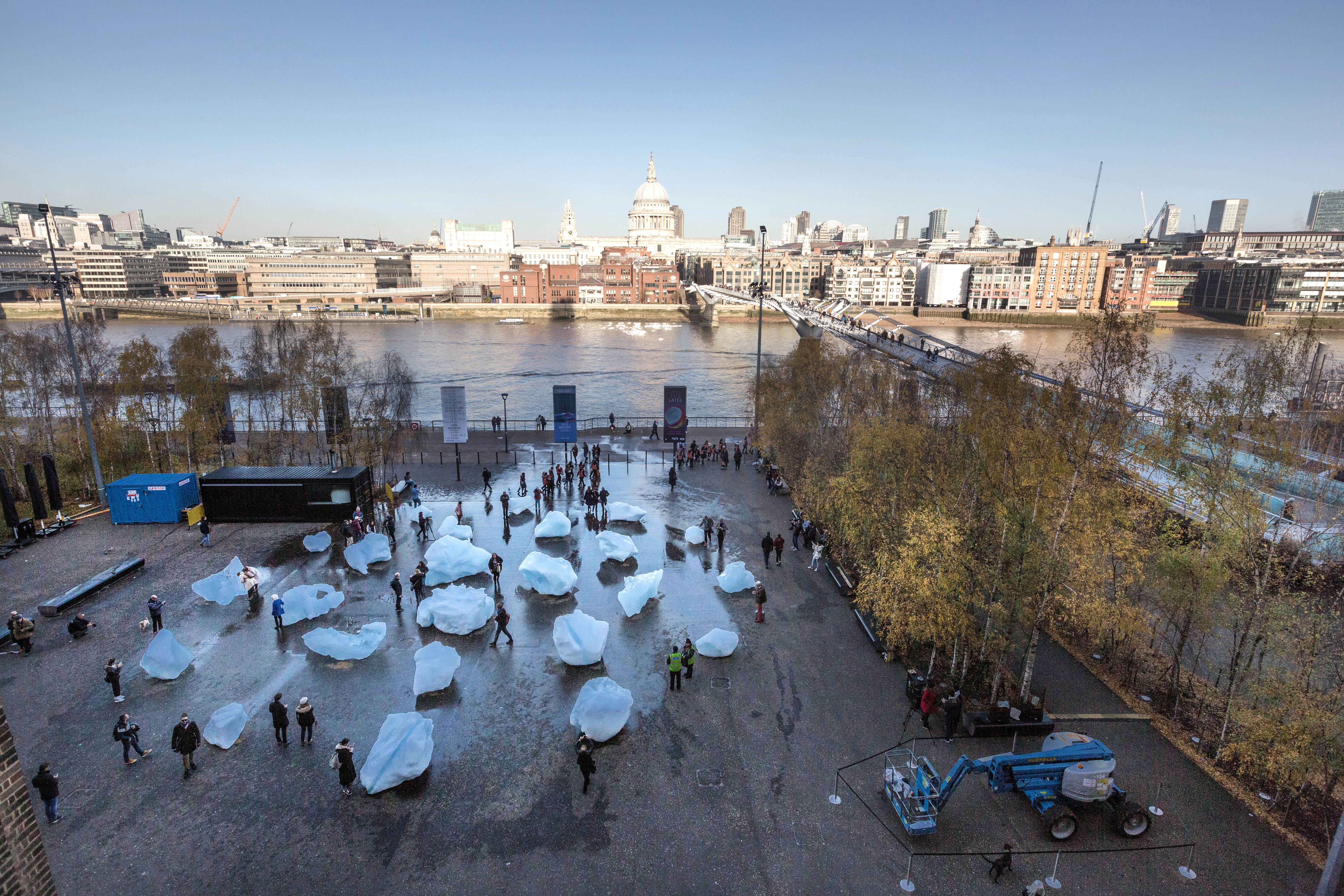
Climate Change (18)
LGBTQIA+ awareness and rights (11)
After these responses, there was a long tail of other answers, and very few were mentioned more than once. I should also note that many of these are quite related to the top three options above:
Access
Art & emerging technologies (e.g. AI, XR, game engine, blockchain, and fintech)
Art & health/disability
Art & science collaboration
Art & technology
Art and the commons
Art as investment
Art degrees and the change of curriculum to include financial and business literacy
Artist compensation/artist equity/guaranteed income
Artists’ intellectual property rights
Arts patronage
Black artists
Blurring of nonprofit and for-profit
Cancel culture
Censorship
Ceramics and other practices that have been considered outsider
Climate justice
Confronting new technologies from the point of view of the artist’s studio
Connections between artistic movements
Contemporary art from the Global South
Contemporary Asian American Art
Contemporary Native American Art
Countering global fascism
Cross-disciplinary work
Decolonial practices
DEIAB (Diversity, Equity, Inclusion, Accessibility, and Belonging)
Demise of historical knowledge and literacy
Disintermediation of the gallery model
Eco-Materialism
Ecology/Interspecies knowledge
Economic and environmental migration
Economic inequality
Economic support for artists
Empathy
Environmental justice
Female artists
Free speech
Gender
Gender identity and fluidity
Global indigeneity
Globalization
Human relationship with technology
Human rights
Identity
Identity politics
Indigenous history/ancestral wisdom
Indigenous perspectives
Influence of the market on every aspect of the art industry
Intersection of art and capitalism
Labor and care
Land-use
Migration histories
Migration/identity/multiculturalism
NAGPRA (Native American Graves Protection and Repatriation Act), Repatriation, and Deaccessioning
Native American land back reparations
Non-Western Art
Posthumanism
Queer studies
Queer theory
Race
Racism
Real World vs. Virtual Worlds (including NFTs, AI, AR/VR)
Reproductive rights
Restitution and repatriation
Role of class in art’s structures
Sea level rise
Sexuality
Spiritual awareness
Sustainability
Technology's impact on humanity
Trans rights/personhood
War and its ramifications, as it relates to identity or lack thereof
Web3
Women artists from the Global South
Women’s rights
What are we to conclude from this longer list?
On one hand, apart from a consensus about the top three choices, interests seem extremely scattered. On the other hand, if you bucket the above choices into particular categories, distinct trends emerge.
Many entries highlight the underrepresentation of particular groups or regions, the changing nature of the art market, and the confluence of access, globalization, free speech, and race. Politics are certainly at the forefront of many respondents’ minds, which raises questions about the relationship between the art world and culture at large.
Reading through the list, I keep coming back to thinking about how these choices would be different if I administered the survey today. Over the past month, the new U.S. President and his larger administration have brought so many issues to the fore: the limits of presidential control, the risk of fascism, the threat to the social safety net, the role of health and education oversight in the Federal Government—and sadly, the list continues.
I wonder how this changed political climate will affect artists’ approach to their work.
I’ve always been interested in the intersection of art and politics. This was the subject of my PhD dissertation, which became my first book, Kill for Peace: American Artists Against the Vietnam War. In my research, which was a history of artistic engagement with the Vietnam War, from 1964-1975, I created a typology (e.g., categories) for anti-war art, which charted different varieties of artistic engagement.

Some artists (such as Nancy Spero or Leon Golub) made the conflict central to their work, while others (including various Minimalist or Conceptual artists) intentionally kept it out of their practice. Some believed that art was an ineffective way to solve political problems, while others thought that being an artist and making art was in itself the best kind of protest. A whole range of artists worked in the middle, for example, contributing to group protest works such as the iconic 1966 Artists Tower of Protest, also called the Peace Tower, or aspects of the antiwar Angry Arts Week in 1967, but doing little else.
The current situation is so new, and the concerns inherently different, and luckily we are not engaged, at least directly, in a war like Vietnam. Yet I wonder how contemporary artists’ actions over the next few years will compare to past instances of political engagement, and I hope that artists look to the past for models, because the underlying issues and dynamics are often the same.
Artists’ failure to look at precedent has been one of the historical weaknesses of the form. I began Kill for Peace with the following quote by sociologist Giovanni Arrighi that speaks to this fact:
“One continuing sociological characteristic of these rebellions of the oppressed has been their “spontaneous,” short-term character. They have come and they have gone, having such effect as they did. When the next such rebellion came, it normally had little explicit relationship with the previous one. Indeed this has been one of the great strengths of the world’s ruling strata throughout history—the non-continuity of rebellion.”
All of which is to say that, for the next few years, I will be paying close attention to how artists engage with the political climate and draw on past protest movements as they develop their own aesthetic and communal strategies. Many artists, certainly, will influence the way we think about the “topics” listed above. I will also try to do my part to make sure we’re all as historically informed as possible. (See: this newsletter.)
Thanks again for your interest in this project, and I’m looking forward to seeing you back here in a couple of weeks. Next time, I’ll share which “tendencies” or groupings of artists will influence the future of contemporary art.
In the meantime, let me know if there are any topics you would have liked to see on this list. I’m also curious to know how readers consider the relationship between art and politics. What’s do you envision as an ideal relationship between the two?
Best,
Matthew
No posts
Comments
Nothing yet. Say the first thing.
Sign in to join the conversation.