
"We can't tell east from west, the dawn from the dusk, nor where the sun that lights our lives goes under earth nor where it rises."
~ Odysseus


Hello fellow-traveller,
Welcome to the Odyssey read-along. Here’s the schedule for you to navigate through this story.
This post, and the ones that will follow, are divided into sections so you can easily follow the text and re-read passages. It does not matter what translation you use — the lines should be the same, although translated differently.
This is the fifth post in the series, if you’re curious about what happened before, please feel free to read the previous weeks’ instalments.
In this journey, I am both an Odysseus and a Telemachus. I might get lost and get stuck on Calypso’s island, yet at the same time, like Telemachus, I need to awaken to act. These are the notes of a fellow-reader, not a scholar.
I’ve just released an interview with Emily Katz Anhalt, a Professor of Classics, discussing how we should read The Odyssey. You can listen to it here:
I hope you will enjoy it.
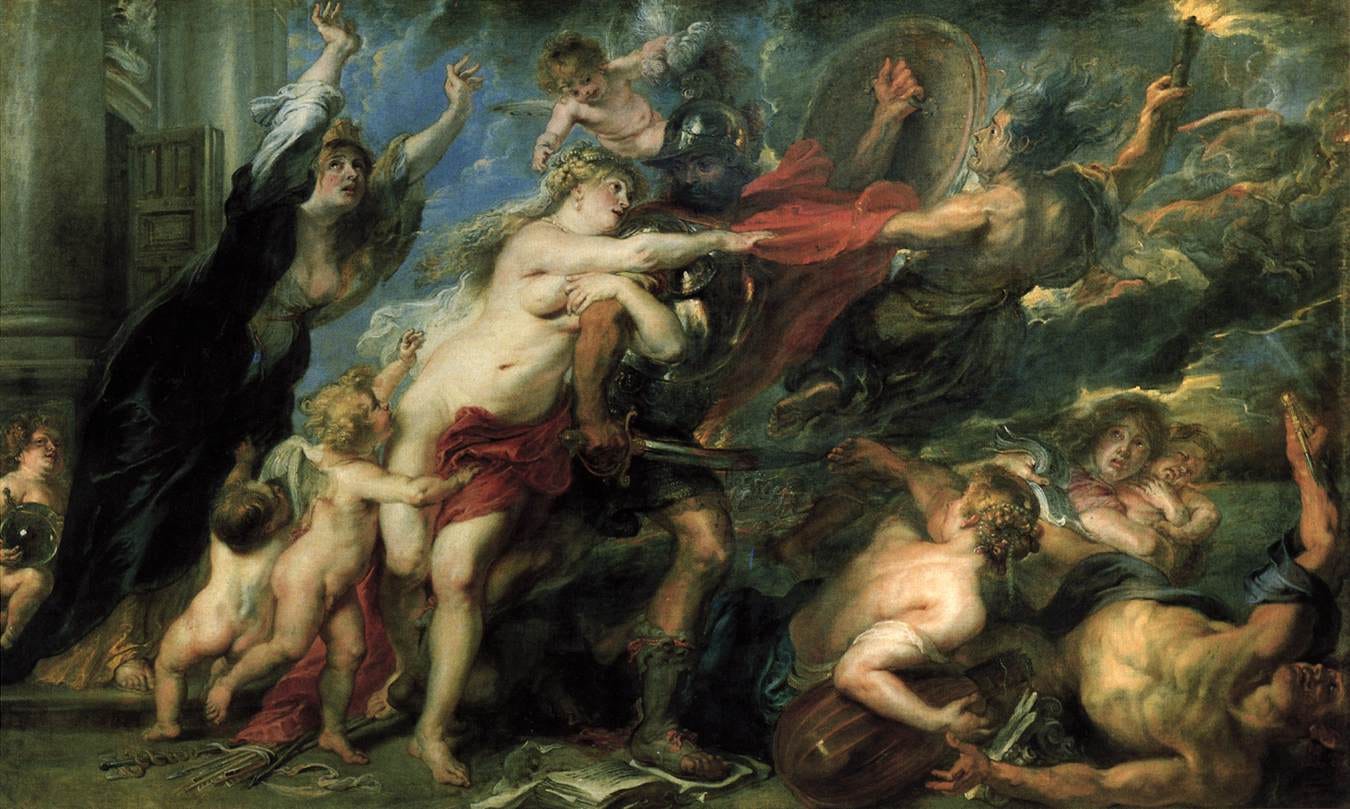
Book 9 Odysseus at last reveals his name and begins his tale — He tells of the raid on the Cicones, and of the Lotus-eaters whose fruit makes men forget home — He tells of the Cyclops Polyphemus, son of Poseidon, who traps the crew in his cave and eats them two by two — Odysseus gives his name as Nobody, blinds the giant with a burning stake, and escapes clinging beneath a ram — Safe on the water, he shouts his true name back at the blinded Cyclops; Polyphemus calls down his father Poseidon’s curse upon him
Book 10 Aeolus, master of the winds, gives Odysseus a bag holding all contrary winds; within sight of Ithaca the crew open it, and the ships are blown back — Aeolus turns Odysseus away in disgust — The giant Laestrygonians destroy all ships but one, spearing the crews like fish — At Circe’s island half the crew are turned to swine — Hermes appears and gives Odysseus the herb moly as protection; Circe is overcome and restores the men — The crew feasts on the island for a year, then demands to sail home — Circe tells Odysseus he must first descend to the house of the dead to consult the prophet Tiresias
Proofread by Lisa Statler

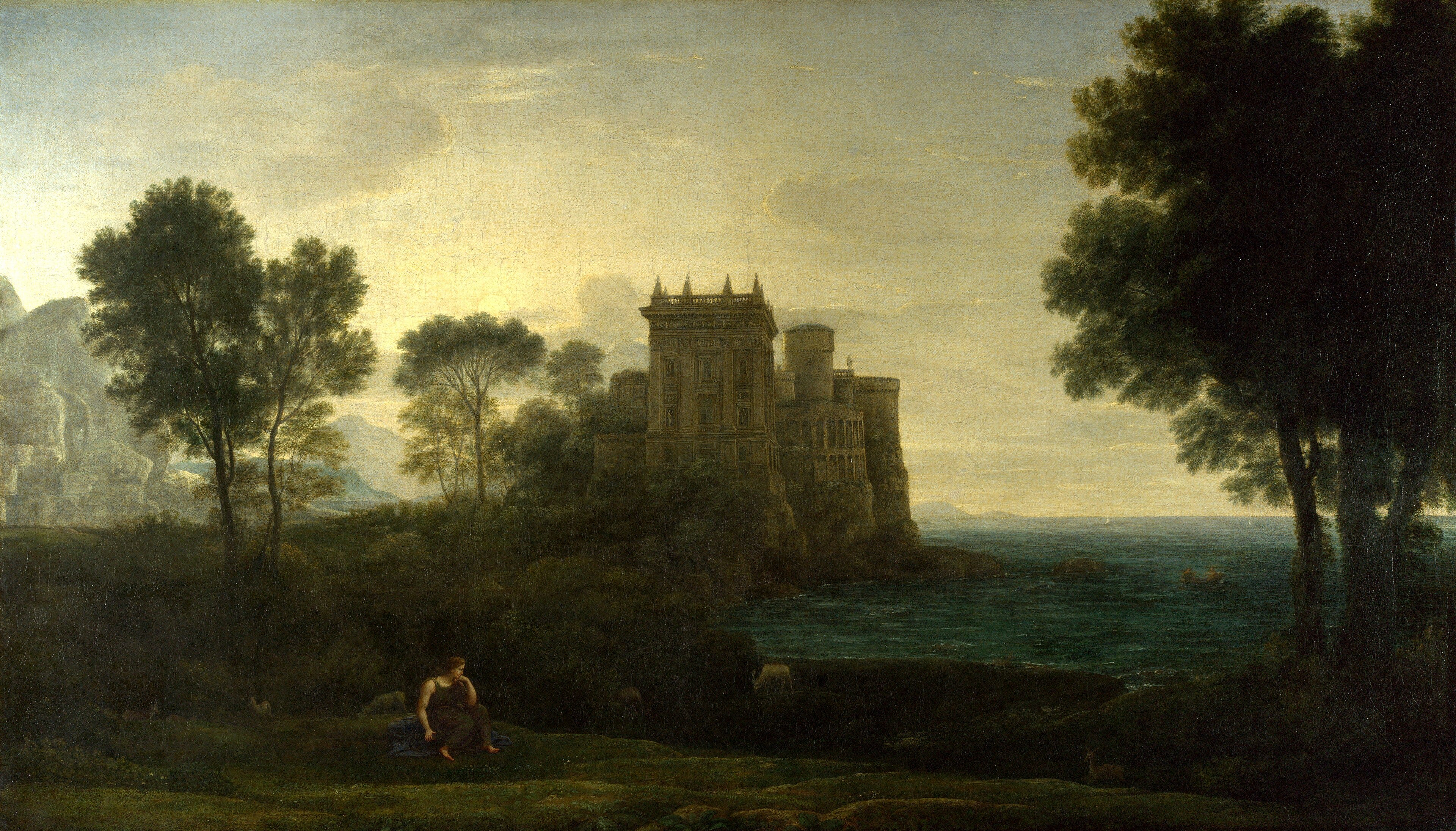
Each book must have an end, each film must have its final frame, and each journey must have a destination. The same applies to our lives: it is a blessing to be born mortal.
Think of contemporary examples of film series where the director refuses to bring the story to a coherent end, choosing instead to continue the franchise until it devalues the superior earlier instalments.
Even the song of great blind bard Demodocus had an end and the Odysseus at the request of the king begins to tell his story. In his wonderful book on The Odyssey Charles Segal drew my attention to the fact that Odysseus praises the feast, the wine, the banquet hall.
The whole procession is important for this allows Odysseus to dive deep into his unconscious, as Segal points out, and to tell what he finds there safely. Telling this story in the first person is a psychological necessity it is the "resifting and re-erecting of his inward world to bring it into contact with the reality and objective human demands of Ithaca"
So, the next few books are going to be filled with giants and witches, challenges and obstacles. Each on one of them has a meaning, and the ones are Cicones.
The first stop homeward from Troy is Ismarus, the city of the Cicones. Odysseus and his crew sack, kill the men, and divide the spoils among the crews. Their attitude, as one scholar notes, resembles a raid, an attack that one would unleash on enemy during war.
The minds of Odysseus and their crew still acts in inertia of war. They have just escaped it, and yet the attitude, way of thinking, brutality required for war is still in their minds. The war and battlefield has consumed them.
At first the violence is calculated, organised and distribution of gain fair but soon enough Odysseus’ crew disobeys him. By calling his men "fools" who perished through their own recklessness (atasthaliai), Odysseus establishes the moral framework of the epic: the crew's ultimate destruction is caused by their own lack of self-control, which simultaneously highlights Odysseus's superior mental toughness and exculpates him from their doom.
It is curious to observe that the discipline required in war no longer applies to the environment, therefore it falls apart, because greed and recklessness are the enemies of self-control.
Comments
Nothing yet. Say the first thing.
Sign in to join the conversation.